Category

Psychology Quotes for Thoughtful Readers

This collection of psychology quotes is designed to go beyond surface-level inspiration and instead provide practical insight into how experienced investors and business leaders think. While individual quotes can be powerful on their own, their real value often comes from seeing them together—revealing patterns that repeat across different contexts and time periods. In this category, the quotations focus on key ideas that shape real-world decision-making. These might include how to assess risk, how to think about value, or how to maintain discipline when conditions are uncertain. By reading them as a group, it becomes easier to identify the underlying principles that guide consistent performance. One of the most useful ways to approach these quotes is to treat them as mental checklists. When facing a decision, revisit the themes presented here and ask how they apply. Over time, this habit helps convert abstract wisdom into practical action. This collection also connects naturally with other areas of investing and business. Ideas about psychology rarely exist in isolation—they interact with psychology, markets, and long-term thinking. By recognizing those connections, readers can build a more complete framework for understanding complex situations. Ultimately, the goal is not just to remember the quotes, but to internalize the thinking behind them. When that happens, the lessons become durable—and far more valuable than any single line on its own.

1 of 12
We wait for opportunity.

Core idea

Patience and discipline are crucial in investing; instead of chasing every chance, we wait calmly for rare, high-quality opportunities where the odds and price are clearly in our favor.

Practical application

Practice waiting with cash and conviction, ignoring market noise and hype, until a clearly undervalued, understandable business appears where potential reward far outweighs the risk.

Why it matters

The special insight is that superior results come not from constant activity, but from disciplined inaction until a few clearly favorable, high-conviction opportunities emerge.
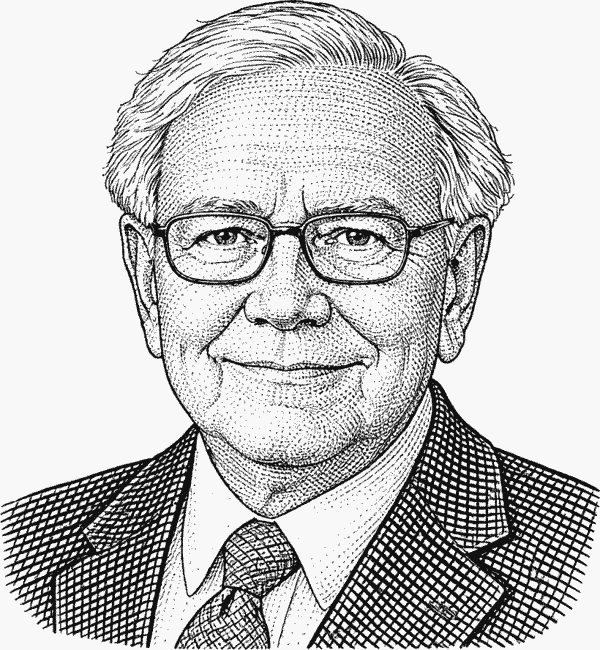
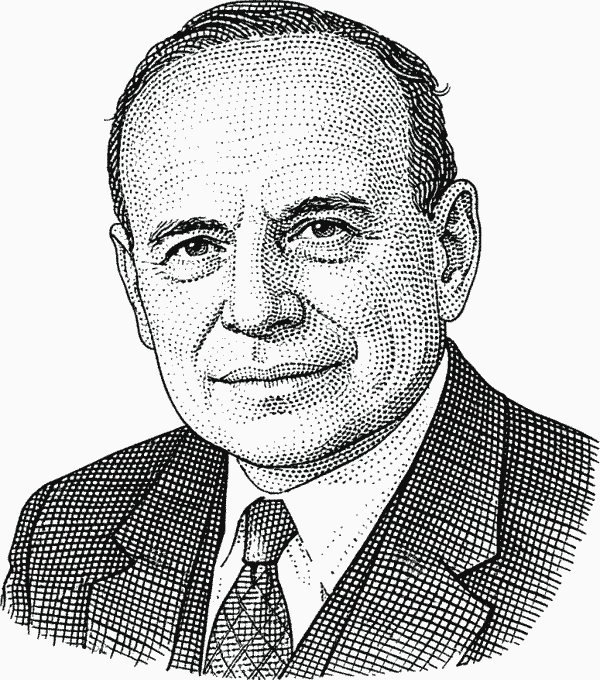
Panics create opportunity.

Core idea

When markets panic and others act irrationally, strong underlying businesses can become undervalued, creating rare opportunities for disciplined, patient investors to buy quality assets at bargain prices.

Practical application

When markets panic, do not follow the crowd; calmly study business fundamentals, then buy strong, undervalued companies and hold them while prices are temporarily depressed.

Why it matters

The special insight is that emotional market panics temporarily sever prices from business reality, rewarding patient, rational investors who buy fundamentally strong companies when fear-driven discounts appear.

We stick to what we understand.

Core idea

Invest only within your circle of competence, where you deeply understand the business and its risks, because ignorance is far more dangerous than missed opportunities or temporary market swings.

Practical application

Before investing, honestly assess what you truly understand, then focus your money and study there, avoiding complex or trendy assets that rely on hope instead of clear comprehension.

Why it matters

This quote reveals that durable investment success depends less on chasing opportunities and more on rigorously knowing your limits, concentrating only where understanding outmatches uncertainty.

Be greedy when others are fearful.

Core idea

The core idea is to act rationally and opportunistically, buying quality assets cheaply when panic depresses prices, instead of following the crowd and selling in fear.

Practical application

When markets plunge and headlines scream panic, calmly research strong companies, ignore the crowd, and buy only when prices fall far below long-term business value and your analysis supports it.

Why it matters

Its special insight is that the best opportunities arise when emotions distort prices, so disciplined investors can profit by buying durable value precisely when others irrationally flee.

Pessimism is your friend.

Core idea

Pessimism in markets creates undervalued opportunities; when others fear and sell, disciplined investors can buy quality assets cheaply and achieve superior long-term returns.

Practical application

When markets turn pessimistic and prices plunge, study fundamentals, ignore the panic, and steadily buy strong, undervalued businesses to position yourself for superior long-term returns.

Why it matters

Pessimistic markets, driven by fear and short-term thinking, temporarily misprice quality assets, creating rare opportunities for disciplined, long-term investors to buy exceptional businesses at significant discounts.

We simply attempt to be fearful when others are greedy.

Core idea

The core idea is to be cautious and conservative when markets are euphoric, and bold and opportunistic when others are scared and fleeing investments.

Practical application

Apply Buffetts quote by calmly saving cash during euphoric booms and then patiently buying strong, undervalued assets when fear drives prices well below their long-term business value.

Why it matters

Buffetts quote highlights the contrarian insight that real investing edge comes from resisting crowd psychology, using discipline and patience to profit from extreme fear and irrational exuberance.

Fear is the friend of the fundamentalist.

Core idea

Market fear pushes stock prices below intrinsic value, creating rare opportunities for disciplined, fundamentals-focused investors to buy quality businesses at significant bargains.

Practical application

When others panic and sell quality companies cheaply, use careful research and patience to buy below intrinsic value instead of following the crowd, turning fear into opportunity.

Why it matters

Enduring value investors can transform market-wide fear into profit by calmly buying solid businesses below intrinsic worth while others irrationally dump them at distressed, temporary prices.

The best chance to deploy capital is when things are going down.

Core idea

Buffett means investors should be prepared to invest aggressively during market downturns, when fear-driven price declines create rare opportunities to buy quality assets at significant discounts.

Practical application

When markets fall and others panic, review your watchlist, confirm business quality, then steadily buy undervalued stocks instead of fleeing, turning temporary fear into long-term opportunity.

Why it matters

Real wealth is built by acting rationally when others are fearful, using temporary market declines to buy strong businesses at bargain prices instead of fleeing with the crowd.

Avoiding mistakes is more important than brilliance.

Core idea

Success often comes less from extraordinary genius and more from consistently sidestepping major errors, preserving capital, reputation, and options for future opportunities.

Practical application

In investing, focus first on avoiding big, permanent losses; steady risk management and capital preservation usually beat flashy bets, giving you time and flexibility to compound wisely.

Why it matters

The special insight is that long-term success hinges less on brilliance than on rigorously avoiding irreversible mistakes, which preserves resources, resilience, and the capacity to keep compounding advantages.

Discipline is essential.

Core idea

Success in investing and business comes less from brilliance than from steady, rational discipline: consistently following sound principles, avoiding impulsive decisions, and sticking to long-term plans.

Practical application

To be a better investor, build habits that enforce steady, rational discipline: follow your strategy, ignore emotional market noise, and stay committed to long-term principles through all conditions.

Why it matters

True investing edge lies not in genius but in unwavering, rational discipline that resists emotion, short-term noise, and herd behavior while honoring proven principles over decades.

If you don't understand it, don't buy it.

Core idea

Invest only in businesses you clearly understand, because ignorance about how they work or make money greatly increases the risk of permanent capital loss and poor decision making.

Practical application

Before buying any stock, honestly test whether you can explain how it makes money and why it will keep doing so; if not, avoid investing until you understand.

Why it matters

The special insight is that disciplined investors treat ignorance as real risk, demanding clear, testable understanding of a business model before committing capital to avoid irreversible losses.

Our favorite holding period is forever.

Core idea

Prioritize buying wonderful businesses at fair prices, then hold them indefinitely to maximize compounding returns, minimize transaction costs, and stay focused on long-term business performance, not short-term market swings.

Practical application

Buy strong companies you truly understand, hold them through market noise, and let time and compounding grow your wealth instead of constantly trading or chasing short-term gains.

Why it matters

Buffett reveals that the real edge in investing is patient ownership of enduringly great businesses, letting long-term compounding quietly outperform short-term trading, forecasting, and market timing.

Full collection

Read All 63 Psychology Quotes with Context

Readers who search for psychology quotes is usually trying to understand behavior under pressure. This page highlights how emotion, bias, and temperament shape decision-making more than most models suggest, especially during periods of fear.

Warren Buffett quote portrait about psychology

Warren Buffett

We wait for opportunity.

Source: Berkshire Hathaway Letters

Core idea

Patience and discipline are crucial in investing; instead of chasing every chance, we wait calmly for rare, high-quality opportunities where the odds and price are clearly in our favor.

Practical application

Practice waiting with cash and conviction, ignoring market noise and hype, until a clearly undervalued, understandable business appears where potential reward far outweighs the risk.

Why it matters

The special insight is that superior results come not from constant activity, but from disciplined inaction until a few clearly favorable, high-conviction opportunities emerge.

Warren Buffett quote portrait about psychology

Warren Buffett

Panics create opportunity.

Source: Berkshire Hathaway Letters

Core idea

When markets panic and others act irrationally, strong underlying businesses can become undervalued, creating rare opportunities for disciplined, patient investors to buy quality assets at bargain prices.

Practical application

When markets panic, do not follow the crowd; calmly study business fundamentals, then buy strong, undervalued companies and hold them while prices are temporarily depressed.

Why it matters

The special insight is that emotional market panics temporarily sever prices from business reality, rewarding patient, rational investors who buy fundamentally strong companies when fear-driven discounts appear.

Warren Buffett quote portrait about psychology

Warren Buffett

We stick to what we understand.

Source: Berkshire Hathaway Letters

Core idea

Invest only within your circle of competence, where you deeply understand the business and its risks, because ignorance is far more dangerous than missed opportunities or temporary market swings.

Practical application

Before investing, honestly assess what you truly understand, then focus your money and study there, avoiding complex or trendy assets that rely on hope instead of clear comprehension.

Why it matters

This quote reveals that durable investment success depends less on chasing opportunities and more on rigorously knowing your limits, concentrating only where understanding outmatches uncertainty.

Warren Buffett quote portrait about psychology

Warren Buffett

Be greedy when others are fearful.

Source: Berkshire Hathaway Letters

Core idea

The core idea is to act rationally and opportunistically, buying quality assets cheaply when panic depresses prices, instead of following the crowd and selling in fear.

Practical application

When markets plunge and headlines scream panic, calmly research strong companies, ignore the crowd, and buy only when prices fall far below long-term business value and your analysis supports it.

Why it matters

Its special insight is that the best opportunities arise when emotions distort prices, so disciplined investors can profit by buying durable value precisely when others irrationally flee.

Warren Buffett quote portrait about psychology

Warren Buffett

Pessimism is your friend.

Source: Berkshire Hathaway Letters

Core idea

Pessimism in markets creates undervalued opportunities; when others fear and sell, disciplined investors can buy quality assets cheaply and achieve superior long-term returns.

Practical application

When markets turn pessimistic and prices plunge, study fundamentals, ignore the panic, and steadily buy strong, undervalued businesses to position yourself for superior long-term returns.

Why it matters

Pessimistic markets, driven by fear and short-term thinking, temporarily misprice quality assets, creating rare opportunities for disciplined, long-term investors to buy exceptional businesses at significant discounts.

Core idea

The core idea is to be cautious and conservative when markets are euphoric, and bold and opportunistic when others are scared and fleeing investments.

Practical application

Apply Buffetts quote by calmly saving cash during euphoric booms and then patiently buying strong, undervalued assets when fear drives prices well below their long-term business value.

Why it matters

Buffetts quote highlights the contrarian insight that real investing edge comes from resisting crowd psychology, using discipline and patience to profit from extreme fear and irrational exuberance.

Warren Buffett quote portrait about psychology

Warren Buffett

Fear is the friend of the fundamentalist.

Source: Berkshire Hathaway Letters

Core idea

Market fear pushes stock prices below intrinsic value, creating rare opportunities for disciplined, fundamentals-focused investors to buy quality businesses at significant bargains.

Practical application

When others panic and sell quality companies cheaply, use careful research and patience to buy below intrinsic value instead of following the crowd, turning fear into opportunity.

Why it matters

Enduring value investors can transform market-wide fear into profit by calmly buying solid businesses below intrinsic worth while others irrationally dump them at distressed, temporary prices.

Core idea

Buffett means investors should be prepared to invest aggressively during market downturns, when fear-driven price declines create rare opportunities to buy quality assets at significant discounts.

Practical application

When markets fall and others panic, review your watchlist, confirm business quality, then steadily buy undervalued stocks instead of fleeing, turning temporary fear into long-term opportunity.

Why it matters

Real wealth is built by acting rationally when others are fearful, using temporary market declines to buy strong businesses at bargain prices instead of fleeing with the crowd.

Core idea

Success often comes less from extraordinary genius and more from consistently sidestepping major errors, preserving capital, reputation, and options for future opportunities.

Practical application

In investing, focus first on avoiding big, permanent losses; steady risk management and capital preservation usually beat flashy bets, giving you time and flexibility to compound wisely.

Why it matters

The special insight is that long-term success hinges less on brilliance than on rigorously avoiding irreversible mistakes, which preserves resources, resilience, and the capacity to keep compounding advantages.

Warren Buffett quote portrait about psychology

Warren Buffett

Discipline is essential.

Source: Berkshire Hathaway Letters

Core idea

Success in investing and business comes less from brilliance than from steady, rational discipline: consistently following sound principles, avoiding impulsive decisions, and sticking to long-term plans.

Practical application

To be a better investor, build habits that enforce steady, rational discipline: follow your strategy, ignore emotional market noise, and stay committed to long-term principles through all conditions.

Why it matters

True investing edge lies not in genius but in unwavering, rational discipline that resists emotion, short-term noise, and herd behavior while honoring proven principles over decades.

Warren Buffett quote portrait about psychology

Warren Buffett

If you don't understand it, don't buy it.

Source: Berkshire Hathaway Letters

Core idea

Invest only in businesses you clearly understand, because ignorance about how they work or make money greatly increases the risk of permanent capital loss and poor decision making.

Practical application

Before buying any stock, honestly test whether you can explain how it makes money and why it will keep doing so; if not, avoid investing until you understand.

Why it matters

The special insight is that disciplined investors treat ignorance as real risk, demanding clear, testable understanding of a business model before committing capital to avoid irreversible losses.

Warren Buffett quote portrait about investing, psychology

Warren Buffett

Our favorite holding period is forever.

Source: Berkshire Hathaway Letters

Core idea

Prioritize buying wonderful businesses at fair prices, then hold them indefinitely to maximize compounding returns, minimize transaction costs, and stay focused on long-term business performance, not short-term market swings.

Practical application

Buy strong companies you truly understand, hold them through market noise, and let time and compounding grow your wealth instead of constantly trading or chasing short-term gains.

Why it matters

Buffett reveals that the real edge in investing is patient ownership of enduringly great businesses, letting long-term compounding quietly outperform short-term trading, forecasting, and market timing.

Warren Buffett quote portrait about investing, psychology

Warren Buffett

Inactivity can be intelligent.

Source: Berkshire Hathaway Letters

Core idea

Thoughtful inaction can be wiser than constant activity; patiently waiting for clear, high-quality opportunities often produces better long-term results than frequent, reactive decisions.

Practical application

As an investor, practice patient inaction: ignore daily noise, wait for truly outstanding opportunities, then act decisively, instead of constantly trading on every market move or headline.

Why it matters

The special insight is that disciplined restraint beats constant action; by avoiding impulsive moves and waiting for rare, high-conviction opportunities, you dramatically improve long-term outcomes.

Warren Buffett quote portrait about investing, psychology

Warren Buffett

Opportunity comes infrequently.

Source: Berkshire Hathaway Letters

Core idea

Great investment opportunities are rare, so you must be patient, think independently, and be prepared to act decisively and aggressively when a truly exceptional one finally appears.

Practical application

In real life, patiently research and wait for clear, high-conviction opportunities, then invest boldly when price, quality, and timing align, instead of constantly chasing every market move.

Why it matters

Extraordinary gains usually stem from a few rare, obvious opportunities; enduring success requires disciplined waiting, independent judgment, and decisive concentration when those rare chances finally appear.

Warren Buffett quote portrait about psychology

Warren Buffett

Patience is a competitive advantage.

Source: Berkshire Hathaway Letters

Core idea

Enduringly patient investors gain an edge because they wait for high-quality opportunities, avoid impulsive mistakes, and let compound growth work powerfully over long periods.

Practical application

Apply Buffetts idea by building a watchlist, waiting calmly for great businesses at fair prices, holding them through volatility, and letting time and compounding do most of the work.

Why it matters

Patience turns time into an ally, giving investors a durable edge by avoiding rushed decisions, exploiting rare high-quality opportunities, and harnessing the extraordinary power of long-term compounding.

Warren Buffett quote portrait about psychology

Warren Buffett

We want to give you the information that we would wish you to give us if our positions were reversed.

Source: Berkshire Hathaway Letters

Core idea

Communicate with radical candor and empathy: share clear, honest, decision-relevant information as you would want to receive it yourself if your roles and interests were reversed.

Practical application

Apply Buffetts idea by demanding and giving clear, honest, decision-focused information that respects others incentives, so every investment choice reflects how you would want to be treated yourself.

Why it matters

Buffetts quote highlights a special insight: true integrity in communication means sharing candid, decision-useful information exactly as you would want it if your interests and risks were reversed.

Warren Buffett quote portrait about investing, psychology

Warren Buffett

We don't need activity.

Source: Berkshire Hathaway Letters

Core idea

Buffett emphasizes patient, disciplined investing, arguing that frequent trading and constant activity often hurt returns; real success comes from thoughtful decisions, long holding periods, and avoiding unnecessary moves.

Practical application

Apply Buffetts quote by resisting the urge to trade constantly; instead, research carefully, buy quality businesses, hold them patiently, and let compounding quietly build your long-term wealth.

Why it matters

The special insight is that disciplined inaction can be more powerful than constant effort; patiently holding well-chosen investments often outperforms frenetic trading and the illusion of productive busyness.

Warren Buffett quote portrait about psychology

Warren Buffett

Quite simply, a few hours spent at the feet of the master proved far more valuable to me than had ten years of supposedly original thinking.

Source: Berkshire Hathaway Letters

Core idea

Learning directly from a true expert can compress decades of trial-and-error, making humble listening and mentorship far more valuable than long, isolated independent thinking.

Practical application

If you want to be a better investor, humbly study proven masters and their mistakes; their hard won lessons can save you decades of costly trial and error.

Why it matters

The insight is that genuine expertise is a time machine: by listening humbly to true masters, you can inherit decades of experience and avoid years of avoidable, painful mistakes.

Benjamin Graham quote portrait about investing, psychology

Benjamin Graham

The investor must control his emotions.

Source: The Intelligent Investor

Core idea

Successful investing requires disciplined, rational decisions based on analysis and long-term thinking, not emotional reactions to market swings, fear, greed, or short-term noise.

Practical application

To be a better investor, create a rules-based plan, stick to it through market swings, and let research and long-term goals guide you instead of fear or excitement.

Why it matters

The special insight is that emotional detachment enables investors to consistently exploit opportunities and manage risk rationally, while others overreact to short-term volatility, news, and crowd behavior.

Benjamin Graham quote portrait about investing, psychology

Benjamin Graham

The investor should avoid emotional biases.

Source: The Intelligent Investor

Core idea

Successful investing requires disciplined, rational decisions based on facts and analysis, not reactions driven by fear, greed, excitement, or other emotional impulses that distort sound judgment.

Practical application

When markets surge or crash, pause, review your analysis, and follow your plan instead of reacting emotionally, so your decisions stay rational, consistent, and aligned with long-term goals.

Why it matters

The insight is that emotional discipline, not intelligence or complex strategies, most reliably separates successful long-term investors from those who let fear or greed sabotage sound decisions.

Benjamin Graham quote portrait about investing, psychology

Benjamin Graham

Emotional decisions are the enemy of investment success.

Source: The Intelligent Investor

Core idea

Rational, disciplined analysis and patience are essential for successful investing, while emotional reactions like fear, greed, and impulse lead to poor decisions and long-term underperformance.

Practical application

Apply this by creating clear rules, diversifying, investing regularly, and sticking to your plan through market swings instead of reacting emotionally to short-term price moves.

Why it matters

The special insight is that consistent, objective decision-making grounded in analysis, not emotion, is the primary edge that protects investors from self-sabotage and improves long-term outcomes.

Benjamin Graham quote portrait about psychology

Benjamin Graham

You are neither right nor wrong because the crowd disagrees with you.

Source: The Intelligent Investor

Core idea

The quote means your investment decisions are judged by their underlying analysis and long-term results, not by whether most people agree or disagree with you at the moment.

Practical application

Apply this by building a sound, well-researched strategy, then sticking to it despite market noise; focus on process and long-term outcomes, not short-term popularity or consensus.

Why it matters

Grahams insight is that true investment wisdom lies in independently grounded analysis and discipline, where correctness is proven by long-term outcomes, not by popular opinion or market consensus.

Seth Klarman quote portrait about risk, valuation

Seth Klarman

While some might mistakenly consider value investing a mechanical tool for identifying bargains, it is actually a comprehensive investment philosophy that emphasizes the need to perform in-depth fundamental analysis, pursue long-term investment results, limit risk, and resist crowd psychology.

Source: Margin of Safety

Core idea

Value investing is not just buying cheap stocks; it is a full discipline of deep analysis, patience, risk control, and independent thinking against prevailing market sentiment.

Practical application

Apply this by studying businesses in depth, waiting patiently for clear mispricing, sizing positions conservatively, and sticking to your analysis even when the market disagrees.

Why it matters

The special insight is that true value investing is a rigorous, discipline-driven mindset integrating analysis, patience, risk management, and independent judgment, not a simple formula for buying statistically cheap stocks.

Seth Klarman quote portrait about investing, psychology

Seth Klarman

Successful investors tend to be unemotional, allowing the greed and fear of others to play into their hands.

Source: Margin of Safety

Core idea

The core idea is that disciplined investors stay calm and rational, exploiting market extremes caused by others emotional reactions of greed and fear to find superior opportunities.

Practical application

Apply this by setting clear rules, valuing businesses carefully, and acting only when prices greatly diverge from value due to others emotional panic or euphoria.

Why it matters

The special insight is that emotional detachment lets investors systematically profit from irrational crowd behavior, turning others short-term fear and greed into long-term opportunity and superior returns.

Seth Klarman quote portrait about investing, psychology

Seth Klarman

Investing is the intersection of economics and psychology.

Source: Margin of Safety

Core idea

Klarman means successful investing requires understanding both objective business fundamentals and subjective human behavior, because market prices reflect economic reality distorted by fear, greed, and cognitive biases.

Practical application

To become a better investor, study business fundamentals rigorously, but also recognize how fear, greed, and crowd psychology distort prices, creating opportunities when others overreact.

Why it matters

The special insight is that mispricings arise where hard economic facts meet irrational human behavior, so enduring investment edges come from mastering both analysis and crowd psychology.

Benjamin Graham & David Dodd quote portrait about investing, psychology

Benjamin Graham & David Dodd

Successful investors tend to be unemotional, allowing the greed and fear of others to play into their hands.

Source: Security Analysis

Core idea

The core idea is that disciplined investors control their emotions, stay rational, and profit by taking advantage of the fearful selling and greedy buying of others.

Practical application

Apply this by creating a clear plan, sticking to valuation-based rules, and calmly buying quality assets when others panic and selling when others irrationally overpay.

Why it matters

The special insight is that emotional detachment in investing transforms market crowd psychology into opportunity, enabling disciplined investors to profit from others irrational fear and greed.

Peter Lynch quote portrait about psychology, investing

Peter Lynch

Far more money has been lost by investors preparing for corrections than in the corrections themselves.

Source: Beating the Street

Core idea

Fear-driven behavior causes more damage than actual market declines.

Practical application

Avoid constantly trying to predict downturns. Stay invested in strong businesses instead of jumping in and out.

Why it matters

This is a critique of macro obsession - investors hurt themselves more by reacting than by enduring.

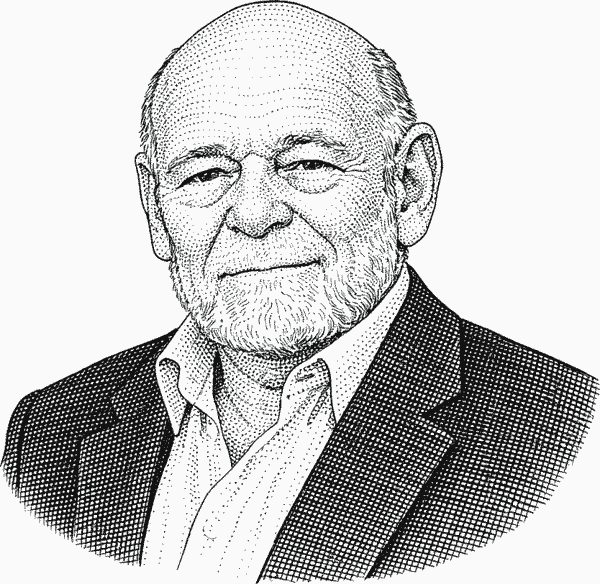
Sam Zell quote portrait about psychology

Sam Zell

I have always believed every day you hold an asset, you are choosing to buy it.

Source: Am I Being Too Subtle

Core idea

The core idea is that continuously owning an investment is an active decision, so you must constantly reassess its value, opportunity cost, and alignment with better available alternatives.

Practical application

Apply this by regularly asking: If I had cash instead of this investment today, would I still buy it now, given current information and all the other opportunities available?

Why it matters

It exposes the hidden decision in inaction: holding an asset is not neutral or passive, but an ongoing, explicit choice to reject all other current opportunities for your capital.

Peter Lynch quote portrait about psychology, investing

Peter Lynch

Buy what you understand.

Source: Beating the Street

Core idea

Understanding reduces risk.

Practical application

Stay within familiar industries.

Why it matters

Ignorance is the real risk.

Peter Lynch quote portrait about psychology, investing

Peter Lynch

Selling your winners and holding your losers is like cutting flowers and watering weeds.

Source: Beating the Street

Core idea

Investors often act against their own interests.

Practical application

Let winners run; cut losers when thesis breaks.

Why it matters

This captures a core behavioral bias.

Peter Lynch quote portrait about psychology, investing

Peter Lynch

The key to making money in stocks is not to get scared out of them.

Source: Beating the Street

Core idea

Emotional discipline matters more than analytical brilliance.

Practical application

Prepare mentally for volatility before investing so you are not forced out at the worst moment.

Why it matters

Lynch is emphasizing temperament - success comes from endurance, not prediction.

Peter Lynch quote portrait about psychology, investing

Peter Lynch

It is not the head but the stomach that determines success in investing.

Source: Beating the Street

Core idea

Emotional resilience matters more than intelligence.

Practical application

Prepare for volatility before it happens.

Why it matters

This is Lynch 's version of Buffett 's temperament idea.

Peter Lynch quote portrait about psychology, investing

Peter Lynch

Do not follow the crowd.

Source: Beating the Street

Core idea

Consensus thinking leads to average results.

Practical application

Think independently - even when uncomfortable.

Why it matters

Great opportunities often feel wrong at first.

Donald Trump quote portrait about psychology

Donald Trump

I keep my options open.

Source: The Art of the Deal

Core idea

The core idea is that maintaining flexibility, avoiding rigid commitments, and adapting to changing circumstances can increase leverage, opportunity, and negotiating power in business and life.

Practical application

As an investor, keeping your options open means diversifying, avoiding rigid predictions, and preserving cash and flexibility so you can seize unexpected opportunities and manage risk as markets change.

Why it matters

The special insight is that power comes from preserving flexibility and optionality, so you can exploit changing circumstances instead of being trapped by early, rigid commitments.

Donald Trump quote portrait about psychology

Donald Trump

I prefer to come to work each day and just see what develops.

Source: The Art of the Deal

Core idea

Embrace flexibility and spontaneity in business by avoiding rigid plans, staying open to unfolding opportunities, and responding dynamically to changing circumstances as they arise each day.

Practical application

As an investor, stay flexible each day, watching markets and businesses closely, ready to adjust positions, seize emerging opportunities, and cut losses instead of rigidly following a fixed plan.

Why it matters

The insight is to treat each day as a fresh landscape, favoring adaptive, opportunity-driven decisions over rigid long-term plans, thereby maximizing responsiveness and real-time advantage.

Donald Trump quote portrait about psychology

Donald Trump

I like to be challenged.

Source: The Art of the Deal

Core idea

Embracing tough questions and opposition sharpens thinking, exposes weaknesses, and ultimately strengthens decisions, revealing confidence in ones vision and a desire for continuous improvement.

Practical application

As an investor, welcome tough questions and opposing views; they reveal blind spots, refine your theses, and ultimately strengthen your conviction, risk management, and long-term decision making.

Why it matters

The special insight is that true confidence seeks rigorous challenge, using critics and hard questions as tools to expose blind spots, refine strategy, and strengthen long-term decision quality.

Donald Trump quote portrait about psychology

Donald Trump

I play to people's fantasies.

Source: The Art of the Deal

Core idea

The core idea is that Trump consciously appeals to peoples dreams and desires, using bold promises and larger-than-life narratives to win attention, support, and advantageous deals.

Practical application

As an investor, study how narratives move markets: identify popular fantasies driving hype, stay rational when others chase dreams, and use crowd psychology instead of becoming its victim.

Why it matters

Its special insight is that influence and advantage often come from selling compelling fantasies, not facts, so mastering narrative psychology can outperform purely rational argument or analysis.

Donald Trump quote portrait about psychology

Donald Trump

It is an innocent form of exaggeration.

Source: The Art of the Deal

Core idea

The core idea is that deliberate overstatement can be framed as harmless, normal behavior in negotiation and self-promotion, blurring the line between honest representation and manipulation.

Practical application

As an investor, recognize that hype often masks risk; your edge comes from questioning "innocent" exaggerations, demanding evidence, and valuing disciplined analysis over charismatic narratives.

Why it matters

This quote reveals that normalizing exaggeration erodes honesty thresholds, so the sharp investor advantage lies in distrusting charisma, interrogating claims, and rigorously separating narrative from verifiable reality.

Donald Trump quote portrait about psychology

Donald Trump

I call it truthful hyperbole.

Source: The Art of the Deal

Core idea

Exaggeration, if grounded in a kernel of truth and used with confidence, can be a persuasive tool that shapes perception more effectively than strict, literal accuracy.

Practical application

Use "truthful hyperbole" in investing by confidently emphasizing your best, well-researched ideas, but always anchor bold narratives in solid data, risk analysis, and realistic expectations.

Why it matters

Truthful hyperbole reveals that strategic, confident exaggeration grounded in verifiable facts can powerfully shape perception, influence decisions, and create opportunity without fully abandoning honesty.

Donald Trump quote portrait about psychology

Donald Trump

I aim very high and then I just keep pushing.

Source: The Art of the Deal

Core idea

Success comes from setting ambitious goals beyond your comfort zone, refusing to settle, and relentlessly pushing forward until you achieve or surpass what once seemed impossible.

Practical application

As an investor, set bold yet researched targets, avoid complacency, and keep learning, saving, and reallocating until your disciplined strategy achieves results you once thought impossible.

Why it matters

Its special Insight is that transformative success demands audacious goals, persistent effort beyond comfort, and unwavering refusal to accept limits others or your past self considered unbreakable.

Donald Trump quote portrait about psychology

Donald Trump

I do not do it for the money. The money is just a way of keeping score.

Source: The Art of the Deal

Core idea

Trump suggests that his true motivation is achievement, power, or winning, while money itself is merely a symbolic measure of success rather than his primary goal.

Practical application

As an investor, treat money as the scoreboard, not the purpose; focus on learning, sound decisions, and long-term discipline, and the financial results will follow naturally.

Why it matters

The insight is that lasting success comes from pursuing mastery, impact, and disciplined action, while viewing money as a neutral scorecard, not the ultimate purpose or identity.

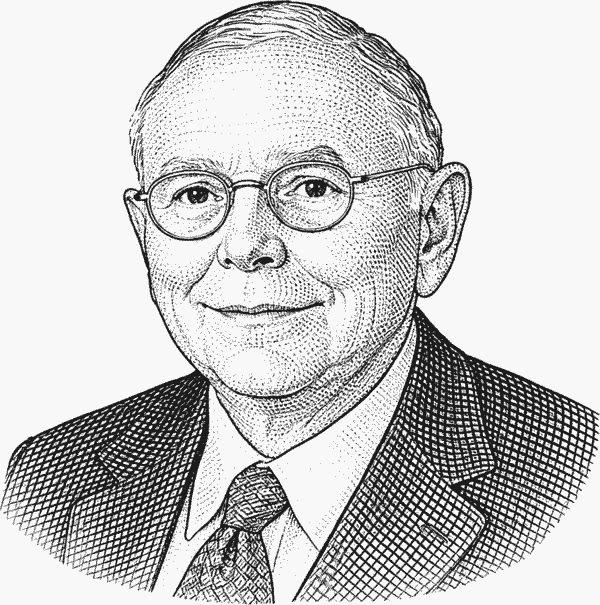
Charlie Munger quote portrait about psychology

Charlie Munger

People calculate too much and think too little.

Source: Art of Stock Picking

Core idea

Munger warns that many investors obsess over precise calculations and models instead of using worldly wisdom, judgment, and common sense to truly understand businesses and investment risks.

Practical application

To be a better investor, spend less time perfecting spreadsheets and more time truly understanding businesses, incentives, competition, and human behavior before you commit your money.

Why it matters

The special insight is that superior investing comes from deep qualitative understanding and sound judgment, not from ever-fancier calculations detached from real-world businesses, incentives, and human nature.

Charlie Munger quote portrait about psychology, business

Charlie Munger

Incentives drive behavior.

Source: Art of Stock Picking

Core idea

People reliably do what rewards them most, so if you want to predict or change behavior, follow and design the incentives that shape their choices and priorities.

Practical application

To become a better investor, rigorously study the incentives driving management, employees, and intermediaries, because their payoffs often predict future decisions, risks, and long-term shareholder outcomes.

Why it matters

The special insight is that human behavior is systematically shaped by reward structures, so understanding and engineering incentives is the most reliable lever for predicting and influencing outcomes.

Charlie Munger quote portrait about psychology, business

Charlie Munger

You have to figure out your circle of competence.

Source: Art of Stock Picking

Core idea

Understand what you truly know well, stay within that circle when making decisions, and avoid overconfidence in unfamiliar areas to improve judgment and long-term results.

Practical application

Apply Mungers insight by investing only in businesses you deeply understand, calmly passing on confusing opportunities so your capital compounds where your knowledge and judgment are strongest.

Why it matters

The insight is that self-knowledge about what you truly understand, and disciplined restraint outside it, is a powerful edge for making consistently superior, low-risk decisions.

Charlie Munger quote portrait about investing, psychology

Charlie Munger

A lot of people with high IQs are terrible investors because they've got terrible temperaments. You need to keep raw, irrational emotion under control.

Source: Speeches / Essays

Core idea

Investment success depends more on emotional discipline and temperament than on intelligence; controlling impulsive, irrational reactions is crucial for making sound, long-term financial decisions.

Practical application

To be a better investor, practice patience, avoid emotional trading, stick to your researched plan, and stay calm during market swings instead of reacting impulsively to short-term noise.

Why it matters

True investment edge lies in mastering your own psychology; by subduing fear, greed, and impatience, average intelligence can outperform brilliance undone by emotional volatility.

Charlie Munger quote portrait about psychology, business

Charlie Munger

Getting incentives right is critical.

Source: Art of Stock Picking

Core idea

When incentives align with desired outcomes, people naturally behave in ways that drive lasting success, so designing correct rewards often matters more than rules, intentions, or intelligence.

Practical application

As an investor, study incentives driving executives, employees, and competitors; aligned pay, ownership, and culture usually predict durable performance far better than glossy presentations, optimism, or surface-level metrics.

Why it matters

Munger reveals that incentives quietly script behavior; by understanding and engineering them correctly, you can predict outcomes and build durable advantages far better than through analysis or intelligence alone.

Charlie Munger quote portrait about psychology

Charlie Munger

Most people try to know everything about everything. That is a totally insane approach.

Source: Art of Stock Picking

Core idea

Focus deeply on a few important domains where you have an edge, instead of spreading yourself thin trying to know everything superficially about every possible subject.

Practical application

As an investor, stop chasing every hot topic; instead, specialize deeply in a few areas you truly understand, so your decisions leverage real insight rather than scattered trivia.

Why it matters

True advantage comes from deep, focused expertise in a narrow circle of competence, not from shallow familiarity with many fields that yields no durable, decision-ready insight.

Joel Greenblatt quote portrait about psychology, investing

Joel Greenblatt

Patience is the key to successful investing.

Source: The Little Book That Beats the Market

Core idea

Lasting investing success comes from patiently holding undervalued, quality businesses long enough for their true worth to be recognized, rather than constantly reacting to short-term market noise.

Practical application

Apply this by buying strong, undervalued companies, then patiently holding through volatility, ignoring headlines and short-term price swings, and letting time and compounding reveal their true value.

Why it matters

True investing edge comes from disciplined inaction: buying quality undervalued businesses, then letting time, fundamentals, and compounding work instead of reacting to every market fluctuation.

Joel Greenblatt quote portrait about psychology, investing

Joel Greenblatt

The biggest enemy of investors is themselves.

Source: The Little Book That Beats the Market

Core idea

Greenblatt warns that emotions, impatience, and undisciplined behavior often derail rational strategies, so investors typically harm their own results more than external market forces do.

Practical application

To be a better investor, build rules, automate decisions, and precommit to your strategy so that fear, greed, and impatience cannot hijack your long-term plan.

Why it matters

Greenblatt highlights that disciplined process, not superior prediction, is the real edge; investors win mainly by shielding sound strategies from their own emotional and behavioral interference.

Joel Greenblatt quote portrait about psychology, investing

Joel Greenblatt

Most investors fail because they chase performance.

Source: The Little Book That Beats the Market

Core idea

The core idea is that investors hurt returns by abandoning sound strategies to chase recently hot stocks or funds instead of consistently following disciplined, long-term investment principles.

Practical application

To be a better investor, pick a sensible long-term strategy, stick with it through boring or bad years, and refuse to chase whatever has recently gone up the most.

Why it matters

The special insight is that disciplined consistency, not reacting to short-term outperformance, is what actually captures a strategy's edge and prevents self-inflicted damage to long-run returns.

Joel Greenblatt quote portrait about psychology, investing

Joel Greenblatt

Most people cannot stick with a strategy that is simple but uncomfortable.

Source: The Little Book That Beats the Market

Core idea

Simple, rules-based investing can work well, but lasting success requires emotional discipline to follow the strategy through inevitable periods of underperformance, doubt, and discomfort.

Practical application

To be a better investor, commit to a simple, proven strategy and train yourself to endure painful drawdowns, doubt, and boredom instead of constantly chasing new ideas or shortcuts.

Why it matters

The special insight is that long-term investment success depends less on complex strategies and more on the rare emotional discipline to persist with simple rules during uncomfortable underperformance.

Brett Owens quote portrait about investing, psychology

Brett Owens

When chaos hits, most investors panic - but that's exactly when contrarians go shopping.

Source: Outlook

Core idea

Market panic creates bargain prices; while typical investors flee in fear, contrarians recognize the opportunity, buy quality assets cheaply, and profit when conditions stabilize.

Practical application

When headlines scream crisis and others sell in fear, calmly buy strong, undervalued businesses instead, then hold patiently as markets normalize and prices recover.

Why it matters

The insight is that emotional overreactions in markets distort prices, letting disciplined contrarians buy quality assets at deep discounts and reap outsized gains when sentiment inevitably recovers.

Brett Owens quote portrait about investing, psychology

Brett Owens

Everyone thinks they can handle volatility - until the market punches them in the face.

Source: Outlook

Core idea

People overestimate their emotional tolerance for market swings; real volatility exposes their true risk comfort level, often causing panic selling and poor decisions when losses feel painfully real.

Practical application

Use this quote as a reminder to size positions and choose strategies for the volatility you can truly stomach, not the risk level you imagine you can handle.

Why it matters

This quote spotlights the gap between imagined and real risk tolerance, urging investors to align strategies with their true emotional limits revealed only during harsh market downturns.

Brett Owens quote portrait about markets, psychology

Brett Owens

Fear creates discounts - and discounts create opportunity.

Source: Outlook

Core idea

Market panic often pushes asset prices below their true value; investors who stay rational during fear-driven selloffs can buy quality investments at discounts and profit when prices normalize.

Practical application

When markets panic and prices plunge, calmly research strong companies, buy them at discounted valuations, and hold patiently so you profit when fear fades and prices recover.

Why it matters

The special insight is that emotionally driven market fear misprices quality assets, rewarding patient, rational investors who buy during panic and wait for valuations to normalize.

Howard Marks quote portrait about investing, psychology

Howard Marks

Value is not a number - it's an opinion. When optimism prevails, prices can exceed value. When pessimism dominates, prices can fall below value.

Source: Memos

Core idea

Value is subjective and shifts with investor psychology; market prices swing above or below true worth depending on prevailing optimism or pessimism, so price and value often diverge.

Practical application

Use this quote by constantly asking what assumptions and emotions drive current prices, then buy only when your independent estimate of value comfortably exceeds the market price.

Why it matters

The quote reveals that value is a moving target shaped by crowd psychology, so disciplined investors can profit by exploiting emotional mispricings between perception and underlying worth.

Howard Marks quote portrait about investing, psychology

Howard Marks

Investor psychology is highly contagious.

Source: Memos

Core idea

Investor psychology spreads quickly through markets, causing individuals to adopt shared optimism or fear, often amplifying price swings and detaching asset values from underlying fundamentals.

Practical application

Remember that crowds swing between greed and fear; by staying rational, independent, and patient when others overreact, you protect yourself from herd behavior and improve long-term returns.

Why it matters

The insight is that market moves often stem from contagious emotions, so disciplined investors can gain an edge by resisting herd psychology and acting on fundamentals instead.

Howard Marks quote portrait about investing, psychology

Howard Marks

Cycles are one of the most dependable features of the investment world.

Source: Memos

Core idea

Markets are never static; prices, sentiment, and fundamentals repeatedly swing between extremes, so investors must anticipate and adapt to recurring cycles instead of expecting straight-line progress.

Practical application

By recognizing that markets always move in cycles, you can avoid chasing euphoria or panicking in despair, instead patiently positioning yourself for the next inevitable swing.

Why it matters

The special insight is that recurring market cycles make extremes of fear and greed predictable, allowing disciplined investors to profit by acting contrary to prevailing sentiment.

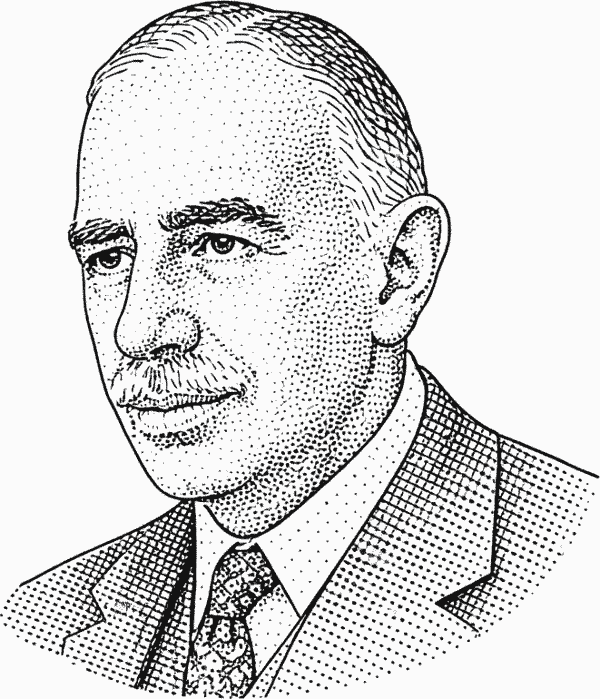
John Maynard Keynes quote portrait about investing, psychology

John Maynard Keynes

Investing is an activity of forecasting the yield over the life of the asset; speculation is the activity of forecasting the psychology of the market.

Source: Speeches / Essays

Core idea

Keynes contrasts true investing, which focuses on an assets long-term productive returns, with speculation, which focuses on predicting and exploiting short-term shifts in market sentiment.

Practical application

Apply this by studying businesses and their long-term cash flows, not daily price swings, so your decisions rely on real value instead of trying to outguess short-term market moods.

Why it matters

Keynes insightfully distinguishes real investing from speculation, revealing that lasting success comes from understanding intrinsic value and long-term cash flows rather than chasing crowd-driven price movements.

Howard Marks quote portrait about investing, psychology

Howard Marks

The pendulum swings between optimism and pessimism. Markets are driven by swings in psychology, not just fundamentals.

Source: Memos

Core idea

Markets are shaped less by objective fundamentals than by recurring emotional extremes, as investor psychology repeatedly swings like a pendulum between excessive optimism and excessive pessimism.

Practical application

To become a better investor, watch where the psychology pendulum is swinging, and aim to buy when fear dominates and sell or hold back when euphoria takes over.

Why it matters

The special insight is that durable investment edge comes less from superior analysis of fundamentals and more from recognizing, resisting, and exploiting the markets recurring emotional extremes.

John Maynard Keynes quote portrait about markets, psychology

John Maynard Keynes

Once doubt begins it spreads rapidly.

Source: Speeches / Essays

Core idea

Keynes warns that uncertainty, once introduced, quickly multiplies through minds and markets, undermining confidence, destabilizing decisions, and intensifying economic or social crises beyond the initial doubt.

Practical application

As an investor, guard your mindset; once you start doubting your strategy without evidence, that fear can snowball into emotional decisions, unnecessary trades, and long-term underperformance.

Why it matters

Keynes illuminates how doubt behaves like contagion, rapidly amplifying risk perceptions and cascading through decisions, so mastering psychological resilience becomes as crucial as analytical skill.

Michael Foster quote portrait about investing, psychology

Michael Foster

The best time to buy income is when it feels the least comfortable.

Source: Outlook

Core idea

Real income investing opportunities often appear when markets are fearful or pessimistic, so the most profitable time to buy income assets is when it feels emotionally hardest to act.

Practical application

Apply this by setting clear rules to buy strong income assets when prices drop and news feels scary, relying on research and discipline instead of your emotions.

Why it matters

The insight is that true income value emerges in fearful markets, rewarding disciplined investors who buy quality yield precisely when emotions and headlines scream to stay away.

John Maynard Keynes quote portrait about markets, psychology

John Maynard Keynes

The markets are moved by animal spirits, and not by reason.

Source: Speeches / Essays

Core idea

Keynes suggests financial markets are driven largely by human emotions, instincts, and irrational confidence or fear, rather than by careful calculation, objective information, or purely rational expectations.

Practical application

To be a better investor, accept that markets swing on emotion, so build rules, diversify, and stay disciplined instead of reacting impulsively to fear or excitement.

Why it matters

Keynes insightfully reveals that financial markets mirror human psychology, showing that collective emotion often overwhelms rational analysis, so understanding sentiment can be as crucial as analyzing fundamentals.

Bruce Kovner quote portrait about psychology

Bruce Kovner

The emotional burden of trading is substantial; on any given day, I could lose millions of dollars. If you personalize these losses, you can't trade.

Source: Speeches / Essays

Core idea

Successful trading demands emotional detachment; you must treat even huge losses as impersonal business risks, not reflections of your identity, or they will cripple your decision-making.

Practical application

To be a better investor, treat gains and losses as business outcomes, not personal verdicts, so emotions do not cloud your judgment or push you into impulsive decisions.

Why it matters

The insight is that durable success in markets requires emotional neutrality, viewing even massive losses as impersonal probabilities rather than personal failures, preserving clarity and discipline under extreme stress.

What this category teaches

How to Use Psychology Quotes Well

Read for patterns

The strongest lessons usually repeat. Compare how multiple thinkers approach psychology and look for ideas that keep resurfacing.

Turn ideas into checklists

The best use of a page like this is practical. Let a quote refine how you value a business, frame risk, study management, or respond to market emotion.

Frequently asked questions

Questions About Psychology Quotes

What are psychology quotes?

Psychology quotes is quotations that revolve around the theme of psychology and help readers revisit durable principles on that subject.

Why study psychology quotes?

Because durable ideas become more useful when readers see how different thinkers express the same theme from different angles.

How should I use this page?

Read slowly, compare recurring patterns, and decide which ideas belong on your own checklist.

Are these quotes investment advice?

No. They are educational material designed to help readers think more clearly about business and investing principles.

Can I browse by author too?

Yes. Usethe authors indexto study one thinker in depth, then return to category pages to compare perspectives.