Business & Investing Quotes

ProfitQuotes: Timeless Business and Investing Wisdom

The best business and investing quotes survive because they condense long experience into language you can remember when judgment matters most. This collection focuses on enduring ideas around investing, business strategy, valuation, market psychology, not as slogans to admire from a distance, but as working principles that can improve how readers analyze businesses, think about markets, and make decisions over time. A truly useful quote does more than sound wise. It clarifies what deserves attention when headlines become noisy, prices become emotional, or a complex decision needs to be reduced to first principles. That is why serious investors and business builders keep returning to memorable lines from disciplined thinkers. They use them to sharpen checklists, reinforce patience, and remember what usually matters more than the latest market move. Each quote on this page is paired with context, practical application, and a deeper explanation so the lesson does not remain abstract. Read these selections slowly. Ask what each one implies about process, valuation, risk, incentives, or temperament. The goal is not to collect clever sentences. The goal is to build a sturdier mental framework for acting well under pressure. Over time, the readers who benefit most from pages like this are the ones who revisit durable ideas until they become habits. Capital compounds, but so does judgment. Returning to the right ideas again and again is one way thoughtful readers improve both.

Featured collection

12 Ideas Worth Revisiting

A curated set of 12 quotes, each paired with context, practical application, and deeper insight.

1 of 12
It's possible to collect generous payouts and grow your principal at the same time.

Core idea

The core idea is that smart income investing can deliver substantial, reliable cash payouts while the underlying investments appreciate, allowing you to enjoy current income and long-term wealth growth simultaneously.

Practical application

Apply this by targeting strong, cash-generating businesses or funds that steadily raise payouts, reinvesting surplus income so your dividend checks and portfolio value grow together over time.

Why it matters

This quote reveals the powerful insight that investors do not need to choose between income and growth; disciplined, high-quality income strategies can compound both simultaneously.


The essence of investment management is the management of risks, not the management of returns.

Core idea

Successful investing focuses on carefully controlling potential losses and uncertainties, because protecting capital and avoiding ruin matters more for long-term success than chasing the highest possible returns.

Practical application

Apply this by prioritizing diversification, margin of safety, and avoiding big permanent losses, so your portfolio can compound steadily instead of gambling on risky, unpredictable high-return bets.

Why it matters

True investment wisdom is recognizing that survival and preservation of capital, through disciplined risk control, ultimately generate more reliable long-term wealth than aggressively pursuing maximum returns.

Investing is not about being right all the time.

Core idea

Long-term investment success comes from a sound, repeatable process and favorable odds, not from correctly predicting every outcome or being right on each individual stock.

Practical application

Apply this by focusing on a disciplined, repeatable strategy with positive odds, accepting some losses as normal instead of constantly chasing perfect stock picks or short-term wins.

Why it matters

The special insight is that consistent wealth comes from a repeatable process with positive expected returns, not from flawless predictions or being right on every individual investment decision.

We don't need activity.

Core idea

Buffett emphasizes patient, disciplined investing, arguing that frequent trading and constant activity often hurt returns; real success comes from thoughtful decisions, long holding periods, and avoiding unnecessary moves.

Practical application

Apply Buffetts quote by resisting the urge to trade constantly; instead, research carefully, buy quality businesses, hold them patiently, and let compounding quietly build your long-term wealth.

Why it matters

The special insight is that disciplined inaction can be more powerful than constant effort; patiently holding well-chosen investments often outperforms frenetic trading and the illusion of productive busyness.

Many unsuccessful investors regard the stock market as a way to make money without working rather than as a way to invest capital in order to earn a decent return.

Core idea

Investing is about soberly allocating capital for reasonable long-term returns, not treating the stock market as an easy, effortless shortcut to quick wealth without real work.

Practical application

Apply this by treating every investment as a business decision: study fundamentals, demand a margin of safety, expect modest long-term returns, and never confuse speculation with genuine investing.

Why it matters

The special insight is that true investing requires disciplined analysis and realistic expectations, while chasing effortless, rapid profits turns the stock market into a dangerous substitute for real work.

Most money is made from a few good decisions.

Core idea

Wealth usually comes from a small number of unusually good, patient decisions, not from constant activity, so focus on rare high-quality opportunities and avoid frequent impulsive choices.

Practical application

As an investor, concentrate on patiently spotting a few exceptional businesses, invest meaningfully when odds are clearly in your favor, then sit tight instead of constantly trading or chasing noise.

Why it matters

Enduring wealth stems from recognizing that a tiny fraction of carefully chosen, high-conviction decisions drives most results, making disciplined selectivity far more powerful than constant, scattered effort.

Far more money has been lost by investors trying to anticipate corrections, than lost in the corrections themselves.

Core idea

Trying to time market downturns usually causes investors to miss gains or sell too early, ultimately losing more money than simply staying invested through normal market corrections.

Practical application

Apply it by staying invested in quality assets, following a long-term plan, and avoiding emotional market timing that often destroys more wealth than normal downturns ever do.

Why it matters

The insight is that defensive market timing driven by fear often inflicts greater long-term damage than enduring routine declines, so discipline and consistent participation usually outperform tactical exit strategies.

As long as the market is rising, trading can seem lucrative. But essentially it is speculating, not investing.

Core idea

Riding a rising market by frequent trading may look profitable, but without careful analysis of underlying value it is mere speculation, not true long-term investing.

Practical application

In real life, focus on studying businesses and buying below intrinsic value, instead of chasing quick gains in a rising market, to build durable, less risky wealth.

Why it matters

True investing demands valuation-based discipline; profiting from a rising market without analyzing intrinsic worth is just speculation disguised as skill and leaves you exposed when conditions reverse.

The most important thing about an investment philosophy is that you have one.

Core idea

An investment philosophy gives you a consistent framework for making decisions, staying disciplined through market ups and downs, and avoiding emotional, impulsive choices that undermine long-term results.

Practical application

Apply this by writing down a simple, rules-based investment plan and committing to follow it consistently, especially during market stress, instead of reacting emotionally to headlines or price swings.

Why it matters

The special insight is that a clear, predefined investment philosophy acts as a stabilizing compass, preventing emotional decision-making and supporting rational, long-term wealth-building through all market conditions.

Experience taught me a few things. One is to listen to your gut, no matter how good something sounds on paper. The second is that you're generally better off sticking with what you know. And the third is that sometimes your best investments are the ones you don't make.

Core idea

Trust intuition over theory, rely on proven strengths, and recognize that disciplined restraint and opportunities you decline can be as valuable as the investments you choose.

Practical application

Apply this by double-checking numbers against your gut, focusing capital where you have an edge, and remembering that patiently saying no often protects and grows wealth.

Why it matters

True wisdom in investing is balancing analysis with intuition, concentrating on familiar strengths, and realizing that disciplined inaction and missed deals can be the most profitable moves.

If investing is entertaining, if you're having fun, you're probably not making any money. Good investing is boring.

Core idea

Successful investing relies on disciplined, methodical decisions based on analysis and risk management, not excitement or entertainment; profitable strategies usually feel routine, cautious, and even boring.

Practical application

To become a better investor, embrace consistent research, patience, and risk control, realizing that slow, steady, and sometimes boring decisions usually build the most reliable long-term wealth.

Why it matters

The insight is that emotional excitement and constant action often signal poor discipline, while dull, systematic investing habits quietly compound into sustainable wealth and reduced long-term risk.

Anyone who is not investing now is missing a tremendous opportunity.

Core idea

The core idea is that periods of uncertainty or change create rare chances to build wealth, so delaying investment means forfeiting significant future gains and financial growth.

Practical application

Apply this by steadily investing during uncertainty instead of waiting for perfect conditions; disciplined action now lets you buy quality assets cheaper and compound gains others miss.

Why it matters

The special insight is that hesitation during turbulent times destroys future wealth, while decisive investing now captures rare discounts and long-term compounding others are too fearful to seize.

Start here

Explore the Site by Theme

Editorial approach

Every quote is paired with a core idea, practical application, and a short explanation of why it matters so readers can move from admiration to application.

Full collection

Read Every Quote with Context

For readers who prefer to study rather than skim, here is the complete set in a clean reading format.

Brett Owens quote portrait about saving, investing

Brett Owens

It's possible to collect generous payouts and grow your principal at the same time.

Source:

Core idea

The core idea is that smart income investing can deliver substantial, reliable cash payouts while the underlying investments appreciate, allowing you to enjoy current income and long-term wealth growth simultaneously.

Practical application

Apply this by targeting strong, cash-generating businesses or funds that steadily raise payouts, reinvesting surplus income so your dividend checks and portfolio value grow together over time.

Why it matters

This quote reveals the powerful insight that investors do not need to choose between income and growth; disciplined, high-quality income strategies can compound both simultaneously.

Benjamin Graham quote portrait about risk, investing

Benjamin Graham

The essence of investment management is the management of risks, not the management of returns.

Source: The Intelligent Investor

Core idea

Successful investing focuses on carefully controlling potential losses and uncertainties, because protecting capital and avoiding ruin matters more for long-term success than chasing the highest possible returns.

Practical application

Apply this by prioritizing diversification, margin of safety, and avoiding big permanent losses, so your portfolio can compound steadily instead of gambling on risky, unpredictable high-return bets.

Why it matters

True investment wisdom is recognizing that survival and preservation of capital, through disciplined risk control, ultimately generate more reliable long-term wealth than aggressively pursuing maximum returns.

Joel Greenblatt quote portrait about investing

Joel Greenblatt

Investing is not about being right all the time.

Source: The Little Book That Beats the Market

Core idea

Long-term investment success comes from a sound, repeatable process and favorable odds, not from correctly predicting every outcome or being right on each individual stock.

Practical application

Apply this by focusing on a disciplined, repeatable strategy with positive odds, accepting some losses as normal instead of constantly chasing perfect stock picks or short-term wins.

Why it matters

The special insight is that consistent wealth comes from a repeatable process with positive expected returns, not from flawless predictions or being right on every individual investment decision.

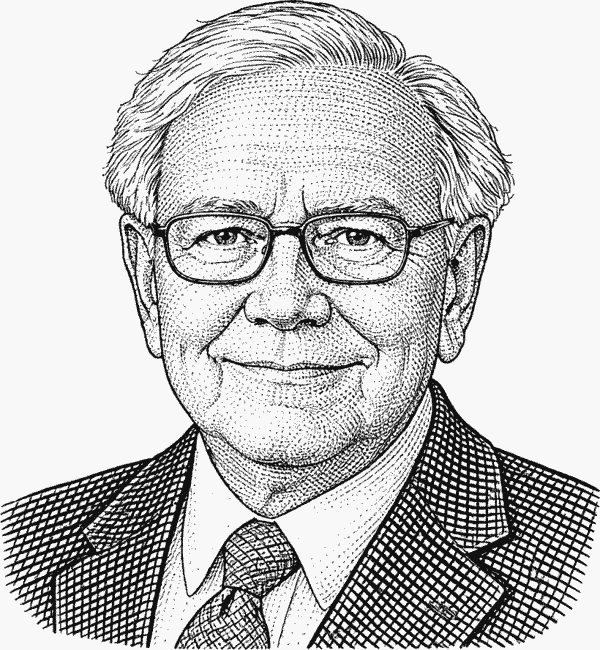
Warren Buffett quote portrait about investing, psychology

Warren Buffett

We don't need activity.

Source: Berkshire Hathaway Letters

Core idea

Buffett emphasizes patient, disciplined investing, arguing that frequent trading and constant activity often hurt returns; real success comes from thoughtful decisions, long holding periods, and avoiding unnecessary moves.

Practical application

Apply Buffetts quote by resisting the urge to trade constantly; instead, research carefully, buy quality businesses, hold them patiently, and let compounding quietly build your long-term wealth.

Why it matters

The special insight is that disciplined inaction can be more powerful than constant effort; patiently holding well-chosen investments often outperforms frenetic trading and the illusion of productive busyness.

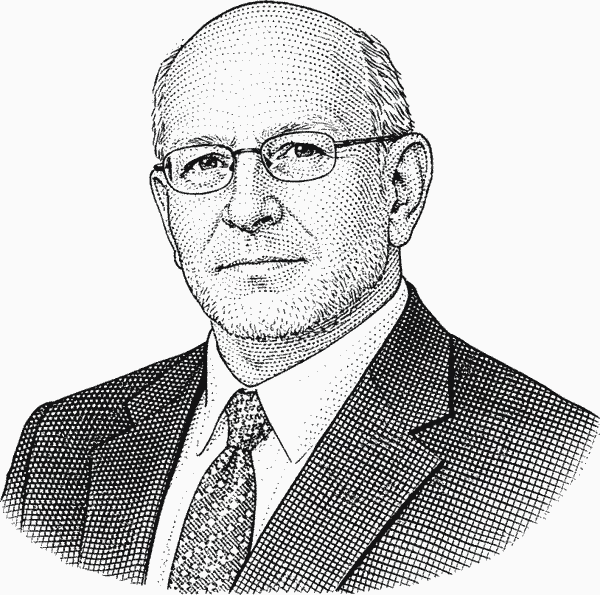
Seth Klarman quote portrait about markets, investing

Seth Klarman

Many unsuccessful investors regard the stock market as a way to make money without working rather than as a way to invest capital in order to earn a decent return.

Source: Margin of Safety

Core idea

Investing is about soberly allocating capital for reasonable long-term returns, not treating the stock market as an easy, effortless shortcut to quick wealth without real work.

Practical application

Apply this by treating every investment as a business decision: study fundamentals, demand a margin of safety, expect modest long-term returns, and never confuse speculation with genuine investing.

Why it matters

The special insight is that true investing requires disciplined analysis and realistic expectations, while chasing effortless, rapid profits turns the stock market into a dangerous substitute for real work.

Charlie Munger quote portrait about investing

Charlie Munger

Most money is made from a few good decisions.

Source: Art of Stock Picking

Core idea

Wealth usually comes from a small number of unusually good, patient decisions, not from constant activity, so focus on rare high-quality opportunities and avoid frequent impulsive choices.

Practical application

As an investor, concentrate on patiently spotting a few exceptional businesses, invest meaningfully when odds are clearly in your favor, then sit tight instead of constantly trading or chasing noise.

Why it matters

Enduring wealth stems from recognizing that a tiny fraction of carefully chosen, high-conviction decisions drives most results, making disciplined selectivity far more powerful than constant, scattered effort.

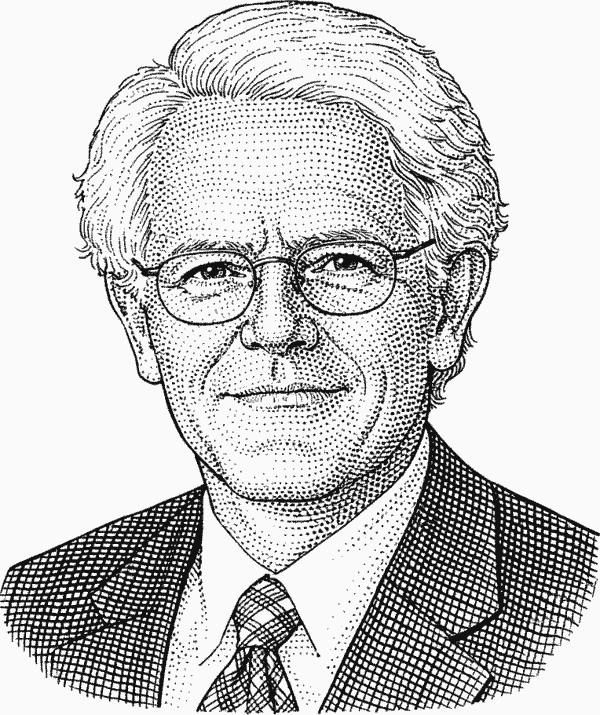
Peter Lynch quote portrait about investing

Peter Lynch

Far more money has been lost by investors trying to anticipate corrections, than lost in the corrections themselves.

Source: Speeches / Essays

Core idea

Trying to time market downturns usually causes investors to miss gains or sell too early, ultimately losing more money than simply staying invested through normal market corrections.

Practical application

Apply it by staying invested in quality assets, following a long-term plan, and avoiding emotional market timing that often destroys more wealth than normal downturns ever do.

Why it matters

The insight is that defensive market timing driven by fear often inflicts greater long-term damage than enduring routine declines, so discipline and consistent participation usually outperform tactical exit strategies.

Benjamin Graham & David Dodd quote portrait about markets, investing

Benjamin Graham & David Dodd

As long as the market is rising, trading can seem lucrative. But essentially it is speculating, not investing.

Source: Security Analysis

Core idea

Riding a rising market by frequent trading may look profitable, but without careful analysis of underlying value it is mere speculation, not true long-term investing.

Practical application

In real life, focus on studying businesses and buying below intrinsic value, instead of chasing quick gains in a rising market, to build durable, less risky wealth.

Why it matters

True investing demands valuation-based discipline; profiting from a rising market without analyzing intrinsic worth is just speculation disguised as skill and leaves you exposed when conditions reverse.

David Booth quote portrait about investing

David Booth

The most important thing about an investment philosophy is that you have one.

Source: Speeches / Essays

Core idea

An investment philosophy gives you a consistent framework for making decisions, staying disciplined through market ups and downs, and avoiding emotional, impulsive choices that undermine long-term results.

Practical application

Apply this by writing down a simple, rules-based investment plan and committing to follow it consistently, especially during market stress, instead of reacting emotionally to headlines or price swings.

Why it matters

The special insight is that a clear, predefined investment philosophy acts as a stabilizing compass, preventing emotional decision-making and supporting rational, long-term wealth-building through all market conditions.

Donald Trump quote portrait about investing, long-term

Donald Trump

Experience taught me a few things. One is to listen to your gut, no matter how good something sounds on paper. The second is that you're generally better off sticking with what you know. And the third is that sometimes your best investments are the ones you don't make.

Source: Speeches / Essays

Core idea

Trust intuition over theory, rely on proven strengths, and recognize that disciplined restraint and opportunities you decline can be as valuable as the investments you choose.

Practical application

Apply this by double-checking numbers against your gut, focusing capital where you have an edge, and remembering that patiently saying no often protects and grows wealth.

Why it matters

True wisdom in investing is balancing analysis with intuition, concentrating on familiar strengths, and realizing that disciplined inaction and missed deals can be the most profitable moves.

George Soros quote portrait about investing

George Soros

If investing is entertaining, if you're having fun, you're probably not making any money. Good investing is boring.

Source: Speeches / Essays

Core idea

Successful investing relies on disciplined, methodical decisions based on analysis and risk management, not excitement or entertainment; profitable strategies usually feel routine, cautious, and even boring.

Practical application

To become a better investor, embrace consistent research, patience, and risk control, realizing that slow, steady, and sometimes boring decisions usually build the most reliable long-term wealth.

Why it matters

The insight is that emotional excitement and constant action often signal poor discipline, while dull, systematic investing habits quietly compound into sustainable wealth and reduced long-term risk.

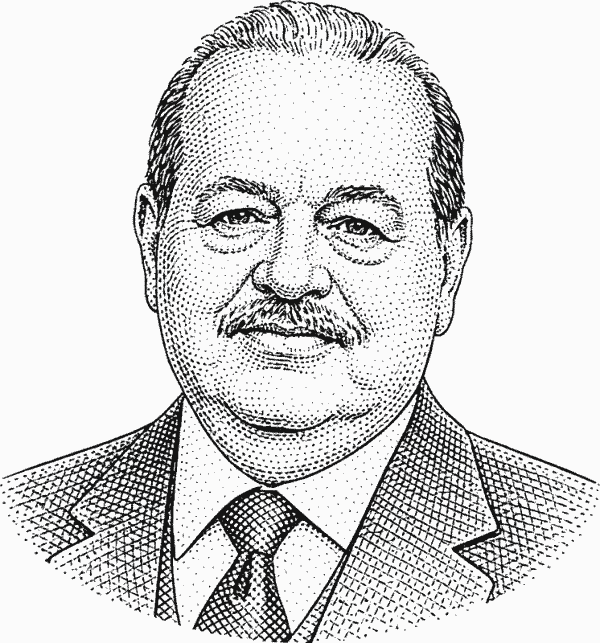
Carlos Slim quote portrait about investing

Carlos Slim

Anyone who is not investing now is missing a tremendous opportunity.

Source: Speeches / Essays

Core idea

The core idea is that periods of uncertainty or change create rare chances to build wealth, so delaying investment means forfeiting significant future gains and financial growth.

Practical application

Apply this by steadily investing during uncertainty instead of waiting for perfect conditions; disciplined action now lets you buy quality assets cheaper and compound gains others miss.

Why it matters

The special insight is that hesitation during turbulent times destroys future wealth, while decisive investing now captures rare discounts and long-term compounding others are too fearful to seize.

Frequently asked questions

Frequently Asked Questions

What is ProfitQuotes?

ProfitQuotes is a curated library of famous business and investing quotes paired with commentary, practical application, and deeper insight.

How should readers use this site?

Use the topic pages for broad themes, then go deeper with author pages when you want to study one thinker in detail.

Are the quotes investment advice?

No. The site is educational and is designed to help readers think more clearly about investing and business principles.

Which pages should new readers start with?

Most readers begin with Investing Quotes, Business Quotes, Value Investing, Stock Market Quotes, and Markets & Psychology.

Why include commentary under each quote?

Commentary helps turn a memorable line into a usable decision-making tool instead of a disconnected slogan.

Does the site cover only famous investors?

No. It includes famous investors, business operators, economists, and other thinkers whose ideas remain useful to serious readers.

Can I browse by author?

Yes. The Authors index links to dedicated pages for every thinker represented in the collection.