Category

Markets Quotes for Thoughtful Readers

This collection of markets quotes is designed to go beyond surface-level inspiration and instead provide practical insight into how experienced investors and business leaders think. While individual quotes can be powerful on their own, their real value often comes from seeing them together—revealing patterns that repeat across different contexts and time periods. In this category, the quotations focus on key ideas that shape real-world decision-making. These might include how to assess risk, how to think about value, or how to maintain discipline when conditions are uncertain. By reading them as a group, it becomes easier to identify the underlying principles that guide consistent performance. One of the most useful ways to approach these quotes is to treat them as mental checklists. When facing a decision, revisit the themes presented here and ask how they apply. Over time, this habit helps convert abstract wisdom into practical action. This collection also connects naturally with other areas of investing and business. Ideas about markets rarely exist in isolation—they interact with psychology, markets, and long-term thinking. By recognizing those connections, readers can build a more complete framework for understanding complex situations. Ultimately, the goal is not just to remember the quotes, but to internalize the thinking behind them. When that happens, the lessons become durable—and far more valuable than any single line on its own.

1 of 12
You cannot predict markets.

Core idea

Market movements are inherently unpredictable, so successful investors should avoid forecasting short-term prices and instead focus on long-term business fundamentals, value, and risk management.

Practical application

Instead of guessing short-term price moves, study businesses, buy when value comfortably exceeds price, diversify sensibly, and hold patiently so fundamentals, not predictions, drive your returns.

Why it matters

The special insight is that enduring investment success comes from disciplined focus on business value and risk, not from trying to outguess inherently unpredictable short-term market moves.
The market is a voting machine in the short run.

Core idea

In the short term, stock prices reflect popularity, emotions, and crowd opinion, not true business value, so markets can misprice companies before fundamentals eventually prevail.

Practical application

Use this quote to stay calm during market swings, focus on business fundamentals over daily price moves, and treat volatility as opportunity, not a verdict on your decisions.

Why it matters

True investing edge comes from recognizing that markets misjudge value in the short term, allowing patient investors to profit when sentiment-driven mispricing realigns with business fundamentals.

The stock market is there to serve you, not instruct you.

Core idea

Buffett means investors should treat market prices as occasional opportunities, not authoritative guidance, and base decisions on independent business analysis rather than short-term market sentiment.

Practical application

Use market prices as a menu, not a teacher: buy when good businesses are on sale, ignore noisy swings, and let your own analysis, not crowd emotions, guide decisions.

Why it matters

Buffett highlights a mindset shift: treat market prices as temporary offers, not wisdom, and anchor decisions in intrinsic business value instead of fluctuating collective opinion.

I make no attempt to forecast the market; my efforts are devoted to finding undervalued securities.

Core idea

Buffett emphasizes ignoring short term market predictions and instead focusing disciplined research on identifying businesses trading below intrinsic value, where long term fundamentals outweigh temporary price fluctuations.

Practical application

Apply Buffett's idea by ignoring short-term market noise, patiently researching solid businesses, and buying only when their stock price is clearly below your estimate of intrinsic value.

Why it matters

The insight is that sustainable investing success comes from valuing businesses accurately and buying with a margin of safety, not from predicting short term market movements or timing.

Only buy something that you'd be perfectly happy to hold if the market shut down for 10 years.

Core idea

Invest in businesses you truly understand and believe in long term, prioritizing durable value and fundamentals over short-term market fluctuations, price quotes, or speculative trading opportunities.

Practical application

Before buying any stock, ask if you would confidently own the underlying business for a decade without checking prices; if not, reconsider your understanding, conviction, and time horizon.

Why it matters

The insight is that true investing means treating stocks as whole businesses, demanding deep understanding, durable advantages, and long-term confidence rather than reacting to daily market noise or price movements.

Short-term market forecasts are poison.

Core idea

Relying on short-term market predictions is dangerous because it distracts investors from business fundamentals, encourages speculation over discipline, and undermines sound, long-term investment decision making.

Practical application

To be a better investor, ignore short-term market forecasts and instead focus consistently on business fundamentals, long-term value, and disciplined investing habits that compound over time.

Why it matters

The insight is that obsessing over short-term forecasts misleads investors, while disciplined focus on durable business value and long-term compounding is the true source of superior investment results.

We don't want to depend on credit markets.

Core idea

Relying on strong internal cash generation instead of external borrowing gives a business resilience, control, and independence, especially during financial stress or dysfunctional credit markets.

Practical application

As an investor, favor companies and habits that generate ample internal cash, minimizing reliance on debt, so you stay resilient and opportunistic when credit markets freeze or conditions worsen.

Why it matters

The quote reveals that true financial strength comes from self-funded operations, freeing businesses and investors from fragile credit cycles and enabling decisive action when others are constrained.

Calling someone who trades actively in the market an investor is like calling someone who repeatedly engages in one-night stands a romantic.

Core idea

True investing is long-term, thoughtful ownership of businesses, while frequent short-term trading is speculative behavior that mimics investing only superficially without its commitment or discipline.

Practical application

To be a better investor, focus on patiently owning great businesses you understand, not on chasing quick trades that feel exciting but undermine discipline, analysis, and lasting wealth.

Why it matters

The quote reveals that genuine investing is defined by enduring commitment and informed ownership, while rapid trading merely imitates investing, sacrificing discipline, understanding, and long-term wealth creation.

We don't care about market forecasts.

Core idea

The core idea is that successful long-term investing depends on evaluating business fundamentals, not trying to predict or react to short-term market movements or economic forecasts.

Practical application

Apply this by ignoring pundit predictions, steadily buying strong businesses you understand, and holding them long term, focusing on earnings power, durability, and fair valuation instead of daily price moves.

Why it matters

The special insight is that forecasting markets is futile; durable success comes from calmly valuing real businesses and compounding in them, regardless of short-term economic noise.

Markets can stay irrational.

Core idea

Markets can behave unpredictably and ignore fundamentals longer than you can stay solvent, so patience, discipline, and risk management are crucial when investing against prevailing sentiment.

Practical application

Use this quote to remember: do not blindly fight market trends; size positions conservatively, manage risk tightly, and wait for clear confirmation instead of relying solely on fundamentals.

Why it matters

The insight is that even correct analyses can fail if markets defy logic longer than your capital lasts, so survival, prudence, and risk limits matter more than being right.

Forecasting tells you more about the forecaster.

Core idea

Forecasts mostly reveal the biases, assumptions, and limitations of the person making them, rather than providing reliable insight about what will actually happen in the future.

Practical application

As an investor, treat forecasts as mirrors of analysts' biases and incentives, not crystal balls; focus instead on fundamentals, risk management, and long-term discipline.

Why it matters

This quote reveals that predictions expose human psychology and incentive structures, teaching us to scrutinize who is speaking and why, rather than trusting the forecasted outcome itself.

The sillier the market's behavior, the greater the opportunity.

Core idea

Extreme market irrationality can create mispriced assets, allowing patient, rational investors to buy strong businesses at bargain prices and achieve superior long-term returns.

Practical application

When markets panic or surge irrationally, stay calm, study business fundamentals, and buy quality companies at discounts instead of following the crowd or reacting emotionally.

Why it matters

Buffett highlights that market irrationality is not a threat but a gift, enabling disciplined investors to exploit mispricing and transform widespread fear or euphoria into long-term advantage.

Full collection

Read All 104 Markets Quotes with Context

Readers who search for markets quotes is usually trying to make sense of volatility, sentiment, and opportunity. This page brings together perspectives that help separate price movement from underlying value and improve decision-making under uncertainty.

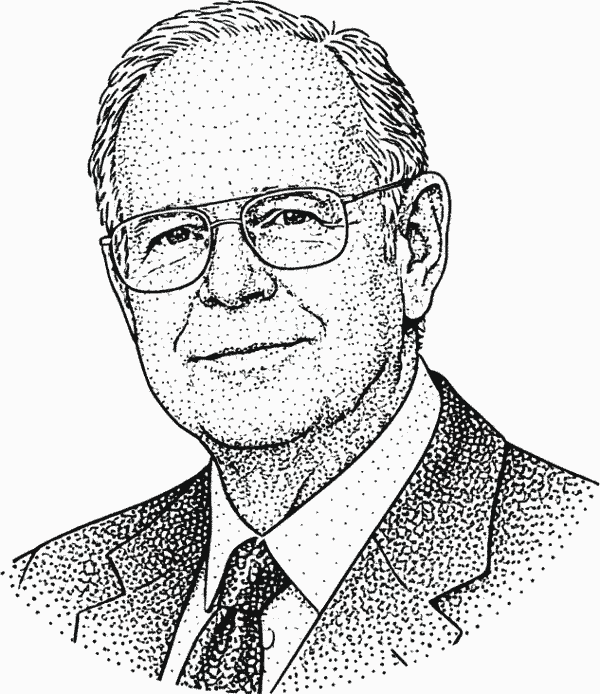
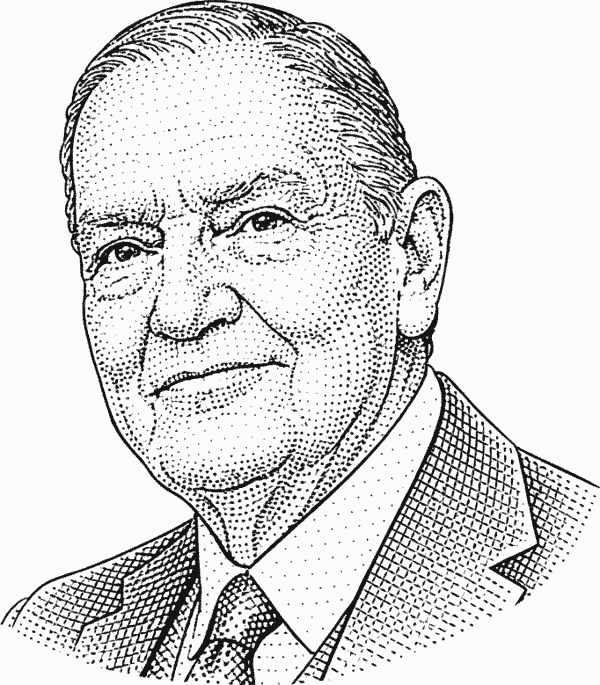
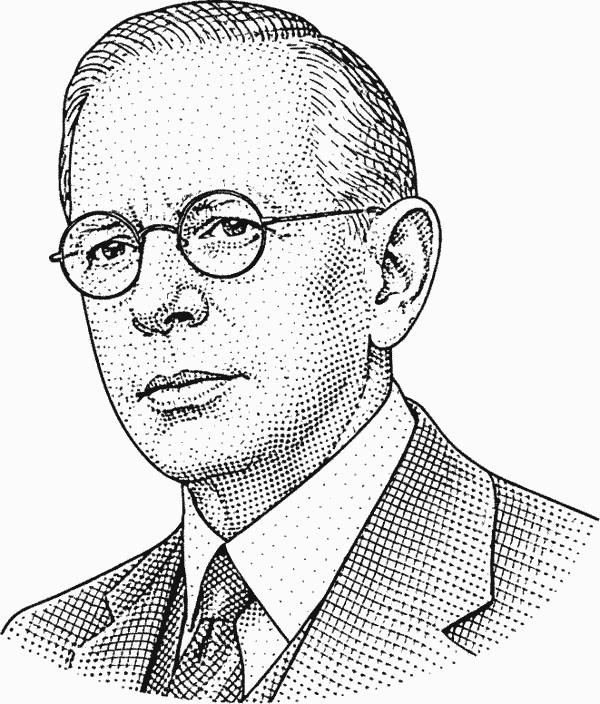
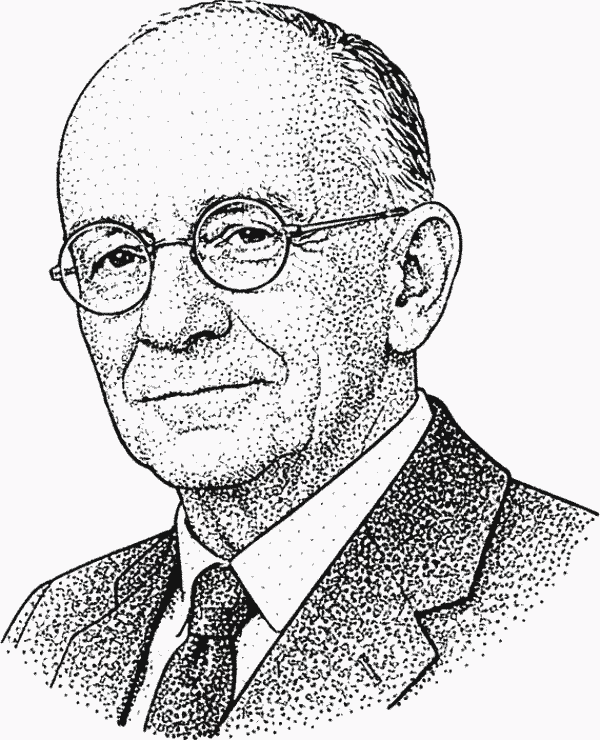
Warren Buffett quote portrait about markets

Warren Buffett

You cannot predict markets.

Source: Berkshire Hathaway Letters

Core idea

Market movements are inherently unpredictable, so successful investors should avoid forecasting short-term prices and instead focus on long-term business fundamentals, value, and risk management.

Practical application

Instead of guessing short-term price moves, study businesses, buy when value comfortably exceeds price, diversify sensibly, and hold patiently so fundamentals, not predictions, drive your returns.

Why it matters

The special insight is that enduring investment success comes from disciplined focus on business value and risk, not from trying to outguess inherently unpredictable short-term market moves.
Core idea

In the short term, stock prices reflect popularity, emotions, and crowd opinion, not true business value, so markets can misprice companies before fundamentals eventually prevail.

Practical application

Use this quote to stay calm during market swings, focus on business fundamentals over daily price moves, and treat volatility as opportunity, not a verdict on your decisions.

Why it matters

True investing edge comes from recognizing that markets misjudge value in the short term, allowing patient investors to profit when sentiment-driven mispricing realigns with business fundamentals.

Core idea

Buffett means investors should treat market prices as occasional opportunities, not authoritative guidance, and base decisions on independent business analysis rather than short-term market sentiment.

Practical application

Use market prices as a menu, not a teacher: buy when good businesses are on sale, ignore noisy swings, and let your own analysis, not crowd emotions, guide decisions.

Why it matters

Buffett highlights a mindset shift: treat market prices as temporary offers, not wisdom, and anchor decisions in intrinsic business value instead of fluctuating collective opinion.

Core idea

Buffett emphasizes ignoring short term market predictions and instead focusing disciplined research on identifying businesses trading below intrinsic value, where long term fundamentals outweigh temporary price fluctuations.

Practical application

Apply Buffett's idea by ignoring short-term market noise, patiently researching solid businesses, and buying only when their stock price is clearly below your estimate of intrinsic value.

Why it matters

The insight is that sustainable investing success comes from valuing businesses accurately and buying with a margin of safety, not from predicting short term market movements or timing.

Core idea

Invest in businesses you truly understand and believe in long term, prioritizing durable value and fundamentals over short-term market fluctuations, price quotes, or speculative trading opportunities.

Practical application

Before buying any stock, ask if you would confidently own the underlying business for a decade without checking prices; if not, reconsider your understanding, conviction, and time horizon.

Why it matters

The insight is that true investing means treating stocks as whole businesses, demanding deep understanding, durable advantages, and long-term confidence rather than reacting to daily market noise or price movements.

Warren Buffett quote portrait about markets

Warren Buffett

Short-term market forecasts are poison.

Source: Berkshire Hathaway Letters

Core idea

Relying on short-term market predictions is dangerous because it distracts investors from business fundamentals, encourages speculation over discipline, and undermines sound, long-term investment decision making.

Practical application

To be a better investor, ignore short-term market forecasts and instead focus consistently on business fundamentals, long-term value, and disciplined investing habits that compound over time.

Why it matters

The insight is that obsessing over short-term forecasts misleads investors, while disciplined focus on durable business value and long-term compounding is the true source of superior investment results.

Warren Buffett quote portrait about markets

Warren Buffett

We don't want to depend on credit markets.

Source: Berkshire Hathaway Letters

Core idea

Relying on strong internal cash generation instead of external borrowing gives a business resilience, control, and independence, especially during financial stress or dysfunctional credit markets.

Practical application

As an investor, favor companies and habits that generate ample internal cash, minimizing reliance on debt, so you stay resilient and opportunistic when credit markets freeze or conditions worsen.

Why it matters

The quote reveals that true financial strength comes from self-funded operations, freeing businesses and investors from fragile credit cycles and enabling decisive action when others are constrained.

Warren Buffett quote portrait about markets, investing

Warren Buffett

Calling someone who trades actively in the market an investor is like calling someone who repeatedly engages in one-night stands a romantic.

Source: Berkshire Hathaway Letters

Core idea

True investing is long-term, thoughtful ownership of businesses, while frequent short-term trading is speculative behavior that mimics investing only superficially without its commitment or discipline.

Practical application

To be a better investor, focus on patiently owning great businesses you understand, not on chasing quick trades that feel exciting but undermine discipline, analysis, and lasting wealth.

Why it matters

The quote reveals that genuine investing is defined by enduring commitment and informed ownership, while rapid trading merely imitates investing, sacrificing discipline, understanding, and long-term wealth creation.

Warren Buffett quote portrait about markets

Warren Buffett

We don't care about market forecasts.

Source: Berkshire Hathaway Letters

Core idea

The core idea is that successful long-term investing depends on evaluating business fundamentals, not trying to predict or react to short-term market movements or economic forecasts.

Practical application

Apply this by ignoring pundit predictions, steadily buying strong businesses you understand, and holding them long term, focusing on earnings power, durability, and fair valuation instead of daily price moves.

Why it matters

The special insight is that forecasting markets is futile; durable success comes from calmly valuing real businesses and compounding in them, regardless of short-term economic noise.

Warren Buffett quote portrait about markets

Warren Buffett

Markets can stay irrational.

Source: Berkshire Hathaway Letters

Core idea

Markets can behave unpredictably and ignore fundamentals longer than you can stay solvent, so patience, discipline, and risk management are crucial when investing against prevailing sentiment.

Practical application

Use this quote to remember: do not blindly fight market trends; size positions conservatively, manage risk tightly, and wait for clear confirmation instead of relying solely on fundamentals.

Why it matters

The insight is that even correct analyses can fail if markets defy logic longer than your capital lasts, so survival, prudence, and risk limits matter more than being right.

Core idea

Forecasts mostly reveal the biases, assumptions, and limitations of the person making them, rather than providing reliable insight about what will actually happen in the future.

Practical application

As an investor, treat forecasts as mirrors of analysts' biases and incentives, not crystal balls; focus instead on fundamentals, risk management, and long-term discipline.

Why it matters

This quote reveals that predictions expose human psychology and incentive structures, teaching us to scrutinize who is speaking and why, rather than trusting the forecasted outcome itself.

Warren Buffett quote portrait about markets

Warren Buffett

The sillier the market's behavior, the greater the opportunity.

Source: Berkshire Hathaway Letters

Core idea

Extreme market irrationality can create mispriced assets, allowing patient, rational investors to buy strong businesses at bargain prices and achieve superior long-term returns.

Practical application

When markets panic or surge irrationally, stay calm, study business fundamentals, and buy quality companies at discounts instead of following the crowd or reacting emotionally.

Why it matters

Buffett highlights that market irrationality is not a threat but a gift, enabling disciplined investors to exploit mispricing and transform widespread fear or euphoria into long-term advantage.

Core idea

Market declines are not threats but chances to buy more shares of strong, well-managed companies at attractive prices, enhancing long-term ownership and future returns.

Practical application

When markets drop, focus on buying more of your strongest, well-managed companies at cheaper prices instead of panicking, so you steadily build long-term wealth.

Why it matters

The special insight is that temporary market drops are valuable chances to buy more of high-quality businesses cheaply, turning volatility into a powerful long-term wealth-building advantage.

Warren Buffett quote portrait about markets

Warren Buffett

The stock market is a device to transfer money from the impatient to the patient.

Source: Berkshire Hathaway Letters

Core idea

Markets often reward patience and penalize emotional activity. Buffett is pointing out that impatient, reactive participants tend to subsidize those who can stay calm and wait.

Practical application

Avoid unnecessary trading and do not let headlines, volatility, or fear force you into action. In practice, much of successful investing is simply refusing to be manipulated by short-term noise.

Why it matters

The deeper idea is that investing is not just an analytical contest but a behavioral one. Temperament is an asset, and patience is often a structural advantage.

Warren Buffett quote portrait about markets

Warren Buffett

Unless you can watch your stock holding decline by 50% without becoming panic-stricken, you should not be in the stock market.

Source: Berkshire Hathaway Letters

Core idea

The core idea is that successful stock investing requires emotional resilience and long-term conviction, tolerating large temporary losses without panic, impulsive selling, or abandoning a sound investment strategy.

Practical application

Apply this by sizing positions conservatively, using money you will not need soon, and precommitting not to sell solely because prices fall sharply during temporary market turmoil.

Why it matters

The special insight is that temperament, not intelligence, determines investing success; enduring sharp, temporary losses calmly is essential to capture long-term compounding and avoid self-destructive decisions.

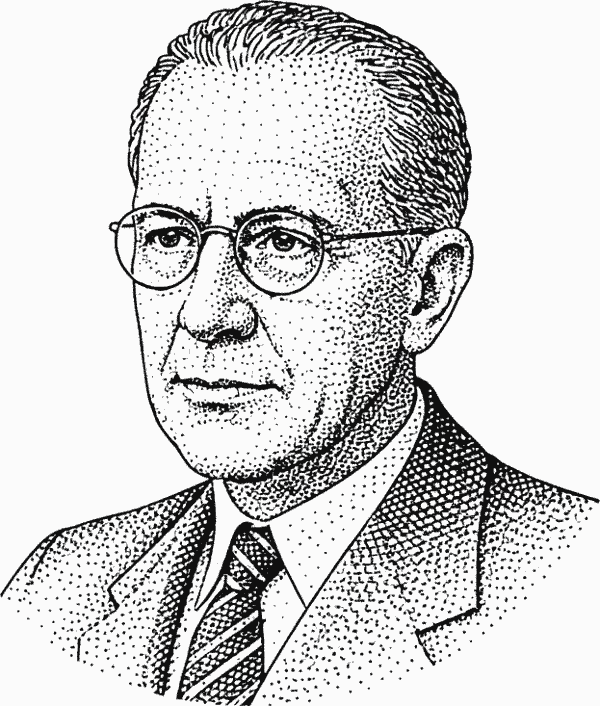
Benjamin Graham quote portrait about markets, long-term

Benjamin Graham

In the short run, the market is a voting machine but in the long run, it is a weighing machine.

Source: The Intelligent Investor / Security Analysis

Core idea

Short-term prices are driven by popularity, emotion, and crowd judgment, while long-term prices tend to reflect underlying business value. The quote separates noise from reality.

Practical application

Do not treat day-to-day market moves as meaningful verdicts on intrinsic value. Use volatility as an opportunity to think more clearly, not as a command to act emotionally.

Why it matters

This is one of the foundational ideas of value investing. Graham is telling the reader that markets can be irrational for long stretches, which is precisely why disciplined investors can outperform.

Benjamin Graham quote portrait about markets

Benjamin Graham

Market movements are often irrational.

Source: The Intelligent Investor

Core idea

Graham warns that stock prices often disconnect from business realities, driven by emotion and speculation, so investors should rely on analysis and discipline instead of market sentiment.

Practical application

Apply this by ignoring daily price swings, focusing on business fundamentals, and buying or holding only when analysis justifies it, regardless of crowd excitement or fear.

Why it matters

This quote reveals that enduring investment success comes from rational appraisal of intrinsic value, not reacting to markets, which frequently misprice assets due to fear, greed, and herd behavior.

Benjamin Graham quote portrait about markets, long-term

Benjamin Graham

In the short run, the market is a voting machine but in the long run it is a weighing machine.

Source: The Intelligent Investor

Core idea

Graham means that short-term stock prices reflect popular opinion and emotion, but long-term returns ultimately reflect a business real economic value and fundamental performance.

Practical application

Focus less on daily price swings and more on patiently owning financially strong, well-valued businesses, trusting that long-term fundamentals will outweigh short-term market noise.

Why it matters

Grahams quote insightfully separates noisy short-term market sentiment from enduring business reality, teaching that disciplined investors profit by aligning decisions with intrinsic value, not crowd emotion.

Benjamin Graham quote portrait about markets

Benjamin Graham

The market exists to serve you, not to guide you.

Source: The Intelligent Investor

Core idea

Graham means you should treat market prices as offers to consider, not authoritative judgments; rely on your own analysis, not fluctuating market opinions, to guide investment decisions.

Practical application

Use market prices as temporary offers, not commandments; base decisions on your own research, required return, and risk tolerance, buying only when price is clearly below intrinsic value.

Why it matters

The insight is that investors should view market prices as negotiable offers, exploiting mispricings through independent valuation, instead of blindly accepting crowd consensus as objective truth.

Benjamin Graham quote portrait about markets, investing

Benjamin Graham

The investor must not be influenced by the market's moods.

Source: The Intelligent Investor

Core idea

Investors should base decisions on objective analysis and intrinsic value, not on emotional reactions or short-term market swings, avoiding herd behavior and irrational optimism or pessimism.

Practical application

In real life, apply this by setting rules, valuing businesses carefully, and sticking to your plan instead of reacting emotionally to every sharp move in stock prices.

Why it matters

Its special insight is that true investing success comes from disciplined independence, calmly valuing businesses and acting rationally despite the markets emotional swings and pervasive crowd psychology.

Benjamin Graham quote portrait about markets, investing

Benjamin Graham

The investor must be skeptical of market trends.

Source: The Intelligent Investor

Core idea

Graham urges investors to distrust popular market trends, emphasizing independent analysis, valuation discipline, and skepticism to avoid speculative manias and protect capital over the long term.

Practical application

Apply Grahams advice by questioning hot trends, focusing on intrinsic value, and buying only when prices offer a margin of safety, not just because the crowd is excited.

Why it matters

This quote insightfully warns that real investment success comes from independent, valuation-based judgment, not from chasing consensus trends that often conceal bubbles, mispricing, and hidden long-term risks.

Benjamin Graham quote portrait about markets, valuation

Benjamin Graham

The stock market is filled with individuals who know the price of everything but the value of nothing.

Source: The Intelligent Investor

Core idea

Graham warns that many investors obsess over short-term prices while neglecting a companys true underlying worth, leading to speculation instead of disciplined, value-based investing.

Practical application

To become a better investor, focus less on daily price swings and more on understanding a companys fundamentals, competitive edge, and long-term earning power before you buy or sell.

Why it matters

Graham highlights that enduring investment success comes from independently valuing businesses, not reacting to fluctuating stock quotes, emphasizing rational analysis over emotional, price-driven speculation.

Benjamin Graham quote portrait about markets

Benjamin Graham

Markets are inherently unstable.

Source: The Intelligent Investor

Core idea

Graham warns that markets constantly fluctuate due to changing emotions and information, so prices often diverge from underlying value, demanding disciplined, rational investing and a margin of safety.

Practical application

Because markets swing with fear and greed, apply this quote by calmly buying only when assets are undervalued, insisting on a margin of safety, and ignoring short-term noise.

Why it matters

True investing success comes from recognizing markets as emotional voting machines, exploiting mispricings with discipline, patience, and a margin of safety instead of reacting to constant price volatility.

Benjamin Graham quote portrait about markets, investing

Benjamin Graham

The best way to measure your investing success is not by whether you're beating the market but by whether you've put in place a financial plan and a behavioral discipline that are likely to get you where you want to go.

Source: The Intelligent Investor / Security Analysis

Core idea

Investment success is not about outperforming others, but about following a disciplined, long-term plan aligned with your goals so you can reliably reach financial security.

Practical application

Focus less on beating the market and more on consistently saving, diversifying, and sticking to a long term plan tailored to your goals, risk tolerance, and future needs.

Why it matters

True investment mastery lies in aligning money decisions with personal goals and temperament, using discipline and planning to reach security, rather than chasing relative performance or market outperformance.

Benjamin Graham quote portrait about markets, investing

Benjamin Graham

The investor must be aware of market cycles.

Source: The Intelligent Investor

Core idea

Graham stresses that investors should recognize recurring market cycles, stay emotionally disciplined, and adjust expectations and risk levels instead of reacting blindly to temporary price movements.

Practical application

Apply this by tracking long-term trends, setting realistic return expectations, rebalancing regularly, and resisting emotional trades during booms or crashes so temporary swings do not derail your plan.

Why it matters

The special insight is that recognizing market cycles lets investors manage emotions, expectations, and risk proactively, turning volatility into a planning tool instead of a threat to long-term success.

Benjamin Graham quote portrait about markets, investing

Benjamin Graham

The investor should take advantage of market volatility.

Source: The Intelligent Investor

Core idea

Market volatility is not a threat but an opportunity; disciplined investors can buy quality assets cheaply in downturns and sell when prices become overly optimistic or irrational.

Practical application

In real life, treat volatility like a sale: calmly buy strong businesses when fear discounts prices, and trim or sell when enthusiasm drives valuations far above fundamentals.

Why it matters

Volatility is a behavioral advantage: by remaining rational when others overreact, investors can systematically convert temporary price swings into long-term gains.

Benjamin Graham quote portrait about markets, investing

Benjamin Graham

The investor must be cautious during market booms.

Source: The Intelligent Investor

Core idea

Graham warns that bull markets breed overconfidence and inflated prices, so investors must stay disciplined, skeptical, and valuation-focused instead of chasing hype or assuming rising prices mean safety.

Practical application

Apply this by setting clear valuation rules, ignoring hype, rebalancing when positions become overpriced, and demanding a margin of safety instead of chasing fast-rising stocks.

Why it matters

This quote uniquely emphasizes that the greatest risk often appears when sentiment feels safest, urging investors to distrust euphoria, prioritize valuation, and protect against hidden downside in booming markets.

Benjamin Graham quote portrait about markets, investing

Benjamin Graham

The investor should be bold during market declines.

Source: The Intelligent Investor

Core idea

Market declines offer long-term investors rare chances to buy quality assets at bargain prices; fear creates mispricing, so disciplined courage during downturns can significantly enhance future returns.

Practical application

In real life, apply this by preparing watchlists and cash reserves so you can calmly buy strong, researched companies when fearful markets temporarily push their prices well below intrinsic value.

Why it matters

The special insight is that disciplined investors gain an edge by acting rationally and aggressively in downturns, exploiting fear-driven mispricing to buy quality assets at unusually favorable prices.

Seth Klarman quote portrait about markets

Seth Klarman

Wall Street's up-front-fee orientation makes for a short-term focus.

Source: Margin of Safety

Core idea

Wall Streets reliance on immediate transaction fees encourages short-term thinking and deal-making at the expense of long-term value creation, prudent risk management, and investors true best interests.

Practical application

To be a better investor, resist Wall Streets fee-driven churn by avoiding frequent trading, aligning with long-term incentives, and focusing relentlessly on durable business value over short-term market noise.

Why it matters

Klarman insightfully exposes how Wall Streets fee-driven structure institutionalizes short-termism, so true investors must deliberately detach from this incentive system to protect capital and compound long-term value.

Seth Klarman quote portrait about markets, investing

Seth Klarman

As long as the market is rising, trading can seem lucrative. But essentially it is speculating, not investing.

Source: Margin of Safety

Core idea

When rising markets make frequent trading look profitable, people mistake luck for skill, confusing short-term speculation with disciplined investing based on underlying business value.

Practical application

When everything is going up, do not confuse lucky trades with real skill; keep judging opportunities by business value, not by recent price moves or quick gains.

Why it matters

Rising markets can disguise speculation as skillful investing; disciplined investors must ignore seductive short-term gains and stay anchored to intrinsic business value, not price momentum.

Seth Klarman quote portrait about markets, investing

Seth Klarman

Trying to predict the market is a waste of time, and investing based upon that prediction is a speculative undertaking.

Source: Margin of Safety

Core idea

The core idea is that successful investing focuses on valuation and risk control, not on unreliable market forecasts, because prediction-based strategies are essentially speculation, not true investing.

Practical application

Apply this by ignoring market forecasts, calmly buying only undervalued assets with a margin of safety, and focusing relentlessly on risk control instead of short-term predictions.

Why it matters

Its special insight is that genuine investing anchors decisions in intrinsic value and risk control, while reliance on market predictions turns capital allocation into mere speculation.

Seth Klarman quote portrait about markets

Seth Klarman

The deck is almost always stacked against the buyers.

Source: Margin of Safety

Core idea

Markets usually favor sellers because buyers face information gaps, emotional biases, and competition, so investors must be skeptical, patient, and disciplined to avoid overpaying and losing money.

Practical application

In real life, act on Klarman by assuming you know less than sellers, slowing down, demanding a margin of safety, and buying only when price clearly underestimates value.

Why it matters

Klarman exposes that markets structurally favor sellers, so survival requires assuming informational disadvantage, resisting urgency, and insisting on clear underpricing before risking capital.

Seth Klarman quote portrait about markets, valuation

Seth Klarman

Value investors are in a position to take advantage of Mr. Market's irrationality.

Source: Margin of Safety

Core idea

Klarman means value investors profit by staying rational and patient, buying undervalued assets when Mr. Market is fearful or irrational and selling when prices become excessively optimistic.

Practical application

Apply Klarmans quote by staying calm, valuing businesses carefully, buying when fear creates bargains, and selling when hype inflates prices far above reasonable estimates of intrinsic value.

Why it matters

Klarmans quote reveals that disciplined value investors can systematically exploit emotional market swings by anchoring decisions to intrinsic value instead of crowd-driven fear or euphoria.

Seth Klarman quote portrait about markets, valuation

Seth Klarman

A notable feature of value investing is its strong performance in periods of overall market decline.

Source: Margin of Safety

Core idea

Value investing emphasizes buying undervalued assets with a margin of safety, which can cushion losses and often leads to relatively stronger performance during broad market downturns.

Practical application

Apply this by focusing on buying conservatively valued businesses with solid fundamentals, so market drops become opportunities to add quality assets rather than triggers for panic selling.

Why it matters

Klarman highlights that value investing is uniquely resilient in bear markets, as disciplined undervaluation and margin of safety can turn broad declines into periods of relative outperformance.

Seth Klarman quote portrait about markets

Seth Klarman

Wall Street is never satisfied with its success.

Source: Margin of Safety

Core idea

The core idea is that financial markets are driven by endless greed and short-term performance demands, preventing contentment, prudence, and genuine long-term, risk-aware investing.

Practical application

Remember that Wall Street is never satisfied, so protect yourself by defining enough, focusing on long-term goals, managing risk carefully, and ignoring short-term noise and performance pressures.

Why it matters

Klarman exposes that Wall Street's perpetual dissatisfaction breeds reckless short-termism, so real investors must deliberately choose sufficiency, patience, and risk discipline to avoid being swept into destructive excess.

Seth Klarman quote portrait about markets

Seth Klarman

All market fads come to an end.

Source: Margin of Safety

Core idea

Klarman warns that speculative crazes are temporary; prices driven by hype, not intrinsic value, eventually reverse, so investors must remain disciplined, skeptical, and valuation-focused.

Practical application

Apply Klarman's insight by resisting hype, demanding clear intrinsic value, and requiring a margin of safety before investing, so inevitable fad reversals do not jeopardize your long-term returns.

Why it matters

Klarmans quote highlights that markets periodically detach from fundamentals, so disciplined investors gain an edge by avoiding hype-driven mispricing and patiently waiting for value and reality to realign.

Seth Klarman quote portrait about markets

Seth Klarman

The financial markets are far too complex to be incorporated into a formula.

Source: Margin of Safety

Core idea

Klarman warns that markets involve unpredictable human behavior, changing conditions, and incomplete information, so relying on rigid formulas or models creates a dangerous illusion of precision and safety.

Practical application

In real life investing, treat formulas as helpful tools, not truth; always layer judgment, skepticism, and independent research over any model before risking your hard-earned capital.

Why it matters

Klarmans quote reveals that investing success comes from humility about uncertainty, prioritizing judgment and adaptability over mathematical elegance or backtested confidence in seemingly precise models.

Seth Klarman quote portrait about markets, investing

Seth Klarman

Many unsuccessful investors regard the stock market as a way to make money without working rather than as a way to invest capital in order to earn a decent return.

Source: Margin of Safety

Core idea

Investing is about soberly allocating capital for reasonable long-term returns, not treating the stock market as an easy, effortless shortcut to quick wealth without real work.

Practical application

Apply this by treating every investment as a business decision: study fundamentals, demand a margin of safety, expect modest long-term returns, and never confuse speculation with genuine investing.

Why it matters

The special insight is that true investing requires disciplined analysis and realistic expectations, while chasing effortless, rapid profits turns the stock market into a dangerous substitute for real work.

Seth Klarman quote portrait about markets, valuation

Seth Klarman

Value investing is predicated on the efficient-market hypothesis being wrong.

Source: Margin of Safety

Core idea

Value investing depends on markets sometimes mispricing securities, allowing patient, disciplined investors to buy below intrinsic value and earn superior returns when prices eventually correct.

Practical application

In real life, this means patiently seeking temporarily mispriced, fundamentally sound investments, buying with a margin of safety, and trusting that over time prices will reflect true value.

Why it matters

Klarman underscores that superior returns arise not from forecasting market moves, but from exploiting persistent mispricings where emotions, constraints, and short-termism push prices far from conservatively estimated intrinsic value.

Seth Klarman quote portrait about markets, investing

Seth Klarman

The only margin investors who purchase Wall Street underwritings or financial-market innovations usually experience is a margin of peril.

Source: Margin of Safety

Core idea

Klarman warns that buying trendy new Wall Street products offers no real safety; instead, investors usually get extra hidden risk, not the protective margin they think they are gaining.

Practical application

In real life, avoid trendy Wall Street products; instead, demand simple, transparent investments you can understand, where the risks are clear and the price offers a true margin of safety.

Why it matters

Klarman highlights that Wall Street's newest, most complex offerings often masquerade as opportunities but actually strip investors of protection, replacing genuine margin of safety with hidden, asymmetric downside risk.

Seth Klarman quote portrait about markets

Seth Klarman

The incentive is to expand managed assets in order to generate more fees.

Source: Margin of Safety

Core idea

Klarman warns that money managers are often driven to grow assets under management for higher fees, which can conflict with prudent investing and harm client returns.

Practical application

As an investor, remember many managers chase asset growth for fees, so prioritize aligned incentives, capacity discipline, and independent judgment over marketing, size, and recent performance.

Why it matters

Klarman exposes a structural conflict: asset managers are rewarded for gathering assets, not for prudence, so investors must scrutinize incentives, capacity, and discipline over brand, scale, or performance.

Seth Klarman quote portrait about markets

Seth Klarman

Wall Street has a strong bullish bias, which coincides with its self-interest.

Source: Margin of Safety

Core idea

Wall Street promotes optimism about markets because rising prices generate more deals, fees, and trading, so its profit motive creates a built-in bias toward bullish views over balanced analysis.

Practical application

Remember Wall Streets built-in bullish bias and always cross-check rosy forecasts, so your investment decisions rely on independent analysis instead of fee-driven optimism.

Why it matters

Klarman exposes how Wall Street's profit-driven need for constant activity structurally biases it toward bullish narratives, making skepticism and independent analysis essential for rational investors.

Seth Klarman quote portrait about markets

Seth Klarman

Wall Streeters get paid primarily for what they do, not how effectively they do it.

Source: Margin of Safety

Core idea

Wall Street incentives reward activity, transactions, and visible effort, rather than actual long-term investment effectiveness, leading to misaligned motivations and potentially poor outcomes for clients and markets.

Practical application

When investing, remember Wall Street profits from frequent trades and complex products, so slow down, avoid needless activity, and focus relentlessly on long-term, evidence-based decision making.

Why it matters

Klarman exposes how Wall Street structurally profits from motion, complexity, and fee generation, not investor outcomes, so disciplined inaction and simplicity become powerful, contrarian competitive advantages.

Seth Klarman quote portrait about markets

Seth Klarman

The stock market is the story of cycles and of the human behavior that is responsible for overreactions in both directions.

Source: Margin of Safety

Core idea

Markets move in recurring cycles driven less by fundamentals and more by emotional extremes, as investors repeatedly overreact with excessive optimism and then excessive pessimism.

Practical application

To be a better investor, study cycles and your own emotions, so you buy cautiously when others are euphoric and buy boldly when others are irrationally fearful.

Why it matters

True investment edge comes from recognizing that recurring market extremes are driven by human emotion, and positioning yourself rationally against the crowd at those turning points.

Benjamin Graham & David Dodd quote portrait about markets, investing

Benjamin Graham & David Dodd

As long as the market is rising, trading can seem lucrative. But essentially it is speculating, not investing.

Source: Security Analysis

Core idea

Riding a rising market by frequent trading may look profitable, but without careful analysis of underlying value it is mere speculation, not true long-term investing.

Practical application

In real life, focus on studying businesses and buying below intrinsic value, instead of chasing quick gains in a rising market, to build durable, less risky wealth.

Why it matters

True investing demands valuation-based discipline; profiting from a rising market without analyzing intrinsic worth is just speculation disguised as skill and leaves you exposed when conditions reverse.

Benjamin Graham & David Dodd quote portrait about markets

Benjamin Graham & David Dodd

Wall Street has a strong bullish bias, which coincides with its self-interest.

Source: Security Analysis

Core idea

Graham and Dodd warn that Wall Street naturally favors optimism because rising markets generate more fees and profits, so its advice often reflects self-interest rather than objective analysis.

Practical application

As an investor, always question bullish narratives, seek independent data, and remember Wall Street profits from your activity, not necessarily from you making carefully reasoned, conservative decisions.

Why it matters

This quote highlights that Wall Streets optimism is structurally biased by profit incentives, so prudent investors must distrust consensus cheerleading and independently scrutinize underlying business value and risk.

Benjamin Graham & David Dodd quote portrait about markets, investing

Benjamin Graham & David Dodd

The only margin investors who purchase Wall Street underwritings or financial-market innovations usually experience is a margin of peril.

Source: Security Analysis

Core idea

Buying hot new Wall Street issues or complex financial products rarely offers true safety; instead, it usually exposes investors to extra hidden risk rather than protective margin.

Practical application

In real life, avoid flashy new offerings and complex products; instead, demand a clear margin of safety by buying understandable assets at prices well below conservatively estimated value.

Why it matters

True investment safety rarely lies in fashionable Wall Street inventions; genuine margin of safety comes from simplicity, transparency, and buying proven assets well below conservatively estimated intrinsic value.

Benjamin Graham & David Dodd quote portrait about markets, valuation

Benjamin Graham & David Dodd

Value investors are in a position to take advantage of Mr. Market's irrationality.

Source: Security Analysis

Core idea

The core idea is that market prices can be irrational, so disciplined value investors can profit by buying undervalued assets and selling when prices exceed intrinsic value.

Practical application

In real life, apply this by staying calm when prices swing wildly, buying strong businesses when undervalued, and patiently selling only when prices exceed true worth.

Why it matters

It reveals that markets often misprice assets, so patient, rational investors can systematically exploit fear and greed by buying below intrinsic value and selling above it.

Benjamin Graham & David Dodd quote portrait about markets, investing

Benjamin Graham & David Dodd

Trying to predict the market is a waste of time, and investing based upon that prediction is a speculative undertaking.

Source: Security Analysis

Core idea

Market timing is unreliable; instead of speculating on short-term price moves, investors should focus on fundamental value and long-term analysis to make sound, disciplined decisions.

Practical application

Apply this by ignoring short-term forecasts, buying only businesses you understand, at sensible prices, and holding patiently while value compounds, instead of chasing market predictions.

Why it matters

True investment success comes from disciplined appraisal of intrinsic value and long-term business performance, not from unreliable attempts to time short-term market fluctuations or price trends.

Benjamin Graham & David Dodd quote portrait about markets, valuation

Benjamin Graham & David Dodd

A notable feature of value investing is its strong performance in periods of overall market decline.

Source: Security Analysis

Core idea

Value investing emphasizes buying undervalued securities with strong fundamentals, which tend to fall less and recover better in broad market declines, providing relative protection and long-term outperformance.

Practical application

In practice, focus on buying solid, undervalued businesses so that when markets fall, your holdings typically drop less, recover faster, and compound wealth more reliably over time.

Why it matters

Value investing shines in market downturns because buying fundamentally strong, undervalued companies cushions losses, accelerates recovery, and enhances long-term returns relative to the broader market.

Benjamin Graham & David Dodd quote portrait about markets, valuation

Benjamin Graham & David Dodd

Value investing is predicated on the efficient-market hypothesis being wrong.

Source: Security Analysis

Core idea

Value investing assumes that markets often misprice securities, creating temporary gaps between price and intrinsic value that patient, disciplined investors can exploit for superior long-term returns.

Practical application

In real life, use this idea by patiently researching businesses, estimating intrinsic value, and buying quality stocks only when they trade significantly below what you believe they are truly worth.

Why it matters

The quote reveals that lasting investment edges arise not from predicting market movements, but from calmly exploiting persistent mispricings between intrinsic value and fluctuating market prices.

Benjamin Graham & David Dodd quote portrait about markets

Benjamin Graham & David Dodd

All market fads come to an end.

Source: Security Analysis

Core idea

Speculative trends and popular investment fashions are temporary; only securities with enduring, measurable value ultimately justify their prices when market excitement inevitably fades.

Practical application

When tempted by hot stocks or trends, remember they will fade; focus instead on buying durable businesses at sensible prices, because long-term value outlives short-term excitement.

Why it matters

It highlights that enduring, intrinsic value is the true anchor of investment returns, outlasting speculative manias that ultimately collapse when enthusiasm detaches from underlying business reality.

Benjamin Graham & David Dodd quote portrait about markets

Benjamin Graham & David Dodd

Wall Streeters get paid primarily for what they do, not how effectively they do it.

Source: Security Analysis

Core idea

The quote criticizes Wall Street incentives, saying professionals are rewarded for activity and deal-making volume, not for delivering genuinely effective, risk-adjusted, long-term value to investors.

Practical application

In real life, remember that many advisors get paid to trade, not to be right; protect yourself by demanding incentives aligned with long-term, risk-aware performance, not busy activity.

Why it matters

It exposes how Wall Street rewards motion over merit, warning investors to distrust activity-based incentives and instead seek alignment with long-term, risk-adjusted investment outcomes.

Benjamin Graham & David Dodd quote portrait about markets

Benjamin Graham & David Dodd

Wall Street's up-front-fee orientation makes for a short-term focus.

Source: Security Analysis

Core idea

Because Wall Street earns immediate fees from transactions, it prioritizes short-term deal-making and trading volume over patient, long-term investing aligned with clients fundamental economic interests.

Practical application

To be a better investor, distrust transaction-driven advice, minimize trading, and focus relentlessly on long-term business value, cash flows, and alignment of incentives rather than Wall Street fee generation.

Why it matters

The insight is that Wall Street's fee structure inherently biases it toward short-term transactions, so thoughtful investors must resist this pressure and prioritize long-term, fundamentals-based decision making.

Benjamin Graham & David Dodd quote portrait about markets

Benjamin Graham & David Dodd

The financial markets are far too complex to be incorporated into a formula.

Source: Security Analysis

Core idea

Markets are shaped by unpredictable human behavior, changing conditions, and incomplete information, so rigid formulas alone cannot safely capture risk, value, or future outcomes.

Practical application

To be a better investor, treat formulas as guides, not guarantees; always layer them with judgment, research, and humility about uncertainty, changing conditions, and your own blind spots.

Why it matters

The insight is that genuine investment wisdom lies not in precise formulas, but in integrating them with human judgment, adaptability, skepticism, and respect for uncertainty and changing market dynamics.

Benjamin Graham & David Dodd quote portrait about markets, investing

Benjamin Graham & David Dodd

Many unsuccessful investors regard the stock market as a way to make money without working rather than as a way to invest capital in order to earn a decent return.

Source: Security Analysis

Core idea

The quote warns that treating stocks as easy money or gambling leads to failure; real investing means patiently using capital to earn reasonable, long-term, business-based returns.

Practical application

Apply this by treating every stock as a real business you own, demanding understandable economics, fair price, and patient, long-term returns instead of quick, speculative profits.

Why it matters

It exposes the dangerous illusion that markets offer effortless riches, insisting true investing is disciplined ownership of real businesses for modest, durable, fundamentally justified returns.

Benjamin Graham & David Dodd quote portrait about markets

Benjamin Graham & David Dodd

Wall Street is never satisfied with its success.

Source: Security Analysis

Core idea

The core idea is that financial markets relentlessly seek ever-greater profits, fostering constant speculation, risk-taking, and dissatisfaction that can undermine prudence, stability, and long-term investment discipline.

Practical application

Remember that markets constantly chase more profit; protect yourself by setting clear goals, demanding a margin of safety, and resisting the urge to follow every new speculative opportunity.

Why it matters

It reveals that markets are structurally insatiable, so rational investors must impose their own discipline, risk limits, and long-term focus instead of mirroring Wall Streets perpetual ambition.

Benjamin Graham & David Dodd quote portrait about markets

Benjamin Graham & David Dodd

The incentive is to expand managed assets in order to generate more fees.

Source: Security Analysis

Core idea

Investment managers are often tempted to prioritize growing assets under management, since larger asset bases increase their fee income, even when it may not benefit client returns.

Practical application

As an investor, always question whether fund growth truly benefits your returns, since managers are often rewarded more for gathering assets than for outperforming on your behalf.

Why it matters

This quote exposes a core agency conflict: managers are structurally rewarded more for asset gathering than investment excellence, so client interests can quietly diverge from business incentives.

Benjamin Graham & David Dodd quote portrait about markets

Benjamin Graham & David Dodd

The deck is almost always stacked against the buyers.

Source: Security Analysis

Core idea

In most securities markets, professional sellers, insiders, and structural frictions give them superior information and terms, so ordinary buyers typically face systematic disadvantages when purchasing investments.

Practical application

Recognize markets often favor sellers; protect yourself by demanding a margin of safety, doing independent analysis, avoiding hype, and refusing deals you do not fully understand.

Why it matters

The insight is that securities markets inherently favor informed sellers over ordinary buyers, so investors must assume initial disadvantage and rigorously demand protection, skepticism, and independent verification before committing capital.

Peter Lynch quote portrait about markets

Peter Lynch

Thousands of experts study overbought indicators, head-and-shoulder patterns, put-call ratios, the Fed's policy on money supply - and they can't predict markets with any useful consistency, any more than the gizzard squeezers could tell the Roman emperors when the Huns would attack.

Source: Speeches / Essays

Core idea

Complex market forecasts, like ancient superstition, cannot reliably predict the future; even sophisticated indicators and experts fail to consistently foresee market movements or turning points.

Practical application

Apply this by ignoring complex predictions and experts chasing patterns; instead, focus on understanding businesses, long-term fundamentals, and investing consistently in what you can actually analyze and control.

Why it matters

The special insight is that prediction complexity does not equal reliability; durable investing success comes from simple, analyzable fundamentals, not elaborate forecasts or intricate technical signals.

Peter Lynch quote portrait about markets, investing

Peter Lynch

If you cannot explain why you own a stock, you should not own it.

Source: Beating the Street

Core idea

Understanding is non-negotiable.

Practical application

Test your ideas by explaining them simply to someone else.

Why it matters

This is a forcing function against vague thinking.

Peter Lynch quote portrait about markets

Peter Lynch

Everyone has the brainpower to follow the stock market.

Source: Beating the Street

Core idea

Investing is not reserved for geniuses.

Practical application

Focus on simple ideas you understand.

Why it matters

This lowers the barrier - discipline > IQ.

Peter Lynch quote portrait about markets

Peter Lynch

Big companies have small moves; small companies have big moves.

Source: Beating the Street

Core idea

Return potential is tied to size.

Practical application

Look for smaller companies with room to grow - but balance risk.

Why it matters

Lynch is pointing to asymmetry in returns.

Peter Lynch quote portrait about markets

Peter Lynch

You get recessions, you have stock market declines. If you don't understand that's going to happen, then you're not ready, you won't do well in the markets.

Source: Speeches / Essays

Core idea

Successful investing requires accepting that recessions and market drops are inevitable; without this expectation and emotional readiness, you are likely to panic and perform poorly.

Practical application

To be a better investor, plan emotionally and financially for inevitable market drops, so you can stay invested, follow your strategy, and avoid panic-driven, costly mistakes.

Why it matters

The special insight is that emotional preparedness for inevitable downturns is as critical as analytical skill, because resilience during declines largely determines long-term investing success.

Peter Lynch quote portrait about markets

Peter Lynch

People who succeed in the stock market also accept periodic losses, setbacks, and unexpected occurrences. Calamitous drops do not scare them out of the game.

Source: Speeches / Essays

Core idea

Stock market success requires emotional resilience: enduring temporary losses and crashes without panic-selling, staying invested through volatility, and maintaining long-term discipline despite frightening short-term market declines.

Practical application

To be a better investor, practice staying calm during market drops, avoid panic-selling, stick to your long-term plan, and view volatility as normal rather than catastrophic.

Why it matters

True investing skill is less about picking stocks and more about mastering emotions, accepting painful drawdowns as normal, and steadfastly following a long-term strategy despite fear.

Peter Lynch quote portrait about markets

Peter Lynch

Ignore short-term noise.

Source: Beating the Street

Core idea

Short-term information is mostly distraction.

Practical application

Reduce exposure to daily market chatter.

Why it matters

Attention is a scarce resource - protect it.

Charlie Munger quote portrait about markets

Charlie Munger

The market is not perfectly efficient.

Source: Art of Stock Picking

Core idea

Markets sometimes misprice assets due to human biases, limits to information, and institutional constraints, creating occasional opportunities for disciplined, rational investors to earn superior long-term returns.

Practical application

Because markets are not perfectly efficient, patiently study businesses, wait for clear mispricings, and invest decisively only when value meaningfully exceeds price, ignoring short-term noise and crowd behavior.

Why it matters

True investing edge comes from recognizing that markets occasionally err, then exploiting rare, obvious mispricings with patience, discipline, and independent judgment instead of trusting prices as always correct.

Joel Greenblatt quote portrait about markets, valuation

Joel Greenblatt

You can't be a good value investor without being an independent thinker; you're seeing valuations that the market is not appreciating. But it's critical that you understand why the market isn't seeing the value you do.

Source: Speeches / Essays

Core idea

True value investing requires original analysis that disagrees with prevailing opinion, plus a clear understanding of why the market is mispricing an investment and what others are missing.

Practical application

To be a better investor, do your own deep research, buy only when your view truly differs from the crowd, and know exactly why others are mispricing the opportunity.

Why it matters

Greenblatt highlights that real investing edge comes from thoughtful, independent judgments about mispriced assets, grounded in a precise thesis explaining why the market is currently wrong.

Joel Greenblatt quote portrait about markets

Joel Greenblatt

The market does not reward complexity; it rewards discipline.

Source: The Little Book That Beats the Market

Core idea

The quote means investors succeed not by using complex strategies, but by consistently following simple, proven rules and sticking with them through market ups and downs.

Practical application

To become a better investor, pick a sound, simple strategy, then follow it with unwavering discipline through fear, greed, and boredom instead of constantly chasing complex new ideas.

Why it matters

The special insight is that long-term investment success stems less from cleverness or complex models and more from patiently, consistently executing a simple, evidence-based strategy despite emotional pressures.

Brett Owens quote portrait about markets, psychology

Brett Owens

Fear creates discounts - and discounts create opportunity.

Source: Outlook

Core idea

Market panic often pushes asset prices below their true value; investors who stay rational during fear-driven selloffs can buy quality investments at discounts and profit when prices normalize.

Practical application

When markets panic and prices plunge, calmly research strong companies, buy them at discounted valuations, and hold patiently so you profit when fear fades and prices recover.

Why it matters

The special insight is that emotionally driven market fear misprices quality assets, rewarding patient, rational investors who buy during panic and wait for valuations to normalize.

Howard Marks quote portrait about markets

Howard Marks

There are two kinds of forecasters: those who don't know, and those who don't know they don't know.

Source: Memos

Core idea

The core idea is that financial forecasting is inherently uncertain, and the real danger comes from people who mistakenly believe their predictions are reliable or precise.

Practical application

Apply this by staying humble about predictions, diversifying, focusing on process over forecasts, and always managing risk as if your favorite investment thesis might be wrong.

Why it matters

The insight is that overconfidence in financial forecasts is more dangerous than ignorance, so investors must rigorously doubt predictions, emphasize risk control, and accept irreducible uncertainty.

Howard Marks quote portrait about investing, psychology

Howard Marks

The pendulum swings between optimism and pessimism. Markets are driven by swings in psychology, not just fundamentals.

Source: Memos

Core idea

Markets are shaped less by objective fundamentals than by recurring emotional extremes, as investor psychology repeatedly swings like a pendulum between excessive optimism and excessive pessimism.

Practical application

To become a better investor, watch where the psychology pendulum is swinging, and aim to buy when fear dominates and sell or hold back when euphoria takes over.

Why it matters

The special insight is that durable investment edge comes less from superior analysis of fundamentals and more from recognizing, resisting, and exploiting the markets recurring emotional extremes.

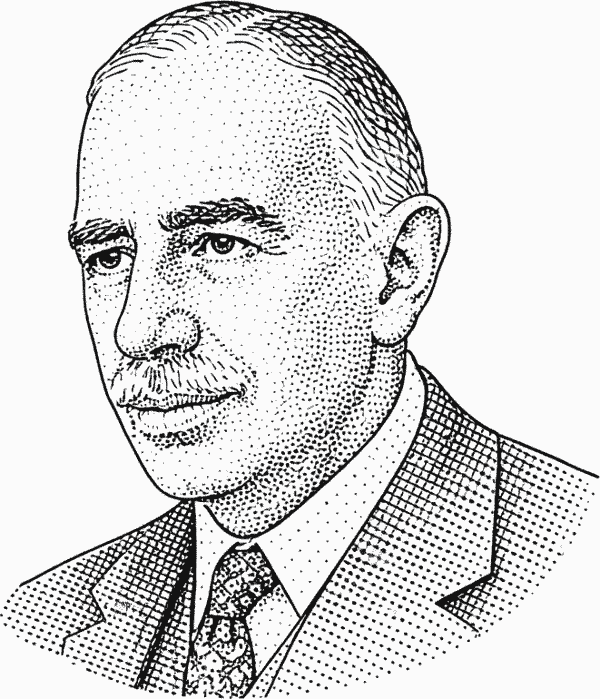
John Maynard Keynes quote portrait about markets, psychology

John Maynard Keynes

Once doubt begins it spreads rapidly.

Source: Speeches / Essays

Core idea

Keynes warns that uncertainty, once introduced, quickly multiplies through minds and markets, undermining confidence, destabilizing decisions, and intensifying economic or social crises beyond the initial doubt.

Practical application

As an investor, guard your mindset; once you start doubting your strategy without evidence, that fear can snowball into emotional decisions, unnecessary trades, and long-term underperformance.

Why it matters

Keynes illuminates how doubt behaves like contagion, rapidly amplifying risk perceptions and cascading through decisions, so mastering psychological resilience becomes as crucial as analytical skill.

Doug K. Le Du quote portrait about markets, investing

Doug K. Le Du

At any point in time, investors have to choose between the alternatives that are being offered by the market, not the market that used to exist and not the market that might exist some year in the future.

Source: Preferred Stock, 5th Edition

Core idea

The core idea is that investors must make decisions based on current, real market conditions and available choices, not on past environments or uncertain future possibilities.

Practical application

In real life, this means stop waiting for perfect conditions or past prices and calmly choose the best available investments today, given current risks, yields, and opportunities.

Why it matters

This quote highlights the liberating insight that rational investing demands acceptance of present reality, focusing on relative value today instead of anchoring on yesterday's bargains or tomorrow's fantasies.

John Maynard Keynes quote portrait about markets, investing

John Maynard Keynes

If farming were to be organised like the stock market, a farmer would sell his farm in the morning when it was raining, only to buy it back in the afternoon when the sun came out.

Source: Speeches / Essays

Core idea

Keynes warns that if long-term activities like farming mimicked short-term stock trading, irrational day-to-day mood swings would dominate decisions, undermining stability and productive investment.

Practical application

To be a better investor, treat your portfolio like a farm: focus on long-term harvests, not reacting to every daily weather change in prices or market sentiment.

Why it matters

Keynes insightfully exposes how short-term market psychology can hijack rational judgment, urging investors to resist daily volatility and instead prioritize patient, long-term value creation.

John Maynard Keynes quote portrait about markets

John Maynard Keynes

The expected never happens; it is the unexpected always.

Source: Speeches / Essays

Core idea

Keynes suggests that reality routinely defies predictions, warning that overconfidence in expectations blinds us to surprise events that more often shape outcomes and history.

Practical application

As an investor, remember that markets frequently move on surprises, so build resilient portfolios, manage risk carefully, and stay humble about forecasts rather than betting heavily on any single expectation.

Why it matters

Keynes insightfully exposes our illusion of foresight, showing that unforeseen events, not confident predictions, dominate real outcomes and demanding humility, diversification, and robust risk management in decisions.

Michael Foster quote portrait about markets, investing

Michael Foster

When the crowd fears something will happen, something else usually does.

Source: Outlook

Core idea

Markets often price in widely feared risks, so those fears are already reflected in asset values, making unexpected, overlooked events more likely to move prices instead.

Practical application

As an investor, remember that headline fears are usually already priced in, so focus on overlooked risks and fundamentals instead of reacting emotionally to what everyone else worries about.

Why it matters

The special insight is that markets often pre-price widely publicized fears, so real investment danger and opportunity usually lie in the unexpected, underappreciated risks others overlook.

Michael Foster quote portrait about markets, investing

Michael Foster

The market's mistakes are our income stream - if we're willing to step in when others step out.

Source: Outlook

Core idea

Profit comes from calmly buying quality assets when fear drives other investors to sell, turning temporary market mispricing and emotional overreactions into long-term income opportunities.

Practical application

Apply this by creating a watchlist of strong, income-producing assets, then steadily buy them on scary selloffs instead of panicking, focusing on long-term cash flow, not short-term price swings.

Why it matters

The insight is that disciplined investors can systematically convert others emotional, short-sighted selling into reliable long-term income by buying fundamentally strong assets precisely when they are most undervalued.

John Maynard Keynes quote portrait about markets, long-term

John Maynard Keynes

Markets can remain irrational longer than you can remain solvent.

Source: Speeches / Essays

Core idea

Financial markets can act unpredictably for extended periods, so betting against perceived mispricing is dangerous because you may go bankrupt before prices eventually correct.

Practical application

Do not assume markets will quickly reflect your analysis; size positions conservatively, manage risk tightly, and stay diversified so you can survive until reality eventually matches fundamentals.

Why it matters

It warns that timing risk can be deadlier than valuation risk: being correct too early can bankrupt you, so survival and risk control matter more than intellectual rightness.

John Maynard Keynes quote portrait about markets, psychology

John Maynard Keynes

The markets are moved by animal spirits, and not by reason.

Source: Speeches / Essays

Core idea

Keynes suggests financial markets are driven largely by human emotions, instincts, and irrational confidence or fear, rather than by careful calculation, objective information, or purely rational expectations.

Practical application

To be a better investor, accept that markets swing on emotion, so build rules, diversify, and stay disciplined instead of reacting impulsively to fear or excitement.

Why it matters

Keynes insightfully reveals that financial markets mirror human psychology, showing that collective emotion often overwhelms rational analysis, so understanding sentiment can be as crucial as analyzing fundamentals.

Doug K. Le Du quote portrait about markets, valuation

Doug K. Le Du

Preferred stock investors savor, rather than fear, a period of falling market prices.

Source: Preferred Stock, 5th Edition

Core idea

Falling market prices let preferred stock investors lock in higher yields and more shares for the same money, so they welcome downturns as buying opportunities instead of fearing losses.

Practical application

In real life, treat market drops as sales: patiently buy more quality preferreds at higher yields, focus on income and discipline, not short-term price swings or fear.

Why it matters

The insight is that preferred stock investors view price declines as chances to buy higher-yield income streams cheaply, prioritizing long-term cash flow over short-term market value fluctuations.

Michael Foster quote portrait about markets, investing

Michael Foster

Real opportunity shows up when price and perception diverge.

Source: Outlook

Core idea

The core idea is that the best investment opportunities arise when a stock's market price falls far below its true value due to temporary misperceptions or emotional crowd behavior.

Practical application

Apply this by patiently researching quality companies, then buying when fear or misunderstanding drives their prices well below true value, and holding until perception and price realign.

Why it matters

The insight is that misalignment between a companys true worth and its market price, driven by emotion or misperception, creates rare chances for disciplined investors to buy undervalued assets.

Michael Foster quote portrait about markets, investing

Michael Foster

Markets overshoot in both directions - that's where our profits come from.

Source: Outlook

Core idea

The core idea is that investors can profit by recognizing and exploiting market overreactions, buying when prices fall too far and selling when they rise too high.

Practical application

Apply this by calmly buying strong investments after sharp, emotional selloffs and trimming or selling when hype drives prices far above reasonable value, always using disciplined research.

Why it matters

The special insight is that consistent profits arise from patiently exploiting emotional market extremes, buying quality assets amid panic and selling them when irrational enthusiasm inflates prices beyond fundamentals.

Michael Foster quote portrait about markets, investing

Michael Foster

We love disconnects - they let us ride momentum without overpaying.

Source: Outlook

Core idea

The core idea is exploiting temporary gaps between market price and underlying value, using emotional mispricings to capture momentum-driven gains while still buying assets at a discount.

Practical application

Apply this by hunting for solid assets temporarily out of favor, buying when fearful selling creates discounts, then riding the price rebound as sentiment and momentum eventually normalize.

Why it matters

This quote reveals the rare edge of embracing sentiment-driven mispricings, turning crowd overreactions into chances to capture upside momentum while still insisting on a margin of safety.

Doug K. Le Du quote portrait about markets, valuation

Doug K. Le Du

With preferred stocks you are paid based on the number of shares you own, not the then-current market price.

Source: Preferred Stock, 5th Edition

Core idea

The core idea is that preferred stock income depends on how many shares you hold, since dividends are fixed per share, regardless of market price changes.

Practical application

In practice, this means focus on building a reliable share count in quality preferreds for steady income, instead of obsessing over short-term price swings that do not change dividends.

Why it matters

This quote spotlights that preferred investors are paid for owning a fixed income stream per share, so disciplined share accumulation outweighs short-term price volatility in generating reliable cash flow.

Mark Cuban quote portrait about markets

Mark Cuban

I rarely think the market is right. I believe non-dividend stocks aren't much more than baseball cards. They are worth what you can convince someone to pay for it.

Source: Speeches / Essays

Core idea

Non-dividend stocks lack intrinsic cash-flow value and resemble collectibles, whose prices depend mainly on shifting investor sentiment and what future buyers can be persuaded to pay.

Practical application

Apply this by focusing on businesses that generate real cash flow to you, not just rising prices; avoid treating non-dividend stocks like collectibles driven mainly by hype.

Why it matters

Cuban exposes a blind spot: many investors chase price appreciation in non-dividend stocks, ignoring that without direct cash flows, they are essentially sentiment-driven collectibles, not true investments.

Jim Cramer quote portrait about markets, investing

Jim Cramer

In this business, if you're good, you're right six times out of ten. You're never going to be right nine times out of ten.

Source: Speeches / Essays

Core idea

Even top professionals are wrong often; consistent success in uncertain fields comes from winning slightly more than losing, not from expecting near-perfect accuracy or infallible predictions.

Practical application

As an investor, focus on making slightly more good decisions than bad, managing risk, and staying disciplined, instead of chasing perfect predictions or fearing every mistake.

Why it matters

The special insight is that sustainable success in unpredictable arenas comes from probabilistic thinking, risk management, and emotional resilience, not from perfectionism or an unrealistic expectation of constant correctness.

Jim Cramer quote portrait about markets

Jim Cramer

Don't confuse a cheap stock with a good stock.

Source: Speeches / Essays

Core idea

A low share price does not automatically mean a stock is a bargain; real value depends on business quality, fundamentals, and future prospects, not just apparent cheapness.

Practical application

Apply it by digging into financials, competitive position, and future earnings power instead of blindly buying low-priced stocks that may be cheap for very good reasons.

Why it matters

This quote highlights that true investment value lies in underlying business strength and future performance, not in a deceptively low stock price that may signal deeper problems.

Jim Cramer quote portrait about markets

Jim Cramer

Every once in a while, the market does something so stupid it takes your breath away.

Source: Speeches / Essays

Core idea

The core idea is that financial markets sometimes behave irrationally or unpredictably, defying logic and expectations so dramatically that even seasoned observers are shocked into disbelief.

Practical application

Use this quote as a reminder to question market euphoria and panic, stay rational when prices act absurd, and anchor decisions to research, risk management, and long-term goals.

Why it matters

This quote reveals the rare but inevitable moments when collective psychology overwhelms fundamentals, creating extreme mispricings that disciplined, prepared investors can exploit rather than fear.

Jim Cramer quote portrait about markets

Jim Cramer

Bulls make money, bears make money, but hogs get slaughtered.

Source: Speeches / Essays

Core idea

The quote warns that while optimistic bulls and pessimistic bears can profit, excessively greedy "hogs" who take reckless risks or overreach inevitably suffer heavy losses.

Practical application

As an investor, remember this quote by locking in gains, diversifying, and avoiding oversized, risky bets; disciplined bulls and bears thrive, but greedy hogs eventually lose everything.

Why it matters

True investing wisdom lies not in constant optimism or pessimism, but in resisting greed; disciplined risk management preserves gains while overreaching for more ultimately destroys wealth.

Jim Cramer quote portrait about markets

Jim Cramer

There's always a bull market somewhere.

Source: Speeches / Essays

Core idea

Cramers quote means that regardless of overall market conditions, there are always specific sectors, assets, or opportunities where investors can find growth and make profitable investments.

Practical application

Use this idea to stay curious, research widely, and adapt; even in downturns, look beyond headlines to uncover hidden sectors, themes, or assets quietly entering their own bull market.

Why it matters

It reveals that opportunity is dynamic and uneven, urging investors to look past broad sentiment and continuously search for niches where capital, innovation, and momentum are quietly converging.

Shelby Davis quote portrait about markets, long-term

Shelby Davis

You make most of your money in a bear market, you just don't realize it at the time.

Source: Speeches / Essays

Core idea

The core idea is that buying quality investments cheaply during frightening downturns quietly sets up most long-term gains, even though the profits only become obvious in later bull markets.

Practical application

When markets crash, focus on steadily buying strong, undervalued businesses; future bull markets will reveal that these disciplined, uncomfortable purchases created most of your long-term gains.

Why it matters

It reveals that real long-term wealth is created not by chasing euphoric bull markets, but by calmly accumulating quality assets when fear-driven selling makes them deeply undervalued.

Jack Bogle quote portrait about markets, business

Jack Bogle

The idea that a bell rings to signal when to get into or out of the stock market is simply not credible. After nearly fifty years in this business, I don't know anybody who has done it successfully and consistently.

Source: Speeches / Essays

Core idea

Market timing is futile; even seasoned professionals cannot consistently predict optimal entry or exit points, so long-term, diversified investing is a more reliable strategy.

Practical application

Instead of chasing perfect buy or sell moments, automate regular investing in low-cost index funds, stay diversified, and let time in the market grow your wealth.

Why it matters

True investing skill lies not in timing market ups and downs, but in accepting uncertainty and committing to a disciplined, long-term, low-cost, diversified strategy.

George Soros quote portrait about markets

George Soros

Markets are constantly in a state of uncertainty and flux and money is made by discounting the obvious and betting on the unexpected.

Source: Speeches / Essays

Core idea

Profit comes from recognizing that markets rarely reflect perfect information, so investors should avoid crowded, obvious trades and instead position for surprises others underestimate.

Practical application

To become a better investor, question crowded narratives, seek underpriced risks and overlooked possibilities, and position thoughtfully where consensus assumptions are most likely to be wrong.

Why it matters

The special Insight is that durable profits arise by systematically challenging consensus, pricing in what others ignore, and selectively backing underappreciated scenarios where market expectations are most fragile.

Jack Bogle quote portrait about markets

Jack Bogle

If you have trouble imagining a 20% loss in the stock market, you shouldn't be in stocks.

Source: Speeches / Essays

Core idea

Investors must accept that significant short-term declines are inevitable in stocks; if you cannot mentally or emotionally handle a 20 percent drop, equity investing is unsuitable for you.

Practical application

To be a better investor, practice accepting inevitable market drops by focusing on long-term goals, sizing positions wisely, and avoiding emotional decisions when your portfolio falls 20 percent or more.

Why it matters

The insight is that successful equity investing demands emotional resilience: accepting deep temporary losses as normal, so you can hold steady and benefit from long-term market growth.

Phillip Fisher quote portrait about markets, valuation

Phillip Fisher

The stock market is filled with individuals who know the price of everything, but the value of nothing.

Source: Speeches / Essays

Core idea

Fisher warns that many investors obsess over short-term stock prices instead of understanding a companys true underlying business quality, long-term prospects, and intrinsic value.

Practical application

To be a better investor, spend more time understanding a companys business, durability, and competitive edge than reacting to daily price moves or market noise.

Why it matters

Fisher insightfully separates market price from business reality, urging investors to cultivate independent judgment about long-term value instead of following short-term crowd-driven quotations.

Shelby Davis quote portrait about markets

Shelby Davis

History provides a crucial insight regarding market crises: they are inevitable, painful and ultimately surmountable.

Source: Speeches / Essays

Core idea

Market crises will always occur and hurt investors, but history shows they are temporary challenges that patient, resilient participants can ultimately overcome and move beyond.

Practical application

Use this insight to stay diversified, keep a long-term view, avoid panic selling in downturns, and steadily invest through cycles instead of reacting emotionally to every crisis.

Why it matters

This quote uniquely highlights that crises are a built-in feature of markets, not anomalies, urging investors to treat volatility as survivable turbulence rather than a signal to abandon long-term plans.

Jesse Livermore quote portrait about markets

Jesse Livermore

I learned early that there is nothing new in Wall Street. There can't be because speculation is as old as the hills. Whatever happens in the stock market today has happened before and will happen again. I've never forgotten that.

Source: Speeches / Essays

Core idea

Market behavior repeats because human emotions and speculative instincts never change; studying past patterns can reveal future opportunities and risks in seemingly new market events.

Practical application

Use this insight by studying past market cycles, bubbles, and crashes, so when similar patterns reappear, you recognize emotions at play and adjust risk instead of reacting impulsively.

Why it matters

Livermores quote reveals that recurring human psychology drives repeating market patterns, so disciplined investors can gain an edge by recognizing historical analogs instead of treating each event as unprecedented.

Christopher Davis quote portrait about markets, long-term

Christopher Davis

Though tempting, trying to time the market is a loser's game.

Source: Speeches / Essays

Core idea

The quote warns that predicting short-term market moves is nearly impossible, so investors are better off focusing on long-term, disciplined investing instead of frequent trading.

Practical application

Apply this by creating a long-term plan, investing regularly in diversified assets, ignoring daily headlines, and resisting emotional trades based on fear, greed, or market predictions.

Why it matters

Timing attempts reflect overconfidence; accepting markets unpredictability frees investors to focus on disciplined, diversified, long-term compounding instead of destructive short-term speculation and reactionary trading.

Christopher Davis quote portrait about markets, investing

Christopher Davis

A 10% decline in the market is fairly common, it happens about once a year. Investors who realize this are less likely to sell in a panic, and more likely to remain invested, benefitting from the wealthbuilding power of stocks.

Source: Speeches / Essays

Core idea

Market drops of around 10 percent are normal and frequent, so staying invested instead of panicking helps investors capture long-term stock market growth and wealth-building potential.

Practical application

When markets drop around 10%, remember it is normal; stick to your plan, avoid emotional selling, and stay invested to benefit from long-term stock market growth.

Why it matters

The special insight is that normal, recurring 10 percent market declines test emotions more than fundamentals, so disciplined investors who stay invested can better harness long-term compounding.

William Feather quote portrait about markets, long-term

William Feather

One of the funny things about the stock market is that every time one person buys, another sells, and both think they are astute.

Source: Speeches / Essays

Core idea

The quote highlights how markets reflect opposing yet confident beliefs, showing that perceived wisdom in investing is subjective, uncertain, and often based on differing interpretations of the same information.

Practical application

Use this quote as a reminder to stay humble, question your assumptions, manage risk carefully, and recognize that every trade reflects conflicting yet equally confident interpretations of uncertainty.

Why it matters

It reveals that market prices emerge from equally confident but opposing judgments, so conviction alone is meaningless without humility, probabilistic thinking, and disciplined risk management.

Michael Milken quote portrait about markets, long-term

Michael Milken

The right time for a company to finance its growth is not when it needs capital, but rather when the market is most receptive to providing capital.

Source: Speeches / Essays

Core idea

Companies should raise capital opportunistically when investors are enthusiastic and terms are favorable, not wait until they are desperate and have weak bargaining power.

Practical application

As an investor, favor companies that raise money when conditions are strong and terms attractive, since disciplined opportunistic financing usually signals prudent management and lower future dilution risk.

Why it matters

Milken highlights that timing capital raises to market optimism, not immediate need, transforms financing into a strategic advantage, preserving leverage, reducing dilution, and signaling superior management discipline.

Victor Niederhoffer quote portrait about markets

Victor Niederhoffer

When the public is most frightened, only the strong are left, and that's when the market is in the best possible hands.

Source: Speeches / Essays

Core idea

Mass fear drives weak investors out, leaving resilient, well-capitalized participants in control, which can stabilize markets and create strong foundations for future gains.

Practical application

In panics, train yourself not to flee with the crowd; instead, hold quality assets or selectively buy, knowing fearful selloffs often hand future gains to stronger, patient investors.

Why it matters

It reveals that market strength often emerges from chaos, as fear-driven exits transfer assets to disciplined investors who can patiently nurture them into future outperformance.

William O'Neil quote portrait about markets, long-term

William O'Neil

The whole secret to winning big in the stock market is not to be right all the time, but to lose the least amount possible when you're wrong.

Source: Speeches / Essays

Core idea

The core idea is that long-term stock market success depends less on frequent accuracy and more on rigorously limiting losses whenever trades go against you.

Practical application

To become a better investor, focus less on predicting every winner and more on cutting losses quickly, so a few big gains are not destroyed by many unmanaged losers.

Why it matters

Its special insight is that disciplined downside protection, not constant correctness, is what compounds capital over time, because small, controlled losses preserve the impact of rare big winners.

What this category teaches

How to Use Markets Quotes Well

Read for patterns

The strongest lessons usually repeat. Compare how multiple thinkers approach markets and look for ideas that keep resurfacing.

Turn ideas into checklists

The best use of a page like this is practical. Let a quote refine how you value a business, frame risk, study management, or respond to market emotion.

Frequently asked questions

Questions About Markets Quotes

What are markets quotes?

Markets quotes is quotations that revolve around the theme of markets and help readers revisit durable principles on that subject.

Why study markets quotes?

Because durable ideas become more useful when readers see how different thinkers express the same theme from different angles.

How should I use this page?

Read slowly, compare recurring patterns, and decide which ideas belong on your own checklist.

Are these quotes investment advice?

No. They are educational material designed to help readers think more clearly about business and investing principles.

Can I browse by author too?

Yes. Usethe authors indexto study one thinker in depth, then return to category pages to compare perspectives.