Category

Long-term Quotes for Thoughtful Readers

This collection of long term quotes is designed to go beyond surface-level inspiration and instead provide practical insight into how experienced investors and business leaders think. While individual quotes can be powerful on their own, their real value often comes from seeing them together—revealing patterns that repeat across different contexts and time periods. In this category, the quotations focus on key ideas that shape real-world decision-making. These might include how to assess risk, how to think about value, or how to maintain discipline when conditions are uncertain. By reading them as a group, it becomes easier to identify the underlying principles that guide consistent performance. One of the most useful ways to approach these quotes is to treat them as mental checklists. When facing a decision, revisit the themes presented here and ask how they apply. Over time, this habit helps convert abstract wisdom into practical action. This collection also connects naturally with other areas of investing and business. Ideas about long term rarely exist in isolation—they interact with psychology, markets, and long-term thinking. By recognizing those connections, readers can build a more complete framework for understanding complex situations. Ultimately, the goal is not just to remember the quotes, but to internalize the thinking behind them. When that happens, the lessons become durable—and far more valuable than any single line on its own.

1 of 12
We think in terms of years, not quarters.

Core idea

Buffett emphasizes long-term thinking, focusing on enduring business value and sustainable growth rather than short-term market fluctuations or quarterly earnings, aligning decisions with multi-year outcomes instead of immediate results.

Practical application

Apply this by choosing strong businesses you understand, holding them for years, and ignoring short-term price swings or headlines so compounding and true value can work for you.

Why it matters

Buffett reveals that real investing edge comes from stretching your time horizon far beyond the crowd, letting business quality and compounding outrun short-term noise and performance pressure.
We are long-term owners.

Core idea

The core idea is to approach investing like owning a business for the long haul, prioritizing durable value and disciplined patience over short-term price movements or speculation.

Practical application

Treat each stock as if you are buying the whole business for many years, focusing on quality, durability, and management, not daily price swings or market gossip.

Why it matters

It reframes stocks as entire businesses you commit to for years, shifting attention from short-term price noise to enduring economics, competitive advantage, and trustworthy management.

Time is the enemy of the poor business.

Core idea

In a weak business, ongoing competition, changing markets, and compounding costs steadily erode value, so the longer you own it, the worse your economic outcome becomes.

Practical application

When investing, remember that holding a weak business rarely fixes it; over time, competition and costs quietly destroy value, so favor strong, durable companies that improve with time.

Why it matters

Buffetts quote highlights that time magnifies business quality: in weak businesses, competitive decay compounds losses, making duration a liability instead of an asset for investors.

Our favorite holding period is forever.

Core idea

Prioritize buying wonderful businesses at fair prices, then hold them indefinitely to maximize compounding returns, minimize transaction costs, and stay focused on long-term business performance, not short-term market swings.

Practical application

Buy strong companies you truly understand, hold them through market noise, and let time and compounding grow your wealth instead of constantly trading or chasing short-term gains.

Why it matters

Buffett reveals that the real edge in investing is patient ownership of enduringly great businesses, letting long-term compounding quietly outperform short-term trading, forecasting, and market timing.

Time is the friend of the wonderful business.

Core idea

Great businesses grow stronger and more valuable over long periods, so patient investors benefit enormously as competitive advantages and compounding returns amplify results over time.

Practical application

Apply this by seeking durable, high-quality companies, buying at sensible prices, and holding patiently so compounding, reinvestment, and competitive advantages steadily build your long-term wealth.

Why it matters

The insight is that owning exceptional, durable businesses lets time do most of the work, as compounding and competitive advantages steadily magnify value with minimal trading or intervention.

A compact organization lets all of us spend our time managing the business rather than managing each other.

Core idea

Small, simple organizations reduce internal bureaucracy, enabling leaders and employees to focus energy on real work, decision-making, and value creation instead of hierarchy, coordination, and office politics.

Practical application

As an investor, favor businesses with lean, simple structures; less internal friction means management spends more time on products, customers, and smart capital allocation, compounding your returns.

Why it matters

The special insight is that organizational simplicity is a powerful, durable competitive advantage, converting management time from internal coordination overhead into focused, compounding value creation for owners.

My favorite holding period is forever.

Core idea

Buffett champions buying outstanding businesses at fair prices and holding them indefinitely, emphasizing long-term compounding, patience, and ignoring short-term market noise for superior investment results.

Practical application

Apply this by focusing on buying strong, understandable businesses, holding them through volatility, reinvesting dividends, and letting years of compounding quietly build your wealth instead of trading frequently.

Why it matters

The special insight is that immense wealth often comes from patiently holding great businesses for decades, letting compounding quietly outperform constant trading and short-term market predictions.

Over time, the performance of the stock must roughly match the performance of the business.

Core idea

In the long run, a companys stock price will generally reflect the companys actual business results, so investors should focus on underlying fundamentals, not short-term market movements.

Practical application

Focus on researching companies with durable profits, steady growth, and strong balance sheets, then hold through volatility, trusting long-term stock returns to follow improving business fundamentals.

Why it matters

Stock prices and business results converge over time, so disciplined investors can ignore short-term market noise and profit by patiently owning companies with genuinely improving fundamentals.

Cash combined with courage in a time of crisis is priceless.

Core idea

In market turmoil, having both liquidity and the bravery to act decisively lets you seize rare, undervalued opportunities that can create outsized long-term wealth.

Practical application

Build and keep a cash reserve, then train yourself to stay calm and analytical in downturns so you can buy quality assets when others are fearful and prices are irrational.

Why it matters

True crisis opportunities reward investors who deliberately maintain cash and emotional discipline, using chaos and widespread fear as a rare chance to buy great assets at extraordinary discounts.

If you are not willing to own a stock for 10 years, do not even think about owning it for 10 minutes.

Core idea

Invest for the long term; buy only businesses you understand and believe in so strongly that short-term price swings or quick profits do not drive your decisions.

Practical application

Before buying any stock, ask yourself if you would confidently hold it through a decade of ups and downs; if not, skip it and keep searching for stronger businesses.

Why it matters

It reframes stock picking as buying durable pieces of real businesses, forcing you to prioritize enduring quality and conviction over short-term noise, speculation, or price-driven impulses.

The future is never clear.

Core idea

Buffett highlights that uncertainty is permanent, so investors should accept unclear forecasts, focus on fundamentals, and rely on disciplined long-term strategies instead of predicting precise future events.

Practical application

Accept that markets are always uncertain; instead of chasing predictions, build a diversified portfolio of quality assets, invest regularly, and stick to a long-term, disciplined plan.

Why it matters

The insight is that lasting investment success comes from embracing uncertainty, prioritizing fundamentals, and following a consistent long-term process instead of relying on confident-sounding predictions.

Needs and desires have nothing to do with the long-term profitability of industries.

Core idea

Long-term industry profitability depends on durable competitive advantages, not how badly people need or want the product; intense needs can still produce terrible, capital-destroying businesses.

Practical application

Apply this by favoring industries with enduring moats and rational competition, not just strong demand; even essential, beloved products can be awful, capital-hungry long-term investments.

Why it matters

Profitability flows from structural advantages and industry discipline, not customer passion or need; high demand without durable moats and rational competition can still annihilate investor capital.

Full collection

Read All 71 Long-term Quotes with Context

Readers who search for long-term quotes is usually trying to reinforce patience and discipline. This page highlights ideas that help readers stay focused on compounding rather than short-term noise.

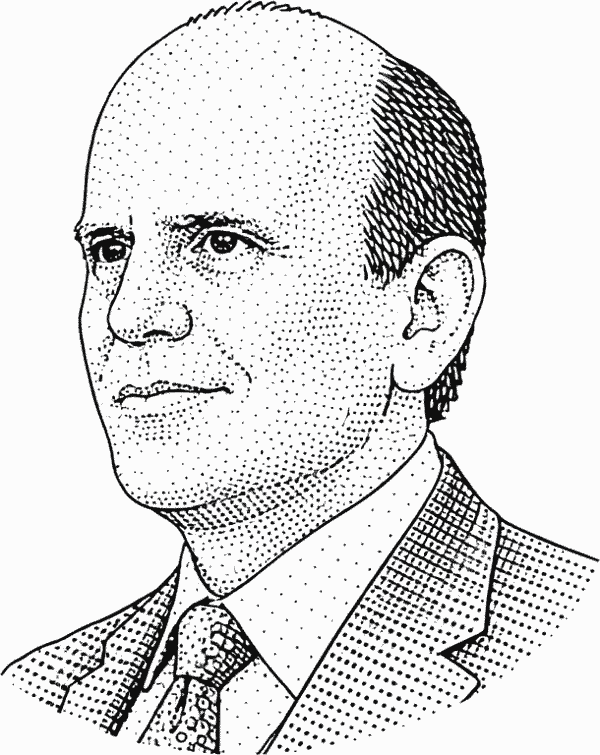
Warren Buffett quote portrait about long-term

Warren Buffett

We think in terms of years, not quarters.

Source: Berkshire Hathaway Letters

Core idea

Buffett emphasizes long-term thinking, focusing on enduring business value and sustainable growth rather than short-term market fluctuations or quarterly earnings, aligning decisions with multi-year outcomes instead of immediate results.

Practical application

Apply this by choosing strong businesses you understand, holding them for years, and ignoring short-term price swings or headlines so compounding and true value can work for you.

Why it matters

Buffett reveals that real investing edge comes from stretching your time horizon far beyond the crowd, letting business quality and compounding outrun short-term noise and performance pressure.
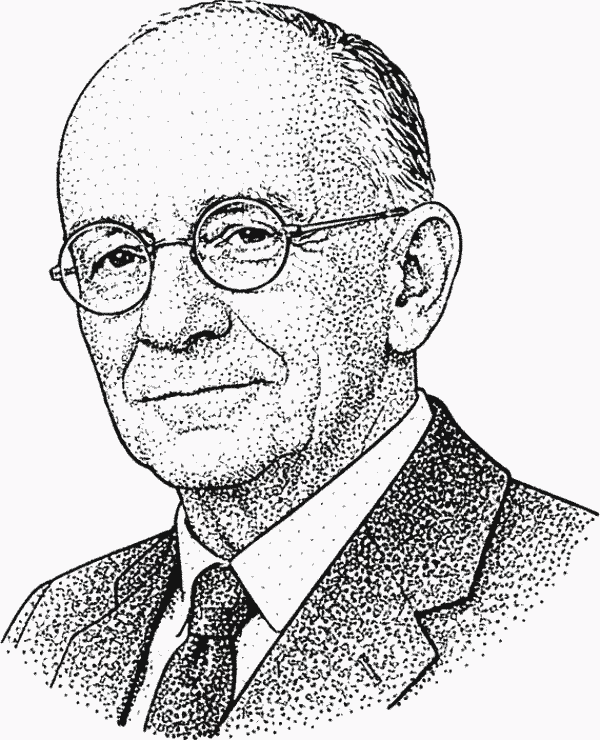
Warren Buffett quote portrait about long-term

Warren Buffett

We are long-term owners.

Source: Berkshire Hathaway Letters

Core idea

The core idea is to approach investing like owning a business for the long haul, prioritizing durable value and disciplined patience over short-term price movements or speculation.

Practical application

Treat each stock as if you are buying the whole business for many years, focusing on quality, durability, and management, not daily price swings or market gossip.

Why it matters

It reframes stocks as entire businesses you commit to for years, shifting attention from short-term price noise to enduring economics, competitive advantage, and trustworthy management.

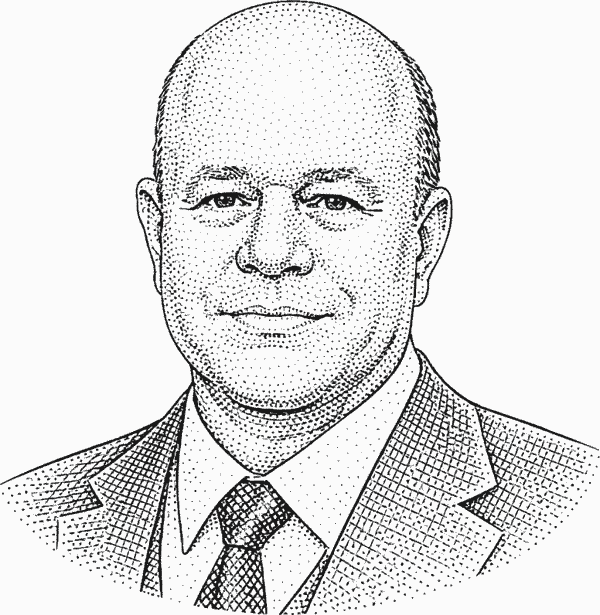
Warren Buffett quote portrait about business, long-term

Warren Buffett

Time is the enemy of the poor business.

Source: Berkshire Hathaway Letters

Core idea

In a weak business, ongoing competition, changing markets, and compounding costs steadily erode value, so the longer you own it, the worse your economic outcome becomes.

Practical application

When investing, remember that holding a weak business rarely fixes it; over time, competition and costs quietly destroy value, so favor strong, durable companies that improve with time.

Why it matters

Buffetts quote highlights that time magnifies business quality: in weak businesses, competitive decay compounds losses, making duration a liability instead of an asset for investors.

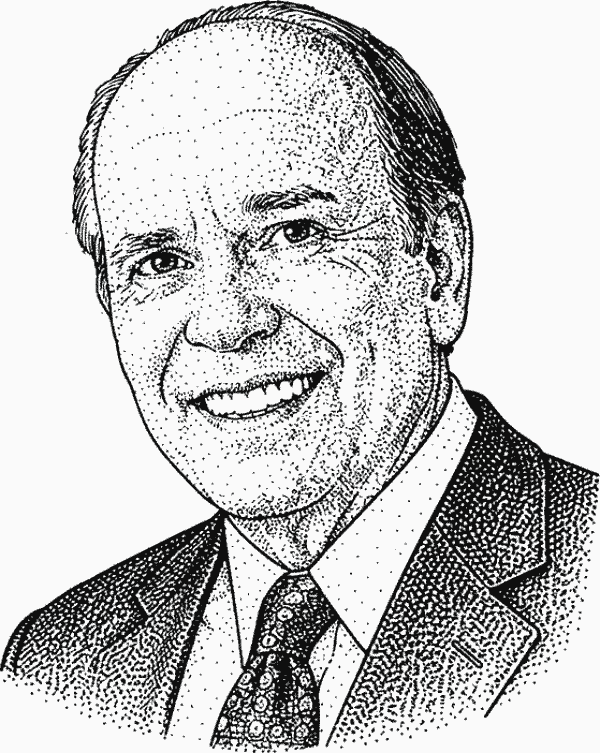
Warren Buffett quote portrait about investing, psychology

Warren Buffett

Our favorite holding period is forever.

Source: Berkshire Hathaway Letters

Core idea

Prioritize buying wonderful businesses at fair prices, then hold them indefinitely to maximize compounding returns, minimize transaction costs, and stay focused on long-term business performance, not short-term market swings.

Practical application

Buy strong companies you truly understand, hold them through market noise, and let time and compounding grow your wealth instead of constantly trading or chasing short-term gains.

Why it matters

Buffett reveals that the real edge in investing is patient ownership of enduringly great businesses, letting long-term compounding quietly outperform short-term trading, forecasting, and market timing.

Warren Buffett quote portrait about business, long-term

Warren Buffett

Time is the friend of the wonderful business.

Source: Berkshire Hathaway Letters

Core idea

Great businesses grow stronger and more valuable over long periods, so patient investors benefit enormously as competitive advantages and compounding returns amplify results over time.

Practical application

Apply this by seeking durable, high-quality companies, buying at sensible prices, and holding patiently so compounding, reinvestment, and competitive advantages steadily build your long-term wealth.

Why it matters

The insight is that owning exceptional, durable businesses lets time do most of the work, as compounding and competitive advantages steadily magnify value with minimal trading or intervention.

Warren Buffett quote portrait about business, long-term

Warren Buffett

A compact organization lets all of us spend our time managing the business rather than managing each other.

Source: Berkshire Hathaway Letters

Core idea

Small, simple organizations reduce internal bureaucracy, enabling leaders and employees to focus energy on real work, decision-making, and value creation instead of hierarchy, coordination, and office politics.

Practical application

As an investor, favor businesses with lean, simple structures; less internal friction means management spends more time on products, customers, and smart capital allocation, compounding your returns.

Why it matters

The special insight is that organizational simplicity is a powerful, durable competitive advantage, converting management time from internal coordination overhead into focused, compounding value creation for owners.

Warren Buffett quote portrait about long-term

Warren Buffett

My favorite holding period is forever.

Source: Berkshire Hathaway Letters

Core idea

Buffett champions buying outstanding businesses at fair prices and holding them indefinitely, emphasizing long-term compounding, patience, and ignoring short-term market noise for superior investment results.

Practical application

Apply this by focusing on buying strong, understandable businesses, holding them through volatility, reinvesting dividends, and letting years of compounding quietly build your wealth instead of trading frequently.

Why it matters

The special insight is that immense wealth often comes from patiently holding great businesses for decades, letting compounding quietly outperform constant trading and short-term market predictions.

Warren Buffett quote portrait about business, long-term

Warren Buffett

Over time, the performance of the stock must roughly match the performance of the business.

Source: Berkshire Hathaway Letters

Core idea

In the long run, a companys stock price will generally reflect the companys actual business results, so investors should focus on underlying fundamentals, not short-term market movements.

Practical application

Focus on researching companies with durable profits, steady growth, and strong balance sheets, then hold through volatility, trusting long-term stock returns to follow improving business fundamentals.

Why it matters

Stock prices and business results converge over time, so disciplined investors can ignore short-term market noise and profit by patiently owning companies with genuinely improving fundamentals.

Core idea

In market turmoil, having both liquidity and the bravery to act decisively lets you seize rare, undervalued opportunities that can create outsized long-term wealth.

Practical application

Build and keep a cash reserve, then train yourself to stay calm and analytical in downturns so you can buy quality assets when others are fearful and prices are irrational.

Why it matters

True crisis opportunities reward investors who deliberately maintain cash and emotional discipline, using chaos and widespread fear as a rare chance to buy great assets at extraordinary discounts.

Warren Buffett quote portrait about long-term

Warren Buffett

If you are not willing to own a stock for 10 years, do not even think about owning it for 10 minutes.

Source: Berkshire Hathaway Letters

Core idea

Invest for the long term; buy only businesses you understand and believe in so strongly that short-term price swings or quick profits do not drive your decisions.

Practical application

Before buying any stock, ask yourself if you would confidently hold it through a decade of ups and downs; if not, skip it and keep searching for stronger businesses.

Why it matters

It reframes stock picking as buying durable pieces of real businesses, forcing you to prioritize enduring quality and conviction over short-term noise, speculation, or price-driven impulses.

Warren Buffett quote portrait about wisdom, long-term

Warren Buffett

The future is never clear.

Source: Berkshire Hathaway Letters

Core idea

Buffett highlights that uncertainty is permanent, so investors should accept unclear forecasts, focus on fundamentals, and rely on disciplined long-term strategies instead of predicting precise future events.

Practical application

Accept that markets are always uncertain; instead of chasing predictions, build a diversified portfolio of quality assets, invest regularly, and stick to a long-term, disciplined plan.

Why it matters

The insight is that lasting investment success comes from embracing uncertainty, prioritizing fundamentals, and following a consistent long-term process instead of relying on confident-sounding predictions.

Warren Buffett quote portrait about long-term

Warren Buffett

Needs and desires have nothing to do with the long-term profitability of industries.

Source: Berkshire Hathaway Letters

Core idea

Long-term industry profitability depends on durable competitive advantages, not how badly people need or want the product; intense needs can still produce terrible, capital-destroying businesses.

Practical application

Apply this by favoring industries with enduring moats and rational competition, not just strong demand; even essential, beloved products can be awful, capital-hungry long-term investments.

Why it matters

Profitability flows from structural advantages and industry discipline, not customer passion or need; high demand without durable moats and rational competition can still annihilate investor capital.

Warren Buffett quote portrait about investing, long-term

Warren Buffett

Just as is the case in investing, insurers produce outstanding long-term results primarily by avoiding dumb decisions, rather than by making brilliant ones.

Source: Berkshire Hathaway Letters

Core idea

Long-term success in investing and insurance comes less from occasional genius moves and more from consistently steering clear of obvious, preventable mistakes that destroy capital.

Practical application

Focus less on finding brilliant stock picks and more on steadily avoiding obvious risks, overpriced assets, high fees, and impulsive decisions that can permanently damage your investing capital.

Why it matters

The special insight is that disciplined risk avoidance and capital protection, not sporadic brilliance, are the primary engines of durable, compounding success in investing and insurance alike.

Warren Buffett quote portrait about long-term

Warren Buffett

Over time, bad relative numbers will produce unsatisfactory absolute results.

Source: Berkshire Hathaway Letters

Core idea

Even if you are making progress, consistently lagging competitors or benchmarks will eventually lead to poor overall outcomes, because small disadvantages compound into large absolute shortfalls.

Practical application

As an investor, track your results versus clear benchmarks; even small, persistent underperformance compounds into large shortfalls that can derail long-term wealth and retirement goals.

Why it matters

Buffett highlights that in compounding systems, small, persistent underperformance versus peers or benchmarks inevitably snowballs into large absolute gaps, quietly destroying long-term success despite apparent progress.

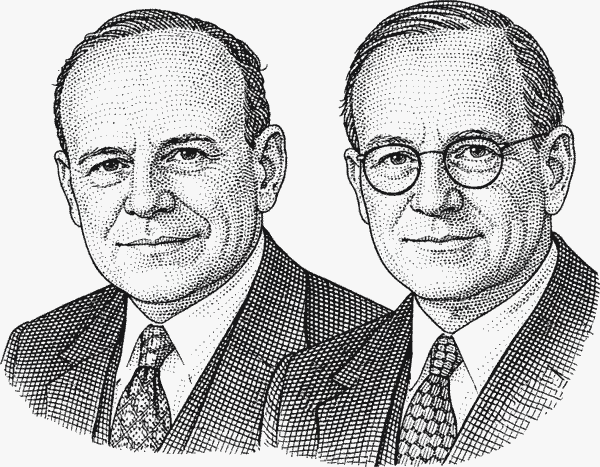
Benjamin Graham quote portrait about markets, long-term

Benjamin Graham

In the short run, the market is a voting machine but in the long run, it is a weighing machine.

Source: The Intelligent Investor / Security Analysis

Core idea

Short-term prices are driven by popularity, emotion, and crowd judgment, while long-term prices tend to reflect underlying business value. The quote separates noise from reality.

Practical application

Do not treat day-to-day market moves as meaningful verdicts on intrinsic value. Use volatility as an opportunity to think more clearly, not as a command to act emotionally.

Why it matters

This is one of the foundational ideas of value investing. Graham is telling the reader that markets can be irrational for long stretches, which is precisely why disciplined investors can outperform.

Benjamin Graham quote portrait about investing, long-term

Benjamin Graham

The investor must maintain a long-term perspective.

Source: The Intelligent Investor

Core idea

Graham urges investors to ignore short-term market noise and focus on a disciplined, long-term strategy based on business fundamentals, patience, and protection against emotional, reactive decisions.

Practical application

Apply this by investing regularly in solid businesses, ignoring daily price swings, sticking to a written plan, and reviewing fundamentals yearly instead of reacting emotionally to headlines.

Why it matters

True investing success comes from time in the market, not timing it, anchoring decisions to business value, discipline, and emotional resilience rather than short-term price movements.

Benjamin Graham quote portrait about markets, long-term

Benjamin Graham

In the short run, the market is a voting machine but in the long run it is a weighing machine.

Source: The Intelligent Investor

Core idea

Graham means that short-term stock prices reflect popular opinion and emotion, but long-term returns ultimately reflect a business real economic value and fundamental performance.

Practical application

Focus less on daily price swings and more on patiently owning financially strong, well-valued businesses, trusting that long-term fundamentals will outweigh short-term market noise.

Why it matters

Grahams quote insightfully separates noisy short-term market sentiment from enduring business reality, teaching that disciplined investors profit by aligning decisions with intrinsic value, not crowd emotion.

Benjamin Graham quote portrait about investing, long-term

Benjamin Graham

The investor should not be fully invested at all times.

Source: The Intelligent Investor

Core idea

Graham warns investors to always keep cash reserves, adjusting stock exposure to market valuations and risk, instead of staying 100 percent invested through all conditions.

Practical application

Apply Grahams quote by always keeping some cash, reducing stock exposure when prices seem high, and increasing it only when valuations and risks look clearly more favorable.

Why it matters

Graham's insight is that disciplined investors should treat cash as a strategic asset, flexibly adjusting stock exposure to valuations and risk instead of remaining mechanically fully invested.

Benjamin Graham quote portrait about investing, long-term

Benjamin Graham

The investor should focus on long-term results.

Source: The Intelligent Investor

Core idea

Graham urges investors to ignore short-term market noise and speculation, instead systematically focusing on fundamentals and long-term business performance to build sustainable, compounding wealth.

Practical application

Apply this by regularly investing in solid businesses, ignoring daily price swings, reviewing fundamentals yearly, and letting time, discipline, and compounding grow your wealth steadily.

Why it matters

The special insight is that enduring wealth comes from patient ownership of fundamentally sound businesses, where time and disciplined consistency matter far more than short-term market volatility or predictions.

Seth Klarman quote portrait about risk, valuation

Seth Klarman

While some might mistakenly consider value investing a mechanical tool for identifying bargains, it is actually a comprehensive investment philosophy that emphasizes the need to perform in-depth fundamental analysis, pursue long-term investment results, limit risk, and resist crowd psychology.

Source: Margin of Safety

Core idea

Value investing is not just buying cheap stocks; it is a full discipline of deep analysis, patience, risk control, and independent thinking against prevailing market sentiment.

Practical application

Apply this by studying businesses in depth, waiting patiently for clear mispricing, sizing positions conservatively, and sticking to your analysis even when the market disagrees.

Why it matters

The special insight is that true value investing is a rigorous, discipline-driven mindset integrating analysis, patience, risk management, and independent judgment, not a simple formula for buying statistically cheap stocks.

Seth Klarman quote portrait about valuation, long-term

Seth Klarman

The forces of supply and demand do not necessarily correlate with value at any given time.

Source: Margin of Safety

Core idea

Market prices are driven by shifting supply and demand, which can detach sharply from underlying business value, creating mispricings and opportunities for disciplined, value-focused investors.

Practical application

As an investor, remember market prices swing with emotion and flows, so focus on underlying business value and patiently buy when price falls well below that value.

Why it matters

Klarman highlights that price is just a temporary meeting point of supply and demand, not a reliable proxy for intrinsic value, creating systematic opportunities for patient, independent investors.

Seth Klarman quote portrait about markets, investing

Seth Klarman

As long as the market is rising, trading can seem lucrative. But essentially it is speculating, not investing.

Source: Margin of Safety

Core idea

When rising markets make frequent trading look profitable, people mistake luck for skill, confusing short-term speculation with disciplined investing based on underlying business value.

Practical application

When everything is going up, do not confuse lucky trades with real skill; keep judging opportunities by business value, not by recent price moves or quick gains.

Why it matters

Rising markets can disguise speculation as skillful investing; disciplined investors must ignore seductive short-term gains and stay anchored to intrinsic business value, not price momentum.

Seth Klarman quote portrait about markets, investing

Seth Klarman

Trying to predict the market is a waste of time, and investing based upon that prediction is a speculative undertaking.

Source: Margin of Safety

Core idea

The core idea is that successful investing focuses on valuation and risk control, not on unreliable market forecasts, because prediction-based strategies are essentially speculation, not true investing.

Practical application

Apply this by ignoring market forecasts, calmly buying only undervalued assets with a margin of safety, and focusing relentlessly on risk control instead of short-term predictions.

Why it matters

Its special insight is that genuine investing anchors decisions in intrinsic value and risk control, while reliance on market predictions turns capital allocation into mere speculation.

Seth Klarman quote portrait about long-term

Seth Klarman

Sometimes buying early on the way down looks like being wrong, but it isn't.

Source: Margin of Safety

Core idea

Klarman warns that value investors may appear wrong when buying falling stocks, yet such early purchases can be rational and profitable if based on sound intrinsic value analysis.

Practical application

Apply Klarman by buying solid businesses when prices fall below intrinsic value, accepting short-term pain and criticism in exchange for disciplined, research-based long-term gains.

Why it matters

The special insight is that value investing success often requires enduring temporary losses and outsider criticism when rational, research-based purchases are made before market prices reflect intrinsic value.

Seth Klarman quote portrait about investing, long-term

Seth Klarman

Investors would be much better off to redirect the time and effort committed to devising formulas into fundamental analysis of specific investment opportunities.

Source: Margin of Safety

Core idea

Klarman urges investors to stop obsessing over abstract formulas and instead focus their energy on deep, fundamental research into individual businesses and their real-world economics.

Practical application

To become a better investor, spend less time tweaking models and more time deeply understanding real businesses, their economics, competitive advantages, management quality, and downside risks.

Why it matters

The special insight is that enduring investment success comes less from elegant formulas and more from rigorous, business-level analysis grounded in real-world economics, competitive dynamics, and downside protection.

Seth Klarman quote portrait about valuation, long-term

Seth Klarman

Institutional selling can sometimes cause stock prices to depart from underlying value.

Source: Margin of Safety

Core idea

Large institutions often trade for non-fundamental reasons, and their heavy selling can push stock prices far below intrinsic value, creating mispricings and opportunities for patient investors.

Practical application

When big institutions dump a stock for non-business reasons, its price can sink far below true worth; patient investors can profit by buying when fear, not fundamentals, drives selling.

Why it matters

The special insight is that institutional selling often reflects constraints, mandates, or herd behavior rather than business reality, creating temporary mispricings that disciplined value investors can exploit.

Seth Klarman quote portrait about valuation, investing

Seth Klarman

Value investing requires a great deal of hard work, unusually strict discipline, and a long-term investment horizon. Few are willing and able to devote sufficient time and effort to become value investors, and only a fraction of those have the proper mind-set to succeed.

Source: Margin of Safety

Core idea

Successful value investing is rare because it demands intense effort, strict discipline, emotional resilience, and a long-term mindset that most people cannot or will not consistently maintain.

Practical application

To become a better investor, commit to deep research, strict rules, emotional control, and patience, knowing most people will not sustain this demanding long-term approach.

Why it matters

The insight is that value investing success comes from rare behavioral advantages - discipline, patience, and emotional resilience - not from secret information or superior intelligence.

Seth Klarman quote portrait about risk, investing

Seth Klarman

Investors buy securities that appear to offer attractive return for the risk incurred and sell when the return no longer justifies the risk.

Source: Margin of Safety

Core idea

Investors should constantly weigh potential return against risk, buying only when compensation is attractive and selling once the reward no longer adequately offsets the dangers involved.

Practical application

In real life, apply this by estimating downside first, demanding a clear margin of safety, sizing positions conservatively, and trimming or exiting once risk rises faster than expected reward.

Why it matters

The special insight is that investing is a dynamic balance, requiring continual reassessment of risk versus reward rather than blind faith in initial valuations or long-term optimism.

Benjamin Graham & David Dodd quote portrait about markets, investing

Benjamin Graham & David Dodd

As long as the market is rising, trading can seem lucrative. But essentially it is speculating, not investing.

Source: Security Analysis

Core idea

Riding a rising market by frequent trading may look profitable, but without careful analysis of underlying value it is mere speculation, not true long-term investing.

Practical application

In real life, focus on studying businesses and buying below intrinsic value, instead of chasing quick gains in a rising market, to build durable, less risky wealth.

Why it matters

True investing demands valuation-based discipline; profiting from a rising market without analyzing intrinsic worth is just speculation disguised as skill and leaves you exposed when conditions reverse.

Benjamin Graham & David Dodd quote portrait about valuation, long-term

Benjamin Graham & David Dodd

The forces of supply and demand do not necessarily correlate with value at any given time.

Source: Security Analysis

Core idea

Market prices often swing with short-term supply and demand pressures, while a businesses true underlying value can remain quite different, creating opportunities for disciplined investors.

Practical application

Use market price swings as signals to investigate, not commands to act; buy when price falls far below careful estimates of value, and ignore emotional crowd-driven volatility.

Why it matters

It reveals that market prices, driven by shifting crowd emotions and liquidity needs, often diverge sharply from intrinsic business value, creating repeatable opportunities for rational, patient investors.

Benjamin Graham & David Dodd quote portrait about markets, investing

Benjamin Graham & David Dodd

Trying to predict the market is a waste of time, and investing based upon that prediction is a speculative undertaking.

Source: Security Analysis

Core idea

Market timing is unreliable; instead of speculating on short-term price moves, investors should focus on fundamental value and long-term analysis to make sound, disciplined decisions.

Practical application

Apply this by ignoring short-term forecasts, buying only businesses you understand, at sensible prices, and holding patiently while value compounds, instead of chasing market predictions.

Why it matters

True investment success comes from disciplined appraisal of intrinsic value and long-term business performance, not from unreliable attempts to time short-term market fluctuations or price trends.

Benjamin Graham & David Dodd quote portrait about investing, long-term

Benjamin Graham & David Dodd

Investors would be much better off to redirect the time and effort committed to devising formulas into fundamental analysis of specific investment opportunities.

Source: Security Analysis

Core idea

Graham and Dodd urge investors to prioritize deep, company-specific fundamental research over chasing clever formulas, emphasizing judgment, intrinsic value, and business reality as the path to superior results.

Practical application

Instead of hunting for magical formulas, spend your time truly understanding businesses - their economics, management, and risks - and let that informed judgment guide your investment decisions.

Why it matters

The quote insight is that superior investing comes from rigorous, business-focused analysis and sound judgment, not from chasing complex formulas or mechanical shortcuts to value and safety.

Benjamin Graham & David Dodd quote portrait about valuation, long-term

Benjamin Graham & David Dodd

Institutional selling can sometimes cause stock prices to depart from underlying value.

Source: Security Analysis

Core idea

When large institutions sell for non-fundamental reasons, their heavy selling pressure can drive stock prices far below intrinsic value, creating temporary mispricings and potential bargains.

Practical application

When big institutions sell for reasons unrelated to fundamentals, patiently watch for unjustified price drops; they can offer rare chances to buy solid businesses at bargain prices.

Why it matters

The quote highlights that forced, non-fundamental institutional selling can create temporary, mechanical mispricings, where disciplined investors may buy quality businesses significantly below conservative intrinsic value estimates.

Benjamin Graham & David Dodd quote portrait about risk, investing

Benjamin Graham & David Dodd

Investors buy securities that appear to offer attractive return for the risk incurred and sell when the return no longer justifies the risk.

Source: Security Analysis

Core idea

Investors should compare potential return to risk, buying only when compensation for risk is favorable and selling once that balance turns unattractive, ensuring rational, risk-aware investment decisions.

Practical application

Apply this by estimating risk and expected return before every trade, buying only when return clearly outweighs risk and selling when that risk-return balance turns unfavorable.

Why it matters

The special insight is that intelligent investing hinges on continually weighing risk versus return, acting only when expected gains soundly justify potential losses, and exiting once that justification disappears.

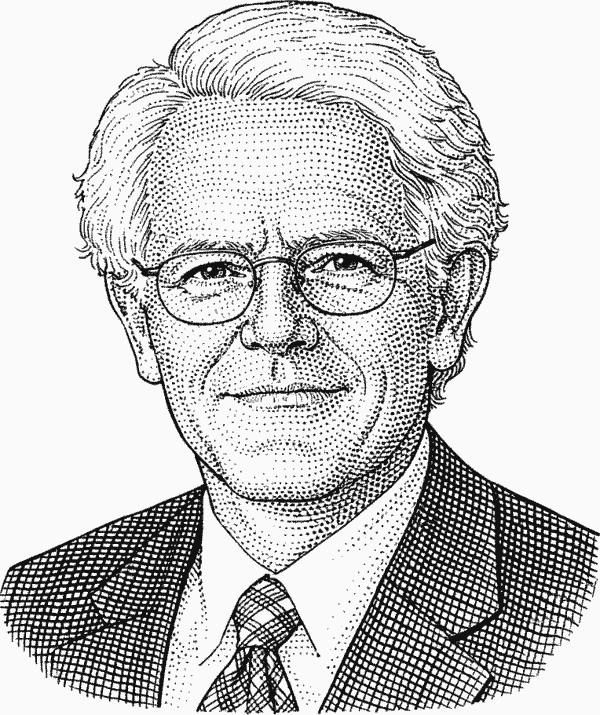
Peter Lynch quote portrait about business, long-term

Peter Lynch

Although it's easy to forget sometimes, a share is not a lottery ticket - it's part-ownership of a business.

Source: Speeches / Essays

Core idea

Stocks are not random bets but represent real ownership, so investors should focus on business fundamentals, long-term value, and company performance instead of short-term price movements.

Practical application

Apply this by studying companies like a potential owner: understand their products, finances, and competitive edge, then invest patiently based on long-term business strength, not short-term price swings.

Why it matters

This quote reframes stock investing as buying real businesses, compelling investors to think like owners, emphasizing durable fundamentals, competitive advantage, and long-term value over short-term price fluctuations.

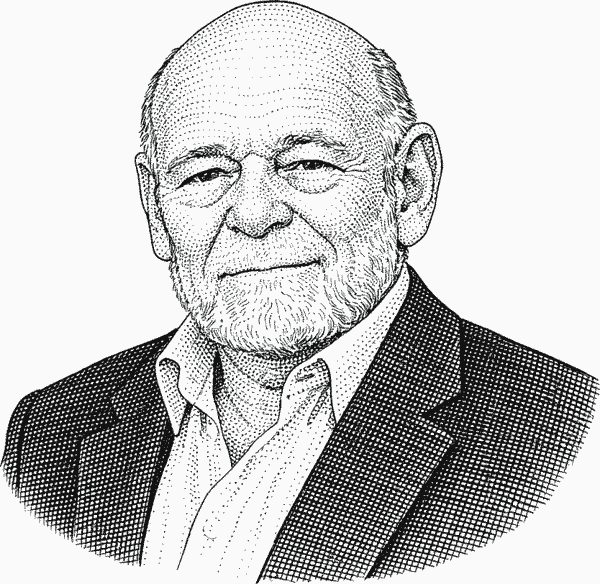
Sam Zell quote portrait about long-term

Sam Zell

Sentimentality about an asset leads to lack of discipline.

Source: Am I Being Too Subtle

Core idea

Emotional attachment to an investment clouds judgment and weakens decision-making, preventing you from acting rationally, selling when necessary, and enforcing strict risk and return discipline.

Practical application

To be a better investor, treat every asset as a number, not a friend, so you can sell ruthlessly, cut losses quickly, and reallocate to higher-return opportunities.

Why it matters

The insight is that detaching emotionally from assets preserves clear judgment, enabling disciplined selling, loss-cutting, and rational reallocation based solely on risk, return, and opportunity cost.

Peter Lynch quote portrait about investing, long-term

Peter Lynch

All you need for a lifetime of successful investing is a few big winners, and the pluses from those will overwhelm the minuses from the stocks that don't work out.

Source: Speeches / Essays

Core idea

Long-term investing success often comes from owning a few exceptional winners whose large gains more than offset numerous small losses or mediocre investments in the rest of the portfolio.

Practical application

Focus on patiently holding quality businesses with huge potential, accept that many picks will disappoint, and let a few big winners drive your long-term investing results.

Why it matters

The special insight is that successful investing relies on asymmetric outcomes: a few massive compounders can mathematically dominate many small losses, so persistence and patience with big winners are crucial.

Peter Lynch quote portrait about long-term

Peter Lynch

Time is on your side when you own shares of superior companies.

Source: Beating the Street

Core idea

Quality businesses compound value over time.

Practical application

Hold great companies longer than feels comfortable.

Why it matters

The real edge is not finding great businesses - it 's holding them.

Peter Lynch quote portrait about investing, long-term

Peter Lynch

In the long run, it's not just how much money you make that will determine your future prosperity. It's how much of that money you put to work by saving it and investing it.

Source: Speeches / Essays

Core idea

Long-term prosperity depends less on income level and more on consistently saving and investing a significant portion, allowing your money to grow and work for you over time.

Practical application

Focus less on chasing higher income and more on regularly saving and investing; disciplined contributions, even if modest, harness compounding and ultimately matter more than how much you earn.

Why it matters

True financial security springs not from high earnings alone but from deliberately saving and investing so your money compounds and increasingly works harder than you do.

Sam Zell quote portrait about long-term

Sam Zell

Trying to be right 100 percent of the time leads to paralysis.

Source: Am I Being Too Subtle

Core idea

Perfectionism kills action; insisting on being right every time prevents decisive moves, while accepting occasional mistakes enables faster decisions, learning, and real-world progress.

Practical application

As an investor, do thorough research but avoid waiting for perfect certainty; accept that some decisions will be wrong, because timely, informed action and learning compound your long-term edge.

Why it matters

The insight is that demanding perfect accuracy destroys momentum; embracing calculated imperfection enables faster decisions, compounding learning, and superior long-term results in uncertain, competitive environments.

Sam Zell quote portrait about investing, long-term

Sam Zell

Sentimentality about an investments leads to lack of discipline.

Source: Speeches / Essays

Core idea

The core idea is that emotional attachment to an investment undermines rational judgment, causing investors to ignore data, violate rules, and hold losing positions longer than they should.

Practical application

To be a better investor, regularly review positions against predefined rules, and if the numbers and thesis fail, sell decisively instead of defending the investment emotionally.

Why it matters

Zell spotlights that the real investing edge is emotional independence: the discipline to override attachment, obey rules, and let evidence, not ego, decide when to hold or exit.

Peter Lynch quote portrait about long-term

Peter Lynch

Patience is essential.

Source: Beating the Street

Core idea

Results take time to emerge.

Practical application

Hold through periods of inactivity.

Why it matters

Most investors quit before compounding works.

Peter Lynch quote portrait about long-term

Peter Lynch

If you stay in the game long enough, you will win.

Source: Beating the Street

Core idea

Persistence and time create success.

Practical application

Avoid catastrophic mistakes that take you out of the game.

Why it matters

Survival is underrated in investing.

Peter Lynch quote portrait about long-term

Peter Lynch

In the long run, the stock market is a weighing machine.

Source: Beating the Street

Core idea

Fundamentals eventually determine price.

Practical application

Ignore short-term noise - focus on earnings power.

Why it matters

Same core idea as Graham - Lynch reinforces it.

Donald Trump quote portrait about long-term

Donald Trump

I build quality. I build for the long term.

Source: The Art of the Deal

Core idea

The core idea is a commitment to creating durable, high-quality projects that prioritize long-term value, reputation, and impact over quick profits or short-lived, superficial success.

Practical application

As an investor, favor businesses that truly "build quality" and think long term, prioritizing durable value, strong fundamentals, and lasting reputation over fast gains or speculative hype.

Why it matters

True success comes from building lasting, high-quality foundations that compound value and trust over time, not from chasing quick wins, trends, or superficial short-term gains.

Donald Trump quote portrait about long-term

Donald Trump

I try to learn from the past, but I plan for the future.

Source: The Art of the Deal

Core idea

Success comes from respecting lessons of past experience while focusing energy, creativity, and decisions on shaping future opportunities, rather than dwelling on what cannot be changed.

Practical application

Study past market cycles and your own mistakes, but invest by focusing on future trends, probabilities, and discipline, not on regret, nostalgia, or trying to relive old wins.

Why it matters

It highlights that real power lies in extracting lessons from what already happened, then deliberately redirecting attention and resources toward creating better future outcomes instead of replaying old stories.

Donald Trump quote portrait about investing, long-term

Donald Trump

Experience taught me a few things. One is to listen to your gut, no matter how good something sounds on paper. The second is that you're generally better off sticking with what you know. And the third is that sometimes your best investments are the ones you don't make.

Source: Speeches / Essays

Core idea

Trust intuition over theory, rely on proven strengths, and recognize that disciplined restraint and opportunities you decline can be as valuable as the investments you choose.

Practical application

Apply this by double-checking numbers against your gut, focusing capital where you have an edge, and remembering that patiently saying no often protects and grows wealth.

Why it matters

True wisdom in investing is balancing analysis with intuition, concentrating on familiar strengths, and realizing that disciplined inaction and missed deals can be the most profitable moves.

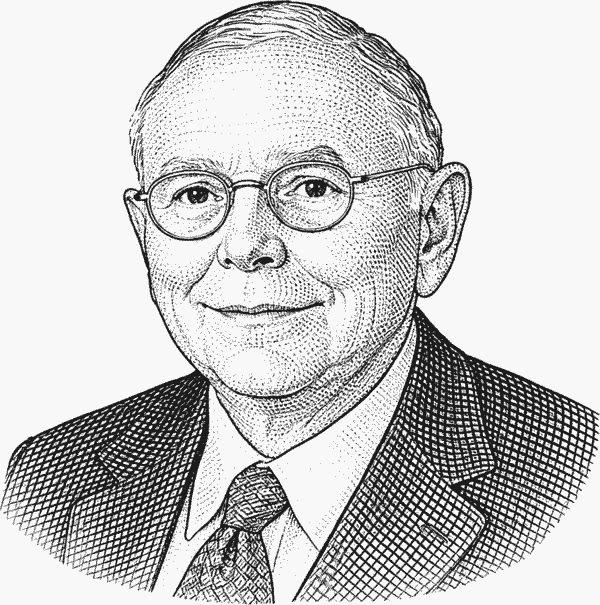
Charlie Munger quote portrait about long-term

Charlie Munger

It takes discipline to wait for the right opportunity.

Source: Art of Stock Picking

Core idea

Success in investing comes from patiently resisting constant action, ignoring mediocre opportunities, and deploying capital only when truly exceptional, well-understood chances appear with favorable odds and sufficient margin of safety.

Practical application

To be a better investor, learn to say no often, hold cash patiently, and act only when a business is simple, undervalued, and clearly within your circle of competence.

Why it matters

True investing edge comes from disciplined inaction: filtering endless noise, refusing average deals, and committing capital only when probability, price, and understanding align overwhelmingly in your favor.

Charlie Munger quote portrait about long-term, wisdom

Charlie Munger

You don't need many insights in a lifetime.

Source: Art of Stock Picking

Core idea

Enduring success usually comes from a few big, well-understood ideas carefully exploited over time, rather than constantly chasing many small, shallow, or frequent new insights.

Practical application

As an investor, focus on patiently finding a few truly great, understandable opportunities and then betting meaningfully and consistently on them, rather than chasing constant new ideas.

Why it matters

Lasting success comes from patiently mastering and repeatedly applying a few deep, well-tested insights, instead of endlessly chasing new, shallow ideas or frequent, speculative opportunities.

Charlie Munger quote portrait about long-term

Charlie Munger

The best opportunities come infrequently.

Source: Art of Stock Picking

Core idea

Great investments are rare and unpredictable, so you must wait patiently, keep cash and attention ready, and act decisively when truly exceptional opportunities finally appear.

Practical application

Improve your investing by patiently holding cash, studying constantly, ignoring average deals, and then moving quickly and boldly when a truly exceptional, clearly mispriced opportunity appears.

Why it matters

Exceptional investments are rare and unpredictable, so disciplined patience, continuous preparation, and decisive concentration of capital in a few outstanding opportunities beat constant activity and scattered, mediocre bets.

Charlie Munger quote portrait about long-term

Charlie Munger

It is remarkable how much long-term advantage people like us have gotten by trying to be consistently not stupid, instead of trying to be very intelligent.

Source: Speeches / Essays

Core idea

Consistently avoiding foolish mistakes creates a larger advantage than most people realize. Munger is arguing that success often comes less from brilliance than from not doing obviously dumb things.

Practical application

Focus on eliminating the common destroyers of results: overpaying, using leverage carelessly, following the crowd, and wandering outside your competence. The easiest gains often come from not losing.

Why it matters

This reflects Munger's broader worldview: rationality compounds. He is not dismissing intelligence?Çöhe is ranking error-avoidance above cleverness because clever people still blow themselves up.

Joel Greenblatt quote portrait about long-term

Joel Greenblatt

The stock market is a weighing machine in the long run.

Source: The Little Book That Beats the Market

Core idea

Over time, stock prices reflect the true economic weight of a business, so patient investors are ultimately rewarded for owning companies with genuinely strong fundamentals and earnings power.

Practical application

Apply this by focusing on buying strong, undervalued businesses, then patiently holding them while fundamentals compound, trusting long-term results over short-term market noise and volatility.

Why it matters

Enduring investment success comes from recognizing that, despite short-term mispricing, market forces eventually align stock prices with the enduring earnings power and intrinsic value of quality businesses.

Doug K. Le Du quote portrait about markets, investing

Doug K. Le Du

At any point in time, investors have to choose between the alternatives that are being offered by the market, not the market that used to exist and not the market that might exist some year in the future.

Source: Preferred Stock, 5th Edition

Core idea

The core idea is that investors must make decisions based on current, real market conditions and available choices, not on past environments or uncertain future possibilities.

Practical application

In real life, this means stop waiting for perfect conditions or past prices and calmly choose the best available investments today, given current risks, yields, and opportunities.

Why it matters

This quote highlights the liberating insight that rational investing demands acceptance of present reality, focusing on relative value today instead of anchoring on yesterday's bargains or tomorrow's fantasies.

John Maynard Keynes quote portrait about investing, management

John Maynard Keynes

As time goes on, I get more and more convinced that the right method of investment is to put fairly large sums into enterprises which one thinks one knows something about and in the management of which one thoroughly believes.

Source: Speeches / Essays

Core idea

Invest boldly in a few businesses you deeply understand and trust, rather than diversifying widely, because conviction and knowledge are more powerful than superficial risk spreading.

Practical application

Focus on a few businesses you truly understand, study them deeply, and invest meaningfully, instead of scattering small bets across many stocks you barely know or believe in.

Why it matters

Deep, concentrated investment in a few well-understood, trusted businesses can outperform broad diversification, because genuine knowledge and conviction often reduce real risk more than superficial spreading does.

John Maynard Keynes quote portrait about markets, long-term

John Maynard Keynes

Markets can remain irrational longer than you can remain solvent.

Source: Speeches / Essays

Core idea

Financial markets can act unpredictably for extended periods, so betting against perceived mispricing is dangerous because you may go bankrupt before prices eventually correct.

Practical application

Do not assume markets will quickly reflect your analysis; size positions conservatively, manage risk tightly, and stay diversified so you can survive until reality eventually matches fundamentals.

Why it matters

It warns that timing risk can be deadlier than valuation risk: being correct too early can bankrupt you, so survival and risk control matter more than intellectual rightness.

John Maynard Keynes quote portrait about long-term

John Maynard Keynes

In the long run, we are all dead.

Source: Speeches / Essays

Core idea

Keynes warns that focusing solely on long-run outcomes ignores urgent present problems, so economic policy must address immediate human needs instead of waiting for distant theoretical equilibria.

Practical application

As an investor, remember Keynes: do not ignore present risks or cash needs while chasing distant projections; survival and flexibility today matter more than theoretical long-run returns.

Why it matters

Keynes highlights that time horizons matter: solutions that work only "eventually" can be useless or harmful if they ignore immediate realities, constraints, and the need to survive today.

Jim Cramer quote portrait about investing, long-term

Jim Cramer

As long as you enjoy investing, you'll be willing to do the homework and stay in the game.

Source: Speeches / Essays

Core idea

Enjoyment fuels persistence in investing; when you truly like the process, you willingly do the research, learn continuously, and stay committed through market ups and downs.

Practical application

If you can learn to genuinely enjoy studying businesses and markets, you will naturally keep researching, improving, and staying invested even when volatility or setbacks make others quit.

Why it matters

True investing edge comes from loving the process itself, because genuine enjoyment sustains the curiosity, discipline, and resilience needed to outlast market noise and emotional fatigue.

Shelby Davis quote portrait about markets, long-term

Shelby Davis

You make most of your money in a bear market, you just don't realize it at the time.

Source: Speeches / Essays

Core idea

The core idea is that buying quality investments cheaply during frightening downturns quietly sets up most long-term gains, even though the profits only become obvious in later bull markets.

Practical application

When markets crash, focus on steadily buying strong, undervalued businesses; future bull markets will reveal that these disciplined, uncomfortable purchases created most of your long-term gains.

Why it matters

It reveals that real long-term wealth is created not by chasing euphoric bull markets, but by calmly accumulating quality assets when fear-driven selling makes them deeply undervalued.

Geraldine Weiss quote portrait about investing, long-term

Geraldine Weiss

Never is there a better time to buy a stock than when a basically sound company, for whatever reason, temporarily falls out of favor with the investment community.

Source: Speeches / Essays

Core idea

The core idea is that temporary market pessimism toward a fundamentally strong company creates a rare buying opportunity, allowing investors to purchase quality stocks at discounted prices.

Practical application

Apply this by tracking strong companies, waiting for unjustified price drops from negative sentiment, then buying carefully after confirming fundamentals and risk still match your long-term plan.

Why it matters

The insight is that emotional market overreactions, not business deterioration, often create the best bargains in quality stocks, rewarding investors who distinguish sentiment from fundamentals.

Shelby Davis quote portrait about investing, long-term

Shelby Davis

Invest for the long haul. Don't get too greedy and don't get too scared.

Source: Speeches / Essays

Core idea

The core idea is to stay committed to long-term investing, maintaining emotional balance by avoiding excessive greed during booms and excessive fear during downturns.

Practical application

In real life, follow a consistent long-term plan, keep investing through ups and downs, and avoid emotional decisions driven by hot tips, market euphoria, or scary headlines.

Why it matters

It highlights that emotional discipline, not just stock selection, is the real edge in long-term investing, since resisting greed and fear preserves compounding and rational decision-making.

Christopher Davis quote portrait about markets, long-term

Christopher Davis

Though tempting, trying to time the market is a loser's game.

Source: Speeches / Essays

Core idea

The quote warns that predicting short-term market moves is nearly impossible, so investors are better off focusing on long-term, disciplined investing instead of frequent trading.

Practical application

Apply this by creating a long-term plan, investing regularly in diversified assets, ignoring daily headlines, and resisting emotional trades based on fear, greed, or market predictions.

Why it matters

Timing attempts reflect overconfidence; accepting markets unpredictability frees investors to focus on disciplined, diversified, long-term compounding instead of destructive short-term speculation and reactionary trading.

Daymond John quote portrait about long-term

Daymond John

Don't wait for the perfect time, you will wait forever. Always take advantage of the time you're given and make it perfect.

Source: Speeches / Essays

Core idea

Progress comes from acting now with imperfect conditions, then improving along the way, rather than delaying indefinitely while waiting for ideal circumstances that will never fully arrive.

Practical application

Start investing small amounts now, learn from each decision, and refine your strategy with experience instead of endlessly waiting for the perfect market, stock, or strategy.

Why it matters

The special insight is that meaningful achievement comes from starting imperfectly, learning in motion, and continuously refining, instead of stalling progress while chasing nonexistent perfect conditions.

Ralph Wanger quote portrait about investing, business

Ralph Wanger

If you're looking for a home run, a great investment for five years or 10 years or more, then the only way to beat this enormous fog that covers the future is to identify a long-term trend that will give a particular business some sort of edge.

Source: Speeches / Essays

Core idea

Long-term investment success requires focusing on durable trends that create lasting competitive advantages, because only such structural forces can cut through uncertainty about the distant future.

Practical application

To be a better investor, spend most of your time finding businesses riding durable, long-term trends, not guessing short-term moves, because structural tailwinds outlast market noise.

Why it matters

The special insight is that enduring structural trends, not short-term predictions, are the most reliable source of lasting competitive edge and superior long-term investment returns.

Bernard Baruch quote portrait about long-term

Bernard Baruch

If a speculator is correct half of the time, he is hitting a good average. Even being right 3 or 4 times out of 10 should yield a person a fortune if he has the sense to cut his losses quickly on the ventures where he is wrong.

Source: Speeches / Essays

Core idea

Investment success depends less on high prediction accuracy and more on strict risk management: limit losses quickly so a few substantial winners outweigh numerous small losers.

Practical application

You do not need to be right often to grow wealth; focus on cutting losing positions quickly and letting a few strong winners run to compound your gains.

Why it matters

The insight is that disciplined risk management and cutting losses swiftly matter far more than being frequently right, because a few major winners can outweigh many small, controlled losers.

Sir John Templeton quote portrait about investing, long-term

Sir John Templeton

The four most dangerous words in investing are: 'this time it's different.'

Source: Speeches / Essays

Core idea

The core idea is that investors repeatedly ignore history, believing new conditions invalidate past lessons, which leads them to underestimate risk and repeat old, costly mistakes.

Practical application

In real life, remember markets follow recurring cycles, so study past booms and crashes before investing, instead of assuming new trends or technologies make old risks disappear.

Why it matters

Templeton spotlights a timeless bias: investors rationalize bubbles as unique, dismissing historical parallels, thereby amplifying risk and repeating avoidable errors despite abundant evidence of recurring market patterns.

Michael Milken quote portrait about markets, long-term

Michael Milken

The right time for a company to finance its growth is not when it needs capital, but rather when the market is most receptive to providing capital.

Source: Speeches / Essays

Core idea

Companies should raise capital opportunistically when investors are enthusiastic and terms are favorable, not wait until they are desperate and have weak bargaining power.

Practical application

As an investor, favor companies that raise money when conditions are strong and terms attractive, since disciplined opportunistic financing usually signals prudent management and lower future dilution risk.

Why it matters

Milken highlights that timing capital raises to market optimism, not immediate need, transforms financing into a strategic advantage, preserving leverage, reducing dilution, and signaling superior management discipline.

Ray Dalio quote portrait about long-term

Ray Dalio

In trading you have to be defensive and aggressive at the same time. If you are not aggressive, you are not going to make money, and if you are not defensive, you are not going to keep money.

Source: Speeches / Essays

Core idea

Successful trading requires a paradoxical balance: boldly pursuing opportunities to grow capital while rigorously managing risk to protect and preserve existing capital through inevitable market adversity.

Practical application

To be a better investor, push your winners with conviction but always cap your downside with diversification, position sizing, and disciplined stop-loss or exit rules.

Why it matters

The special insight is that enduring trading success hinges on simultaneously maximizing upside through conviction and systematically minimizing downside through strict, preplanned risk controls and capital preservation.

William Feather quote portrait about markets, long-term

William Feather

One of the funny things about the stock market is that every time one person buys, another sells, and both think they are astute.

Source: Speeches / Essays

Core idea

The quote highlights how markets reflect opposing yet confident beliefs, showing that perceived wisdom in investing is subjective, uncertain, and often based on differing interpretations of the same information.

Practical application

Use this quote as a reminder to stay humble, question your assumptions, manage risk carefully, and recognize that every trade reflects conflicting yet equally confident interpretations of uncertainty.

Why it matters

It reveals that market prices emerge from equally confident but opposing judgments, so conviction alone is meaningless without humility, probabilistic thinking, and disciplined risk management.

David Tepper quote portrait about long-term

David Tepper

This company looks cheap, that company looks cheap, but the overall economy could completely screw it up. The key is to wait. Sometimes the hardest thing to do is to do nothing.

Source: Speeches / Essays

Core idea

Even attractive investments can be derailed by broader economic risks, so disciplined investors must patiently wait for favorable conditions instead of acting impulsively when things merely look cheap.

Practical application

Apply this by resisting the urge to buy just because prices look cheap; instead, patiently wait for both solid fundamentals and a supportive economic backdrop before investing.

Why it matters

True investing discipline means recognizing that low prices alone are not enough; the real edge comes from patiently aligning opportunities with favorable macro conditions before committing capital.

William O'Neil quote portrait about markets, long-term

William O'Neil

The whole secret to winning big in the stock market is not to be right all the time, but to lose the least amount possible when you're wrong.

Source: Speeches / Essays

Core idea

The core idea is that long-term stock market success depends less on frequent accuracy and more on rigorously limiting losses whenever trades go against you.

Practical application

To become a better investor, focus less on predicting every winner and more on cutting losses quickly, so a few big gains are not destroyed by many unmanaged losers.

Why it matters

Its special insight is that disciplined downside protection, not constant correctness, is what compounds capital over time, because small, controlled losses preserve the impact of rare big winners.

Jim Rogers quote portrait about long-term

Jim Rogers

Nearly every time I strayed from the herd, I've made a lot of money. Wandering away from the action is the way to find the new action.

Source: Speeches / Essays

Core idea

Real opportunity often lies outside the crowd; by avoiding popular trends and independently seeking neglected areas, you can discover valuable, overlooked investments and achieve outsized returns.

Practical application

To be a better investor, deliberately research ignored sectors, question popular narratives, and patiently hold quality assets others overlook, where mispricing and future upside are often greatest.

Why it matters

The insight is that superior returns come from independent thinking, rigorously exploring unfashionable ideas and assets where crowd neglect creates mispricing, rather than following popular, crowded opportunities.

What this category teaches

How to Use Long-term Quotes Well

Read for patterns

The strongest lessons usually repeat. Compare how multiple thinkers approach long-term and look for ideas that keep resurfacing.

Turn ideas into checklists

The best use of a page like this is practical. Let a quote refine how you value a business, frame risk, study management, or respond to market emotion.

Frequently asked questions

Questions About Long-term Quotes

What are long-term quotes?

Long-term quotes is quotations that revolve around the theme of long-term and help readers revisit durable principles on that subject.

Why study long-term quotes?

Because durable ideas become more useful when readers see how different thinkers express the same theme from different angles.

How should I use this page?

Read slowly, compare recurring patterns, and decide which ideas belong on your own checklist.

Are these quotes investment advice?

No. They are educational material designed to help readers think more clearly about business and investing principles.

Can I browse by author too?

Yes. Usethe authors indexto study one thinker in depth, then return to category pages to compare perspectives.