Long-Term Investing

15 Long-Term Investing Quotes on Patience, Compounding, and Staying the Course

The best long-term investing survive because they condense long experience into language you can remember when judgment matters most. This collection focuses on enduring ideas around long-term investing, compounding, patience, time, not as slogans to admire from a distance, but as working principles that can improve how readers analyze businesses, think about markets, and make decisions over time. A truly useful quote does more than sound wise. It clarifies what deserves attention when headlines become noisy, prices become emotional, or a complex decision needs to be reduced to first principles. That is why serious investors and business builders keep returning to memorable lines from disciplined thinkers. They use them to sharpen checklists, reinforce patience, and remember what usually matters more than the latest market move. Each quote on this page is paired with context, practical application, and a deeper explanation so the lesson does not remain abstract. Read these selections slowly. Ask what each one implies about process, valuation, risk, incentives, or temperament. The goal is not to collect clever sentences. The goal is to build a sturdier mental framework for acting well under pressure. Over time, the readers who benefit most from pages like this are the ones who revisit durable ideas until they become habits. Capital compounds, but so does judgment. Returning to the right ideas again and again is one way thoughtful readers improve both.

Featured collection

15 Ideas Worth Revisiting

A curated set of 15 quotes, each paired with context, practical application, and deeper insight.

1 of 15
At any point in time, investors have to choose between the alternatives that are being offered by the market, not the market that used to exist and not the market that might exist some year in the future.

Core idea

The core idea is that investors must make decisions based on current, real market conditions and available choices, not on past environments or uncertain future possibilities.

Practical application

In real life, this means stop waiting for perfect conditions or past prices and calmly choose the best available investments today, given current risks, yields, and opportunities.

Why it matters

This quote highlights the liberating insight that rational investing demands acceptance of present reality, focusing on relative value today instead of anchoring on yesterday's bargains or tomorrow's fantasies.


All you need for a lifetime of successful investing is a few big winners, and the pluses from those will overwhelm the minuses from the stocks that don't work out.

Core idea

Long-term investing success often comes from owning a few exceptional winners whose large gains more than offset numerous small losses or mediocre investments in the rest of the portfolio.

Practical application

Focus on patiently holding quality businesses with huge potential, accept that many picks will disappoint, and let a few big winners drive your long-term investing results.

Why it matters

The special insight is that successful investing relies on asymmetric outcomes: a few massive compounders can mathematically dominate many small losses, so persistence and patience with big winners are crucial.

The investor must maintain a long-term perspective.

Core idea

Graham urges investors to ignore short-term market noise and focus on a disciplined, long-term strategy based on business fundamentals, patience, and protection against emotional, reactive decisions.

Practical application

Apply this by investing regularly in solid businesses, ignoring daily price swings, sticking to a written plan, and reviewing fundamentals yearly instead of reacting emotionally to headlines.

Why it matters

True investing success comes from time in the market, not timing it, anchoring decisions to business value, discipline, and emotional resilience rather than short-term price movements.

While some might mistakenly consider value investing a mechanical tool for identifying bargains, it is actually a comprehensive investment philosophy that emphasizes the need to perform in-depth fundamental analysis, pursue long-term investment results, limit risk, and resist crowd psychology.

Core idea

Value investing is not just buying cheap stocks; it is a full discipline of deep analysis, patience, risk control, and independent thinking against prevailing market sentiment.

Practical application

Apply this by studying businesses in depth, waiting patiently for clear mispricing, sizing positions conservatively, and sticking to your analysis even when the market disagrees.

Why it matters

The special insight is that true value investing is a rigorous, discipline-driven mindset integrating analysis, patience, risk management, and independent judgment, not a simple formula for buying statistically cheap stocks.

Our favorite holding period is forever.

Core idea

Prioritize buying wonderful businesses at fair prices, then hold them indefinitely to maximize compounding returns, minimize transaction costs, and stay focused on long-term business performance, not short-term market swings.

Practical application

Buy strong companies you truly understand, hold them through market noise, and let time and compounding grow your wealth instead of constantly trading or chasing short-term gains.

Why it matters

Buffett reveals that the real edge in investing is patient ownership of enduringly great businesses, letting long-term compounding quietly outperform short-term trading, forecasting, and market timing.

Invest for the long haul. Don't get too greedy and don't get too scared.

Core idea

The core idea is to stay committed to long-term investing, maintaining emotional balance by avoiding excessive greed during booms and excessive fear during downturns.

Practical application

In real life, follow a consistent long-term plan, keep investing through ups and downs, and avoid emotional decisions driven by hot tips, market euphoria, or scary headlines.

Why it matters

It highlights that emotional discipline, not just stock selection, is the real edge in long-term investing, since resisting greed and fear preserves compounding and rational decision-making.

As time goes on, I get more and more convinced that the right method of investment is to put fairly large sums into enterprises which one thinks one knows something about and in the management of which one thoroughly believes.

Core idea

Invest boldly in a few businesses you deeply understand and trust, rather than diversifying widely, because conviction and knowledge are more powerful than superficial risk spreading.

Practical application

Focus on a few businesses you truly understand, study them deeply, and invest meaningfully, instead of scattering small bets across many stocks you barely know or believe in.

Why it matters

Deep, concentrated investment in a few well-understood, trusted businesses can outperform broad diversification, because genuine knowledge and conviction often reduce real risk more than superficial spreading does.

Investors would be much better off to redirect the time and effort committed to devising formulas into fundamental analysis of specific investment opportunities.

Core idea

Graham and Dodd urge investors to prioritize deep, company-specific fundamental research over chasing clever formulas, emphasizing judgment, intrinsic value, and business reality as the path to superior results.

Practical application

Instead of hunting for magical formulas, spend your time truly understanding businesses - their economics, management, and risks - and let that informed judgment guide your investment decisions.

Why it matters

The quote insight is that superior investing comes from rigorous, business-focused analysis and sound judgment, not from chasing complex formulas or mechanical shortcuts to value and safety.

If you're looking for a home run, a great investment for five years or 10 years or more, then the only way to beat this enormous fog that covers the future is to identify a long-term trend that will give a particular business some sort of edge.

Core idea

Long-term investment success requires focusing on durable trends that create lasting competitive advantages, because only such structural forces can cut through uncertainty about the distant future.

Practical application

To be a better investor, spend most of your time finding businesses riding durable, long-term trends, not guessing short-term moves, because structural tailwinds outlast market noise.

Why it matters

The special insight is that enduring structural trends, not short-term predictions, are the most reliable source of lasting competitive edge and superior long-term investment returns.

Never is there a better time to buy a stock than when a basically sound company, for whatever reason, temporarily falls out of favor with the investment community.

Core idea

The core idea is that temporary market pessimism toward a fundamentally strong company creates a rare buying opportunity, allowing investors to purchase quality stocks at discounted prices.

Practical application

Apply this by tracking strong companies, waiting for unjustified price drops from negative sentiment, then buying carefully after confirming fundamentals and risk still match your long-term plan.

Why it matters

The insight is that emotional market overreactions, not business deterioration, often create the best bargains in quality stocks, rewarding investors who distinguish sentiment from fundamentals.

Sentimentality about an investments leads to lack of discipline.

Core idea

The core idea is that emotional attachment to an investment undermines rational judgment, causing investors to ignore data, violate rules, and hold losing positions longer than they should.

Practical application

To be a better investor, regularly review positions against predefined rules, and if the numbers and thesis fail, sell decisively instead of defending the investment emotionally.

Why it matters

Zell spotlights that the real investing edge is emotional independence: the discipline to override attachment, obey rules, and let evidence, not ego, decide when to hold or exit.

The four most dangerous words in investing are: 'this time it's different.'

Core idea

The core idea is that investors repeatedly ignore history, believing new conditions invalidate past lessons, which leads them to underestimate risk and repeat old, costly mistakes.

Practical application

In real life, remember markets follow recurring cycles, so study past booms and crashes before investing, instead of assuming new trends or technologies make old risks disappear.

Why it matters

Templeton spotlights a timeless bias: investors rationalize bubbles as unique, dismissing historical parallels, thereby amplifying risk and repeating avoidable errors despite abundant evidence of recurring market patterns.

Experience taught me a few things. One is to listen to your gut, no matter how good something sounds on paper. The second is that you're generally better off sticking with what you know. And the third is that sometimes your best investments are the ones you don't make.

Core idea

Trust intuition over theory, rely on proven strengths, and recognize that disciplined restraint and opportunities you decline can be as valuable as the investments you choose.

Practical application

Apply this by double-checking numbers against your gut, focusing capital where you have an edge, and remembering that patiently saying no often protects and grows wealth.

Why it matters

True wisdom in investing is balancing analysis with intuition, concentrating on familiar strengths, and realizing that disciplined inaction and missed deals can be the most profitable moves.

Patience is the key to successful investing.

Core idea

Lasting investing success comes from patiently holding undervalued, quality businesses long enough for their true worth to be recognized, rather than constantly reacting to short-term market noise.

Practical application

Apply this by buying strong, undervalued companies, then patiently holding through volatility, ignoring headlines and short-term price swings, and letting time and compounding reveal their true value.

Why it matters

True investing edge comes from disciplined inaction: buying quality undervalued businesses, then letting time, fundamentals, and compounding work instead of reacting to every market fluctuation.

As long as you enjoy investing, you'll be willing to do the homework and stay in the game.

Core idea

Enjoyment fuels persistence in investing; when you truly like the process, you willingly do the research, learn continuously, and stay committed through market ups and downs.

Practical application

If you can learn to genuinely enjoy studying businesses and markets, you will naturally keep researching, improving, and staying invested even when volatility or setbacks make others quit.

Why it matters

True investing edge comes from loving the process itself, because genuine enjoyment sustains the curiosity, discipline, and resilience needed to outlast market noise and emotional fatigue.

What these quotes have in common

Key Ideas Behind Long-Term Investing

What this page emphasizes

These selections keep returning to long-term investing, practical judgment, and the habit of separating noise from durable business reality.

How to use this page

Treat each quotation as a prompt for process. Ask what it changes about your checklist, your valuation discipline, or the way you respond to uncertainty.

Full collection

Read Every Quote with Context

For readers who prefer to study rather than skim, here is the complete set in a clean reading format.

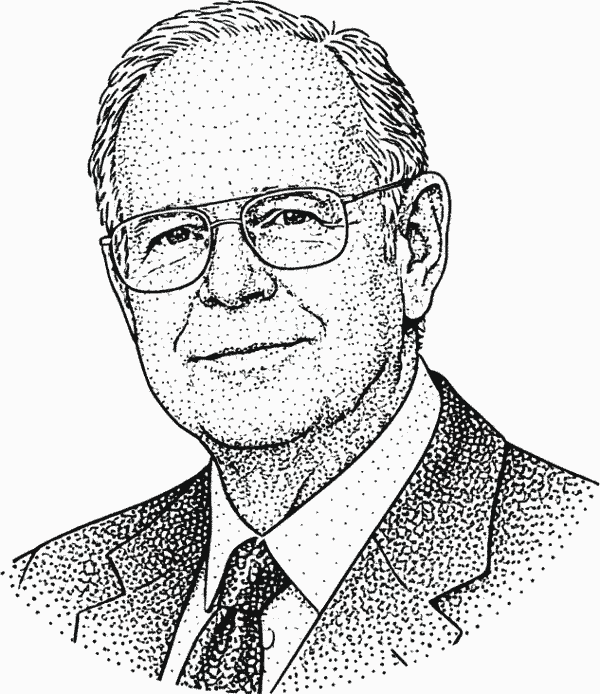
Doug K. Le Du quote portrait about markets, investing

Doug K. Le Du

At any point in time, investors have to choose between the alternatives that are being offered by the market, not the market that used to exist and not the market that might exist some year in the future.

Source: , 5th Edition

Core idea

The core idea is that investors must make decisions based on current, real market conditions and available choices, not on past environments or uncertain future possibilities.

Practical application

In real life, this means stop waiting for perfect conditions or past prices and calmly choose the best available investments today, given current risks, yields, and opportunities.

Why it matters

This quote highlights the liberating insight that rational investing demands acceptance of present reality, focusing on relative value today instead of anchoring on yesterday's bargains or tomorrow's fantasies.

Peter Lynch quote portrait about investing, long-term

Peter Lynch

All you need for a lifetime of successful investing is a few big winners, and the pluses from those will overwhelm the minuses from the stocks that don't work out.

Source: Speeches / Essays

Core idea

Long-term investing success often comes from owning a few exceptional winners whose large gains more than offset numerous small losses or mediocre investments in the rest of the portfolio.

Practical application

Focus on patiently holding quality businesses with huge potential, accept that many picks will disappoint, and let a few big winners drive your long-term investing results.

Why it matters

The special insight is that successful investing relies on asymmetric outcomes: a few massive compounders can mathematically dominate many small losses, so persistence and patience with big winners are crucial.

Benjamin Graham quote portrait about investing, long-term

Benjamin Graham

The investor must maintain a long-term perspective.

Source: The Intelligent Investor

Core idea

Graham urges investors to ignore short-term market noise and focus on a disciplined, long-term strategy based on business fundamentals, patience, and protection against emotional, reactive decisions.

Practical application

Apply this by investing regularly in solid businesses, ignoring daily price swings, sticking to a written plan, and reviewing fundamentals yearly instead of reacting emotionally to headlines.

Why it matters

True investing success comes from time in the market, not timing it, anchoring decisions to business value, discipline, and emotional resilience rather than short-term price movements.

Seth Klarman quote portrait about risk, valuation

Seth Klarman

While some might mistakenly consider value investing a mechanical tool for identifying bargains, it is actually a comprehensive investment philosophy that emphasizes the need to perform in-depth fundamental analysis, pursue long-term investment results, limit risk, and resist crowd psychology.

Source: Margin of Safety

Core idea

Value investing is not just buying cheap stocks; it is a full discipline of deep analysis, patience, risk control, and independent thinking against prevailing market sentiment.

Practical application

Apply this by studying businesses in depth, waiting patiently for clear mispricing, sizing positions conservatively, and sticking to your analysis even when the market disagrees.

Why it matters

The special insight is that true value investing is a rigorous, discipline-driven mindset integrating analysis, patience, risk management, and independent judgment, not a simple formula for buying statistically cheap stocks.

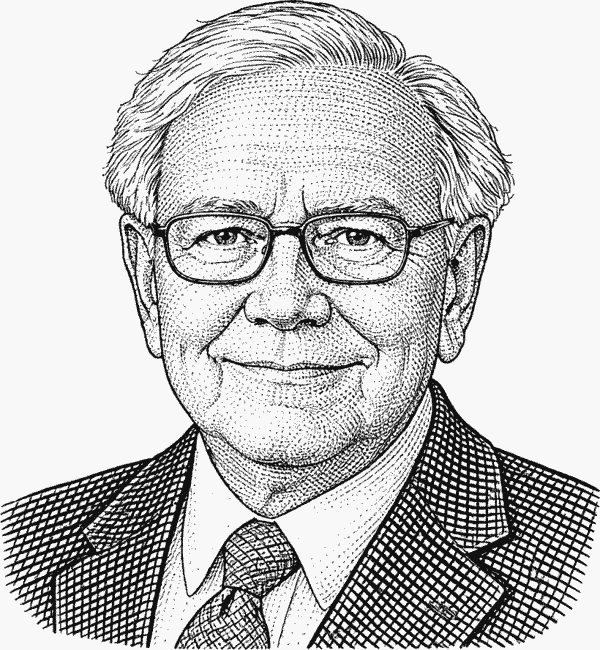
Warren Buffett quote portrait about investing, psychology

Warren Buffett

Our favorite holding period is forever.

Source: Berkshire Hathaway Letters

Core idea

Prioritize buying wonderful businesses at fair prices, then hold them indefinitely to maximize compounding returns, minimize transaction costs, and stay focused on long-term business performance, not short-term market swings.

Practical application

Buy strong companies you truly understand, hold them through market noise, and let time and compounding grow your wealth instead of constantly trading or chasing short-term gains.

Why it matters

Buffett reveals that the real edge in investing is patient ownership of enduringly great businesses, letting long-term compounding quietly outperform short-term trading, forecasting, and market timing.

Shelby Davis quote portrait about investing, long-term

Shelby Davis

Invest for the long haul. Don't get too greedy and don't get too scared.

Source: Speeches / Essays

Core idea

The core idea is to stay committed to long-term investing, maintaining emotional balance by avoiding excessive greed during booms and excessive fear during downturns.

Practical application

In real life, follow a consistent long-term plan, keep investing through ups and downs, and avoid emotional decisions driven by hot tips, market euphoria, or scary headlines.

Why it matters

It highlights that emotional discipline, not just stock selection, is the real edge in long-term investing, since resisting greed and fear preserves compounding and rational decision-making.

John Maynard Keynes quote portrait about investing, management

John Maynard Keynes

As time goes on, I get more and more convinced that the right method of investment is to put fairly large sums into enterprises which one thinks one knows something about and in the management of which one thoroughly believes.

Source: Speeches / Essays

Core idea

Invest boldly in a few businesses you deeply understand and trust, rather than diversifying widely, because conviction and knowledge are more powerful than superficial risk spreading.

Practical application

Focus on a few businesses you truly understand, study them deeply, and invest meaningfully, instead of scattering small bets across many stocks you barely know or believe in.

Why it matters

Deep, concentrated investment in a few well-understood, trusted businesses can outperform broad diversification, because genuine knowledge and conviction often reduce real risk more than superficial spreading does.

Benjamin Graham & David Dodd quote portrait about investing, long-term

Benjamin Graham & David Dodd

Investors would be much better off to redirect the time and effort committed to devising formulas into fundamental analysis of specific investment opportunities.

Source: Security Analysis

Core idea

Graham and Dodd urge investors to prioritize deep, company-specific fundamental research over chasing clever formulas, emphasizing judgment, intrinsic value, and business reality as the path to superior results.

Practical application

Instead of hunting for magical formulas, spend your time truly understanding businesses - their economics, management, and risks - and let that informed judgment guide your investment decisions.

Why it matters

The quote insight is that superior investing comes from rigorous, business-focused analysis and sound judgment, not from chasing complex formulas or mechanical shortcuts to value and safety.

Ralph Wanger quote portrait about investing, business

Ralph Wanger

If you're looking for a home run, a great investment for five years or 10 years or more, then the only way to beat this enormous fog that covers the future is to identify a long-term trend that will give a particular business some sort of edge.

Source: Speeches / Essays

Core idea

Long-term investment success requires focusing on durable trends that create lasting competitive advantages, because only such structural forces can cut through uncertainty about the distant future.

Practical application

To be a better investor, spend most of your time finding businesses riding durable, long-term trends, not guessing short-term moves, because structural tailwinds outlast market noise.

Why it matters

The special insight is that enduring structural trends, not short-term predictions, are the most reliable source of lasting competitive edge and superior long-term investment returns.

Geraldine Weiss quote portrait about investing, long-term

Geraldine Weiss

Never is there a better time to buy a stock than when a basically sound company, for whatever reason, temporarily falls out of favor with the investment community.

Source: Speeches / Essays

Core idea

The core idea is that temporary market pessimism toward a fundamentally strong company creates a rare buying opportunity, allowing investors to purchase quality stocks at discounted prices.

Practical application

Apply this by tracking strong companies, waiting for unjustified price drops from negative sentiment, then buying carefully after confirming fundamentals and risk still match your long-term plan.

Why it matters

The insight is that emotional market overreactions, not business deterioration, often create the best bargains in quality stocks, rewarding investors who distinguish sentiment from fundamentals.

Sam Zell quote portrait about investing, long-term

Sam Zell

Sentimentality about an investments leads to lack of discipline.

Source: Speeches / Essays

Core idea

The core idea is that emotional attachment to an investment undermines rational judgment, causing investors to ignore data, violate rules, and hold losing positions longer than they should.

Practical application

To be a better investor, regularly review positions against predefined rules, and if the numbers and thesis fail, sell decisively instead of defending the investment emotionally.

Why it matters

Zell spotlights that the real investing edge is emotional independence: the discipline to override attachment, obey rules, and let evidence, not ego, decide when to hold or exit.

Sir John Templeton quote portrait about investing, long-term

Sir John Templeton

The four most dangerous words in investing are: 'this time it's different.'

Source: Speeches / Essays

Core idea

The core idea is that investors repeatedly ignore history, believing new conditions invalidate past lessons, which leads them to underestimate risk and repeat old, costly mistakes.

Practical application

In real life, remember markets follow recurring cycles, so study past booms and crashes before investing, instead of assuming new trends or technologies make old risks disappear.

Why it matters

Templeton spotlights a timeless bias: investors rationalize bubbles as unique, dismissing historical parallels, thereby amplifying risk and repeating avoidable errors despite abundant evidence of recurring market patterns.

Donald Trump quote portrait about investing, long-term

Donald Trump

Experience taught me a few things. One is to listen to your gut, no matter how good something sounds on paper. The second is that you're generally better off sticking with what you know. And the third is that sometimes your best investments are the ones you don't make.

Source: Speeches / Essays

Core idea

Trust intuition over theory, rely on proven strengths, and recognize that disciplined restraint and opportunities you decline can be as valuable as the investments you choose.

Practical application

Apply this by double-checking numbers against your gut, focusing capital where you have an edge, and remembering that patiently saying no often protects and grows wealth.

Why it matters

True wisdom in investing is balancing analysis with intuition, concentrating on familiar strengths, and realizing that disciplined inaction and missed deals can be the most profitable moves.

Joel Greenblatt quote portrait about psychology, investing

Joel Greenblatt

Patience is the key to successful investing.

Source: The Little Book That Beats the Market

Core idea

Lasting investing success comes from patiently holding undervalued, quality businesses long enough for their true worth to be recognized, rather than constantly reacting to short-term market noise.

Practical application

Apply this by buying strong, undervalued companies, then patiently holding through volatility, ignoring headlines and short-term price swings, and letting time and compounding reveal their true value.

Why it matters

True investing edge comes from disciplined inaction: buying quality undervalued businesses, then letting time, fundamentals, and compounding work instead of reacting to every market fluctuation.

Jim Cramer quote portrait about investing, long-term

Jim Cramer

As long as you enjoy investing, you'll be willing to do the homework and stay in the game.

Source: Speeches / Essays

Core idea

Enjoyment fuels persistence in investing; when you truly like the process, you willingly do the research, learn continuously, and stay committed through market ups and downs.

Practical application

If you can learn to genuinely enjoy studying businesses and markets, you will naturally keep researching, improving, and staying invested even when volatility or setbacks make others quit.

Why it matters

True investing edge comes from loving the process itself, because genuine enjoyment sustains the curiosity, discipline, and resilience needed to outlast market noise and emotional fatigue.

Frequently asked questions

How Readers Can Use Long-Term Investing Well

What makes a long-term investing worth revisiting?

The best long-term investing compress a durable principle into a sentence or two and remain useful across cycles.

How should I use quotes like these in real life?

Use them as prompts for process rather than slogans. A good quote becomes valuable when it changes how you study a business, value risk, or respond to volatility.

Why do so many of these quotes focus on temperament?

Because behavior often determines results. Knowing the right principle is not enough if fear, greed, impatience, or overconfidence push you to act badly.

What is the most useful way to study a page like this?

Read slowly, compare themes, and decide which idea belongs on your own checklist. The value is not in memorizing every line, but in applying the best ones consistently.

Which investors appear most often in collections like this?

Readers often see recurring insights from Warren Buffett, Benjamin Graham, Charlie Munger, Peter Lynch, Seth Klarman, Howard Marks, and other durable thinkers.

Are these quotes investment advice?

No. They are educational material meant to help readers think more clearly about business and investing principles.

Why pair each quote with commentary?

Context turns a memorable sentence into a usable tool. Commentary helps readers understand the principle, apply it, and avoid treating it as a bumper sticker.