Category

Valuation Quotes for Thoughtful Readers

This collection of valuation quotes is designed to go beyond surface-level inspiration and instead provide practical insight into how experienced investors and business leaders think. While individual quotes can be powerful on their own, their real value often comes from seeing them together—revealing patterns that repeat across different contexts and time periods. In this category, the quotations focus on key ideas that shape real-world decision-making. These might include how to assess risk, how to think about value, or how to maintain discipline when conditions are uncertain. By reading them as a group, it becomes easier to identify the underlying principles that guide consistent performance. One of the most useful ways to approach these quotes is to treat them as mental checklists. When facing a decision, revisit the themes presented here and ask how they apply. Over time, this habit helps convert abstract wisdom into practical action. This collection also connects naturally with other areas of investing and business. Ideas about valuation rarely exist in isolation—they interact with psychology, markets, and long-term thinking. By recognizing those connections, readers can build a more complete framework for understanding complex situations. Ultimately, the goal is not just to remember the quotes, but to internalize the thinking behind them. When that happens, the lessons become durable—and far more valuable than any single line on its own.

1 of 12
We measure performance by intrinsic value.

Core idea

Judge investments by their intrinsic value growth, not short-term market price swings, because true performance reflects long-term business fundamentals and owner earnings, not temporary investor sentiment.

Practical application

Focus on buying businesses you understand, track their intrinsic value and owner earnings over years, and ignore price noise so your decisions reflect real long-term wealth creation.

Why it matters

Real investment success comes from tracking the compounding of a business intrinsic value and owner earnings, not reacting to short-term market quotes or crowd-driven price volatility.
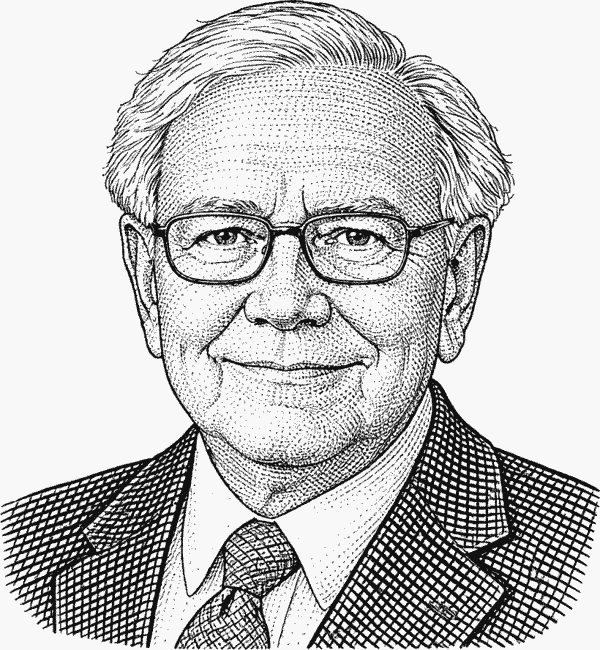
Price is what you pay. Value is what you get.

Core idea

The core idea is that a thing's true worth depends on its long-term benefits and underlying fundamentals, not merely on its current market price or popularity.

Practical application

Before buying any stock, ignore short-term hype and ask whether the underlying business, its cash flows, and durability justify the price you are paying today.

Why it matters

It reveals that wise decisions come from distinguishing objective worth from market noise, teaching investors to pursue durable value rather than reacting to fluctuating prices or popularity.

Ignore daily price movements.

Core idea

Buffett urges investors to ignore short-term stock price fluctuations and instead focus on a companys long-term business fundamentals, intrinsic value, and sustained competitive advantages.

Practical application

Apply this by reviewing businesses quarterly, not daily; track earnings, cash flow, and competitive position, and invest regularly instead of reacting to every price swing or headline.

Why it matters

The insight is that real investment success comes from judging businesses like private owners would, by long-term economics and durability, not by short-term stock market noise.

Price is what you pay; value is what you get.

Core idea

The core idea is that a low or high price alone means nothing; the real decision should be based on the underlying worth, benefits, and future cash flows received.

Practical application

Apply this by ignoring market hype, estimating a businesss real earning power and durability, then buying only when its price is meaningfully below your conservative value estimate.

Why it matters

Buffetts quote highlights that wise decisions come from judging intrinsic worth and long-term benefits, not headline prices, reminding investors that mispriced quality creates opportunities for superior returns.

I make no attempt to forecast the market; my efforts are devoted to finding undervalued securities.

Core idea

Buffett emphasizes ignoring short term market predictions and instead focusing disciplined research on identifying businesses trading below intrinsic value, where long term fundamentals outweigh temporary price fluctuations.

Practical application

Apply Buffett's idea by ignoring short-term market noise, patiently researching solid businesses, and buying only when their stock price is clearly below your estimate of intrinsic value.

Why it matters

The insight is that sustainable investing success comes from valuing businesses accurately and buying with a margin of safety, not from predicting short term market movements or timing.

Only when the tide goes out do you discover who's been swimming naked.

Core idea

Buffett means that when conditions worsen or easy money disappears, weak or reckless businesses and investors are exposed, revealing who lacked real strength, discipline, and risk management.

Practical application

As an investor, remember that bull markets hide fragile strategies; build disciplined, well-researched positions so when conditions deteriorate, you are the one holding durable assets, not exposed weaknesses.

Why it matters

Buffetts quote highlights that true financial strength is revealed in adversity, urging investors to prioritize resilience, prudent risk management, and durable fundamentals over returns inflated by favorable conditions.

We value integrity above all.

Core idea

Integrity is the nonnegotiable foundation of trust and sound judgment; without it, talent and intelligence become dangerous rather than valuable in business and life.

Practical application

As an investor, treat integrity as a strict filter: avoid managers who bend rules or shade the truth, because even brilliant strategy fails when character is compromised.

Why it matters

Integrity is not just one trait among many; it is the decisive multiplier that turns ability into lasting value and its absence into catastrophic, compounding risk.

The purchase of businesses at sensible prices, run by honest and able people, is certain to produce reasonable success.

Core idea

Long-term investment success comes from buying well-priced, understandable businesses that are managed by competent, trustworthy people, rather than from speculation, trends, or short-term market fluctuations.

Practical application

To be a better investor, focus on buying understandable businesses at fair prices with honest, skilled managers, then hold patiently instead of chasing hot tips or short-term market moves.

Why it matters

Long-term investing success relies more on business quality, price, and management integrity than on forecasting markets, highlighting that disciplined selection beats speculation and constant trading.

Cash combined with courage in a time of crisis is priceless.

Core idea

In market turmoil, having both liquidity and the bravery to act decisively lets you seize rare, undervalued opportunities that can create outsized long-term wealth.

Practical application

Build and keep a cash reserve, then train yourself to stay calm and analytical in downturns so you can buy quality assets when others are fearful and prices are irrational.

Why it matters

True crisis opportunities reward investors who deliberately maintain cash and emotional discipline, using chaos and widespread fear as a rare chance to buy great assets at extraordinary discounts.

Retained earnings must produce value.

Core idea

Reinvested profits must generate incremental shareholder value over time; otherwise, management should return those earnings to owners instead of retaining and allocating them inefficiently.

Practical application

As an investor, track whether companies turn retained earnings into rising per-share value; if not, prefer businesses that return excess cash or deploy it at consistently high returns.

Why it matters

It spotlights that managements capital allocation skill is central to compounding: retained earnings are valuable only when reinvested at high incremental returns that grow per-share owner wealth.

A great business at a fair price is superior.

Core idea

Buffett emphasizes that long-term wealth comes from owning high-quality businesses, even if not cheaply priced, because durable competitive advantages and strong management outweigh temporary valuation discounts.

Practical application

Focus your money on strong, durable businesses at reasonable prices; over time, their compounding power usually beats chasing cheap, mediocre stocks or short-term market noise.

Why it matters

Lasting wealth comes from owning exceptional businesses with durable advantages at fair prices, because their consistent compounding outperforms bargains in mediocre companies and short-term valuation-driven strategies.

A market downturn doesn't bother us. It is an opportunity to increase our ownership of great companies with great management at good prices.

Core idea

Market declines are not threats but chances to buy more shares of strong, well-managed companies at attractive prices, enhancing long-term ownership and future returns.

Practical application

When markets drop, focus on buying more of your strongest, well-managed companies at cheaper prices instead of panicking, so you steadily build long-term wealth.

Why it matters

The special insight is that temporary market drops are valuable chances to buy more of high-quality businesses cheaply, turning volatility into a powerful long-term wealth-building advantage.

Full collection

Read All 90 Valuation Quotes with Context

Readers who search for valuation quotes is usually focused on understanding intrinsic value and price discipline. This page helps connect theory to practical investment decisions.

Warren Buffett quote portrait about valuation

Warren Buffett

We measure performance by intrinsic value.

Source: Berkshire Hathaway Letters

Core idea

Judge investments by their intrinsic value growth, not short-term market price swings, because true performance reflects long-term business fundamentals and owner earnings, not temporary investor sentiment.

Practical application

Focus on buying businesses you understand, track their intrinsic value and owner earnings over years, and ignore price noise so your decisions reflect real long-term wealth creation.

Why it matters

Real investment success comes from tracking the compounding of a business intrinsic value and owner earnings, not reacting to short-term market quotes or crowd-driven price volatility.

Core idea

The core idea is that a thing's true worth depends on its long-term benefits and underlying fundamentals, not merely on its current market price or popularity.

Practical application

Before buying any stock, ignore short-term hype and ask whether the underlying business, its cash flows, and durability justify the price you are paying today.

Why it matters

It reveals that wise decisions come from distinguishing objective worth from market noise, teaching investors to pursue durable value rather than reacting to fluctuating prices or popularity.

Warren Buffett quote portrait about valuation

Warren Buffett

Ignore daily price movements.

Source: Berkshire Hathaway Letters

Core idea

Buffett urges investors to ignore short-term stock price fluctuations and instead focus on a companys long-term business fundamentals, intrinsic value, and sustained competitive advantages.

Practical application

Apply this by reviewing businesses quarterly, not daily; track earnings, cash flow, and competitive position, and invest regularly instead of reacting to every price swing or headline.

Why it matters

The insight is that real investment success comes from judging businesses like private owners would, by long-term economics and durability, not by short-term stock market noise.

Core idea

The core idea is that a low or high price alone means nothing; the real decision should be based on the underlying worth, benefits, and future cash flows received.

Practical application

Apply this by ignoring market hype, estimating a businesss real earning power and durability, then buying only when its price is meaningfully below your conservative value estimate.

Why it matters

Buffetts quote highlights that wise decisions come from judging intrinsic worth and long-term benefits, not headline prices, reminding investors that mispriced quality creates opportunities for superior returns.

Core idea

Buffett emphasizes ignoring short term market predictions and instead focusing disciplined research on identifying businesses trading below intrinsic value, where long term fundamentals outweigh temporary price fluctuations.

Practical application

Apply Buffett's idea by ignoring short-term market noise, patiently researching solid businesses, and buying only when their stock price is clearly below your estimate of intrinsic value.

Why it matters

The insight is that sustainable investing success comes from valuing businesses accurately and buying with a margin of safety, not from predicting short term market movements or timing.

Core idea

Buffett means that when conditions worsen or easy money disappears, weak or reckless businesses and investors are exposed, revealing who lacked real strength, discipline, and risk management.

Practical application

As an investor, remember that bull markets hide fragile strategies; build disciplined, well-researched positions so when conditions deteriorate, you are the one holding durable assets, not exposed weaknesses.

Why it matters

Buffetts quote highlights that true financial strength is revealed in adversity, urging investors to prioritize resilience, prudent risk management, and durable fundamentals over returns inflated by favorable conditions.

Warren Buffett quote portrait about valuation, wisdom

Warren Buffett

We value integrity above all.

Source: Berkshire Hathaway Letters

Core idea

Integrity is the nonnegotiable foundation of trust and sound judgment; without it, talent and intelligence become dangerous rather than valuable in business and life.

Practical application

As an investor, treat integrity as a strict filter: avoid managers who bend rules or shade the truth, because even brilliant strategy fails when character is compromised.

Why it matters

Integrity is not just one trait among many; it is the decisive multiplier that turns ability into lasting value and its absence into catastrophic, compounding risk.

Core idea

Long-term investment success comes from buying well-priced, understandable businesses that are managed by competent, trustworthy people, rather than from speculation, trends, or short-term market fluctuations.

Practical application

To be a better investor, focus on buying understandable businesses at fair prices with honest, skilled managers, then hold patiently instead of chasing hot tips or short-term market moves.

Why it matters

Long-term investing success relies more on business quality, price, and management integrity than on forecasting markets, highlighting that disciplined selection beats speculation and constant trading.

Core idea

In market turmoil, having both liquidity and the bravery to act decisively lets you seize rare, undervalued opportunities that can create outsized long-term wealth.

Practical application

Build and keep a cash reserve, then train yourself to stay calm and analytical in downturns so you can buy quality assets when others are fearful and prices are irrational.

Why it matters

True crisis opportunities reward investors who deliberately maintain cash and emotional discipline, using chaos and widespread fear as a rare chance to buy great assets at extraordinary discounts.

Warren Buffett quote portrait about valuation

Warren Buffett

Retained earnings must produce value.

Source: Berkshire Hathaway Letters

Core idea

Reinvested profits must generate incremental shareholder value over time; otherwise, management should return those earnings to owners instead of retaining and allocating them inefficiently.

Practical application

As an investor, track whether companies turn retained earnings into rising per-share value; if not, prefer businesses that return excess cash or deploy it at consistently high returns.

Why it matters

It spotlights that managements capital allocation skill is central to compounding: retained earnings are valuable only when reinvested at high incremental returns that grow per-share owner wealth.

Warren Buffett quote portrait about valuation, business

Warren Buffett

A great business at a fair price is superior.

Source: Berkshire Hathaway Letters

Core idea

Buffett emphasizes that long-term wealth comes from owning high-quality businesses, even if not cheaply priced, because durable competitive advantages and strong management outweigh temporary valuation discounts.

Practical application

Focus your money on strong, durable businesses at reasonable prices; over time, their compounding power usually beats chasing cheap, mediocre stocks or short-term market noise.

Why it matters

Lasting wealth comes from owning exceptional businesses with durable advantages at fair prices, because their consistent compounding outperforms bargains in mediocre companies and short-term valuation-driven strategies.

Core idea

Market declines are not threats but chances to buy more shares of strong, well-managed companies at attractive prices, enhancing long-term ownership and future returns.

Practical application

When markets drop, focus on buying more of your strongest, well-managed companies at cheaper prices instead of panicking, so you steadily build long-term wealth.

Why it matters

The special insight is that temporary market drops are valuable chances to buy more of high-quality businesses cheaply, turning volatility into a powerful long-term wealth-building advantage.

Warren Buffett quote portrait about valuation

Warren Buffett

Cash combined with courage is priceless.

Source: Berkshire Hathaway Letters

Core idea

The quote means that having money plus the nerve to act boldly in fearful times creates rare opportunity, turning ordinary resources into extraordinary long-term advantage and wealth.

Practical application

Build cash reserves in good times so you can calmly buy great assets at bargain prices when others panic; disciplined courage during crashes is your true investing edge.

Why it matters

The insight is that true investing power comes from patiently holding cash and then bravely deploying it when fear dominates, transforming temporary chaos into enduring opportunity and wealth.

Benjamin Graham quote portrait about valuation, investing

Benjamin Graham

The investor should seek undervalued securities.

Source: The Intelligent Investor

Core idea

Graham urges investors to buy securities priced below their true business value, creating a margin of safety and improving long-term return potential while limiting downside risk.

Practical application

Apply Graham by researching companies deeply, estimating their intrinsic value conservatively, and buying only when prices are meaningfully lower, ensuring a margin of safety and reduced downside risk.

Why it matters

Grahams insight is that safety and superior returns come not from predicting markets, but from patiently buying businesses below conservative intrinsic value estimates, embedding a protective margin of safety.

Benjamin Graham quote portrait about valuation, investing

Benjamin Graham

The investor must distinguish between price and value.

Source: The Intelligent Investor

Core idea

Graham warns that market prices often swing with emotion, while true value reflects a businesss fundamentals, so investors must buy based on value, not fluctuating prices.

Practical application

Apply this by estimating a companys true worth from earnings, assets, and competitive position, then buying only when market price offers a clear margin of safety below that value.

Why it matters

True investing success hinges on recognizing that emotional market prices diverge from underlying business value, creating opportunities only for those disciplined enough to act on fundamentals, not fluctuations.

Benjamin Graham quote portrait about valuation, investing

Benjamin Graham

Price fluctuations have only one significant meaning for the true investor.

Source: The Intelligent Investor

Core idea

Price changes matter only as chances to buy quality investments below intrinsic value or sell above it, not as signals to trade based on emotion or prediction.

Practical application

Use price swings to calmly buy solid businesses when they are cheap and sell when overvalued, instead of reacting emotionally to every market move or prediction.

Why it matters

The special insight is that price volatility is an ally, not a threat, offering disciplined investors objective opportunities to exploit mispricing rather than react to fear, euphoria, or forecasts.

Benjamin Graham quote portrait about valuation

Benjamin Graham

Common stocks may be undervalued or overvalued.

Source: The Intelligent Investor

Core idea

Graham highlights that stock prices can deviate from underlying business value, so investors must analyze and buy only when prices are below intrinsic worth, not follow markets blindly.

Practical application

In real life, ignore market hype, study company fundamentals, estimate intrinsic value, and only buy when shares trade below that value, patiently waiting for better opportunities.

Why it matters

The special insight is that markets are often irrational, so disciplined investors can profit by independently valuing businesses and buying only when prices significantly understate intrinsic worth.

Benjamin Graham quote portrait about valuation, investing

Benjamin Graham

The individual investor should act consistently as an investor and not as a speculator. This means that he should be able to justify every purchase he makes and each price he pays by impersonal, objective reasoning that satisfies him that he is getting more than his money's worth for his purchase.

Source: The Intelligent Investor / Security Analysis

Core idea

Invest based on objective analysis and intrinsic value, not emotion or speculation, so every purchase price is justified by receiving more underlying worth than the money paid.

Practical application

Before buying any stock, calmly analyze its business, risks, and intrinsic value so you only invest when evidence shows you are getting more real worth than the price.

Why it matters

Graham highlights that true investing demands disciplined, objective valuation, insisting every purchase reflect clear evidence of greater underlying business worth than the cash sacrificed.

Benjamin Graham quote portrait about valuation, investing

Benjamin Graham

The investor should seek value in investments.

Source: The Intelligent Investor

Core idea

Investors should focus on buying securities for less than their intrinsic worth, emphasizing long-term value, safety of principal, and rational analysis over speculation or short-term market movements.

Practical application

Apply this by researching businesses, estimating their true worth, buying only when priced below that value, and holding patiently, prioritizing safety and fundamentals over hype and short-term swings.

Why it matters

True investment success comes from disciplined, rational valuation, purchasing only when assets trade below intrinsic worth, thereby prioritizing capital preservation and long-term compounding over emotional, speculative market behavior.

Benjamin Graham quote portrait about markets, valuation

Benjamin Graham

The stock market is filled with individuals who know the price of everything but the value of nothing.

Source: The Intelligent Investor

Core idea

Graham warns that many investors obsess over short-term prices while neglecting a companys true underlying worth, leading to speculation instead of disciplined, value-based investing.

Practical application

To become a better investor, focus less on daily price swings and more on understanding a companys fundamentals, competitive edge, and long-term earning power before you buy or sell.

Why it matters

Graham highlights that enduring investment success comes from independently valuing businesses, not reacting to fluctuating stock quotes, emphasizing rational analysis over emotional, price-driven speculation.

Benjamin Graham quote portrait about valuation, investing

Benjamin Graham

The investor should focus on value over price.

Source: The Intelligent Investor

Core idea

Graham urges investors to judge stocks by their underlying business value and long-term earning power, not by short-term market prices or emotional crowd behavior.

Practical application

Apply Grahams quote by analyzing business fundamentals, earnings power, and margin of safety before buying, instead of reacting to daily price swings or market hype.

Why it matters

Grahams insight is that market prices are often noisy opinions, while intrinsic value reflects enduring business reality, so disciplined investors profit by exploiting that temporary price-value disconnect.

Benjamin Graham quote portrait about valuation

Benjamin Graham

Stock prices are frequently wrong.

Source: The Intelligent Investor

Core idea

Market prices often reflect emotion, speculation, and short-term noise, so they frequently diverge from a companys true underlying value, creating opportunities for disciplined value investors.

Practical application

Use market mispricing to your advantage by ignoring hype, estimating intrinsic value carefully, and buying quality businesses only when prices fall meaningfully below your conservative valuation.

Why it matters

The insight is that markets are not perfectly efficient, so rational investors can exploit frequent price-value gaps by patiently buying undervalued businesses and avoiding emotionally driven overvaluation.

Benjamin Graham quote portrait about valuation, investing

Benjamin Graham

The investor should buy when prices are low and sell when they are high.

Source: The Intelligent Investor

Core idea

Graham emphasizes disciplined value investing: rational investors should buy fundamentally sound assets when undervalued by pessimism, and sell when overvaluation and excessive optimism push prices far above intrinsic worth.

Practical application

Apply Grahams quote by estimating intrinsic value, buying quality businesses when fear makes prices fall well below that value, and patiently selling as enthusiasm drives prices far above it.

Why it matters

Grahams quote distills value investing into exploiting emotional extremes, urging investors to act contrary to crowd sentiment by buying quality assets cheap and selling them when overpriced.

Benjamin Graham quote portrait about valuation, business

Benjamin Graham

A stock is not just a ticker symbol or an electronic blip; it is an ownership interest in an actual business, with an underlying value that does not depend on its share price.

Source: The Intelligent Investor / Security Analysis

Core idea

A stock is not just a moving price on a screen - it represents ownership in a real business with assets, earnings, and competitive realities. The quote anchors investing in economic substance.

Practical application

Before buying a stock, ask whether you would be comfortable owning the entire company. This mindset pushes you toward understanding the business model instead of obsessing over the ticker.

Why it matters

The deeper message is that speculation begins when ownership thinking disappears. Graham is trying to move the reader away from trading mentality and back toward business analysis.

Seth Klarman quote portrait about valuation, investing

Seth Klarman

Value investing combines the conservative analysis of underlying value with the requisite discipline and patience to buy only when a sufficient discount from that value is available.

Source: Margin of Safety

Core idea

Value investing means carefully estimating a businesss true worth, then patiently waiting to buy only when its market price is significantly below that conservatively assessed intrinsic value.

Practical application

Apply this by researching businesses conservatively, valuing them realistically, then waiting with discipline and patience to buy only when the market offers a clear, meaningful discount.

Why it matters

The special insight is that investing success comes from rigorous valuation plus emotional discipline to act only when markets misprice quality businesses at clearly favorable, risk-buffering discounts.

Seth Klarman quote portrait about risk, valuation

Seth Klarman

While some might mistakenly consider value investing a mechanical tool for identifying bargains, it is actually a comprehensive investment philosophy that emphasizes the need to perform in-depth fundamental analysis, pursue long-term investment results, limit risk, and resist crowd psychology.

Source: Margin of Safety

Core idea

Value investing is not just buying cheap stocks; it is a full discipline of deep analysis, patience, risk control, and independent thinking against prevailing market sentiment.

Practical application

Apply this by studying businesses in depth, waiting patiently for clear mispricing, sizing positions conservatively, and sticking to your analysis even when the market disagrees.

Why it matters

The special insight is that true value investing is a rigorous, discipline-driven mindset integrating analysis, patience, risk management, and independent judgment, not a simple formula for buying statistically cheap stocks.

Seth Klarman quote portrait about valuation

Seth Klarman

Such persistence is necessary, however, since value is often well hidden.

Source: Margin of Safety

Core idea

Real investment opportunities rarely appear obvious; you must persistently dig beneath market noise and superficial impressions to uncover securities trading significantly below their true underlying value.

Practical application

To become a better investor, practice patient, independent research, ignoring hype and fear, to uncover fundamentally strong businesses temporarily mispriced by emotional or short-sighted market participants.

Why it matters

Klarman highlights that durable investment edge comes from relentless, independent analysis that uncovers hidden mispricings, rather than from reacting to obvious, widely discussed opportunities or short-term market sentiment.

Seth Klarman quote portrait about valuation, long-term

Seth Klarman

The forces of supply and demand do not necessarily correlate with value at any given time.

Source: Margin of Safety

Core idea

Market prices are driven by shifting supply and demand, which can detach sharply from underlying business value, creating mispricings and opportunities for disciplined, value-focused investors.

Practical application

As an investor, remember market prices swing with emotion and flows, so focus on underlying business value and patiently buy when price falls well below that value.

Why it matters

Klarman highlights that price is just a temporary meeting point of supply and demand, not a reliable proxy for intrinsic value, creating systematic opportunities for patient, independent investors.

Seth Klarman quote portrait about markets, valuation

Seth Klarman

A notable feature of value investing is its strong performance in periods of overall market decline.

Source: Margin of Safety

Core idea

Value investing emphasizes buying undervalued assets with a margin of safety, which can cushion losses and often leads to relatively stronger performance during broad market downturns.

Practical application

Apply this by focusing on buying conservatively valued businesses with solid fundamentals, so market drops become opportunities to add quality assets rather than triggers for panic selling.

Why it matters

Klarman highlights that value investing is uniquely resilient in bear markets, as disciplined undervaluation and margin of safety can turn broad declines into periods of relative outperformance.

Seth Klarman quote portrait about valuation, investing

Seth Klarman

Value investing is the discipline of buying securities at a significant discount from their current underlying values and holding them until more of their value is realized.

Source: Margin of Safety

Core idea

Buy quality assets for less than they are truly worth, then patiently hold them until the market recognizes their value and the price converges toward intrinsic value.

Practical application

In practice, study businesses deeply, estimate conservative intrinsic values, buy only when prices are meaningfully lower, diversify sensibly, and hold patiently until fundamentals drive the price closer to true worth.

Why it matters

The special insight is that superior investment results come from exploiting temporary mispricing by buying durable businesses below conservative intrinsic value and patiently waiting for inevitable value recognition.

Seth Klarman quote portrait about valuation, investing

Seth Klarman

Value investing is at its core the marriage of a contrarian streak and a calculator.

Source: Margin of Safety

Core idea

Value investing means independently challenging market consensus while rigorously quantifying a companys worth, buying when careful analysis shows a meaningful gap between price and intrinsic value.

Practical application

Apply Klarman by training yourself to think independently, value businesses conservatively with numbers, and act only when the market price is clearly below your carefully estimated intrinsic value.

Why it matters

Klarman highlights that true value investing demands both skepticism of popular opinion and disciplined, quantitative valuation, exploiting mispricings only when evidence shows a clear margin of safety.

Seth Klarman quote portrait about risk, valuation

Seth Klarman

The disciplined pursuit of bargains makes value investing very much a risk-averse approach.

Source: Margin of Safety

Core idea

By insisting on buying assets far below intrinsic value, investors reduce downside risk, creating a conservative, risk-averse way to invest rather than chasing speculative gains.

Practical application

Apply this by patiently researching, valuing businesses conservatively, and buying only when prices are far below value, so downside is limited even if your analysis is imperfect.

Why it matters

Klarman reveals that true risk management in investing comes not from forecasts or diversification alone, but from systematically demanding large discounts to intrinsic value before committing capital.

Seth Klarman quote portrait about valuation, investing

Seth Klarman

Investors must look beyond security prices to underlying business value, always comparing the two as part of the investment process.

Source: Margin of Safety

Core idea

Investors should independently estimate a business intrinsic value and constantly compare it to the market price, buying only when a meaningful undervaluation and margin of safety exist.

Practical application

To become a better investor, regularly estimate a companys intrinsic value yourself, compare it to the current price, and buy only when a clear discount and margin of safety exist.

Why it matters

The quote highlights that real investing skill comes from independently valuing businesses, then exploiting market mispricings by buying only when price sits well below conservatively estimated intrinsic value.

Seth Klarman quote portrait about valuation, investing

Seth Klarman

Value in relation to price, not price alone, must determine your investment decisions.

Source: Margin of Safety

Core idea

Investment decisions should focus on the underlying value of a business relative to its market price, seeking a discount to intrinsic worth rather than reacting to price levels alone.

Practical application

In real life, apply Klarman by calculating a businesss intrinsic value and only buying when its market price offers a clear discount, instead of chasing trends or recent price moves.

Why it matters

The special insight is that true investment edge comes from exploiting gaps between intrinsic value and market price, not from predicting short-term price movements or following crowd psychology.

Seth Klarman quote portrait about valuation

Seth Klarman

A margin of safety is achieved when securities are purchased at prices sufficiently below underlying value to allow for human error, bad luck, or extreme volatility in a complex, unpredictable, and rapidly changing world.

Source: Margin of Safety

Core idea

Always buy investments far below their true value so unexpected mistakes, bad luck, or volatility will not cause permanent loss of capital.

Practical application

In real life, patiently wait for investments priced well below their estimated worth, so even if your analysis is imperfect or markets swing wildly, your capital remains largely protected.

Why it matters

True risk control comes from demanding a deep discount to intrinsic value, so unpredictable errors, shocks, and volatility are absorbed by price, not by permanent loss of capital.

Seth Klarman quote portrait about markets, valuation

Seth Klarman

Value investors are in a position to take advantage of Mr. Market's irrationality.

Source: Margin of Safety

Core idea

Klarman means value investors profit by staying rational and patient, buying undervalued assets when Mr. Market is fearful or irrational and selling when prices become excessively optimistic.

Practical application

Apply Klarmans quote by staying calm, valuing businesses carefully, buying when fear creates bargains, and selling when hype inflates prices far above reasonable estimates of intrinsic value.

Why it matters

Klarmans quote reveals that disciplined value investors can systematically exploit emotional market swings by anchoring decisions to intrinsic value instead of crowd-driven fear or euphoria.

Seth Klarman quote portrait about valuation

Seth Klarman

Speculators buy and sell securities based on whether they believe those securities will next rise or fall in price.

Source: Margin of Safety

Core idea

Klarman highlights that speculators focus solely on short-term price movements, trading on expectations of rises or falls, rather than on a securitys underlying business value or fundamentals.

Practical application

In real life, use Klarman's insight by ignoring short-term price noise and instead buying only when a business's long-term value clearly exceeds its current market price.

Why it matters

It exposes the crucial difference between speculating on crowd psychology and investing in underlying business value, revealing that durable profits come from value, not predicting short-term price moves.

Seth Klarman quote portrait about markets, valuation

Seth Klarman

Value investing is predicated on the efficient-market hypothesis being wrong.

Source: Margin of Safety

Core idea

Value investing depends on markets sometimes mispricing securities, allowing patient, disciplined investors to buy below intrinsic value and earn superior returns when prices eventually correct.

Practical application

In real life, this means patiently seeking temporarily mispriced, fundamentally sound investments, buying with a margin of safety, and trusting that over time prices will reflect true value.

Why it matters

Klarman underscores that superior returns arise not from forecasting market moves, but from exploiting persistent mispricings where emotions, constraints, and short-termism push prices far from conservatively estimated intrinsic value.

Seth Klarman quote portrait about investing, valuation

Seth Klarman

Generally, the greater the stigma or revulsion, the better the bargain.

Source: Margin of Safety

Core idea

The biggest bargains in investing are often found in hated, stigmatized assets, because emotional revulsion scares most buyers away and pushes prices far below underlying intrinsic value.

Practical application

Apply this by calmly researching hated, neglected assets; if fundamentals are sound and risks understood, buy when others are disgusted and prices deeply discount intrinsic value.

Why it matters

Klarman highlights that emotional disgust creates extreme mispricing, so disciplined investors willing to analyze reviled assets rationally can capture outsized returns when fear has driven prices far below value.

Seth Klarman quote portrait about valuation

Seth Klarman

Tangible assets usually have value in alternate uses, thereby providing a margin of safety.

Source: Margin of Safety

Core idea

Tangible assets typically retain value through alternative uses, so even if the original investment thesis fails, their resale or repurposing potential offers downside protection and a margin of safety.

Practical application

When investing, prefer businesses with tangible assets that could be resold or reused, because those backup uses help limit your downside if your original thesis proves wrong.

Why it matters

The insight is that value investors gain protection by favoring assets with alternative uses, because their repurposing or liquidation value cushions losses when the original investment thesis fails.

Seth Klarman quote portrait about valuation, business

Seth Klarman

The fad becomes dangerous when share prices reach levels that are not supported by the conservatively appraised values of the underlying businesses.

Source: Margin of Safety

Core idea

Speculative fads become dangerous when stock prices detach from sober, fundamental valuations, because investors then rely on hype and momentum instead of underlying business reality and margin of safety.

Practical application

To be a better investor, avoid chasing hot trends; insist on buying only when careful, conservative analysis shows the business is worth at least what you are paying.

Why it matters

Klarman spotlights that true investment safety lies in disciplined valuation, warning that excitement-driven prices without fundamental backing turn seemingly promising opportunities into hazardous speculation.

Seth Klarman quote portrait about risk, valuation

Seth Klarman

While it might seem that anyone can be a value investor, the essential characteristics of this type of investor-patience, discipline, and risk aversion-may well be genetically determined.

Source: Margin of Safety

Core idea

Value investing is less about knowledge and more about inherent temperament; sustained success depends on inborn patience, discipline, and risk aversion that many people simply do not possess.

Practical application

To apply this, focus less on finding secret stock tips and more on training your temperament: enforce patience, strict buy criteria, and downside protection even when emotions scream otherwise.

Why it matters

The insight is that value investing success hinges less on superior analysis and more on a rare, stable temperament that consistently resists greed, fear, and crowd pressure.

Seth Klarman quote portrait about valuation, long-term

Seth Klarman

Institutional selling can sometimes cause stock prices to depart from underlying value.

Source: Margin of Safety

Core idea

Large institutions often trade for non-fundamental reasons, and their heavy selling can push stock prices far below intrinsic value, creating mispricings and opportunities for patient investors.

Practical application

When big institutions dump a stock for non-business reasons, its price can sink far below true worth; patient investors can profit by buying when fear, not fundamentals, drives selling.

Why it matters

The special insight is that institutional selling often reflects constraints, mandates, or herd behavior rather than business reality, creating temporary mispricings that disciplined value investors can exploit.

Seth Klarman quote portrait about investing, valuation

Seth Klarman

The element of a bargain is the key to the process.

Source: Margin of Safety

Core idea

Klarman emphasizes that successful investing requires buying with a clear margin of safety, where the market price is a true bargain relative to conservative estimates of intrinsic value.

Practical application

Apply Klarman by refusing to buy any stock or asset unless its price is clearly below conservative intrinsic value estimates, so downside is protected and upside remains meaningful.

Why it matters

Klarman highlights that enduring investment success hinges on discipline to buy only when a genuine bargain exists, embedding downside protection and asymmetric upside in every decision.

Seth Klarman quote portrait about valuation, investing

Seth Klarman

Once you adopt a value-investment strategy, any other investment behavior starts to seem like gambling.

Source: Margin of Safety

Core idea

Klarman suggests that value investing, grounded in intrinsic worth and margin of safety, makes speculative, price-driven approaches look like irresponsible gambling rather than rational investing.

Practical application

Apply this by always demanding clear intrinsic value and a margin of safety before you invest; anything driven mainly by hype or price action is just disguised gambling.

Why it matters

Klarmans insight is that true investing requires anchoring decisions to intrinsic value and margin of safety, making speculative, price-chasing behavior indistinguishable from reckless gambling in disguise.

Seth Klarman quote portrait about valuation

Seth Klarman

The greatest challenge is maintaining the requisite patience and discipline to buy only when prices are attractive and to sell when they are not.

Source: Margin of Safety

Core idea

Successful investing requires disciplined patience: buy only when assets offer clear value with a margin of safety, and resist the urge to buy or hold when prices are unattractive.

Practical application

In real life, this means waiting for truly undervalued opportunities, ignoring hype and fear of missing out, and selling when prices exceed reasonable estimates of intrinsic value.

Why it matters

The special insight is that emotional control and rational valuation matter more than activity; disciplined inaction during mediocre prices is as critical as bold action when genuine bargains appear.

Seth Klarman quote portrait about valuation, investing

Seth Klarman

Value investing requires a great deal of hard work, unusually strict discipline, and a long-term investment horizon. Few are willing and able to devote sufficient time and effort to become value investors, and only a fraction of those have the proper mind-set to succeed.

Source: Margin of Safety

Core idea

Successful value investing is rare because it demands intense effort, strict discipline, emotional resilience, and a long-term mindset that most people cannot or will not consistently maintain.

Practical application

To become a better investor, commit to deep research, strict rules, emotional control, and patience, knowing most people will not sustain this demanding long-term approach.

Why it matters

The insight is that value investing success comes from rare behavioral advantages - discipline, patience, and emotional resilience - not from secret information or superior intelligence.

Seth Klarman quote portrait about valuation, investing

Seth Klarman

There is nothing esoteric about value investing.

Source: Margin of Safety

Core idea

Klarman means value investing is fundamentally simple and commonsense: patiently buying securities for less than their intrinsic worth, emphasizing discipline and rationality over complexity or cleverness.

Practical application

Focus less on exotic strategies and more on patiently buying obvious bargains, staying disciplined, and letting simple, rational analysis guide you instead of chasing complexity or excitement.

Why it matters

The special insight is that superior investing comes from disciplined common sense: buying clear bargains below intrinsic value, avoiding complexity, and consistently applying simple, rational judgment over time.

Benjamin Graham & David Dodd quote portrait about valuation, business

Benjamin Graham & David Dodd

The fad becomes dangerous when share prices reach levels that are not supported by the conservatively appraised values of the underlying businesses.

Source: Security Analysis

Core idea

Stock market fads become risky when enthusiasm pushes prices far above cautious, fundamentally justified business values, leaving investors vulnerable when reality eventually corrects inflated expectations.

Practical application

Apply this by always estimating a conservative intrinsic value first, then refusing to buy or hold any stock whose price meaningfully exceeds that careful business-based appraisal.

Why it matters

This quote highlights that real investment risk arises not from volatility itself but from paying prices unjustified by cautious, fundamentals-based valuations when crowds chase speculative excitement.

Benjamin Graham & David Dodd quote portrait about risk, valuation

Benjamin Graham & David Dodd

The disciplined pursuit of bargains makes value investing very much a risk-averse approach.

Source: Security Analysis

Core idea

Careful value investors reduce risk by buying quality businesses only when prices fall well below intrinsic value, creating a margin of safety through disciplined bargain hunting.

Practical application

Apply this by patiently waiting for strong companies to trade well below your estimate of intrinsic value, then buying decisively to lock in a margin of safety and limit downside risk.

Why it matters

True value investing transforms risk management into opportunity by insisting on a wide margin of safety, turning market mispricing into protection against permanent capital loss.

Benjamin Graham & David Dodd quote portrait about valuation, investing

Benjamin Graham & David Dodd

Value investing combines the conservative analysis of underlying value with the requisite discipline and patience to buy only when a sufficient discount from that value is available.

Source: Security Analysis

Core idea

Value investing means carefully determining a businesss true worth, then patiently waiting to buy only when its market price is significantly below that conservatively estimated intrinsic value.

Practical application

Apply this by studying businesses carefully, estimating value conservatively, then waiting with discipline to buy only when the market price offers a clear, meaningful margin of safety.

Why it matters

The insight is that true investment success comes from valuing businesses conservatively, then waiting patiently for substantial discounts, turning market volatility into low risk, high reward opportunities.

Benjamin Graham & David Dodd quote portrait about markets, valuation

Benjamin Graham & David Dodd

Value investors are in a position to take advantage of Mr. Market's irrationality.

Source: Security Analysis

Core idea

The core idea is that market prices can be irrational, so disciplined value investors can profit by buying undervalued assets and selling when prices exceed intrinsic value.

Practical application

In real life, apply this by staying calm when prices swing wildly, buying strong businesses when undervalued, and patiently selling only when prices exceed true worth.

Why it matters

It reveals that markets often misprice assets, so patient, rational investors can systematically exploit fear and greed by buying below intrinsic value and selling above it.

Benjamin Graham & David Dodd quote portrait about valuation, investing

Benjamin Graham & David Dodd

Investors must look beyond security prices to underlying business value, always comparing the two as part of the investment process.

Source: Security Analysis

Core idea

Investors should treat stocks as ownership in real businesses, judging purchases by comparing market price to carefully estimated intrinsic value, not by reacting to price movements alone.

Practical application

Apply Grahams insight by studying businesses, estimating their intrinsic value, and only buying when the stock trades well below that value, regardless of short-term market noise.

Why it matters

It highlights that real investing means analyzing businesses and their intrinsic worth, then acting only when price diverges meaningfully from value, rather than following market sentiment or price trends.

Benjamin Graham & David Dodd quote portrait about valuation, investing

Benjamin Graham & David Dodd

Value in relation to price, not price alone, must determine your investment decisions.

Source: Security Analysis

Core idea

Investors should focus on how much a business is truly worth compared to its market price, buying only when value significantly exceeds price and avoiding decisions based on price alone.

Practical application

Apply this by estimating a companys intrinsic worth, comparing it to the current stock price, and only buying when a clear margin of safety exists between value and price.

Why it matters

It warns that price is just a market quote, while value reflects underlying business reality; wise investors exploit mispricings by demanding a margin of safety between worth and cost.

Benjamin Graham & David Dodd quote portrait about valuation

Benjamin Graham & David Dodd

Speculators buy and sell securities based on whether they believe those securities will next rise or fall in price.

Source: Security Analysis

Core idea

The core idea is that speculators focus solely on predicting short-term price movements, trading on expected rises or falls, rather than analyzing a securitys underlying long-term value.

Practical application

Apply this by refusing to trade on short-term predictions; instead, study businesses deeply, buy with a margin of safety, and hold while prices swing around true underlying value.

Why it matters

It reveals that real investing begins where price guessing ends, shifting attention from market moods to intrinsic value, durability of cash flows, and rational, patient capital allocation.

Benjamin Graham & David Dodd quote portrait about valuation

Benjamin Graham & David Dodd

Such persistence is necessary, however, since value is often well hidden.

Source: Security Analysis

Core idea

Real investment value is rarely obvious; investors must patiently dig through complex, sometimes misleading information to uncover true worth that the market does not immediately recognize.

Practical application

To be a better investor, practice disciplined research, ignore market noise, and patiently analyze businesses in depth so you can uncover undervalued opportunities that others overlook.

Why it matters

True investment skill lies in patiently uncovering hidden value by rigorous, independent analysis, rather than chasing obvious, popular ideas already fully reflected in market prices.

Benjamin Graham & David Dodd quote portrait about markets, valuation

Benjamin Graham & David Dodd

A notable feature of value investing is its strong performance in periods of overall market decline.

Source: Security Analysis

Core idea

Value investing emphasizes buying undervalued securities with strong fundamentals, which tend to fall less and recover better in broad market declines, providing relative protection and long-term outperformance.

Practical application

In practice, focus on buying solid, undervalued businesses so that when markets fall, your holdings typically drop less, recover faster, and compound wealth more reliably over time.

Why it matters

Value investing shines in market downturns because buying fundamentally strong, undervalued companies cushions losses, accelerates recovery, and enhances long-term returns relative to the broader market.

Benjamin Graham & David Dodd quote portrait about markets, valuation

Benjamin Graham & David Dodd

Value investing is predicated on the efficient-market hypothesis being wrong.

Source: Security Analysis

Core idea

Value investing assumes that markets often misprice securities, creating temporary gaps between price and intrinsic value that patient, disciplined investors can exploit for superior long-term returns.

Practical application

In real life, use this idea by patiently researching businesses, estimating intrinsic value, and buying quality stocks only when they trade significantly below what you believe they are truly worth.

Why it matters

The quote reveals that lasting investment edges arise not from predicting market movements, but from calmly exploiting persistent mispricings between intrinsic value and fluctuating market prices.

Benjamin Graham & David Dodd quote portrait about valuation

Benjamin Graham & David Dodd

Tangible assets usually have value in alternate uses, thereby providing a margin of safety.

Source: Security Analysis

Core idea

Tangible assets can be repurposed or sold in other markets, so their flexible usefulness helps protect investors from permanent loss and provides a built in margin of safety.

Practical application

When evaluating a company, focus on tangible assets that can be resold or reused, because their alternative uses help protect your capital if the original business plan disappoints.

Why it matters

It highlights that real, saleable assets create downside protection by retaining value across uses, so investors are less exposed to permanent loss if the business underperforms.

Benjamin Graham & David Dodd quote portrait about valuation, long-term

Benjamin Graham & David Dodd

The forces of supply and demand do not necessarily correlate with value at any given time.

Source: Security Analysis

Core idea

Market prices often swing with short-term supply and demand pressures, while a businesses true underlying value can remain quite different, creating opportunities for disciplined investors.

Practical application

Use market price swings as signals to investigate, not commands to act; buy when price falls far below careful estimates of value, and ignore emotional crowd-driven volatility.

Why it matters

It reveals that market prices, driven by shifting crowd emotions and liquidity needs, often diverge sharply from intrinsic business value, creating repeatable opportunities for rational, patient investors.

Benjamin Graham & David Dodd quote portrait about valuation, investing

Benjamin Graham & David Dodd

Value investing is the discipline of buying securities at a significant discount from their current underlying values and holding them until more of their value is realized.

Source: Security Analysis

Core idea

Buy assets for less than what careful analysis shows they are worth, then hold patiently until the market recognizes and reflects their true underlying value.

Practical application

Carefully estimate what a stock is really worth, buy only when its price is clearly lower than that value, then patiently hold until the market closes the gap.

Why it matters

The special insight is that disciplined profit comes from exploiting mispricing: rigorously valuing assets, demanding a margin of safety, and letting time, not prediction, correct market irrationality.

Benjamin Graham & David Dodd quote portrait about valuation

Benjamin Graham & David Dodd

The element of a bargain is the key to the process.

Source: Security Analysis

Core idea

Investing success hinges on buying securities for less than their conservatively estimated intrinsic value; this margin of safety - the bargain element - protects against errors and unforeseen risks.

Practical application

In practice, always estimate a stock's conservative intrinsic value, then buy only when priced meaningfully below it, so downside is limited while upside potential remains attractively large.

Why it matters

The special insight is that investing is fundamentally about disciplined price versus value, where buying at a discount to conservative worth creates a protective margin of safety against mistakes and uncertainty.

Benjamin Graham & David Dodd quote portrait about valuation

Benjamin Graham & David Dodd

A margin of safety is achieved when securities are purchased at prices sufficiently below underlying value to allow for human error, bad luck, or extreme volatility in a complex, unpredictable, and rapidly changing world.

Source: Security Analysis

Core idea

Buy investments at prices far below their true worth so unavoidable mistakes, surprises, and market swings will not destroy your capital or long-term returns.

Practical application

In real life, always insist on buying stocks well below their estimated value so unexpected losses, misjudgments, or market shocks are less likely to permanently damage your capital.

Why it matters

It reveals that successful investing depends less on perfect forecasts and more on systematically building a protective cushion against inevitable errors, uncertainty, and market turbulence.

Benjamin Graham & David Dodd quote portrait about valuation

Benjamin Graham & David Dodd

The greatest challenge is maintaining the requisite patience and discipline to buy only when prices are attractive and to sell when they are not.

Source: Security Analysis

Core idea

Successful investing requires emotional control and discipline to ignore market noise, buying only when securities are undervalued and selling when they become overvalued, regardless of crowd behavior.

Practical application

In real life, apply this by setting clear valuation rules, waiting patiently for bargains, and selling when values are exceeded, even if everyone else is doing the opposite.

Why it matters

True investment edge lies not in superior information but in steadfast temperament, calmly acting on valuation logic while others react emotionally to market swings and crowd pressure.

Benjamin Graham & David Dodd quote portrait about valuation, investing

Benjamin Graham & David Dodd

There is nothing esoteric about value investing.

Source: Security Analysis

Core idea

Value investing is fundamentally straightforward: carefully analyze businesses, buy when prices are below conservatively estimated intrinsic value, and rely on rational judgment rather than complex or speculative techniques.

Practical application

Apply this by focusing on understanding businesses, valuing them conservatively, buying only with a margin of safety, and ignoring hype, predictions, and complicated strategies you do not fully grasp.

Why it matters

The special insight is that successful investing rests on disciplined analysis and rational simplicity, not on complexity, prediction, or financial wizardry that obscures true business value.

Benjamin Graham & David Dodd quote portrait about valuation, long-term

Benjamin Graham & David Dodd

Institutional selling can sometimes cause stock prices to depart from underlying value.

Source: Security Analysis

Core idea

When large institutions sell for non-fundamental reasons, their heavy selling pressure can drive stock prices far below intrinsic value, creating temporary mispricings and potential bargains.

Practical application

When big institutions sell for reasons unrelated to fundamentals, patiently watch for unjustified price drops; they can offer rare chances to buy solid businesses at bargain prices.

Why it matters

The quote highlights that forced, non-fundamental institutional selling can create temporary, mechanical mispricings, where disciplined investors may buy quality businesses significantly below conservative intrinsic value estimates.

Benjamin Graham & David Dodd quote portrait about valuation, investing

Benjamin Graham & David Dodd

Once you adopt a value-investment strategy, any other investment behavior starts to seem like gambling.

Source: Security Analysis

Core idea

The quote says that investing based on careful analysis and margin of safety is rational, while chasing prices or stories without fundamentals is essentially just gambling.

Practical application

In real life, apply this by demanding solid evidence and a margin of safety before investing, instead of following hype, tips, or emotions that turn investing into gambling.

Why it matters

Graham and Dodd highlight that true investing demands disciplined analysis and a margin of safety; anything driven by stories, trends, or emotion is simply sophisticated gambling.

Sam Zell quote portrait about valuation

Sam Zell

Liquidity equals value.

Source: Am I Being Too Subtle

Core idea

Liquidity equals value means an asset is worth more when it can be quickly and easily converted to cash without major loss, reducing risk and increasing flexibility.

Practical application

As an investor, prioritize assets and strategies that you can exit quickly at a fair price, because high liquidity protects you from forced losses and unlocks better opportunities.

Why it matters

Zell highlights that beyond fundamentals, the ability to exit swiftly at a fair price is itself a core source of value, safety, and strategic optionality.

Sam Zell quote portrait about valuation

Sam Zell

Scarcity drives value.

Source: Am I Being Too Subtle

Core idea

When something is scarce or hard to get, people value it more, so limited supply or uniqueness becomes a powerful driver of higher prices, demand, and opportunity.

Practical application

As an investor, seek businesses with genuine scarcity - limited supply, unique assets, or durable competitive advantages - because constrained availability often supports stronger pricing power, margins, and long-term returns.

Why it matters

Scarcity is not just a constraint but a strategic asset; when supply is truly limited, value concentrates, enabling outsized pricing power, bargaining leverage, and long-term wealth creation.

Donald Trump quote portrait about valuation

Donald Trump

It goes to show you the value of credibility.

Source: The Art of the Deal

Core idea

Without credibility, even impressive achievements lose impact; consistent honesty and reliability build trust, which is the essential foundation for lasting influence, negotiation power, and long-term success.

Practical application

As an investor, your track record and honesty matter more than any single win; consistent transparency, research, and discipline build the credibility that attracts capital and long-term opportunities.

Why it matters

Credibility quietly compounds like interest; without it, achievements remain fragile and temporary, but with it, every action, promise, and result gains outsized weight, leverage, and lasting influence.

Charlie Munger quote portrait about valuation

Charlie Munger

The idea is to find a mispriced bet.

Source: Art of Stock Picking

Core idea

The core idea is to seek situations where the odds of success and potential payoff are much better than the price suggests, creating positive expected value over time.

Practical application

In real life, apply this by patiently studying businesses to find rare cases where quality and future growth far exceed the current price, then investing decisively yet prudently.

Why it matters

Mungers insight is that sustained investing edge comes not from predicting markets broadly, but from selectively exploiting rare, obvious mispricings where expected value is overwhelmingly in your favor.

Charlie Munger quote portrait about valuation, investing

Charlie Munger

All intelligent investing is value investing: acquiring more that you are paying for. You must value the business in order to value the stock.

Source: Speeches / Essays

Core idea

Intelligent investing means carefully estimating a businesss true worth, then buying its stock only when the price is lower than that intrinsic value, ensuring a margin of safety.

Practical application

Apply this by studying companies deeply, estimating their intrinsic value conservatively, and only buying when the stock trades well below that value, giving yourself a margin of safety.

Why it matters

The special insight is that investing is intelligent only when you treat stocks as partial ownership in real businesses and insist on paying meaningfully less than their conservatively estimated intrinsic value.

Joel Greenblatt quote portrait about investing, valuation

Joel Greenblatt

The best way to achieve superior returns is to buy above-average companies at below-average prices.

Source: The Little Book That Beats the Market

Core idea

The core idea is to outperform by purchasing high-quality, profitable businesses only when they are temporarily mispriced, offering investors strong value and upside with limited downside risk.

Practical application

Apply this by patiently researching strong, profitable businesses, then buying only when temporary market pessimism makes their prices clearly cheap relative to earnings, assets, and long-term prospects.

Why it matters

Superior returns come from combining quality and value, recognizing that the real edge lies in waiting for rare moments when great businesses become mispriced and unusually cheap.

Joel Greenblatt quote portrait about valuation

Joel Greenblatt

The secret to successful investing is to figure out the value of something - and then pay a lot less.

Source: The Little Book That Beats the Market

Core idea

Successful investing means estimating a business intrinsic value using rational analysis, then buying its stock only when the market price is significantly below that calculated value.

Practical application

Apply Greenblatt by calmly estimating what a business is really worth, then patiently buying only when its stock trades well below that value, leaving room for mistakes.

Why it matters

Greenblatt reveals that investing success hinges on disciplined valuation and exploiting market mispricing, not prediction, by buying quality businesses only when they trade at a meaningful discount.

Joel Greenblatt quote portrait about valuation

Joel Greenblatt

Understanding value is more important than predicting prices.

Source: The Little Book That Beats the Market

Core idea

Focus on buying businesses for less than their true worth; long-term success comes from understanding intrinsic value, not from trying to guess short-term market price movements.

Practical application

Apply this by studying businesses, estimating their long-term earning power, and buying only when the price is clearly below that value, ignoring short-term market noise.

Why it matters

The special insight is that durable investment success comes from valuing businesses like owners, purchasing with a margin of safety, instead of speculating on near-term price fluctuations.

Joel Greenblatt quote portrait about valuation

Joel Greenblatt

Opportunities arise when others are fearful.

Source: The Little Book That Beats the Market

Core idea

The core idea is that investors can gain advantage by buying quality assets cheaply when others overreact with fear, creating mispricings and favorable long-term opportunities.

Practical application

Apply this by calmly researching strong businesses during market panics, then buying when prices are irrationally low, trusting long-term value instead of reacting emotionally to short-term fear.

Why it matters

This quote highlights the insight that disciplined investors can systematically turn widespread fear into profit by purchasing fundamentally strong assets at irrationally depressed prices.

Joel Greenblatt quote portrait about valuation

Joel Greenblatt

Bargain prices are those that have high earnings yields.

Source: The Little Book That Beats the Market

Core idea

Stocks are real bargains when their earnings compared to price are unusually high, meaning you pay little for each dollar of profit and get superior value.

Practical application

Apply this by favoring stocks with unusually high earnings yields, meaning you systematically buy solid businesses when they are cheap relative to their profits and future potential.

Why it matters

This quote reveals that true bargains arise when a companys strong, sustainable earnings are temporarily mispriced, letting disciplined investors buy superior cash flows at deeply discounted prices.

Joel Greenblatt quote portrait about valuation, business

Joel Greenblatt

Good companies are those that have high returns on capital.

Source: The Little Book That Beats the Market

Core idea

Businesses that consistently earn high returns on capital are superior because they turn each dollar invested into significantly more profit, compounding shareholder value over time.

Practical application

Apply this by hunting for businesses that consistently earn high returns on capital, then patiently holding them so their superior compounding power steadily grows your investment over time.

Why it matters

The special insight is that durable, high-return businesses are wealth-building machines, where every retained dollar compounds faster than average, dramatically amplifying long-term shareholder value.

Joel Greenblatt quote portrait about markets, valuation

Joel Greenblatt

You can't be a good value investor without being an independent thinker; you're seeing valuations that the market is not appreciating. But it's critical that you understand why the market isn't seeing the value you do.

Source: Speeches / Essays

Core idea

True value investing requires original analysis that disagrees with prevailing opinion, plus a clear understanding of why the market is mispricing an investment and what others are missing.

Practical application

To be a better investor, do your own deep research, buy only when your view truly differs from the crowd, and know exactly why others are mispricing the opportunity.

Why it matters

Greenblatt highlights that real investing edge comes from thoughtful, independent judgments about mispriced assets, grounded in a precise thesis explaining why the market is currently wrong.

Core idea

The core idea is that a securities worth depends on its underlying business reality, not its market quotation, so smart investing focuses on intrinsic value rather than current price.

Practical application

Use this by researching businesses deeply, estimating their intrinsic value, and buying only when the market price is meaningfully lower than that value, regardless of hype or fear.

Why it matters

It highlights that markets often misprice assets, so disciplined investors gain an edge by independently judging intrinsic value and acting when price deviates significantly from true worth.

Howard Marks quote portrait about investing, psychology

Howard Marks

Value is not a number - it's an opinion. When optimism prevails, prices can exceed value. When pessimism dominates, prices can fall below value.

Source: Memos

Core idea

Value is subjective and shifts with investor psychology; market prices swing above or below true worth depending on prevailing optimism or pessimism, so price and value often diverge.

Practical application

Use this quote by constantly asking what assumptions and emotions drive current prices, then buy only when your independent estimate of value comfortably exceeds the market price.

Why it matters

The quote reveals that value is a moving target shaped by crowd psychology, so disciplined investors can profit by exploiting emotional mispricings between perception and underlying worth.

Christopher Volk quote portrait about investing, valuation

Christopher Volk

The best investors focus on how businesses actually generate cash.

Source: Speeches / Essays

Core idea

The quote emphasizes that truly successful investors look beyond accounting earnings to understand the real economic engines and cash flow fundamentals that sustainably drive a businesss long-term value.

Practical application

To become a better investor, dig into how a company truly generates and uses cash, since durable, growing cash flows ultimately determine its real value and investment merit.

Why it matters

This quote highlights that superior investing hinges on grasping a businesss true cash economics, not just reported profits, revealing sustainable value, risk, and competitive durability beneath surface metrics.

Doug K. Le Du quote portrait about markets, valuation

Doug K. Le Du

Preferred stock investors savor, rather than fear, a period of falling market prices.

Source: Preferred Stock, 5th Edition

Core idea

Falling market prices let preferred stock investors lock in higher yields and more shares for the same money, so they welcome downturns as buying opportunities instead of fearing losses.

Practical application

In real life, treat market drops as sales: patiently buy more quality preferreds at higher yields, focus on income and discipline, not short-term price swings or fear.

Why it matters

The insight is that preferred stock investors view price declines as chances to buy higher-yield income streams cheaply, prioritizing long-term cash flow over short-term market value fluctuations.

Michael Foster quote portrait about valuation

Michael Foster

It's critical that we do not let high yields distract us from overvaluation.

Source: Outlook

Core idea

High investment yields can be tempting, but they may hide overpriced assets; investors must focus on underlying value rather than being blinded by attractive income alone.

Practical application

In real life, apply this by always checking a companys fundamentals, valuation, and risk before buying, instead of chasing the highest yield or dividend headline.

Why it matters

The special insight is that true investment wisdom requires resisting the lure of eye-catching yields and instead prioritizing rigorous valuation, fundamentals, and risk analysis to protect long-term capital.

Michael Foster quote portrait about valuation

Michael Foster

A big yield is meaningless if the price you pay is too high.

Source: Outlook

Core idea

High dividend yields alone do not guarantee good investments; if you overpay for the stock, poor total returns and potential capital losses can easily erase the income advantage.

Practical application

Apply this by checking valuation and payout safety, not just yield; buy solid businesses at reasonable prices so income, growth, and risk all work in your favor.

Why it matters

The quote reveals that dividends are only as good as the price and safety behind them, spotlighting valuation discipline as the true driver of sustainable income and total returns.

Doug K. Le Du quote portrait about markets, valuation

Doug K. Le Du

With preferred stocks you are paid based on the number of shares you own, not the then-current market price.

Source: Preferred Stock, 5th Edition

Core idea

The core idea is that preferred stock income depends on how many shares you hold, since dividends are fixed per share, regardless of market price changes.

Practical application

In practice, this means focus on building a reliable share count in quality preferreds for steady income, instead of obsessing over short-term price swings that do not change dividends.

Why it matters

This quote spotlights that preferred investors are paid for owning a fixed income stream per share, so disciplined share accumulation outweighs short-term price volatility in generating reliable cash flow.

Michael Foster quote portrait about saving, investing

Michael Foster

Income investors win by focusing on what they're paid today - not what they hope to earn tomorrow.

Source: Outlook

Core idea

The core idea is that income investors should prioritize secure, reliable cash payouts now over speculative future gains, emphasizing current yield and stability instead of uncertain price appreciation.

Practical application

Apply this by favoring investments with strong, sustainable dividends or interest today, so your returns rely on steady cash flow instead of guessing future price movements.

Why it matters

This quote highlights the edge of income investing: prioritizing dependable current cash flow reduces reliance on forecasts, tempers emotions, and compounds returns regardless of unpredictable market prices.

Phillip Fisher quote portrait about markets, valuation

Phillip Fisher

The stock market is filled with individuals who know the price of everything, but the value of nothing.

Source: Speeches / Essays

Core idea

Fisher warns that many investors obsess over short-term stock prices instead of understanding a companys true underlying business quality, long-term prospects, and intrinsic value.

Practical application

To be a better investor, spend more time understanding a companys business, durability, and competitive edge than reacting to daily price moves or market noise.

Why it matters

Fisher insightfully separates market price from business reality, urging investors to cultivate independent judgment about long-term value instead of following short-term crowd-driven quotations.

Bill Miller quote portrait about valuation, investing

Bill Miller

Value investing means really asking what are the best values, and not assuming that because something looks expensive that it is, or assuming that because a stock is down in price and trades at low multiples that it is a bargain.

Source: Speeches / Essays

Core idea

True value investing demands independent analysis of a business's intrinsic worth, rejecting superficial judgments based solely on high prices or low multiples and apparent cheapness.

Practical application

Apply Millers idea by digging into business quality, durability, and cash flows yourself, instead of blindly chasing low PEs or avoiding strong companies just because their stocks look pricey.

Why it matters

Millers quote highlights that genuine value investing is about discerning true business worth through independent analysis, not relying on surface metrics like price levels or conventional valuation multiples.

John Neff quote portrait about valuation, investing

John Neff

It's not always easy to do what's not popular, but that's where you make your money. Buy stocks that look bad to less careful investors and hang on until their real value is recognized.

Source: Speeches / Essays

Core idea

Profits often come from unpopular, misunderstood stocks; by researching carefully, buying what others avoid, and waiting patiently, investors can profit when true value is eventually recognized.

Practical application

Apply this by researching solid but unpopular companies, buying when others are fearful, and patiently holding until improving fundamentals attract broader recognition and raise the stock price.

Why it matters

The special insight is that disciplined contrarian investing in fundamentally sound but unpopular stocks, combined with patience, can unlock outsized gains when the market eventually corrects its mispricing.

What this category teaches

How to Use Valuation Quotes Well

Read for patterns

The strongest lessons usually repeat. Compare how multiple thinkers approach valuation and look for ideas that keep resurfacing.

Turn ideas into checklists

The best use of a page like this is practical. Let a quote refine how you value a business, frame risk, study management, or respond to market emotion.

Frequently asked questions

Questions About Valuation Quotes

What are valuation quotes?

Valuation quotes is quotations that revolve around the theme of valuation and help readers revisit durable principles on that subject.

Why study valuation quotes?

Because durable ideas become more useful when readers see how different thinkers express the same theme from different angles.

How should I use this page?

Read slowly, compare recurring patterns, and decide which ideas belong on your own checklist.

Are these quotes investment advice?

No. They are educational material designed to help readers think more clearly about business and investing principles.

Can I browse by author too?

Yes. Usethe authors indexto study one thinker in depth, then return to category pages to compare perspectives.