Category

Risk Quotes for Thoughtful Readers

This collection of risk quotes is designed to go beyond surface-level inspiration and instead provide practical insight into how experienced investors and business leaders think. While individual quotes can be powerful on their own, their real value often comes from seeing them together—revealing patterns that repeat across different contexts and time periods. In this category, the quotations focus on key ideas that shape real-world decision-making. These might include how to assess risk, how to think about value, or how to maintain discipline when conditions are uncertain. By reading them as a group, it becomes easier to identify the underlying principles that guide consistent performance. One of the most useful ways to approach these quotes is to treat them as mental checklists. When facing a decision, revisit the themes presented here and ask how they apply. Over time, this habit helps convert abstract wisdom into practical action. This collection also connects naturally with other areas of investing and business. Ideas about risk rarely exist in isolation—they interact with psychology, markets, and long-term thinking. By recognizing those connections, readers can build a more complete framework for understanding complex situations. Ultimately, the goal is not just to remember the quotes, but to internalize the thinking behind them. When that happens, the lessons become durable—and far more valuable than any single line on its own.

1 of 12
Predicting rain doesn't count; building arks does.

Core idea

Success comes from taking practical, protective action instead of merely forecasting problems; real value lies in preparation, execution, and resilience, not in making accurate predictions.

Practical application

To become a better investor, focus less on guessing market crashes and more on steadily building resilient portfolios, emergency cash, and disciplined strategies that protect you in any environment.

Why it matters

The special insight is that wisdom and success come from quietly preparing, protecting, and executing, not from loudly predicting troubles you cannot control or time with precision.
Only when the tide goes out do you discover who's swimming naked.

Core idea

Buffett means that during difficult times, weak businesses and risky strategies are exposed, revealing who relied on luck, excess, or leverage rather than true strength and sound fundamentals.

Practical application

Use strong fundamentals, avoid excessive leverage, and stress-test your portfolio, because when markets fall, only genuinely resilient investments and disciplined strategies keep you from being exposed.

Why it matters

This quote reveals that adversity is the ultimate audit, exposing hidden fragility and revealing which people, businesses, and strategies are genuinely robust versus merely buoyed by favorable conditions.

Leverage can be deadly.

Core idea

Leverage magnifies both gains and losses, so excessive borrowing can quickly destroy otherwise sound investments or businesses when conditions turn against you.

Practical application

As an investor, remember leverage cuts both ways; use debt sparingly so a downturn cannot force you to sell great assets at terrible prices or face permanent loss.

Why it matters

Buffett warns that leverage transforms temporary market setbacks into catastrophic, irreversible losses, proving that even excellent assets and judgment cannot reliably overcome the unforgiving math of excessive debt.

A moat that is shrinking is no moat at all.

Core idea

Buffett warns that a competitive advantage must be durable and widening; if rivals are steadily eroding it, the business effectively has no real long-term protection or value.

Practical application

As an investor, focus on companies whose competitive strengths are expanding, not shrinking; a fading advantage means future profits and valuation are far less reliable or sustainable.

Why it matters

The insight is that competitive advantage is dynamic; only businesses whose moats deepen over time truly protect long-term profits, while shrinking moats destroy durable value and investor safety.

You only find out who's swimming naked when the tide goes out.

Core idea

Buffett means that when conditions worsen, hidden risks and weaknesses are exposed, revealing which people or businesses were overleveraged, careless, or unprepared despite appearing successful in good times.

Practical application

As an investor, remember that bull markets hide bad decisions; focus on understanding risk, leverage, and cash flow so your portfolio is not exposed when conditions turn.

Why it matters

Buffetts quote insightfully reveals that apparent success often masks hidden fragility, and only adverse conditions reveal which strategies, businesses, or investors were truly resilient versus dangerously exposed.

When people get greedy, we get cautious.

Core idea

The core idea is to avoid following emotional market extremes, instead acting rationally by reducing risk when others are overly optimistic and seizing opportunities when others are fearful.

Practical application

Apply this by trimming risk and avoiding hype during market euphoria, then patiently buying quality assets at discounts when panic drives prices far below intrinsic value.

Why it matters

Its special insight is that lasting investment success comes from countering herd emotion, prioritizing disciplined valuation over crowd sentiment, especially at extremes of fear and greed.

Risk comes from not knowing what you are doing.

Core idea

Risk is not the same thing as volatility. Buffett is redefining risk as lack of understanding?Çöwhen you do not know what you own, why you own it, or what could go wrong.

Practical application

Stay within your circle of competence and only invest in businesses you can actually explain. Complexity, leverage, and vague narratives usually increase risk faster than most investors realize.

Why it matters

This quote quietly challenges a lot of modern finance. Buffett is saying that real risk is personal and knowledge-based, not something captured neatly by a statistical model.

Nothing sedates rationality like large doses of effortless money.

Core idea

Easy, sudden wealth can cloud judgment, weaken discipline, and tempt people into abandoning careful thinking, prudent risk management, and long-term values for short-term pleasure and complacency.

Practical application

As you invest, remember easy windfalls can dull your judgment; keep strict discipline, question euphoria, and stick to sober analysis and risk limits even when money feels effortless.

Why it matters

Windfall wealth is uniquely dangerous because it impersonates skill, numbs caution, and quietly dismantles the rational habits that originally created the opportunity for success.

It's far better to buy a wonderful company.

Core idea

Focus on owning high-quality businesses with durable advantages at fair prices, because their long-term compounding power outweighs small discounts on mediocre companies.

Practical application

In real life, prioritize investing in strong, consistently profitable businesses at reasonable prices, rather than chasing cheap, low-quality stocks that rarely compound wealth over decades.

Why it matters

The insight is that long-term wealth comes from owning durable, competitively advantaged businesses at fair prices, not from hunting bargains in mediocre, low-quality companies.

We prepare for the worst.

Core idea

The core idea is to always anticipate adverse scenarios, build strong defenses, and make conservative decisions so that unexpected shocks do not threaten survival or long-term success.

Practical application

As an investor, always assume things can go wrong; keep cash reserves, avoid excessive debt, demand safety margins, and choose durable businesses so setbacks never destroy your long-term compounding.

Why it matters

The special insight is that true strength in investing comes from systematically planning for failure, so resilience and survival are never left to optimism, luck, or favorable conditions.

Forecasting tells you more about the forecaster.

Core idea

Forecasts mostly reveal the biases, assumptions, and limitations of the person making them, rather than providing reliable insight about what will actually happen in the future.

Practical application

As an investor, treat forecasts as mirrors of analysts' biases and incentives, not crystal balls; focus instead on fundamentals, risk management, and long-term discipline.

Why it matters

This quote reveals that predictions expose human psychology and incentive structures, teaching us to scrutinize who is speaking and why, rather than trusting the forecasted outcome itself.

Liquidity matters when you don't have it.

Core idea

The quote warns that easy access to cash seems unimportant in good times, but becomes critically valuable and potentially life-saving only when it suddenly disappears.

Practical application

As an investor, build ample cash reserves and avoid excessive leverage, because liquidity seems unnecessary in bull markets but becomes your only protection when opportunities or crises suddenly appear.

Why it matters

The insight is that liquidity is a paradoxical asset: it appears wasteful in prosperity yet becomes uniquely priceless when markets freeze, credit vanishes, or urgent opportunities suddenly emerge.

Full collection

Read All 65 Risk Quotes with Context

Readers who search for risk quotes is usually focused on avoiding costly mistakes and managing downside. This page helps translate abstract ideas about uncertainty into practical guardrails for real-world decisions.

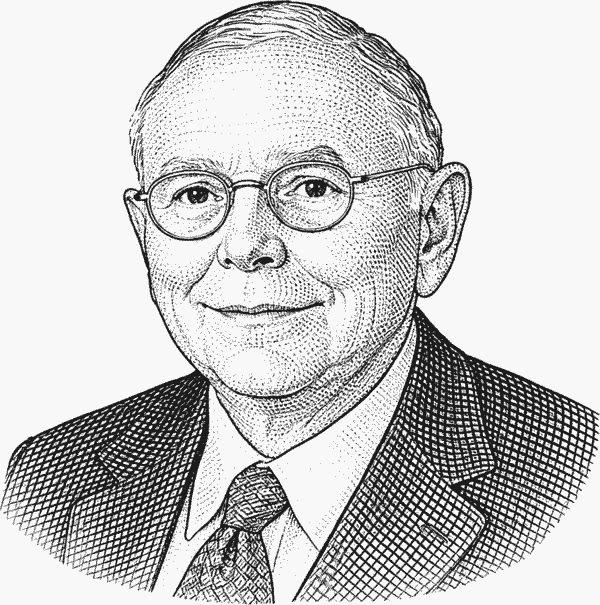
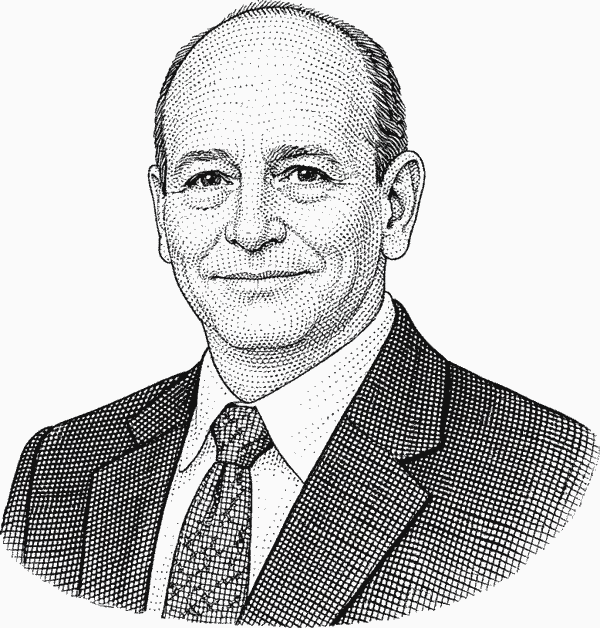
Warren Buffett quote portrait about risk

Warren Buffett

Predicting rain doesn't count; building arks does.

Source: Berkshire Hathaway Letters

Core idea

Success comes from taking practical, protective action instead of merely forecasting problems; real value lies in preparation, execution, and resilience, not in making accurate predictions.

Practical application

To become a better investor, focus less on guessing market crashes and more on steadily building resilient portfolios, emergency cash, and disciplined strategies that protect you in any environment.

Why it matters

The special insight is that wisdom and success come from quietly preparing, protecting, and executing, not from loudly predicting troubles you cannot control or time with precision.
Core idea

Buffett means that during difficult times, weak businesses and risky strategies are exposed, revealing who relied on luck, excess, or leverage rather than true strength and sound fundamentals.

Practical application

Use strong fundamentals, avoid excessive leverage, and stress-test your portfolio, because when markets fall, only genuinely resilient investments and disciplined strategies keep you from being exposed.

Why it matters

This quote reveals that adversity is the ultimate audit, exposing hidden fragility and revealing which people, businesses, and strategies are genuinely robust versus merely buoyed by favorable conditions.

Warren Buffett quote portrait about risk

Warren Buffett

Leverage can be deadly.

Source: Berkshire Hathaway Letters

Core idea

Leverage magnifies both gains and losses, so excessive borrowing can quickly destroy otherwise sound investments or businesses when conditions turn against you.

Practical application

As an investor, remember leverage cuts both ways; use debt sparingly so a downturn cannot force you to sell great assets at terrible prices or face permanent loss.

Why it matters

Buffett warns that leverage transforms temporary market setbacks into catastrophic, irreversible losses, proving that even excellent assets and judgment cannot reliably overcome the unforgiving math of excessive debt.

Warren Buffett quote portrait about business, risk

Warren Buffett

A moat that is shrinking is no moat at all.

Source: Berkshire Hathaway Letters

Core idea

Buffett warns that a competitive advantage must be durable and widening; if rivals are steadily eroding it, the business effectively has no real long-term protection or value.

Practical application

As an investor, focus on companies whose competitive strengths are expanding, not shrinking; a fading advantage means future profits and valuation are far less reliable or sustainable.

Why it matters

The insight is that competitive advantage is dynamic; only businesses whose moats deepen over time truly protect long-term profits, while shrinking moats destroy durable value and investor safety.

Warren Buffett quote portrait about risk

Warren Buffett

You only find out who's swimming naked when the tide goes out.

Source: Berkshire Hathaway Letters

Core idea

Buffett means that when conditions worsen, hidden risks and weaknesses are exposed, revealing which people or businesses were overleveraged, careless, or unprepared despite appearing successful in good times.

Practical application

As an investor, remember that bull markets hide bad decisions; focus on understanding risk, leverage, and cash flow so your portfolio is not exposed when conditions turn.

Why it matters

Buffetts quote insightfully reveals that apparent success often masks hidden fragility, and only adverse conditions reveal which strategies, businesses, or investors were truly resilient versus dangerously exposed.

Warren Buffett quote portrait about risk

Warren Buffett

When people get greedy, we get cautious.

Source: Berkshire Hathaway Letters

Core idea

The core idea is to avoid following emotional market extremes, instead acting rationally by reducing risk when others are overly optimistic and seizing opportunities when others are fearful.

Practical application

Apply this by trimming risk and avoiding hype during market euphoria, then patiently buying quality assets at discounts when panic drives prices far below intrinsic value.

Why it matters

Its special insight is that lasting investment success comes from countering herd emotion, prioritizing disciplined valuation over crowd sentiment, especially at extremes of fear and greed.

Warren Buffett quote portrait about risk

Warren Buffett

Risk comes from not knowing what you are doing.

Source: Berkshire Hathaway Letters

Core idea

Risk is not the same thing as volatility. Buffett is redefining risk as lack of understanding?Çöwhen you do not know what you own, why you own it, or what could go wrong.

Practical application

Stay within your circle of competence and only invest in businesses you can actually explain. Complexity, leverage, and vague narratives usually increase risk faster than most investors realize.

Why it matters

This quote quietly challenges a lot of modern finance. Buffett is saying that real risk is personal and knowledge-based, not something captured neatly by a statistical model.

Warren Buffett quote portrait about risk

Warren Buffett

Nothing sedates rationality like large doses of effortless money.

Source: Berkshire Hathaway Letters

Core idea

Easy, sudden wealth can cloud judgment, weaken discipline, and tempt people into abandoning careful thinking, prudent risk management, and long-term values for short-term pleasure and complacency.

Practical application

As you invest, remember easy windfalls can dull your judgment; keep strict discipline, question euphoria, and stick to sober analysis and risk limits even when money feels effortless.

Why it matters

Windfall wealth is uniquely dangerous because it impersonates skill, numbs caution, and quietly dismantles the rational habits that originally created the opportunity for success.

Warren Buffett quote portrait about business, risk

Warren Buffett

It's far better to buy a wonderful company.

Source: Berkshire Hathaway Letters

Core idea

Focus on owning high-quality businesses with durable advantages at fair prices, because their long-term compounding power outweighs small discounts on mediocre companies.

Practical application

In real life, prioritize investing in strong, consistently profitable businesses at reasonable prices, rather than chasing cheap, low-quality stocks that rarely compound wealth over decades.

Why it matters

The insight is that long-term wealth comes from owning durable, competitively advantaged businesses at fair prices, not from hunting bargains in mediocre, low-quality companies.

Warren Buffett quote portrait about risk

Warren Buffett

We prepare for the worst.

Source: Berkshire Hathaway Letters

Core idea

The core idea is to always anticipate adverse scenarios, build strong defenses, and make conservative decisions so that unexpected shocks do not threaten survival or long-term success.

Practical application

As an investor, always assume things can go wrong; keep cash reserves, avoid excessive debt, demand safety margins, and choose durable businesses so setbacks never destroy your long-term compounding.

Why it matters

The special insight is that true strength in investing comes from systematically planning for failure, so resilience and survival are never left to optimism, luck, or favorable conditions.

Core idea

Forecasts mostly reveal the biases, assumptions, and limitations of the person making them, rather than providing reliable insight about what will actually happen in the future.

Practical application

As an investor, treat forecasts as mirrors of analysts' biases and incentives, not crystal balls; focus instead on fundamentals, risk management, and long-term discipline.

Why it matters

This quote reveals that predictions expose human psychology and incentive structures, teaching us to scrutinize who is speaking and why, rather than trusting the forecasted outcome itself.

Warren Buffett quote portrait about risk

Warren Buffett

Liquidity matters when you don't have it.

Source: Berkshire Hathaway Letters

Core idea

The quote warns that easy access to cash seems unimportant in good times, but becomes critically valuable and potentially life-saving only when it suddenly disappears.

Practical application

As an investor, build ample cash reserves and avoid excessive leverage, because liquidity seems unnecessary in bull markets but becomes your only protection when opportunities or crises suddenly appear.

Why it matters

The insight is that liquidity is a paradoxical asset: it appears wasteful in prosperity yet becomes uniquely priceless when markets freeze, credit vanishes, or urgent opportunities suddenly emerge.

Warren Buffett quote portrait about risk

Warren Buffett

Storms will happen.

Source: Berkshire Hathaway Letters

Core idea

Face inevitable setbacks and crises with preparation, resilience, and rationality, recognizing that volatility is a normal part of markets and life, not a signal to panic.

Practical application

Use Buffets insight to expect market storms, prepare with diversification and cash reserves, and stay calm and rational, treating volatility as opportunity instead of a trigger for panic.

Why it matters

Buffetts insight is that market turmoil is inevitable, so lasting success demands emotional resilience, preparation, and disciplined action instead of panic-driven reactions to short-term volatility.

Warren Buffett quote portrait about investing, risk

Warren Buffett

There is seldom just one cockroach in the kitchen.

Source: Berkshire Hathaway Letters

Core idea

If a company reveals one serious problem or deception, it usually indicates deeper, widespread issues, so investors should assume more bad news is likely hidden.

Practical application

When you see one disturbing disclosure from a company, assume more undisclosed problems exist, tighten your skepticism, recheck fundamentals, and demand a higher margin of safety before investing.

Why it matters

This quote insightfully teaches that initial signs of trouble rarely stand alone, signaling systemic flaws and urging investors to anticipate cascading problems and heighten their due diligence.

Warren Buffett quote portrait about risk

Warren Buffett

Derivatives are dangerous.

Source: Berkshire Hathaway Letters

Core idea

Buffett warns that derivatives, while useful for hedging, can magnify leverage, obscure real risk, and create systemic vulnerabilities that are misunderstood until crises expose massive hidden losses.

Practical application

As an investor, remember derivatives can quietly amplify leverage and obscure true exposure, so understand underlying risks fully and avoid complexity you cannot clearly measure, explain, and withstand.

Why it matters

The special insight is that financial innovation like derivatives often hides leverage and interconnected risk, so apparent sophistication can actually increase fragility and catastrophic downside in unpredictable ways.

Benjamin Graham quote portrait about investing, risk

Benjamin Graham

The margin of safety is the central concept of investment.

Source: The Intelligent Investor

Core idea

Invest with a buffer between price and value, so unexpected mistakes, bad luck, or market swings are less likely to cause permanent loss of capital.

Practical application

Apply it by buying only when a stock is clearly undervalued, so even if your analysis is imperfect or markets drop, you still have protection against permanent loss.

Why it matters

It reveals that investment success hinges less on perfect forecasting and more on demanding a protective discount to intrinsic value, turning uncertainty and error into manageable, nonfatal risks.

Benjamin Graham quote portrait about risk

Benjamin Graham

The purpose of the margin of safety is to render the forecast unnecessary.

Source: The Intelligent Investor

Core idea

By buying far below conservative intrinsic value, investors protect themselves against errors, surprises, and uncertainty so future predictions become less critical to achieving satisfactory long-term returns.

Practical application

In real life, apply Grahams idea by only buying quality investments well below conservative value, so even if your forecasts are wrong, you still have strong downside protection.

Why it matters

Grahams insight is that safety in investing comes less from accurate forecasts and more from demanding a steep discount to cautious value, making future uncertainty far less dangerous.

Benjamin Graham quote portrait about risk

Benjamin Graham

A margin of safety protects against errors in judgment.

Source: The Intelligent Investor

Core idea

Build in a margin of safety when investing so that even if your analysis is wrong or conditions change, you still avoid permanent loss and protect your capital.

Practical application

Apply Grahams margin of safety by buying only when prices are well below conservative value estimates, so mistakes, surprises, or bad luck are less likely to cause permanent capital loss.

Why it matters

Grahams insight is that disciplined investors should demand a built-in cushion between price and value, accepting uncertainty and human fallibility while still guarding against permanent capital loss.

Benjamin Graham quote portrait about risk, management

Benjamin Graham

Diversification is a key component of risk management.

Source: The Intelligent Investor

Core idea

Spreading investments across many assets helps reduce the impact of any single loss, making overall returns more stable and protecting investors from severe financial damage.

Practical application

Apply this by splitting your money across different stocks, bonds, and cash so one bad investment cannot wreck your entire portfolio or long-term goals.

Why it matters

The insight is that uncertainty is inevitable, so disciplined diversification deliberately accepts some mediocre outcomes to avoid devastating losses, maximizing long-term survival and compounding rather than short-term perfection.

Benjamin Graham quote portrait about risk, investing

Benjamin Graham

Successful investing is about managing risk, not avoiding it.

Source: The Intelligent Investor

Core idea

The core idea is to recognize that risk is unavoidable, so investors should focus on understanding, measuring, and controlling it instead of trying to eliminate risk entirely.

Practical application

In real life, apply this by diversifying, keeping a margin of safety, and investing only in what you understand, so risks are deliberate, measured, and survivable.

Why it matters

True investing wisdom lies in embracing unavoidable risk, then shaping it through judgment, analysis, and safeguards so setbacks hurt but never permanently endanger your financial survival.

Benjamin Graham quote portrait about risk, investing

Benjamin Graham

The essence of investment management is the management of risks, not the management of returns.

Source: The Intelligent Investor

Core idea

Successful investing focuses on carefully controlling potential losses and uncertainties, because protecting capital and avoiding ruin matters more for long-term success than chasing the highest possible returns.

Practical application

Apply this by prioritizing diversification, margin of safety, and avoiding big permanent losses, so your portfolio can compound steadily instead of gambling on risky, unpredictable high-return bets.

Why it matters

True investment wisdom is recognizing that survival and preservation of capital, through disciplined risk control, ultimately generate more reliable long-term wealth than aggressively pursuing maximum returns.

Benjamin Graham quote portrait about risk, investing

Benjamin Graham

The investor must understand risk.

Source: The Intelligent Investor

Core idea

True investing requires grasping how much you can lose, why, and under what conditions, then demanding a margin of safety instead of merely chasing possible returns.

Practical application

Apply this by studying worst-case outcomes before investing, limiting position sizes, diversifying wisely, and insisting on a margin of safety instead of chasing exciting but fragile returns.

Why it matters

Graham reveals that real investing is not forecasting profits but rigorously quantifying potential loss, its causes, and conditions, then insisting on a protective margin of safety.

Benjamin Graham quote portrait about risk, investing

Benjamin Graham

The investor should avoid unnecessary risks.

Source: The Intelligent Investor

Core idea

Graham urges investors to prioritize capital preservation, focusing on disciplined, well-analyzed decisions while shunning speculative bets and emotional impulses that add risk without adequate potential reward.

Practical application

Apply this by investing only after careful analysis, demanding a margin of safety, avoiding hot tips, and refusing risks where potential reward does not clearly justify possible loss.

Why it matters

True investing is not chasing every opportunity, but rigorously filtering out risks that lack a clear margin of safety, so preserved capital can compound over time.

Seth Klarman quote portrait about risk, valuation

Seth Klarman

While some might mistakenly consider value investing a mechanical tool for identifying bargains, it is actually a comprehensive investment philosophy that emphasizes the need to perform in-depth fundamental analysis, pursue long-term investment results, limit risk, and resist crowd psychology.

Source: Margin of Safety

Core idea

Value investing is not just buying cheap stocks; it is a full discipline of deep analysis, patience, risk control, and independent thinking against prevailing market sentiment.

Practical application

Apply this by studying businesses in depth, waiting patiently for clear mispricing, sizing positions conservatively, and sticking to your analysis even when the market disagrees.

Why it matters

The special insight is that true value investing is a rigorous, discipline-driven mindset integrating analysis, patience, risk management, and independent judgment, not a simple formula for buying statistically cheap stocks.

Seth Klarman quote portrait about risk, valuation

Seth Klarman

The disciplined pursuit of bargains makes value investing very much a risk-averse approach.

Source: Margin of Safety

Core idea

By insisting on buying assets far below intrinsic value, investors reduce downside risk, creating a conservative, risk-averse way to invest rather than chasing speculative gains.

Practical application

Apply this by patiently researching, valuing businesses conservatively, and buying only when prices are far below value, so downside is limited even if your analysis is imperfect.

Why it matters

Klarman reveals that true risk management in investing comes not from forecasts or diversification alone, but from systematically demanding large discounts to intrinsic value before committing capital.

Seth Klarman quote portrait about risk, valuation

Seth Klarman

While it might seem that anyone can be a value investor, the essential characteristics of this type of investor-patience, discipline, and risk aversion-may well be genetically determined.

Source: Margin of Safety

Core idea

Value investing is less about knowledge and more about inherent temperament; sustained success depends on inborn patience, discipline, and risk aversion that many people simply do not possess.

Practical application

To apply this, focus less on finding secret stock tips and more on training your temperament: enforce patience, strict buy criteria, and downside protection even when emotions scream otherwise.

Why it matters

The insight is that value investing success hinges less on superior analysis and more on a rare, stable temperament that consistently resists greed, fear, and crowd pressure.

Seth Klarman quote portrait about risk

Seth Klarman

The problem is that with so much attention being paid to the upside, it is easy to lose sight of the risk.

Source: Margin of Safety

Core idea

Focusing mainly on potential gains blinds investors to possible losses, leading to poor risk assessment, overconfidence, and vulnerable portfolios when markets or assumptions inevitably change.

Practical application

In real life, apply this by always asking "What can go wrong?" before investing, stress-testing your assumptions, and prioritizing downside protection over chasing the highest possible return.

Why it matters

The insight is that disciplined investors must treat risk as primary, rigorously evaluating potential loss and uncertainty instead of being seduced by optimistic projections of upside returns.

Seth Klarman quote portrait about risk, investing

Seth Klarman

Investors buy securities that appear to offer attractive return for the risk incurred and sell when the return no longer justifies the risk.

Source: Margin of Safety

Core idea

Investors should constantly weigh potential return against risk, buying only when compensation is attractive and selling once the reward no longer adequately offsets the dangers involved.

Practical application

In real life, apply this by estimating downside first, demanding a clear margin of safety, sizing positions conservatively, and trimming or exiting once risk rises faster than expected reward.

Why it matters

The special insight is that investing is a dynamic balance, requiring continual reassessment of risk versus reward rather than blind faith in initial valuations or long-term optimism.

Seth Klarman quote portrait about risk

Seth Klarman

Acting with the crowd ensures an acceptable mediocrity; acting independently runs the risk of unacceptable underperformance.

Source: Margin of Safety

Core idea

True investing skill requires independent thinking, which can cause painful short-term underperformance, while simply following the crowd feels safer but usually leads to only average, unremarkable results.

Practical application

To become a better investor, you must think independently, accept temporary discomfort and underperformance, and rigorously follow your own researched convictions instead of seeking comfort in the crowd.

Why it matters

The insight is that genuine investment edge comes from thoughtful independence, accepting temporary isolation and underperformance to pursue mispriced opportunities the crowd misunderstands or is too fearful to exploit.

Seth Klarman quote portrait about risk, investing

Seth Klarman

Investors should always keep in mind that the most important metric is not the returns achieved but the returns weighed against the risks incurred. Ultimately, nothing should be more important to investors than the ability to sleep soundly at night.

Source: Margin of Safety

Core idea

Investment success is not just about high returns, but about earning them with prudent risk, preserving peace of mind and avoiding losses that threaten long-term financial security.

Practical application

In real life, apply this by choosing investments you understand, limiting downside risk, diversifying, and accepting modest returns if they let you stay invested and sleep well.

Why it matters

True investment wisdom is recognizing that sustainable, worry-free wealth comes not from chasing maximum returns, but from carefully controlling risk and prioritizing long-term capital preservation.

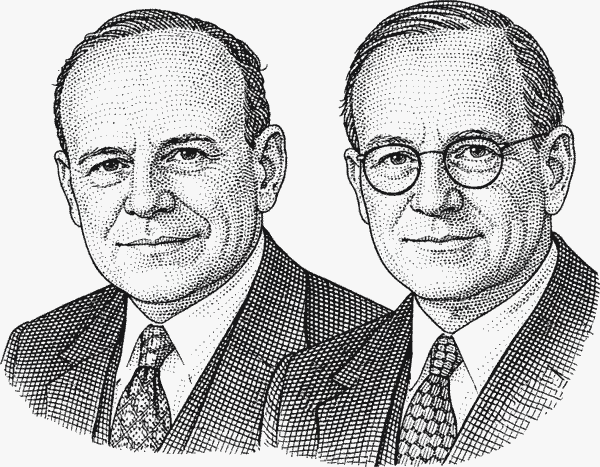
Benjamin Graham & David Dodd quote portrait about risk, valuation

Benjamin Graham & David Dodd

The disciplined pursuit of bargains makes value investing very much a risk-averse approach.

Source: Security Analysis

Core idea

Careful value investors reduce risk by buying quality businesses only when prices fall well below intrinsic value, creating a margin of safety through disciplined bargain hunting.

Practical application

Apply this by patiently waiting for strong companies to trade well below your estimate of intrinsic value, then buying decisively to lock in a margin of safety and limit downside risk.

Why it matters

True value investing transforms risk management into opportunity by insisting on a wide margin of safety, turning market mispricing into protection against permanent capital loss.

Benjamin Graham & David Dodd quote portrait about risk, investing

Benjamin Graham & David Dodd

Investors buy securities that appear to offer attractive return for the risk incurred and sell when the return no longer justifies the risk.

Source: Security Analysis

Core idea

Investors should compare potential return to risk, buying only when compensation for risk is favorable and selling once that balance turns unattractive, ensuring rational, risk-aware investment decisions.

Practical application

Apply this by estimating risk and expected return before every trade, buying only when return clearly outweighs risk and selling when that risk-return balance turns unfavorable.

Why it matters

The special insight is that intelligent investing hinges on continually weighing risk versus return, acting only when expected gains soundly justify potential losses, and exiting once that justification disappears.

Benjamin Graham & David Dodd quote portrait about risk

Benjamin Graham & David Dodd

The problem is that with so much attention being paid to the upside, it is easy to lose sight of the risk.

Source: Security Analysis

Core idea

Focusing mainly on potential profits blinds investors to downside risk, encouraging speculation instead of disciplined analysis and increasing chances of permanent capital loss.

Practical application

In real life, apply this by first calculating what you could realistically lose, not just gain, and only invest where downside is limited and safety of principal is clear.

Why it matters

It highlights that disciplined investing starts with assessing downside and preserving capital, not chasing upside, distinguishing true investment from speculation and preventing emotionally driven, ruinous decisions.

Benjamin Graham & David Dodd quote portrait about risk

Benjamin Graham & David Dodd

Acting with the crowd ensures an acceptable mediocrity; acting independently runs the risk of unacceptable underperformance.

Source: Security Analysis

Core idea

Following the crowd in investing usually yields average, safer results, while truly independent thinking can produce superior gains but also dangerously poor, career-threatening underperformance.

Practical application

To be a better investor, accept occasional uncomfortable underperformance from independent decisions, or you will remain safely average by always hugging the benchmark and following the crowd.

Why it matters

True investing skill demands courage to stray from consensus; without tolerating painful, career-risking underperformance, you forfeit the possibility of truly superior, above-average long-term results.

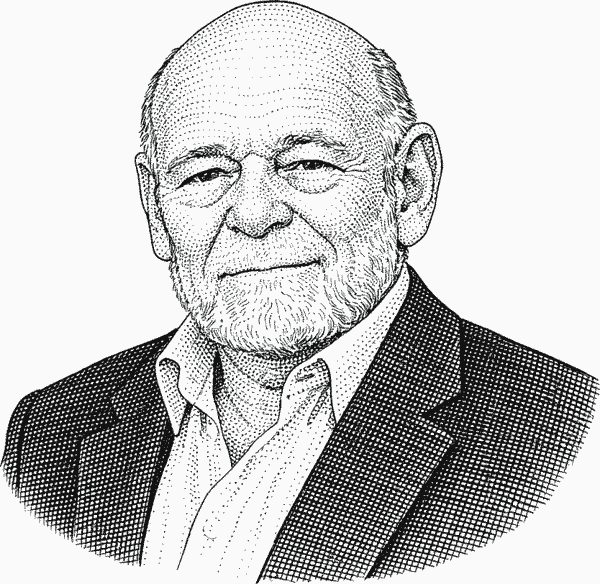
Sam Zell quote portrait about business, risk

Sam Zell

Replacement cost determines future competition.

Source: Am I Being Too Subtle

Core idea

If new properties cost far more to build than to buy existing ones, new supply will be limited, protecting current owners and supporting higher long-term rents and asset values.

Practical application

Before investing, compare what it costs to build similar assets today vs buying existing ones; if replacement cost is much higher, your investment has built-in protection from future competition.

Why it matters

Zell reveals that replacement cost acts as a strategic moat indicator, signaling when existing assets are structurally protected from future supply and thus from excessive long-term competitive pressure.

Sam Zell quote portrait about risk, investing

Sam Zell

All the opportunity in the world means nothing if you don't actually pull the trigger.

Source: Speeches / Essays

Core idea

Potential and planning are useless without decisive action; real progress, value, and success come only when you overcome hesitation, commit, and actually execute on your opportunities.

Practical application

To become a better investor, do the research and planning, but remember that only timely, decisive buying and selling converts your analysis into real returns and wealth-building experience.

Why it matters

True leverage lies not in seeing opportunities but in crossing the psychological gap between knowing enough and acting decisively, where risk, learning, and reward finally become real.

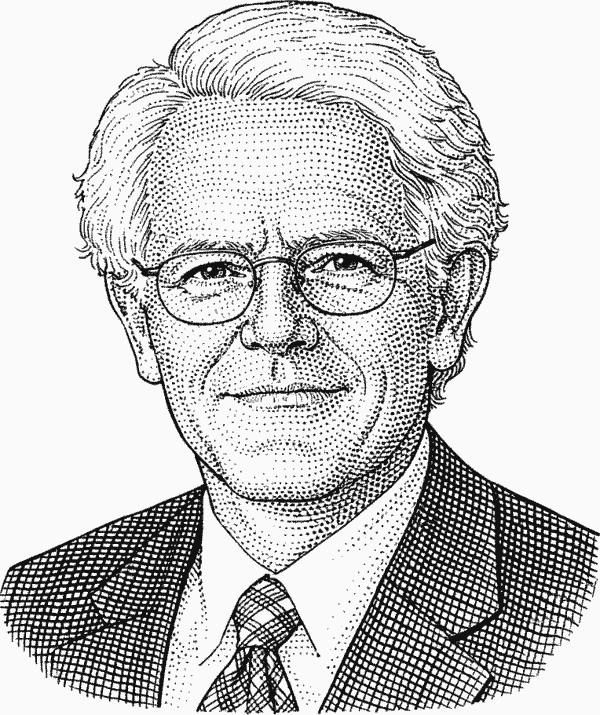
Peter Lynch quote portrait about risk

Peter Lynch

Investing without research is like playing poker and never looking at the cards.

Source: Beating the Street

Core idea

Acting without information is gambling, not investing.

Practical application

Always do basic due diligence - financials, business model, risks.

Why it matters

Lynch is highlighting how common it is for investors to operate blindly.

Sam Zell quote portrait about risk

Sam Zell

The biggest risk is losing the dollar as a reserve currency.

Source: Am I Being Too Subtle

Core idea

He warns that the greatest danger is the U.S. dollar losing its global reserve status, which would undermine American economic power, financial stability, and geopolitical influence.

Practical application

As an investor, track signs of the dollar losing reserve status, since shifting currency power can radically change inflation, interest rates, asset values, and global capital flows.

Why it matters

The insight is that reserve currency status is the hidden backbone of U.S. prosperity, so its erosion would reorder global finance and reprices every asset investors hold.

Peter Lynch quote portrait about risk

Peter Lynch

There is always something to worry about.

Source: Beating the Street

Core idea

Uncertainty is constant.

Practical application

Do not wait for perfect conditions - they never arrive.

Why it matters

Markets always give you reasons not to invest.

Sam Zell quote portrait about risk

Sam Zell

Some of the best deals are the ones you do not do.

Source: Am I Being Too Subtle

Core idea

The core idea is that disciplined restraint and walking away from risky or misaligned opportunities can create more long-term value than impulsively pursuing every seemingly attractive deal.

Practical application

In real life, becoming a better investor means rigorously filtering opportunities, walking away from mispriced or misaligned deals, and recognizing that avoided losses compound your long-term returns.

Why it matters

The special insight is that disciplined inaction - deliberately not investing when risks, price, or fit are wrong - is itself a powerful, compounding source of long-term investment returns.

Sam Zell quote portrait about risk

Sam Zell

I want people who understand risk.

Source: Am I Being Too Subtle

Core idea

Zell values people who can realistically assess, price, and manage downside and upside, making bold decisions without recklessness or naivete, because disciplined risk-taking drives superior long-term returns.

Practical application

To become a better investor, train yourself to see risk clearly, price it rationally, and act decisively, so you can pursue big opportunities without gambling your future.

Why it matters

Zell highlights that true edge lies in clear-eyed risk mastery - sizing, pricing, and owning uncertainty - enabling bold yet survivable bets that compound superior returns over time.

Sam Zell quote portrait about risk

Sam Zell

Taking risks is really the only way to consistently achieve above-average returns.

Source: Speeches / Essays

Core idea

Consistently earning above-average returns requires embracing calculated risk, because safe, conventional choices tend to produce only average outcomes and rarely generate truly superior performance.

Practical application

To be a better investor, deliberately seek calculated, researched risks instead of only safe, popular choices, because disciplined risk-taking is what produces returns that beat the crowd over time.

Why it matters

Above-average investment success depends on selectively embracing well-researched, nonobvious risks, recognizing that safety and consensus typically cap results at merely average, never truly exceptional, performance.

Sam Zell quote portrait about risk

Sam Zell

If the deal did not work, it did not work.

Source: Am I Being Too Subtle

Core idea

Accept reality quickly; do not chase sunk costs or force bad deals to succeed. Walk away, preserve capital, and move on to better opportunities instead of rationalizing failure.

Practical application

As an investor, cut losers quickly, ignore sunk costs, and redeploy your time and capital into stronger opportunities instead of trying to rescue fundamentally broken deals.

Why it matters

The special insight is that discipline means recognizing when a deal is fundamentally wrong, exiting decisively, and reallocating resources instead of clinging to ego, hope, or sunk costs.

Sam Zell quote portrait about risk

Sam Zell

Risk-taking rests on identifying what will make or break you.

Source: Am I Being Too Subtle

Core idea

True risk-taking is not about avoiding danger, but clearly recognizing the few critical factors that can either propel you to success or completely destroy you.

Practical application

To be a better investor, focus less on every possible risk and more on the few key factors that could either multiply your capital or permanently wipe you out.

Why it matters

The special insight is that real risk management means isolating the few decisive variables that determine survival or ruin, then concentrating analysis, protection, and boldness around those points.

Sam Zell quote portrait about risk, investing

Sam Zell

My focus is always on the downside.

Source: Am I Being Too Subtle

Core idea

Prioritizing the downside means rigorously identifying and limiting potential losses first, so that if risks are controlled, the upside will naturally take care of itself.

Practical application

To be a better investor, obsess over what you can lose first, design safeguards around those risks, and let well-chosen, protected opportunities compound their upside over time.

Why it matters

True investing skill lies in systematically protecting against ruin, because when your downside is tightly controlled, surviving long enough makes capturing meaningful upside almost inevitable.

Sam Zell quote portrait about risk, investing

Sam Zell

If you have got a big downside and a small upside, run the other way.

Source: Am I Being Too Subtle

Core idea

Focus relentlessly on asymmetry: avoid any deal where potential losses greatly exceed plausible gains, and pursue only opportunities with limited downside and substantial, realistic upside.

Practical application

As an investor, treat every decision like Zell advises: rigorously quantify downside vs upside, refuse skewed bets, and concentrate capital only where probable gains vastly outweigh realistic risks.

Why it matters

The special insight is disciplined asymmetry: consistently reject negative skew, protect against ruin, and concentrate only in situations where realistic upside dwarfs clearly bounded downside.

Sam Zell quote portrait about risk, investing

Sam Zell

If you have got a big upside and a small downside, do the deal.

Source: Am I Being Too Subtle

Core idea

Choose opportunities where potential gains greatly exceed potential losses; consistently taking asymmetrically favorable risks builds long-term success while limiting the damage from inevitable mistakes.

Practical application

As an investor, deliberately seek situations where limited risk buys large potential reward, so repeated small, controlled bets on big upside gradually compound your wealth despite occasional losses.

Why it matters

The special insight is that consistently pursuing asymmetrical opportunities, where downside is strictly limited but upside is large, lets occasional wins dominate many small, acceptable losses over time.

Sam Zell quote portrait about risk

Sam Zell

I look for clarity, and if something is not clear, I get more information.

Source: Am I Being Too Subtle

Core idea

The core idea is to never tolerate confusion; instead, proactively seek additional information until you fully understand a situation before making judgments or decisions.

Practical application

As an investor, never accept fuzzy details; relentlessly dig for data, question assumptions, and clarify risks until the opportunity is transparent enough to justify committing real capital.

Why it matters

The special insight is that disciplined clarity-seeking, not innate genius, is what consistently drives sound decisions, superior judgment, and long-term investing success in complex, uncertain environments.

Peter Lynch quote portrait about risk

Peter Lynch

Avoid long shots.

Source: Beating the Street

Core idea

Speculative bets rarely pay off.

Practical application

Favor probability over excitement.

Why it matters

Lynch is steering you toward repeatable success.

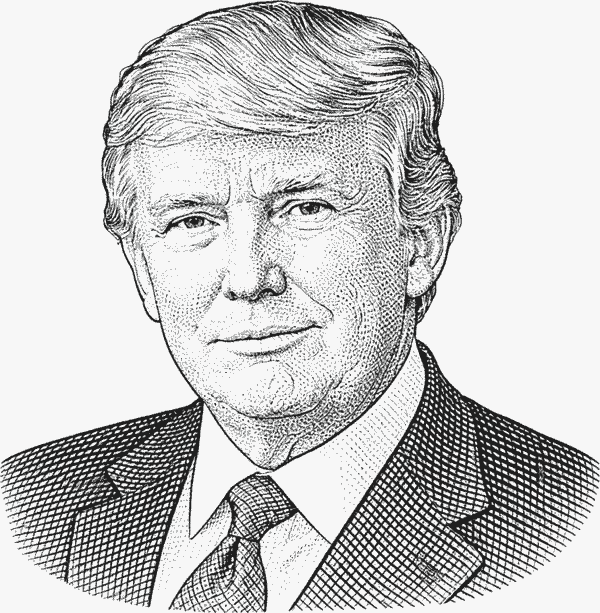
Donald Trump quote portrait about risk

Donald Trump

I always go into a deal anticipating the worst.

Source: The Art of the Deal

Core idea

The core idea is that effective dealmaking requires assuming potential problems and setbacks in advance, so you can prepare strong contingencies and avoid being caught off guard.

Practical application

As an investor, always model worst-case scenarios for every opportunity so you can size positions wisely, protect downside risk, and avoid emotional decisions when markets inevitably surprise you.

Why it matters

The special insight is that disciplined planners deliberately envision worst-case outcomes, turning fear into foresight so they can structure deals, safeguards, and responses long before pressure or surprises arrive.

Donald Trump quote portrait about risk

Donald Trump

You have to be prepared to take risks.

Source: The Art of the Deal

Core idea

Success and meaningful progress require leaving your comfort zone, embracing uncertainty, and acting decisively despite possible failure, because great opportunities rarely come without significant risk.

Practical application

As an investor, accept calculated risks, research thoroughly, diversify intelligently, and act decisively despite uncertainty, because meaningful long-term gains rarely come from staying entirely in your comfort zone.

Why it matters

True success demands stepping beyond safety, embracing uncertainty with informed courage, and recognizing that transformative opportunities almost always require accepting real, calculated risk.

Donald Trump quote portrait about wisdom, risk

Donald Trump

You cannot be imaginative unless you are willing to fail.

Source: The Art of the Deal

Core idea

True imagination requires risk; you must accept the possibility of failure, experimentation, and mistakes in order to create, innovate, and discover truly original ideas.

Practical application

To become a better investor, you must risk being wrong, learn from losses, and experiment thoughtfully, because disciplined trial and error is what uncovers original, profitable opportunities.

Why it matters

The quote reveals that genuine creativity emerges from disciplined risk-taking and learning from failure, showing that embracing uncertainty is essential for discovering uniquely valuable opportunities.

Charlie Munger quote portrait about wisdom, risk

Charlie Munger

If you play games where others have the aptitude and you don't, you will lose.

Source: Art of Stock Picking

Core idea

You must choose arenas that match your strengths; competing where others have superior skill or knowledge guarantees persistent disadvantage, poor decisions, and ultimately losing over time.

Practical application

To become a better investor, focus on businesses and strategies you truly understand, avoiding complex arenas where others hold clear informational, analytical, or psychological advantages over you.

Why it matters

The insight is that sustainable success comes from deliberately choosing competitive arenas aligned with your unique strengths, not battling experts on their home turf where you are structurally outmatched.

Charlie Munger quote portrait about risk, investing

Charlie Munger

You should bet big when you have the odds.

Source: Art of Stock Picking

Core idea

Focus your largest investments on rare situations where you clearly understand the odds are strongly in your favor, instead of spreading capital thin across mediocre opportunities.

Practical application

As an investor, patiently wait for rare, well-understood opportunities with clear favorable odds, then invest meaningfully, instead of constantly nibbling at average ideas you barely understand.

Why it matters

True edge is scarce, so the special insight is to concentrate capital only when you deeply understand that probabilities and payoff are overwhelmingly in your favor, tolerating long inactivity otherwise.

Joel Greenblatt quote portrait about risk

Joel Greenblatt

Volatility is not risk; permanent loss is.

Source: The Little Book That Beats the Market

Core idea

The core idea is that temporary price swings do not matter much; the real danger is losing money permanently by overpaying or owning businesses with lasting fundamental problems.

Practical application

Focus less on short-term stock swings and more on avoiding overpaying, excessive leverage, and weak businesses that can cause lasting, irreversible losses to your invested capital.

Why it matters

It reframes risk from price movement to permanent capital loss, guiding investors to prioritize business quality, valuation, and durability over short-term volatility and market noise.

Joel Greenblatt quote portrait about risk

Joel Greenblatt

The market can stay irrational longer than you expect.

Source: The Little Book That Beats the Market

Core idea

Markets can price stocks irrationally for longer than investors anticipate, so relying on short-term logic or timing alone is dangerous; patience and discipline are essential for successful investing.

Practical application

Apply this by building a sound strategy, buying only when odds favor you, then holding patiently through irrational price swings instead of constantly reacting to short-term market noise.

Why it matters

The insight is that rational analysis alone cannot dictate short-term outcomes; success requires enduring prolonged mispricing with conviction, avoiding premature exits driven by frustration, fear, or market noise.

Joel Greenblatt quote portrait about risk

Joel Greenblatt

The goal is not to avoid mistakes but to survive them.

Source: The Little Book That Beats the Market

Core idea

Focus less on perfect investing and more on building resilient strategies and risk controls so inevitable mistakes do not destroy your capital or long-term compounding.

Practical application

Apply this by diversifying, sizing positions small, avoiding leverage, and holding cash reserves so that when you are wrong, you stay in the game and keep compounding.

Why it matters

Greenblatt highlights that lasting investment success depends less on flawless decisions than on structures that limit damage, protect compounding, and keep you participating through inevitable errors.

Brett Owens quote portrait about risk, investing

Brett Owens

High yields aren't risky if you understand why they exist.

Source: Outlook

Core idea

High yields are not automatically dangerous; they can be reasonable opportunities when you clearly understand the underlying business, payout sources, and specific risks that create those elevated yields.

Practical application

Apply this by digging into each high-yield investment: study its business model, cash flows, and risk drivers before buying, instead of blindly chasing the biggest advertised payout.

Why it matters

The insight is that high yields signal a story, not automatic danger; informed investors can exploit mispricings by understanding the specific structural, cyclical, or temporary risks behind those payouts.

Howard Marks quote portrait about investing, risk

Howard Marks

You can't predict, but you can prepare.

Source: Memos

Core idea

The core idea is that the future is inherently uncertain, so instead of trying to forecast outcomes, focus on resilience, risk management, and flexible positioning to handle many possible scenarios.

Practical application

Instead of guessing market moves, build resilient portfolios, control risk, hold cash buffers, and stay flexible so you can adapt rationally to many possible futures.

Why it matters

Its special insight is that durable success comes less from accurate forecasts than from structuring your finances, behavior, and options to survive and benefit across many unpredictable futures.

Howard Marks quote portrait about investing, risk

Howard Marks

Risk control is the most important element in investing.

Source: Memos

Core idea

The core idea is that long-term investment success depends more on consistently managing downside risk and avoiding big losses than on aggressively chasing high returns.

Practical application

To be a better investor, focus daily on protecting your capital, avoiding big mistakes, and surviving bad markets rather than chasing impressive short-term returns.

Why it matters

True investing skill lies in relentless risk control, because avoiding large, permanent losses compounds far more powerfully over time than occasionally achieving spectacular gains.

Howard Marks quote portrait about risk

Howard Marks

There is nothing riskier than the widespread perception that there is no risk.

Source: Speeches / Essays

Core idea

When everyone believes an investment is safe, they act carelessly and overpay, inflating bubbles and silently increasing the true risk of severe losses when reality changes.

Practical application

As an investor, treat unanimous optimism as a warning sign; when everyone believes something is safe, scrutinize valuations, risk controls, and assumptions twice as hard before committing capital.

Why it matters

It exposes the paradox that perceived safety breeds the very dangers investors hope to avoid, as complacency, overconfidence, and crowded trades quietly magnify true downside risk.

Doug K. Le Du quote portrait about risk, investing

Doug K. Le Du

Never invest your money based on advice from someone who is not familiar with your investment goals, resources and risk tolerance.

Source: Preferred Stock, 5th Edition

Core idea

Investment advice must be personalized; only guidance that reflects your specific goals, financial resources, and risk tolerance can be appropriate, responsible, and aligned with your best interests.

Practical application

Apply this by first defining your goals, resources, and risk tolerance, then only following advice that clearly incorporates those specifics, not generic tips or one-size-fits-all strategies.

Why it matters

The Insight is that sound investing requires deeply individualized guidance; generic recommendations are inherently incomplete, potentially harmful, and must be filtered through your personal objectives, capacity, and emotional risk limits.

Doug K. Le Du quote portrait about risk

Doug K. Le Du

Lower risk for higher reward sounds like voodoo, but the data show it can occur.

Source: Preferred Stock, 5th Edition

Core idea

Counterintuitively, carefully selected preferred stocks can simultaneously reduce portfolio volatility and increase returns, challenging the traditional belief that higher rewards always require accepting higher risk.

Practical application

As an aspiring better investor, you can apply this insight by targeting mispriced, high-quality preferred stocks that historically deliver steadier income and capital preservation while still outperforming many common-stock portfolios.

Why it matters

Le Du's insight reveals that selectively chosen preferred stocks can defy the usual risk-return tradeoff, delivering both lower volatility and superior long-term gains versus many common-stock strategies.

Jawaharlal Nehru quote portrait about risk

Jawaharlal Nehru

The policy of being too cautious is the greatest risk of all.

Source: Speeches / Essays

Core idea

Avoiding decisive action out of excessive caution can cause missed opportunities and greater long-term harm than the risks we were originally afraid to confront.

Practical application

As an investor, overanalyzing and never acting can quietly erode your wealth; measured, informed risks often protect and grow capital better than perpetual hesitation.

Why it matters

Recognizing that inaction itself carries hidden costs, this quote exposes how excessive caution can quietly sabotage long-term success more than bold, well-reasoned risks ever could.

Muriel Siebert quote portrait about risk

Muriel Siebert

A risk-reward ratio is important, but so is an aggravation-satisfaction ratio.

Source: Speeches / Essays

Core idea

True success in decisions and careers weighs not only financial risk versus reward, but also how much stress or aggravation you endure compared with the personal satisfaction you gain.

Practical application

As you choose investments, weigh not just potential returns against risks, but also how much stress, time, and worry they cost versus the genuine satisfaction and freedom they bring.

Why it matters

True wisdom means optimizing not just money and outcomes, but also your emotional balance sheet: minimizing chronic aggravation while maximizing sustained satisfaction and peace of mind.

What this category teaches

How to Use Risk Quotes Well

Read for patterns

The strongest lessons usually repeat. Compare how multiple thinkers approach risk and look for ideas that keep resurfacing.

Turn ideas into checklists

The best use of a page like this is practical. Let a quote refine how you value a business, frame risk, study management, or respond to market emotion.

Frequently asked questions

Questions About Risk Quotes

What are risk quotes?

Risk quotes is quotations that revolve around the theme of risk and help readers revisit durable principles on that subject.

Why study risk quotes?

Because durable ideas become more useful when readers see how different thinkers express the same theme from different angles.

How should I use this page?

Read slowly, compare recurring patterns, and decide which ideas belong on your own checklist.

Are these quotes investment advice?

No. They are educational material designed to help readers think more clearly about business and investing principles.

Can I browse by author too?

Yes. Usethe authors indexto study one thinker in depth, then return to category pages to compare perspectives.