Category

Capitulation Quotes for Thoughtful Readers

Capitulation is one of the most important—and most misunderstood—concepts in markets. It represents the point at which fear, exhaustion, and loss of confidence push investors to abandon positions, often near extremes. This collection brings together quotes that highlight how emotional pressure builds during downturns and how that pressure can distort judgment at exactly the wrong time. Reading these quotes together reveals a pattern: markets do not just move on fundamentals—they move on behavior. Capitulation tends to occur when narratives break down, headlines turn overwhelmingly negative, and participants begin prioritizing relief over rational decision-making. For disciplined investors, these moments are not just risks—they are signals. The goal of this collection is to help readers better recognize those signals. Instead of reacting to fear, the most successful investors use frameworks that allow them to step back, assess value, and act deliberately. By studying how experienced thinkers describe market extremes, you can begin to separate temporary emotion from lasting reality. As you work through these quotations, focus on the common threads: patience, discipline, and the importance of maintaining perspective when others lose it. Over time, these patterns can become practical tools—helping you navigate downturns with clarity instead of confusion and turning moments of widespread capitulation into opportunities grounded in reason rather than reaction.

1 of 2
When you sell in desperation, you always sell cheap.

Core idea

Selling in panic usually means accepting far less than an asset is worth; emotional, rushed decisions destroy negotiating power and lead to poor prices and long-term regret.

Practical application

As an investor, prepare cash reserves and clear rules so you never become a forced seller; avoiding panic sales helps protect value, patience, and long-term compounding.

Why it matters

The insight is that your true loss often comes not from market declines themselves, but from being forced to sell under pressure when your bargaining power and judgment are weakest.
Everyone has the brainpower to make money in stocks. Not everyone has the stomach. If you are susceptible to selling everything in a panic, you ought to avoid stocks and mutual funds altogether.

Core idea

Successful stock investing depends less on intelligence and more on emotional discipline; without the ability to endure volatility calmly, you should avoid stocks and stock funds entirely.

Practical application

To be a better investor, focus less on finding genius stock ideas and more on training yourself to stay calm and stick to your plan during scary market drops.

Why it matters

The special Insight is that emotional resilience under market stress, not superior intellect, is the decisive edge in long-term stock investing success and suitability.

Full collection

Read All 2 Capitulation Quotes with Context

Readers who search for capitulation quotes is usually studying market extremes. This page helps recognize patterns that appear when fear and forced selling dominate.

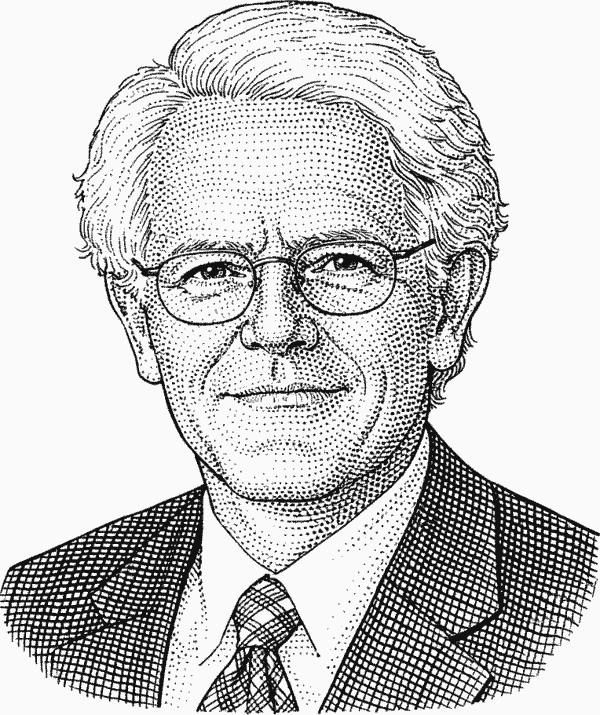
Peter Lynch quote portrait about capitulation

Peter Lynch

When you sell in desperation, you always sell cheap.

Source: Speeches / Essays

Core idea

Selling in panic usually means accepting far less than an asset is worth; emotional, rushed decisions destroy negotiating power and lead to poor prices and long-term regret.

Practical application

As an investor, prepare cash reserves and clear rules so you never become a forced seller; avoiding panic sales helps protect value, patience, and long-term compounding.

Why it matters

The insight is that your true loss often comes not from market declines themselves, but from being forced to sell under pressure when your bargaining power and judgment are weakest.

Peter Lynch quote portrait about capitulation

Peter Lynch

Everyone has the brainpower to make money in stocks. Not everyone has the stomach. If you are susceptible to selling everything in a panic, you ought to avoid stocks and mutual funds altogether.

Source: Speeches / Essays

Core idea

Successful stock investing depends less on intelligence and more on emotional discipline; without the ability to endure volatility calmly, you should avoid stocks and stock funds entirely.

Practical application

To be a better investor, focus less on finding genius stock ideas and more on training yourself to stay calm and stick to your plan during scary market drops.

Why it matters

The special Insight is that emotional resilience under market stress, not superior intellect, is the decisive edge in long-term stock investing success and suitability.

What this category teaches

How to Use Capitulation Quotes Well

Read for patterns

The strongest lessons usually repeat. Compare how multiple thinkers approach capitulation and look for ideas that keep resurfacing.

Turn ideas into checklists

The best use of a page like this is practical. Let a quote refine how you value a business, frame risk, study management, or respond to market emotion.

Frequently asked questions

Questions About Capitulation Quotes

What are capitulation quotes?

Capitulation quotes is quotations that revolve around the theme of capitulation and help readers revisit durable principles on that subject.

Why study capitulation quotes?

Because durable ideas become more useful when readers see how different thinkers express the same theme from different angles.

How should I use this page?

Read slowly, compare recurring patterns, and decide which ideas belong on your own checklist.

Are these quotes investment advice?

No. They are educational material designed to help readers think more clearly about business and investing principles.

Can I browse by author too?

Yes. Usethe authors indexto study one thinker in depth, then return to category pages to compare perspectives.