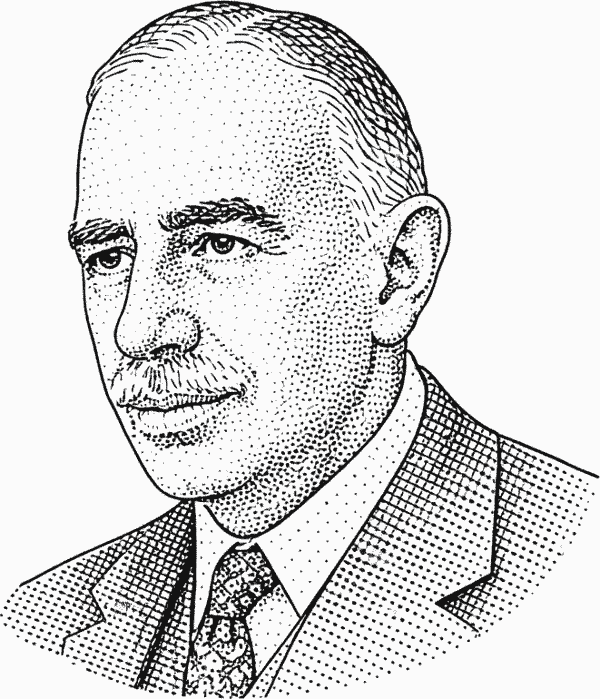
Business Quotes

20 Famous Business Quotes About Strategy, Execution, and Success

The best business quotes survive because they condense long experience into language you can remember when judgment matters most. This collection focuses on enduring ideas around business, strategy, leadership, execution, not as slogans to admire from a distance, but as working principles that can improve how readers analyze businesses, think about markets, and make decisions over time. A truly useful quote does more than sound wise. It clarifies what deserves attention when headlines become noisy, prices become emotional, or a complex decision needs to be reduced to first principles. That is why serious investors and business builders keep returning to memorable lines from disciplined thinkers. They use them to sharpen checklists, reinforce patience, and remember what usually matters more than the latest market move. Each quote on this page is paired with context, practical application, and a deeper explanation so the lesson does not remain abstract. Read these selections slowly. Ask what each one implies about process, valuation, risk, incentives, or temperament. The goal is not to collect clever sentences. The goal is to build a sturdier mental framework for acting well under pressure. Over time, the readers who benefit most from pages like this are the ones who revisit durable ideas until they become habits. Capital compounds, but so does judgment. Returning to the right ideas again and again is one way thoughtful readers improve both.

Featured collection

20 Ideas Worth Revisiting

A curated set of 20 quotes, each paired with context, practical application, and deeper insight.

1 of 20
A big yield is meaningless if the price you pay is too high.

Core idea

High dividend yields alone do not guarantee good investments; if you overpay for the stock, poor total returns and potential capital losses can easily erase the income advantage.

Practical application

Apply this by checking valuation and payout safety, not just yield; buy solid businesses at reasonable prices so income, growth, and risk all work in your favor.

Why it matters

The quote reveals that dividends are only as good as the price and safety behind them, spotlighting valuation discipline as the true driver of sustainable income and total returns.


Culture is critical to success.

Core idea

Culture is the invisible operating system of a business; it shapes behavior, drives decision-making, and ultimately determines whether strategy, talent, and resources translate into lasting success.

Practical application

As an investor, study a companys culture like its source code; it predicts execution, adaptability, and risk far better than slide decks, financial models, or charismatic leadership.

Why it matters

The special insight is that culture silently governs how people actually behave, making it the most reliable predictor of real-world performance, resilience, and long-term business outcomes.

We decentralize operations.

Core idea

Buffett emphasizes delegating authority to trusted managers, allowing decentralized units to operate independently, improving responsiveness, accountability, and performance while central leadership focuses on capital allocation and overall strategy.

Practical application

As an investor, seek businesses where capable managers run decentralized operations, freeing top leadership to focus on smart capital allocation, long-term strategy, and disciplined performance measurement.

Why it matters

Decentralizing operations reveals that a companys true strength lies in empowering capable managers, enabling faster decisions, clearer accountability, and superior long-term capital allocation by top leadership.

Consistency beats brilliance in investing.

Core idea

The core idea is that patiently following a simple, disciplined investment process over time usually outperforms sporadic, risky attempts at genius or market timing.

Practical application

Apply this by choosing a sensible strategy, investing regularly, avoiding hot tips, and sticking to your plan through ups and downs instead of constantly chasing spectacular wins.

Why it matters

The insight is that sustained discipline and a repeatable, modestly effective strategy usually compound into superior long-term results, while infrequent flashes of brilliance rarely offset inconsistent, emotional decision-making.

Obvious prospects for physical growth in a business do not translate into obvious profits for investors.

Core idea

A companys strong sales or expansion potential does not automatically ensure good investment returns, because valuation, competition, and execution risks can prevent profits from reaching shareholders.

Practical application

Before buying a "high growth" stock, always ask: At this price, after competition, execution risks, and future dilution, will any of that growth realistically reach me as a shareholder?

Why it matters

The insight is that investors must distinguish between a companys growth story and shareholder returns, focusing on price paid, competitive dynamics, capital allocation, and dilution that can absorb future profits.

Go for a business that any idiot can run - because sooner or later, any idiot probably is going to run it.

Core idea

Choose businesses so simple and durable that even poor management cannot easily ruin them, because over time leadership quality will likely decline or cycle through incompetence.

Practical application

Apply this by favoring simple, durable businesses with strong moats, so your investment can survive management mistakes, leadership changes, and the occasional idiot in charge.

Why it matters

The special insight is that durable, simple, well-moated businesses protect investors from the inevitable cycle of leadership mistakes, making long-term outcomes less dependent on outstanding management.

If you're prepared and you know what it takes, it's not a risk.

Core idea

Risk shrinks when you deeply understand the work, demands, and consequences; with thorough preparation, uncertainty becomes manageable execution instead of a blind gamble.

Practical application

As an investor, study businesses, industries, and risks so thoroughly that decisions feel like informed execution, not gambling; preparation turns scary uncertainty into calculated, controllable outcomes.

Why it matters

The insight is that true confidence comes not from fearlessness, but from preparation so deep that what looks risky to others becomes a series of controlled, informed decisions.

The idea that a bell rings to signal when to get into or out of the stock market is simply not credible. After nearly fifty years in this business, I don't know anybody who has done it successfully and consistently.

Core idea

Market timing is futile; even seasoned professionals cannot consistently predict optimal entry or exit points, so long-term, diversified investing is a more reliable strategy.

Practical application

Instead of chasing perfect buy or sell moments, automate regular investing in low-cost index funds, stay diversified, and let time in the market grow your wealth.

Why it matters

True investing skill lies not in timing market ups and downs, but in accepting uncertainty and committing to a disciplined, long-term, low-cost, diversified strategy.

Sometimes part of making a deal is denigrating your competition.

Core idea

Success in competitive business can involve strategically undermining or criticizing rivals to gain advantage, shape perception, and strengthen your own negotiating position or brand.

Practical application

As an investor, remember that management teams may knock competitors to shape narratives, so look past the trash talk and compare actual numbers, execution, and long-term competitive advantages.

Why it matters

This quote reveals that competitive success often hinges less on pure merit and more on skillfully shaping perceptions, including strategically discrediting rivals to tilt negotiations and outcomes.

If the facts don't hang together on a latticework of theory, you don't have them in a usable form.

Core idea

Knowledge becomes truly useful only when individual facts are organized within a coherent framework of principles, enabling accurate understanding, prediction, and effective decision-making.

Practical application

To become a better investor, build mental frameworks so each new fact fits a bigger picture, improving your judgment, predictions, and decisions instead of collecting random information.

Why it matters

The insight is that raw facts gain real power only when organized into broad, interconnected mental models that guide perception, prediction, and rational action across changing situations.

To investors stocks represent fractional ownership of underlying businesses and bonds are loans to those businesses.

Core idea

Klarman emphasizes that securities are not trading chips but direct claims on real businesses; investors should evaluate underlying business value, not short-term price movements or speculation.

Practical application

Apply this by analyzing what the business is worth, its cash flows and risks, before buying any stock or bond, and ignore short-term price noise and market hype.

Why it matters

The insight is that treating securities as real business stakes or loans anchors decisions in intrinsic value and risk, not in speculative price swings or market sentiment.

Cash is a fact, profit is an opinion.

Core idea

Accounting earnings can be shaped by assumptions, timing, and presentation, but cash generation is much harder to fake. The quote draws a sharp line between reported performance and economic reality.

Practical application

When evaluating a business, pay close attention to free cash flow, cash conversion, and whether earnings actually turn into spendable money. A company that reports profits but never produces cash deserves skepticism.

Why it matters

This is really a warning about illusion. Rappaport is reminding the reader that the market often gets seduced by polished financial statements, while the truly durable investor looks underneath the accounting veneer.

Employees must feel free to solve problems without fear.

Core idea

The core idea is that organizations thrive when employees are empowered and psychologically safe to address problems proactively, without punishment, blame, or fear of negative consequences.

Practical application

As an investor, prioritize companies where employees safely confront problems; such cultures surface risks early, adapt faster, and compound value more reliably over time.

Why it matters

This quote reveals that psychological safety is not soft culture work but a hard competitive edge, turning frontline problem-solvers into a companys earliest warning system and innovation engine.

Investors must look beyond security prices to underlying business value, always comparing the two as part of the investment process.

Core idea

Investors should treat stocks as ownership in real businesses, judging purchases by comparing market price to carefully estimated intrinsic value, not by reacting to price movements alone.

Practical application

Apply Grahams insight by studying businesses, estimating their intrinsic value, and only buying when the stock trades well below that value, regardless of short-term market noise.

Why it matters

It highlights that real investing means analyzing businesses and their intrinsic worth, then acting only when price diverges meaningfully from value, rather than following market sentiment or price trends.

We ignore outlooks and forecasts - we're lousy at it and we admit it - everyone else is lousy too, but most people won't admit it.

Core idea

Predicting markets is inherently unreliable, so investors should admit their forecasting limits and focus instead on analyzing concrete business fundamentals they can actually understand and evaluate.

Practical application

To be a better investor, stop guessing market direction and instead deeply study understandable businesses, their cash flows, balance sheets, and management to make rational, evidence-based decisions.

Why it matters

Whitman reveals the liberating insight that admitting forecasting ignorance frees investors to focus on knowable business fundamentals, where disciplined analysis can reliably create long-term investment edge.

If you're looking for a home run, a great investment for five years or 10 years or more, then the only way to beat this enormous fog that covers the future is to identify a long-term trend that will give a particular business some sort of edge.

Core idea

Long-term investment success requires focusing on durable trends that create lasting competitive advantages, because only such structural forces can cut through uncertainty about the distant future.

Practical application

To be a better investor, spend most of your time finding businesses riding durable, long-term trends, not guessing short-term moves, because structural tailwinds outlast market noise.

Why it matters

The special insight is that enduring structural trends, not short-term predictions, are the most reliable source of lasting competitive edge and superior long-term investment returns.

Once doubt begins it spreads rapidly.

Core idea

Keynes warns that uncertainty, once introduced, quickly multiplies through minds and markets, undermining confidence, destabilizing decisions, and intensifying economic or social crises beyond the initial doubt.

Practical application

As an investor, guard your mindset; once you start doubting your strategy without evidence, that fear can snowball into emotional decisions, unnecessary trades, and long-term underperformance.

Why it matters

Keynes illuminates how doubt behaves like contagion, rapidly amplifying risk perceptions and cascading through decisions, so mastering psychological resilience becomes as crucial as analytical skill.

Price is what you pay; value is what you get.

Core idea

The core idea is that a securities worth depends on its underlying business reality, not its market quotation, so smart investing focuses on intrinsic value rather than current price.

Practical application

Use this by researching businesses deeply, estimating their intrinsic value, and buying only when the market price is meaningfully lower than that value, regardless of hype or fear.

Why it matters

It highlights that markets often misprice assets, so disciplined investors gain an edge by independently judging intrinsic value and acting when price deviates significantly from true worth.

Life moves pretty fast. If you don't stop and look around once in a while, you could miss it.

Core idea

The quote emphasizes mindfulness and presence, urging us to slow down, notice everyday moments, and appreciate life now instead of rushing mindlessly through responsibilities and future-focused ambitions.

Practical application

To be a better investor, slow down, observe businesses and people patiently, and appreciate real-world signals today instead of obsessing over short-term prices or distant predictions.

Why it matters

The special insight is that true understanding and wise choices come from slowing down to observe real life, not from rushing after abstractions, noise, or distant speculative outcomes.

When chaos hits, most investors panic - but that's exactly when contrarians go shopping.

Core idea

Market panic creates bargain prices; while typical investors flee in fear, contrarians recognize the opportunity, buy quality assets cheaply, and profit when conditions stabilize.

Practical application

When headlines scream crisis and others sell in fear, calmly buy strong, undervalued businesses instead, then hold patiently as markets normalize and prices recover.

Why it matters

The insight is that emotional overreactions in markets distort prices, letting disciplined contrarians buy quality assets at deep discounts and reap outsized gains when sentiment inevitably recovers.

What these quotes have in common

Key Ideas Behind Business Quotes

What this page emphasizes

These selections keep returning to business, practical judgment, and the habit of separating noise from durable business reality.

How to use this page

Treat each quotation as a prompt for process. Ask what it changes about your checklist, your valuation discipline, or the way you respond to uncertainty.

Full collection

Read Every Quote with Context

For readers who prefer to study rather than skim, here is the complete set in a clean reading format.

Michael Foster quote portrait about valuation

Michael Foster

A big yield is meaningless if the price you pay is too high.

Source:

Core idea

High dividend yields alone do not guarantee good investments; if you overpay for the stock, poor total returns and potential capital losses can easily erase the income advantage.

Practical application

Apply this by checking valuation and payout safety, not just yield; buy solid businesses at reasonable prices so income, growth, and risk all work in your favor.

Why it matters

The quote reveals that dividends are only as good as the price and safety behind them, spotlighting valuation discipline as the true driver of sustainable income and total returns.
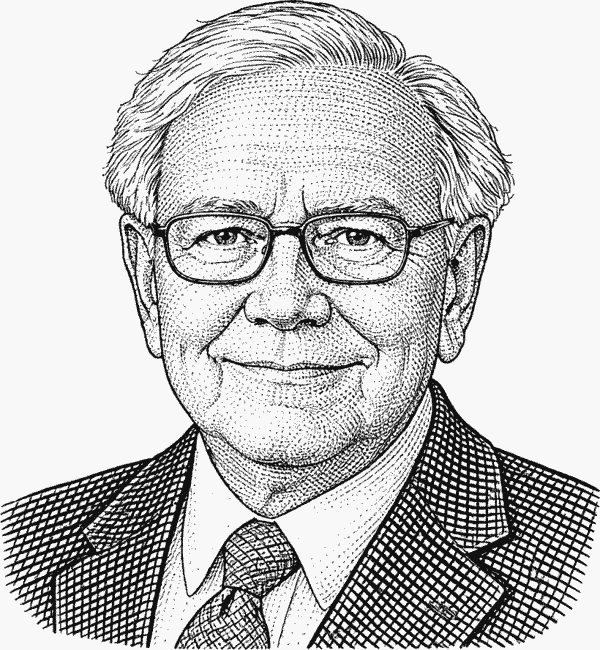
Sam Zell quote portrait about wisdom, business

Sam Zell

Culture is critical to success.

Source: Am I Being Too Subtle

Core idea

Culture is the invisible operating system of a business; it shapes behavior, drives decision-making, and ultimately determines whether strategy, talent, and resources translate into lasting success.

Practical application

As an investor, study a companys culture like its source code; it predicts execution, adaptability, and risk far better than slide decks, financial models, or charismatic leadership.

Why it matters

The special insight is that culture silently governs how people actually behave, making it the most reliable predictor of real-world performance, resilience, and long-term business outcomes.

Warren Buffett quote portrait about business

Warren Buffett

We decentralize operations.

Source: Berkshire Hathaway Letters

Core idea

Buffett emphasizes delegating authority to trusted managers, allowing decentralized units to operate independently, improving responsiveness, accountability, and performance while central leadership focuses on capital allocation and overall strategy.

Practical application

As an investor, seek businesses where capable managers run decentralized operations, freeing top leadership to focus on smart capital allocation, long-term strategy, and disciplined performance measurement.

Why it matters

Decentralizing operations reveals that a companys true strength lies in empowering capable managers, enabling faster decisions, clearer accountability, and superior long-term capital allocation by top leadership.

Joel Greenblatt quote portrait about business

Joel Greenblatt

Consistency beats brilliance in investing.

Source: The Little Book That Beats the Market

Core idea

The core idea is that patiently following a simple, disciplined investment process over time usually outperforms sporadic, risky attempts at genius or market timing.

Practical application

Apply this by choosing a sensible strategy, investing regularly, avoiding hot tips, and sticking to your plan through ups and downs instead of constantly chasing spectacular wins.

Why it matters

The insight is that sustained discipline and a repeatable, modestly effective strategy usually compound into superior long-term results, while infrequent flashes of brilliance rarely offset inconsistent, emotional decision-making.

Benjamin Graham quote portrait about investing, business

Benjamin Graham

Obvious prospects for physical growth in a business do not translate into obvious profits for investors.

Source: The Intelligent Investor

Core idea

A companys strong sales or expansion potential does not automatically ensure good investment returns, because valuation, competition, and execution risks can prevent profits from reaching shareholders.

Practical application

Before buying a "high growth" stock, always ask: At this price, after competition, execution risks, and future dilution, will any of that growth realistically reach me as a shareholder?

Why it matters

The insight is that investors must distinguish between a companys growth story and shareholder returns, focusing on price paid, competitive dynamics, capital allocation, and dilution that can absorb future profits.

Peter Lynch quote portrait about business

Peter Lynch

Go for a business that any idiot can run - because sooner or later, any idiot probably is going to run it.

Source: Speeches / Essays

Core idea

Choose businesses so simple and durable that even poor management cannot easily ruin them, because over time leadership quality will likely decline or cycle through incompetence.

Practical application

Apply this by favoring simple, durable businesses with strong moats, so your investment can survive management mistakes, leadership changes, and the occasional idiot in charge.

Why it matters

The special insight is that durable, simple, well-moated businesses protect investors from the inevitable cycle of leadership mistakes, making long-term outcomes less dependent on outstanding management.

Mark Cuban quote portrait about business

Mark Cuban

If you're prepared and you know what it takes, it's not a risk.

Source: How to Win at the Sport of

Core idea

Risk shrinks when you deeply understand the work, demands, and consequences; with thorough preparation, uncertainty becomes manageable execution instead of a blind gamble.

Practical application

As an investor, study businesses, industries, and risks so thoroughly that decisions feel like informed execution, not gambling; preparation turns scary uncertainty into calculated, controllable outcomes.

Why it matters

The insight is that true confidence comes not from fearlessness, but from preparation so deep that what looks risky to others becomes a series of controlled, informed decisions.

Jack Bogle quote portrait about markets, business

Jack Bogle

The idea that a bell rings to signal when to get into or out of the stock market is simply not credible. After nearly fifty years in this business, I don't know anybody who has done it successfully and consistently.

Source: Speeches / Essays

Core idea

Market timing is futile; even seasoned professionals cannot consistently predict optimal entry or exit points, so long-term, diversified investing is a more reliable strategy.

Practical application

Instead of chasing perfect buy or sell moments, automate regular investing in low-cost index funds, stay diversified, and let time in the market grow your wealth.

Why it matters

True investing skill lies not in timing market ups and downs, but in accepting uncertainty and committing to a disciplined, long-term, low-cost, diversified strategy.

Donald Trump quote portrait about business

Donald Trump

Sometimes part of making a deal is denigrating your competition.

Source: The Art of the Deal

Core idea

Success in competitive business can involve strategically undermining or criticizing rivals to gain advantage, shape perception, and strengthen your own negotiating position or brand.

Practical application

As an investor, remember that management teams may knock competitors to shape narratives, so look past the trash talk and compare actual numbers, execution, and long-term competitive advantages.

Why it matters

This quote reveals that competitive success often hinges less on pure merit and more on skillfully shaping perceptions, including strategically discrediting rivals to tilt negotiations and outcomes.

Charlie Munger quote portrait about business, investing

Charlie Munger

If the facts don't hang together on a latticework of theory, you don't have them in a usable form.

Source: Art of Stock Picking

Core idea

Knowledge becomes truly useful only when individual facts are organized within a coherent framework of principles, enabling accurate understanding, prediction, and effective decision-making.

Practical application

To become a better investor, build mental frameworks so each new fact fits a bigger picture, improving your judgment, predictions, and decisions instead of collecting random information.

Why it matters

The insight is that raw facts gain real power only when organized into broad, interconnected mental models that guide perception, prediction, and rational action across changing situations.

Seth Klarman quote portrait about investing, business

Seth Klarman

To investors stocks represent fractional ownership of underlying businesses and bonds are loans to those businesses.

Source: Margin of Safety

Core idea

Klarman emphasizes that securities are not trading chips but direct claims on real businesses; investors should evaluate underlying business value, not short-term price movements or speculation.

Practical application

Apply this by analyzing what the business is worth, its cash flows and risks, before buying any stock or bond, and ignore short-term price noise and market hype.

Why it matters

The insight is that treating securities as real business stakes or loans anchors decisions in intrinsic value and risk, not in speculative price swings or market sentiment.

Alfred Rappaport quote portrait about business

Alfred Rappaport

Cash is a fact, profit is an opinion.

Source: Speeches / Essays

Core idea

Accounting earnings can be shaped by assumptions, timing, and presentation, but cash generation is much harder to fake. The quote draws a sharp line between reported performance and economic reality.

Practical application

When evaluating a business, pay close attention to free cash flow, cash conversion, and whether earnings actually turn into spendable money. A company that reports profits but never produces cash deserves skepticism.

Why it matters

This is really a warning about illusion. Rappaport is reminding the reader that the market often gets seduced by polished financial statements, while the truly durable investor looks underneath the accounting veneer.

Christopher Volk quote portrait about business, management

Christopher Volk

Employees must feel free to solve problems without fear.

Source: Speeches / Essays

Core idea

The core idea is that organizations thrive when employees are empowered and psychologically safe to address problems proactively, without punishment, blame, or fear of negative consequences.

Practical application

As an investor, prioritize companies where employees safely confront problems; such cultures surface risks early, adapt faster, and compound value more reliably over time.

Why it matters

This quote reveals that psychological safety is not soft culture work but a hard competitive edge, turning frontline problem-solvers into a companys earliest warning system and innovation engine.

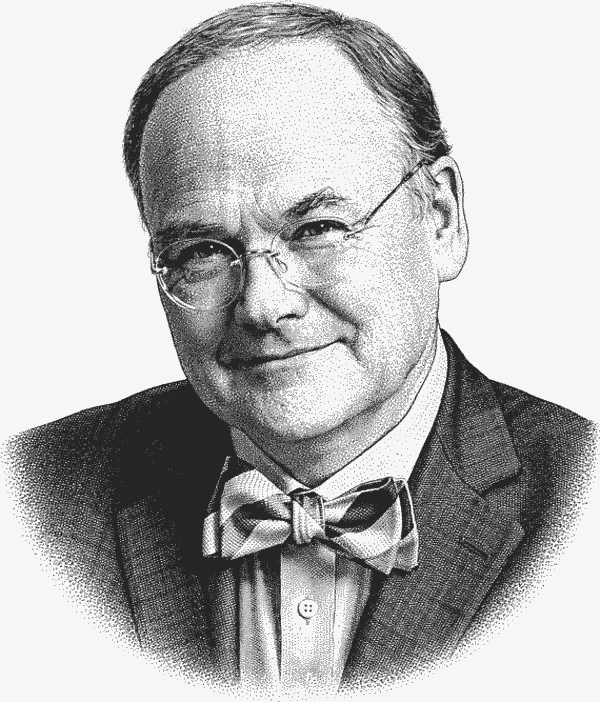
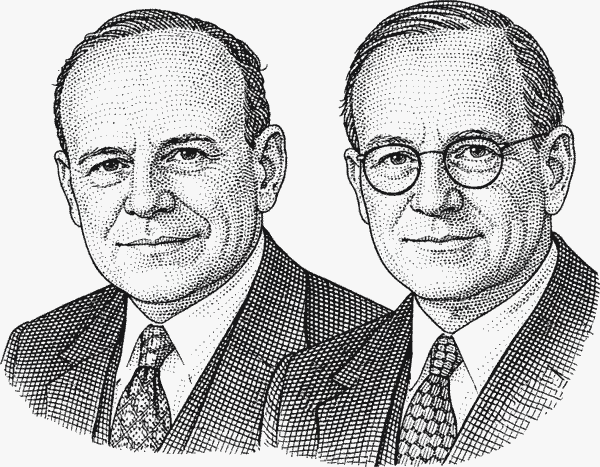
Benjamin Graham & David Dodd quote portrait about valuation, investing

Benjamin Graham & David Dodd

Investors must look beyond security prices to underlying business value, always comparing the two as part of the investment process.

Source: Security Analysis

Core idea

Investors should treat stocks as ownership in real businesses, judging purchases by comparing market price to carefully estimated intrinsic value, not by reacting to price movements alone.

Practical application

Apply Grahams insight by studying businesses, estimating their intrinsic value, and only buying when the stock trades well below that value, regardless of short-term market noise.

Why it matters

It highlights that real investing means analyzing businesses and their intrinsic worth, then acting only when price diverges meaningfully from value, rather than following market sentiment or price trends.

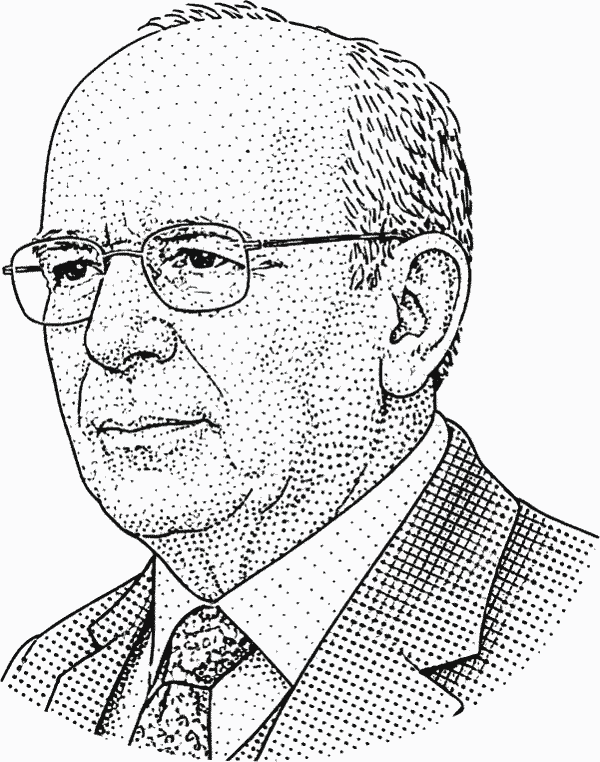
Martin Whitman quote portrait about business

Martin Whitman

We ignore outlooks and forecasts - we're lousy at it and we admit it - everyone else is lousy too, but most people won't admit it.

Source: Speeches / Essays

Core idea

Predicting markets is inherently unreliable, so investors should admit their forecasting limits and focus instead on analyzing concrete business fundamentals they can actually understand and evaluate.

Practical application

To be a better investor, stop guessing market direction and instead deeply study understandable businesses, their cash flows, balance sheets, and management to make rational, evidence-based decisions.

Why it matters

Whitman reveals the liberating insight that admitting forecasting ignorance frees investors to focus on knowable business fundamentals, where disciplined analysis can reliably create long-term investment edge.

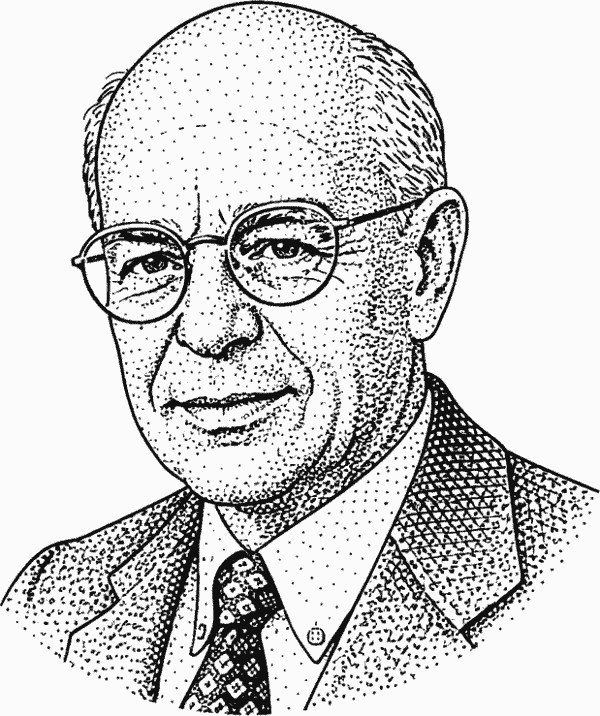
Ralph Wanger quote portrait about investing, business

Ralph Wanger

If you're looking for a home run, a great investment for five years or 10 years or more, then the only way to beat this enormous fog that covers the future is to identify a long-term trend that will give a particular business some sort of edge.

Source: Speeches / Essays

Core idea

Long-term investment success requires focusing on durable trends that create lasting competitive advantages, because only such structural forces can cut through uncertainty about the distant future.

Practical application

To be a better investor, spend most of your time finding businesses riding durable, long-term trends, not guessing short-term moves, because structural tailwinds outlast market noise.

Why it matters

The special insight is that enduring structural trends, not short-term predictions, are the most reliable source of lasting competitive edge and superior long-term investment returns.

John Maynard Keynes quote portrait about markets, psychology

John Maynard Keynes

Once doubt begins it spreads rapidly.

Source: Speeches / Essays

Core idea

Keynes warns that uncertainty, once introduced, quickly multiplies through minds and markets, undermining confidence, destabilizing decisions, and intensifying economic or social crises beyond the initial doubt.

Practical application

As an investor, guard your mindset; once you start doubting your strategy without evidence, that fear can snowball into emotional decisions, unnecessary trades, and long-term underperformance.

Why it matters

Keynes illuminates how doubt behaves like contagion, rapidly amplifying risk perceptions and cascading through decisions, so mastering psychological resilience becomes as crucial as analytical skill.

Core idea

The core idea is that a securities worth depends on its underlying business reality, not its market quotation, so smart investing focuses on intrinsic value rather than current price.

Practical application

Use this by researching businesses deeply, estimating their intrinsic value, and buying only when the market price is meaningfully lower than that value, regardless of hype or fear.

Why it matters

It highlights that markets often misprice assets, so disciplined investors gain an edge by independently judging intrinsic value and acting when price deviates significantly from true worth.

Matthew Broderick quote portrait about wisdom

Matthew Broderick

Life moves pretty fast. If you don't stop and look around once in a while, you could miss it.

Source: Ferris Bueller

Core idea

The quote emphasizes mindfulness and presence, urging us to slow down, notice everyday moments, and appreciate life now instead of rushing mindlessly through responsibilities and future-focused ambitions.

Practical application

To be a better investor, slow down, observe businesses and people patiently, and appreciate real-world signals today instead of obsessing over short-term prices or distant predictions.

Why it matters

The special insight is that true understanding and wise choices come from slowing down to observe real life, not from rushing after abstractions, noise, or distant speculative outcomes.

Brett Owens quote portrait about investing, psychology

Brett Owens

When chaos hits, most investors panic - but that's exactly when contrarians go shopping.

Source:

Core idea

Market panic creates bargain prices; while typical investors flee in fear, contrarians recognize the opportunity, buy quality assets cheaply, and profit when conditions stabilize.

Practical application

When headlines scream crisis and others sell in fear, calmly buy strong, undervalued businesses instead, then hold patiently as markets normalize and prices recover.

Why it matters

The insight is that emotional overreactions in markets distort prices, letting disciplined contrarians buy quality assets at deep discounts and reap outsized gains when sentiment inevitably recovers.

Frequently asked questions

How Readers Can Use Business Quotes Well

What makes a business quote worth revisiting?

The best business quotes compress a durable principle into a sentence or two and remain useful across cycles.

How should I use quotes like these in real life?

Use them as prompts for process rather than slogans. A good quote becomes valuable when it changes how you study a business, value risk, or respond to volatility.

Why do so many of these quotes focus on temperament?

Because behavior often determines results. Knowing the right principle is not enough if fear, greed, impatience, or overconfidence push you to act badly.

What is the most useful way to study a page like this?

Read slowly, compare themes, and decide which idea belongs on your own checklist. The value is not in memorizing every line, but in applying the best ones consistently.

Which investors appear most often in collections like this?

Readers often see recurring insights from Warren Buffett, Benjamin Graham, Charlie Munger, Peter Lynch, Seth Klarman, Howard Marks, and other durable thinkers.

Are these quotes investment advice?

No. They are educational material meant to help readers think more clearly about business and investing principles.

Why pair each quote with commentary?

Context turns a memorable sentence into a usable tool. Commentary helps readers understand the principle, apply it, and avoid treating it as a bumper sticker.