Saving & Investing

12 Saving and Investing Quotes About Habits, Compounding, and Wealth Building

The best saving & investing survive because they condense long experience into language you can remember when judgment matters most. This collection focuses on enduring ideas around saving, investing habits, compounding, wealth building, not as slogans to admire from a distance, but as working principles that can improve how readers analyze businesses, think about markets, and make decisions over time. A truly useful quote does more than sound wise. It clarifies what deserves attention when headlines become noisy, prices become emotional, or a complex decision needs to be reduced to first principles. That is why serious investors and business builders keep returning to memorable lines from disciplined thinkers. They use them to sharpen checklists, reinforce patience, and remember what usually matters more than the latest market move. Each quote on this page is paired with context, practical application, and a deeper explanation so the lesson does not remain abstract. Read these selections slowly. Ask what each one implies about process, valuation, risk, incentives, or temperament. The goal is not to collect clever sentences. The goal is to build a sturdier mental framework for acting well under pressure. Over time, the readers who benefit most from pages like this are the ones who revisit durable ideas until they become habits. Capital compounds, but so does judgment. Returning to the right ideas again and again is one way thoughtful readers improve both.

Featured collection

12 Ideas Worth Revisiting

A curated set of 12 quotes, each paired with context, practical application, and deeper insight.

1 of 12
The goal isn't just income - it's income that shows up reliably, month after month.

Core idea

The core idea is to prioritize dependable, recurring cash flow over irregular or speculative gains, ensuring steady monthly income you can plan around and confidently use to fund your life.

Practical application

Use this idea to focus on building a portfolio of reliable, recurring income streams so your investments consistently cover real-life expenses instead of relying on occasional big wins.

Why it matters

This quote highlights that true financial security comes from deliberately structuring investments for consistent, predictable monthly income rather than chasing irregular, speculative returns or one-time windfalls.

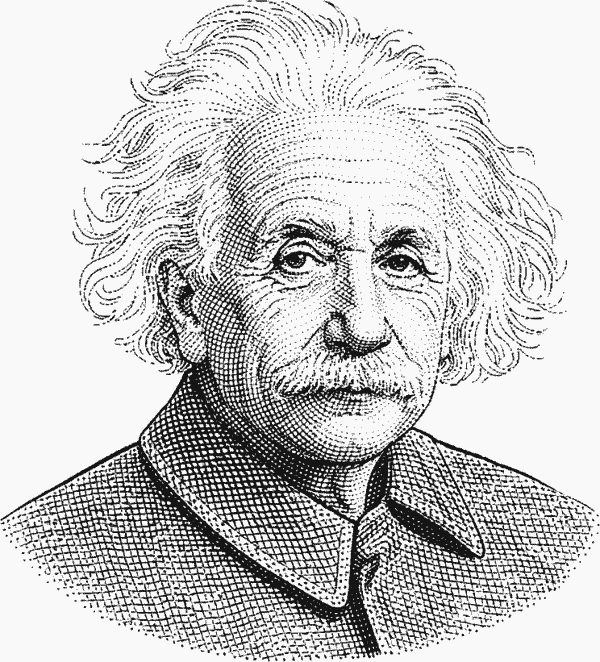
Compound interest is the eighth wonder of the world. He who understands it, earns it; he who doesn't, pays it.

Core idea

Compounding is powerful not because of complexity, but because of time and consistency. The quote highlights exponential growth - a force that quietly accelerates results the longer it operates.

Practical application

Stay invested and avoid interrupting compounding through panic selling, overtrading, or chasing quick gains. In practical terms, the investor's edge often comes from consistency, not brilliance.

Why it matters

Most people think linearly, so they underestimate exponential processes. The deeper lesson is behavioral: those who respect compounding and give it time win; those who constantly reset the clock usually do not.

When I was young I thought that money was the most important thing in life; now that I am old I know that it is.

Core idea

Wilde wryly suggests that youthful idealism underestimates money, while age reveals its pervasive power over freedom, security, relationships, and practical happiness in real life.

Practical application

As an investor, respect money's real-world power early: prioritize saving, compounding, and risk management now so future freedom and security are built before life forces the lesson.

Why it matters

Wilde reveals that money, often dismissed in youth, quietly governs freedom and security, urging early financial seriousness before harsh experience proves its underestimated centrality in life.

Most great fortunes are built through business ownership.

Core idea

The quote emphasizes that truly substantial wealth usually comes from owning and scaling businesses, not from wages or passive investing, highlighting entrepreneurship as the primary path to major fortunes.

Practical application

As an aspiring investor, remember that the biggest returns often come from owning and growing businesses directly, so prioritize equity in scalable enterprises over relying solely on stocks or salaries.

Why it matters

The insight is that transformative wealth usually flows to those who own and scale businesses, making entrepreneurial equity more powerful than wages or passive investments for building great fortunes.

You can't restate a dividend.

Core idea

A dividend decision permanently reallocates capital to shareholders, so managers must be disciplined and long-term focused, because unlike accounting numbers or projections, cash distributed cannot be reversed.

Practical application

When evaluating companies, favor managements that treat dividends as irreversible capital allocations, signaling thoughtful discipline and sustainable cash generation rather than short-term appeasement based on easily adjusted accounting figures.

Why it matters

It exposes that unlike earnings tweaks or guidance shifts, paying a dividend irreversibly locks in capital allocation, revealing managements true discipline, cash durability, and shareholder-first priorities.

Income investors win by focusing on what they're paid today - not what they hope to earn tomorrow.

Core idea

The core idea is that income investors should prioritize secure, reliable cash payouts now over speculative future gains, emphasizing current yield and stability instead of uncertain price appreciation.

Practical application

Apply this by favoring investments with strong, sustainable dividends or interest today, so your returns rely on steady cash flow instead of guessing future price movements.

Why it matters

This quote highlights the edge of income investing: prioritizing dependable current cash flow reduces reliance on forecasts, tempers emotions, and compounds returns regardless of unpredictable market prices.

Compounding works over decades.

Core idea

Small, steady gains reinvested consistently can grow into enormous wealth over long periods, making time and patience the most powerful drivers of financial success.

Practical application

Apply this by investing regularly, reinvesting gains, avoiding frequent trading, and letting decades of disciplined, patient compounding quietly transform modest savings into substantial long-term wealth.

Why it matters

The special insight is that exponential growth from consistent compounding is unintuitive, so true wealth comes not from brilliance or timing but from patience, discipline, and long time horizons.

The investor should seek steady returns.

Core idea

Graham emphasizes prioritizing reliable, moderate gains over chasing high, speculative profits, focusing on long-term capital preservation, risk control, and consistent compounding rather than quick, unstable rewards.

Practical application

Apply this by favoring diversified, boring, high-quality investments and consistent saving over hot tips or rapid trading, letting steady compounding quietly build your wealth over decades.

Why it matters

The special insight is that sustainable wealth arises from disciplined pursuit of modest, dependable returns, where risk control and consistent compounding matter more than exciting, speculative attempts at outsized gains.

Waiting helps you as an investor and a lot of people just can't stand to wait. If you didn't get the deferred-gratification gene, you've got to work very hard to overcome that.

Core idea

Successful investing depends on patience and delayed gratification; those who lack natural self-control must consciously train themselves to wait rather than chase immediate, emotional rewards.

Practical application

To be a better investor, practice waiting: automate savings, lengthen holding periods, and resist emotional trading so your money compounds instead of chasing quick, unreliable wins.

Why it matters

The special insight is that investing success is more about disciplined waiting than clever predictions; training delayed gratification lets compounding work while others chase impulsive, short-term gains.

Investment success requires an appropriate mind-set. Investing is serious business, not entertainment.

Core idea

Investing demands discipline and rational thinking, treating capital as serious responsibility rather than a game, so decisions prioritize risk control and long-term value over excitement or short-term thrills.

Practical application

Apply this by treating each dollar like hard-earned savings: research carefully, avoid impulsive trades, focus on risk, and prioritize long-term compounding over short-term excitement.

Why it matters

The insight is that true investing success comes from a sober, disciplined mindset that safeguards capital, prioritizes risk management and long-term value over emotional excitement or speculative thrills.

In the long run, it's not just how much money you make that will determine your future prosperity. It's how much of that money you put to work by saving it and investing it.

Core idea

Long-term prosperity depends less on income level and more on consistently saving and investing a significant portion, allowing your money to grow and work for you over time.

Practical application

Focus less on chasing higher income and more on regularly saving and investing; disciplined contributions, even if modest, harness compounding and ultimately matter more than how much you earn.

Why it matters

True financial security springs not from high earnings alone but from deliberately saving and investing so your money compounds and increasingly works harder than you do.

It's not how much money you make, but how much money you keep.

Core idea

Wealth comes from disciplined saving, wise investing, and minimizing losses, not just earning a high income; financial freedom depends on what you retain and grow over time.

Practical application

As an investor, focus less on chasing high returns and more on consistently saving, protecting capital, and reinvesting gains so your wealth steadily compounds over time.

Why it matters

The special insight is that lasting wealth comes from consistently preserving, compounding, and protecting your money, rather than simply increasing your income or chasing flashy, high-risk opportunities.

What these quotes have in common

Key Ideas Behind Saving & Investing

What this page emphasizes

These selections keep returning to saving, practical judgment, and the habit of separating noise from durable business reality.

How to use this page

Treat each quotation as a prompt for process. Ask what it changes about your checklist, your valuation discipline, or the way you respond to uncertainty.

Full collection

Read Every Quote with Context

For readers who prefer to study rather than skim, here is the complete set in a clean reading format.

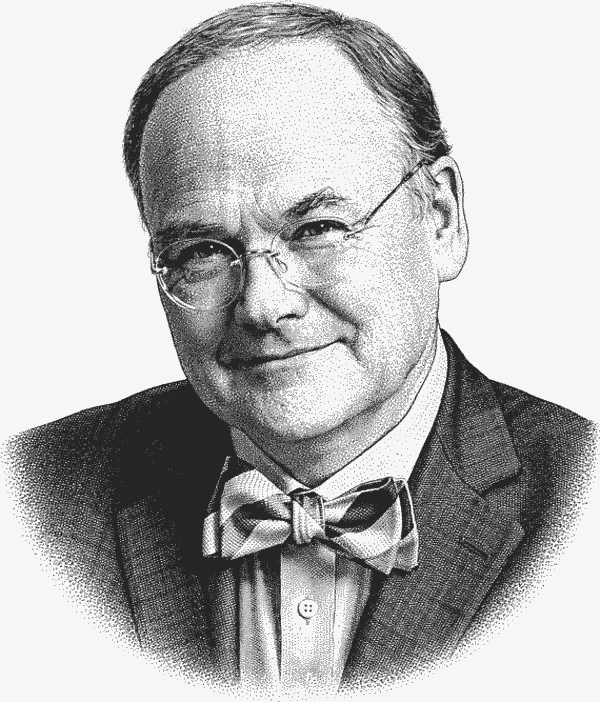
Brett Owens quote portrait about saving, investing

Brett Owens

The goal isn't just income - it's income that shows up reliably, month after month.

Source:

Core idea

The core idea is to prioritize dependable, recurring cash flow over irregular or speculative gains, ensuring steady monthly income you can plan around and confidently use to fund your life.

Practical application

Use this idea to focus on building a portfolio of reliable, recurring income streams so your investments consistently cover real-life expenses instead of relying on occasional big wins.

Why it matters

This quote highlights that true financial security comes from deliberately structuring investments for consistent, predictable monthly income rather than chasing irregular, speculative returns or one-time windfalls.
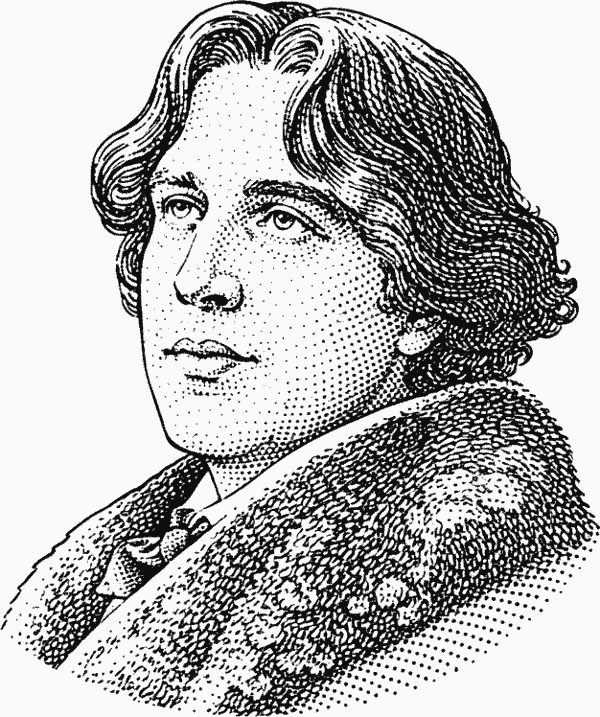
Albert Einstein quote portrait about saving, investing

Albert Einstein

Compound interest is the eighth wonder of the world. He who understands it, earns it; he who doesn't, pays it.

Source: Speeches / Essays

Core idea

Compounding is powerful not because of complexity, but because of time and consistency. The quote highlights exponential growth - a force that quietly accelerates results the longer it operates.

Practical application

Stay invested and avoid interrupting compounding through panic selling, overtrading, or chasing quick gains. In practical terms, the investor's edge often comes from consistency, not brilliance.

Why it matters

Most people think linearly, so they underestimate exponential processes. The deeper lesson is behavioral: those who respect compounding and give it time win; those who constantly reset the clock usually do not.

Oscar Wilde quote portrait about saving, investing

Oscar Wilde

When I was young I thought that money was the most important thing in life; now that I am old I know that it is.

Source: Speeches / Essays

Core idea

Wilde wryly suggests that youthful idealism underestimates money, while age reveals its pervasive power over freedom, security, relationships, and practical happiness in real life.

Practical application

As an investor, respect money's real-world power early: prioritize saving, compounding, and risk management now so future freedom and security are built before life forces the lesson.

Why it matters

Wilde reveals that money, often dismissed in youth, quietly governs freedom and security, urging early financial seriousness before harsh experience proves its underestimated centrality in life.

Christopher Volk quote portrait about saving, investing

Christopher Volk

Most great fortunes are built through business ownership.

Source: Speeches / Essays

Core idea

The quote emphasizes that truly substantial wealth usually comes from owning and scaling businesses, not from wages or passive investing, highlighting entrepreneurship as the primary path to major fortunes.

Practical application

As an aspiring investor, remember that the biggest returns often come from owning and growing businesses directly, so prioritize equity in scalable enterprises over relying solely on stocks or salaries.

Why it matters

The insight is that transformative wealth usually flows to those who own and scale businesses, making entrepreneurial equity more powerful than wages or passive investments for building great fortunes.

Malon Wilkus quote portrait about saving, investing

Malon Wilkus

You can't restate a dividend.

Source: Speeches / Essays

Core idea

A dividend decision permanently reallocates capital to shareholders, so managers must be disciplined and long-term focused, because unlike accounting numbers or projections, cash distributed cannot be reversed.

Practical application

When evaluating companies, favor managements that treat dividends as irreversible capital allocations, signaling thoughtful discipline and sustainable cash generation rather than short-term appeasement based on easily adjusted accounting figures.

Why it matters

It exposes that unlike earnings tweaks or guidance shifts, paying a dividend irreversibly locks in capital allocation, revealing managements true discipline, cash durability, and shareholder-first priorities.

Michael Foster quote portrait about saving, investing

Michael Foster

Income investors win by focusing on what they're paid today - not what they hope to earn tomorrow.

Source:

Core idea

The core idea is that income investors should prioritize secure, reliable cash payouts now over speculative future gains, emphasizing current yield and stability instead of uncertain price appreciation.

Practical application

Apply this by favoring investments with strong, sustainable dividends or interest today, so your returns rely on steady cash flow instead of guessing future price movements.

Why it matters

This quote highlights the edge of income investing: prioritizing dependable current cash flow reduces reliance on forecasts, tempers emotions, and compounds returns regardless of unpredictable market prices.

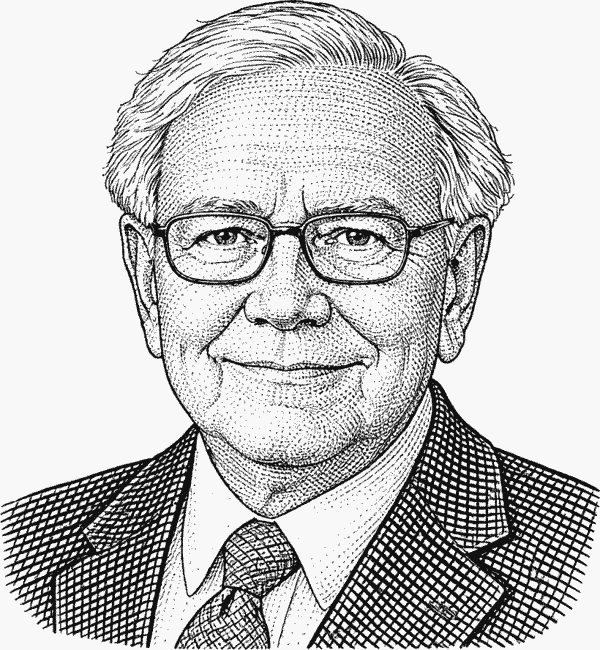
Warren Buffett quote portrait about saving

Warren Buffett

Compounding works over decades.

Source: Berkshire Hathaway Letters

Core idea

Small, steady gains reinvested consistently can grow into enormous wealth over long periods, making time and patience the most powerful drivers of financial success.

Practical application

Apply this by investing regularly, reinvesting gains, avoiding frequent trading, and letting decades of disciplined, patient compounding quietly transform modest savings into substantial long-term wealth.

Why it matters

The special insight is that exponential growth from consistent compounding is unintuitive, so true wealth comes not from brilliance or timing but from patience, discipline, and long time horizons.

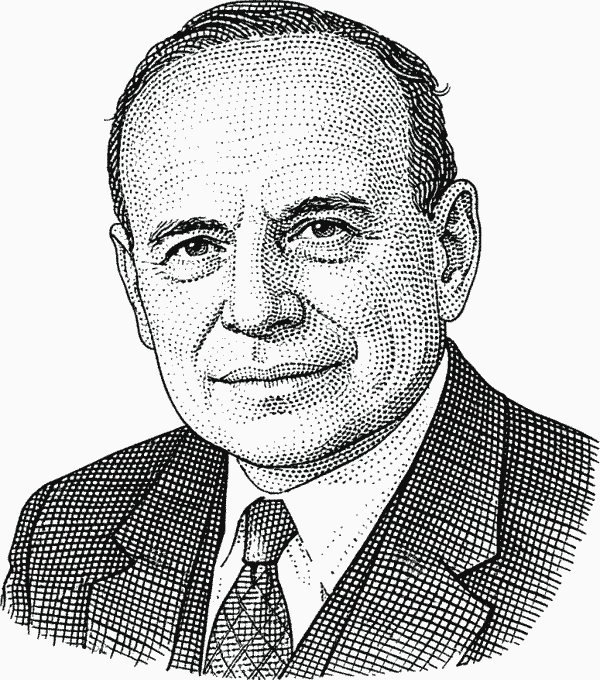
Benjamin Graham quote portrait about investing

Benjamin Graham

The investor should seek steady returns.

Source: The Intelligent Investor

Core idea

Graham emphasizes prioritizing reliable, moderate gains over chasing high, speculative profits, focusing on long-term capital preservation, risk control, and consistent compounding rather than quick, unstable rewards.

Practical application

Apply this by favoring diversified, boring, high-quality investments and consistent saving over hot tips or rapid trading, letting steady compounding quietly build your wealth over decades.

Why it matters

The special insight is that sustainable wealth arises from disciplined pursuit of modest, dependable returns, where risk control and consistent compounding matter more than exciting, speculative attempts at outsized gains.

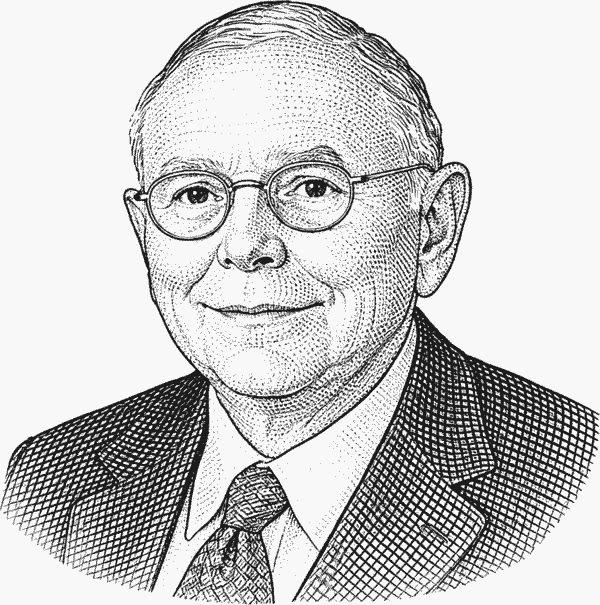
Charlie Munger quote portrait about investing

Charlie Munger

Waiting helps you as an investor and a lot of people just can't stand to wait. If you didn't get the deferred-gratification gene, you've got to work very hard to overcome that.

Source: Speeches / Essays

Core idea

Successful investing depends on patience and delayed gratification; those who lack natural self-control must consciously train themselves to wait rather than chase immediate, emotional rewards.

Practical application

To be a better investor, practice waiting: automate savings, lengthen holding periods, and resist emotional trading so your money compounds instead of chasing quick, unreliable wins.

Why it matters

The special insight is that investing success is more about disciplined waiting than clever predictions; training delayed gratification lets compounding work while others chase impulsive, short-term gains.

Seth Klarman quote portrait about investing, business

Seth Klarman

Investment success requires an appropriate mind-set. Investing is serious business, not entertainment.

Source: Margin of Safety

Core idea

Investing demands discipline and rational thinking, treating capital as serious responsibility rather than a game, so decisions prioritize risk control and long-term value over excitement or short-term thrills.

Practical application

Apply this by treating each dollar like hard-earned savings: research carefully, avoid impulsive trades, focus on risk, and prioritize long-term compounding over short-term excitement.

Why it matters

The insight is that true investing success comes from a sober, disciplined mindset that safeguards capital, prioritizes risk management and long-term value over emotional excitement or speculative thrills.

Peter Lynch quote portrait about investing, long-term

Peter Lynch

In the long run, it's not just how much money you make that will determine your future prosperity. It's how much of that money you put to work by saving it and investing it.

Source: Speeches / Essays

Core idea

Long-term prosperity depends less on income level and more on consistently saving and investing a significant portion, allowing your money to grow and work for you over time.

Practical application

Focus less on chasing higher income and more on regularly saving and investing; disciplined contributions, even if modest, harness compounding and ultimately matter more than how much you earn.

Why it matters

True financial security springs not from high earnings alone but from deliberately saving and investing so your money compounds and increasingly works harder than you do.

Robert Kiyosaki quote portrait about saving

Robert Kiyosaki

It's not how much money you make, but how much money you keep.

Source: Speeches / Essays

Core idea

Wealth comes from disciplined saving, wise investing, and minimizing losses, not just earning a high income; financial freedom depends on what you retain and grow over time.

Practical application

As an investor, focus less on chasing high returns and more on consistently saving, protecting capital, and reinvesting gains so your wealth steadily compounds over time.

Why it matters

The special insight is that lasting wealth comes from consistently preserving, compounding, and protecting your money, rather than simply increasing your income or chasing flashy, high-risk opportunities.

Frequently asked questions

How Readers Can Use Saving & Investing Well

What makes a saving & investing worth revisiting?

The best saving & investing compress a durable principle into a sentence or two and remain useful across cycles.

How should I use quotes like these in real life?

Use them as prompts for process rather than slogans. A good quote becomes valuable when it changes how you study a business, value risk, or respond to volatility.

Why do so many of these quotes focus on temperament?

Because behavior often determines results. Knowing the right principle is not enough if fear, greed, impatience, or overconfidence push you to act badly.

What is the most useful way to study a page like this?

Read slowly, compare themes, and decide which idea belongs on your own checklist. The value is not in memorizing every line, but in applying the best ones consistently.

Which investors appear most often in collections like this?

Readers often see recurring insights from Warren Buffett, Benjamin Graham, Charlie Munger, Peter Lynch, Seth Klarman, Howard Marks, and other durable thinkers.

Are these quotes investment advice?

No. They are educational material meant to help readers think more clearly about business and investing principles.

Why pair each quote with commentary?

Context turns a memorable sentence into a usable tool. Commentary helps readers understand the principle, apply it, and avoid treating it as a bumper sticker.