Quote Page

The ideal business is one that earns very high returns on capital and that keeps using lots of capital at those high returns. That becomes a compounding machine.

Read the full context and commentary for this Warren Buffett quote, including the core idea, practical application, and why it still matters. Warren Buffett, legendary value investor, longtime Berkshire Hathaway CEO, and disciplined advocate of buying great businesses at fair prices, built his fortune through patience, compounding, and deep fundamental analysis, a career-long philosophy that underpins enduring insights such as his famous line, "My favorite holding period is forever."

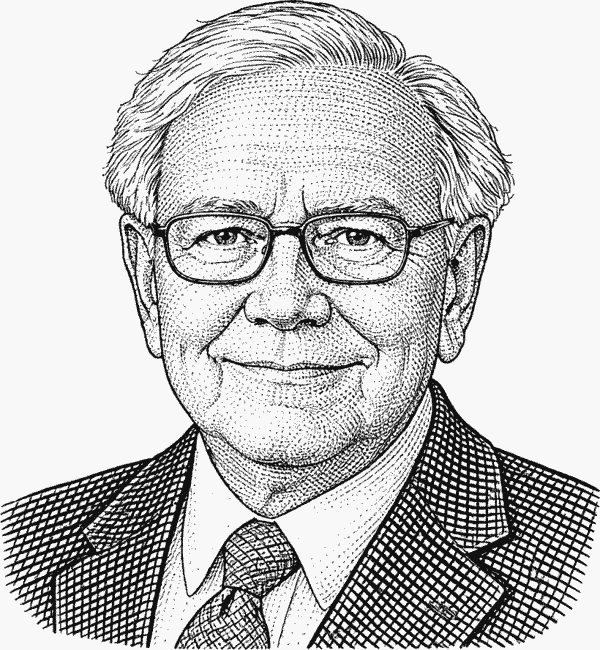
Warren Buffett quote portrait

Warren Buffett

The ideal business is one that earns very high returns on capital and that keeps using lots of capital at those high returns. That becomes a compounding machine.

Source: Berkshire Hathaway Letters · Business

Core Idea

Compounding wealth comes from owning businesses that can repeatedly reinvest large amounts of capital at consistently high rates of return, allowing value to grow exponentially over time.

Practical Application

Focus on businesses that reliably reinvest profits at high returns; by holding them long term, you harness exponential compounding instead of chasing short-term price moves.

Why It Matters

Buffett highlights that true wealth creation comes from rare businesses that can repeatedly reinvest large sums at high returns, transforming steady profitability into powerful long-term exponential compounding.

Frequently Asked Questions

Questions About This Quote

Who said this quote?

This quote is attributed to Warren Buffett.

What is the main lesson of this quote?

Compounding wealth comes from owning businesses that can repeatedly reinvest large amounts of capital at consistently high rates of return, allowing value to grow exponentially over time.

How can readers apply this idea?

Focus on businesses that reliably reinvest profits at high returns; by holding them long term, you harness exponential compounding instead of chasing short-term price moves.

Where can I read more?

Use the linked author and category pages to continue exploring related ideas.