Markets & Psychology

15 Market Psychology Quotes About Fear, Greed, and Investor Temperament

The best markets & psychology survive because they condense long experience into language you can remember when judgment matters most. This collection focuses on enduring ideas around market psychology, fear, greed, temperament, not as slogans to admire from a distance, but as working principles that can improve how readers analyze businesses, think about markets, and make decisions over time. A truly useful quote does more than sound wise. It clarifies what deserves attention when headlines become noisy, prices become emotional, or a complex decision needs to be reduced to first principles. That is why serious investors and business builders keep returning to memorable lines from disciplined thinkers. They use them to sharpen checklists, reinforce patience, and remember what usually matters more than the latest market move. Each quote on this page is paired with context, practical application, and a deeper explanation so the lesson does not remain abstract. Read these selections slowly. Ask what each one implies about process, valuation, risk, incentives, or temperament. The goal is not to collect clever sentences. The goal is to build a sturdier mental framework for acting well under pressure. Over time, the readers who benefit most from pages like this are the ones who revisit durable ideas until they become habits. Capital compounds, but so does judgment. Returning to the right ideas again and again is one way thoughtful readers improve both.

Featured collection

15 Ideas Worth Revisiting

A curated set of 15 quotes, each paired with context, practical application, and deeper insight.

1 of 15
Fear creates discounts - and discounts create opportunity.

Core idea

Market panic often pushes asset prices below their true value; investors who stay rational during fear-driven selloffs can buy quality investments at discounts and profit when prices normalize.

Practical application

When markets panic and prices plunge, calmly research strong companies, buy them at discounted valuations, and hold patiently so you profit when fear fades and prices recover.

Why it matters

The special insight is that emotionally driven market fear misprices quality assets, rewarding patient, rational investors who buy during panic and wait for valuations to normalize.

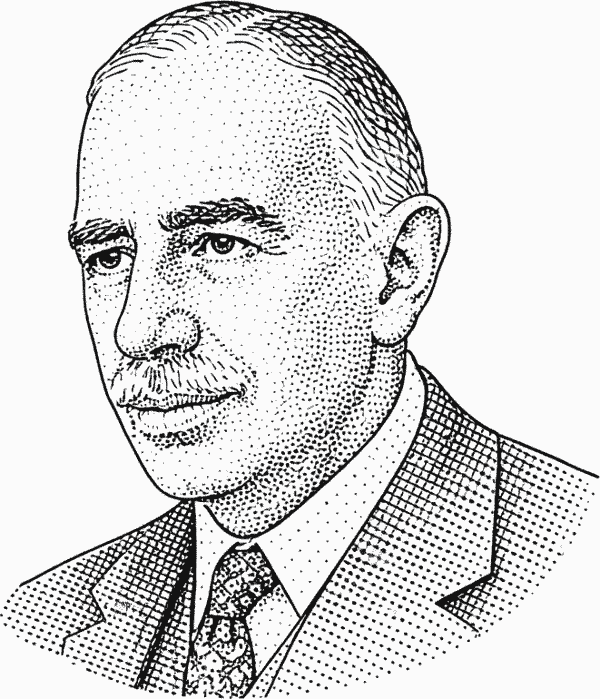
The markets are moved by animal spirits, and not by reason.

Core idea

Keynes suggests financial markets are driven largely by human emotions, instincts, and irrational confidence or fear, rather than by careful calculation, objective information, or purely rational expectations.

Practical application

To be a better investor, accept that markets swing on emotion, so build rules, diversify, and stay disciplined instead of reacting impulsively to fear or excitement.

Why it matters

Keynes insightfully reveals that financial markets mirror human psychology, showing that collective emotion often overwhelms rational analysis, so understanding sentiment can be as crucial as analyzing fundamentals.

The pendulum swings between optimism and pessimism. Markets are driven by swings in psychology, not just fundamentals.

Core idea

Markets are shaped less by objective fundamentals than by recurring emotional extremes, as investor psychology repeatedly swings like a pendulum between excessive optimism and excessive pessimism.

Practical application

To become a better investor, watch where the psychology pendulum is swinging, and aim to buy when fear dominates and sell or hold back when euphoria takes over.

Why it matters

The special insight is that durable investment edge comes less from superior analysis of fundamentals and more from recognizing, resisting, and exploiting the markets recurring emotional extremes.

A lot of people with high IQs are terrible investors because they've got terrible temperaments. You need to keep raw, irrational emotion under control.

Core idea

Investment success depends more on emotional discipline and temperament than on intelligence; controlling impulsive, irrational reactions is crucial for making sound, long-term financial decisions.

Practical application

To be a better investor, practice patience, avoid emotional trading, stick to your researched plan, and stay calm during market swings instead of reacting impulsively to short-term noise.

Why it matters

True investment edge lies in mastering your own psychology; by subduing fear, greed, and impatience, average intelligence can outperform brilliance undone by emotional volatility.

Investing is the intersection of economics and psychology.

Core idea

Klarman means successful investing requires understanding both objective business fundamentals and subjective human behavior, because market prices reflect economic reality distorted by fear, greed, and cognitive biases.

Practical application

To become a better investor, study business fundamentals rigorously, but also recognize how fear, greed, and crowd psychology distort prices, creating opportunities when others overreact.

Why it matters

The special insight is that mispricings arise where hard economic facts meet irrational human behavior, so enduring investment edges come from mastering both analysis and crowd psychology.

Market movements are often irrational.

Core idea

Graham warns that stock prices often disconnect from business realities, driven by emotion and speculation, so investors should rely on analysis and discipline instead of market sentiment.

Practical application

Apply this by ignoring daily price swings, focusing on business fundamentals, and buying or holding only when analysis justifies it, regardless of crowd excitement or fear.

Why it matters

This quote reveals that enduring investment success comes from rational appraisal of intrinsic value, not reacting to markets, which frequently misprice assets due to fear, greed, and herd behavior.

The stock market is a device to transfer money from the impatient to the patient.

Core idea

Markets often reward patience and penalize emotional activity. Buffett is pointing out that impatient, reactive participants tend to subsidize those who can stay calm and wait.

Practical application

Avoid unnecessary trading and do not let headlines, volatility, or fear force you into action. In practice, much of successful investing is simply refusing to be manipulated by short-term noise.

Why it matters

The deeper idea is that investing is not just an analytical contest but a behavioral one. Temperament is an asset, and patience is often a structural advantage.

The market does not reward complexity; it rewards discipline.

Core idea

The quote means investors succeed not by using complex strategies, but by consistently following simple, proven rules and sticking with them through market ups and downs.

Practical application

To become a better investor, pick a sound, simple strategy, then follow it with unwavering discipline through fear, greed, and boredom instead of constantly chasing complex new ideas.

Why it matters

The special insight is that long-term investment success stems less from cleverness or complex models and more from patiently, consistently executing a simple, evidence-based strategy despite emotional pressures.

Value investors are in a position to take advantage of Mr. Market's irrationality.

Core idea

The core idea is that market prices can be irrational, so disciplined value investors can profit by buying undervalued assets and selling when prices exceed intrinsic value.

Practical application

In real life, apply this by staying calm when prices swing wildly, buying strong businesses when undervalued, and patiently selling only when prices exceed true worth.

Why it matters

It reveals that markets often misprice assets, so patient, rational investors can systematically exploit fear and greed by buying below intrinsic value and selling above it.

Though tempting, trying to time the market is a loser's game.

Core idea

The quote warns that predicting short-term market moves is nearly impossible, so investors are better off focusing on long-term, disciplined investing instead of frequent trading.

Practical application

Apply this by creating a long-term plan, investing regularly in diversified assets, ignoring daily headlines, and resisting emotional trades based on fear, greed, or market predictions.

Why it matters

Timing attempts reflect overconfidence; accepting markets unpredictability frees investors to focus on disciplined, diversified, long-term compounding instead of destructive short-term speculation and reactionary trading.

Far more money has been lost by investors preparing for corrections than in the corrections themselves.

Core idea

Fear-driven behavior causes more damage than actual market declines.

Practical application

Avoid constantly trying to predict downturns. Stay invested in strong businesses instead of jumping in and out.

Why it matters

This is a critique of macro obsession - investors hurt themselves more by reacting than by enduring.

Real opportunity shows up when price and perception diverge.

Core idea

The core idea is that the best investment opportunities arise when a stock's market price falls far below its true value due to temporary misperceptions or emotional crowd behavior.

Practical application

Apply this by patiently researching quality companies, then buying when fear or misunderstanding drives their prices well below true value, and holding until perception and price realign.

Why it matters

The insight is that misalignment between a companys true worth and its market price, driven by emotion or misperception, creates rare chances for disciplined investors to buy undervalued assets.

You make most of your money in a bear market, you just don't realize it at the time.

Core idea

The core idea is that buying quality investments cheaply during frightening downturns quietly sets up most long-term gains, even though the profits only become obvious in later bull markets.

Practical application

When markets crash, focus on steadily buying strong, undervalued businesses; future bull markets will reveal that these disciplined, uncomfortable purchases created most of your long-term gains.

Why it matters

It reveals that real long-term wealth is created not by chasing euphoric bull markets, but by calmly accumulating quality assets when fear-driven selling makes them deeply undervalued.

When the public is most frightened, only the strong are left, and that's when the market is in the best possible hands.

Core idea

Mass fear drives weak investors out, leaving resilient, well-capitalized participants in control, which can stabilize markets and create strong foundations for future gains.

Practical application

In panics, train yourself not to flee with the crowd; instead, hold quality assets or selectively buy, knowing fearful selloffs often hand future gains to stronger, patient investors.

Why it matters

It reveals that market strength often emerges from chaos, as fear-driven exits transfer assets to disciplined investors who can patiently nurture them into future outperformance.

Bulls make money, bears make money, but hogs get slaughtered.

Core idea

The quote warns that while optimistic bulls and pessimistic bears can profit, excessively greedy "hogs" who take reckless risks or overreach inevitably suffer heavy losses.

Practical application

As an investor, remember this quote by locking in gains, diversifying, and avoiding oversized, risky bets; disciplined bulls and bears thrive, but greedy hogs eventually lose everything.

Why it matters

True investing wisdom lies not in constant optimism or pessimism, but in resisting greed; disciplined risk management preserves gains while overreaching for more ultimately destroys wealth.

What these quotes have in common

Key Ideas Behind Markets & Psychology

What this page emphasizes

These selections keep returning to market psychology, practical judgment, and the habit of separating noise from durable business reality.

How to use this page

Treat each quotation as a prompt for process. Ask what it changes about your checklist, your valuation discipline, or the way you respond to uncertainty.

Full collection

Read Every Quote with Context

For readers who prefer to study rather than skim, here is the complete set in a clean reading format.

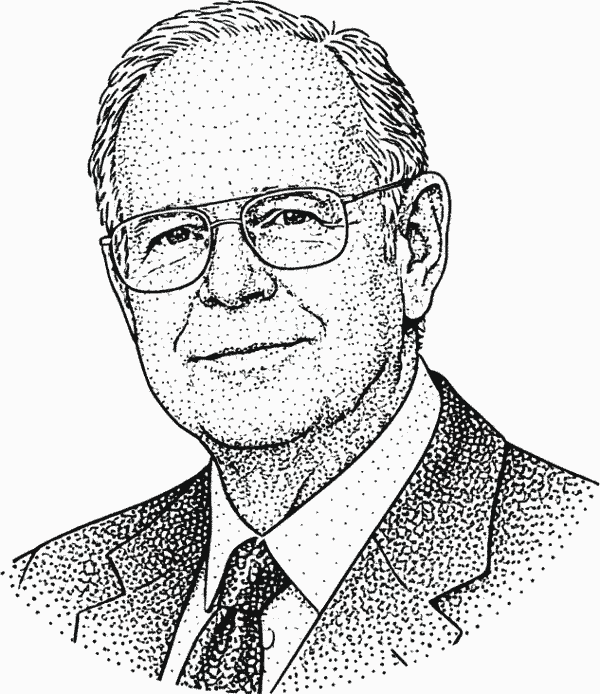
Brett Owens quote portrait about markets, psychology

Brett Owens

Fear creates discounts - and discounts create opportunity.

Source:

Core idea

Market panic often pushes asset prices below their true value; investors who stay rational during fear-driven selloffs can buy quality investments at discounts and profit when prices normalize.

Practical application

When markets panic and prices plunge, calmly research strong companies, buy them at discounted valuations, and hold patiently so you profit when fear fades and prices recover.

Why it matters

The special insight is that emotionally driven market fear misprices quality assets, rewarding patient, rational investors who buy during panic and wait for valuations to normalize.

John Maynard Keynes quote portrait about markets, psychology

John Maynard Keynes

The markets are moved by animal spirits, and not by reason.

Source: Speeches / Essays

Core idea

Keynes suggests financial markets are driven largely by human emotions, instincts, and irrational confidence or fear, rather than by careful calculation, objective information, or purely rational expectations.

Practical application

To be a better investor, accept that markets swing on emotion, so build rules, diversify, and stay disciplined instead of reacting impulsively to fear or excitement.

Why it matters

Keynes insightfully reveals that financial markets mirror human psychology, showing that collective emotion often overwhelms rational analysis, so understanding sentiment can be as crucial as analyzing fundamentals.

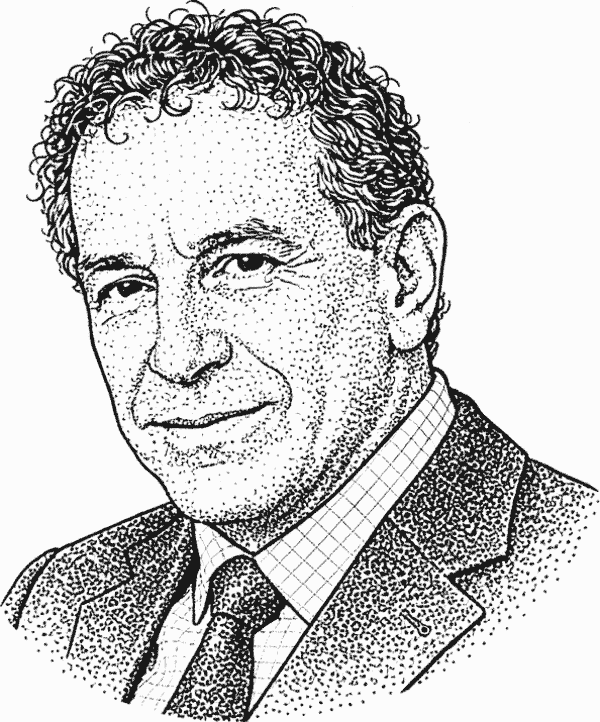
Howard Marks quote portrait about investing, psychology

Howard Marks

The pendulum swings between optimism and pessimism. Markets are driven by swings in psychology, not just fundamentals.

Source: Memos

Core idea

Markets are shaped less by objective fundamentals than by recurring emotional extremes, as investor psychology repeatedly swings like a pendulum between excessive optimism and excessive pessimism.

Practical application

To become a better investor, watch where the psychology pendulum is swinging, and aim to buy when fear dominates and sell or hold back when euphoria takes over.

Why it matters

The special insight is that durable investment edge comes less from superior analysis of fundamentals and more from recognizing, resisting, and exploiting the markets recurring emotional extremes.

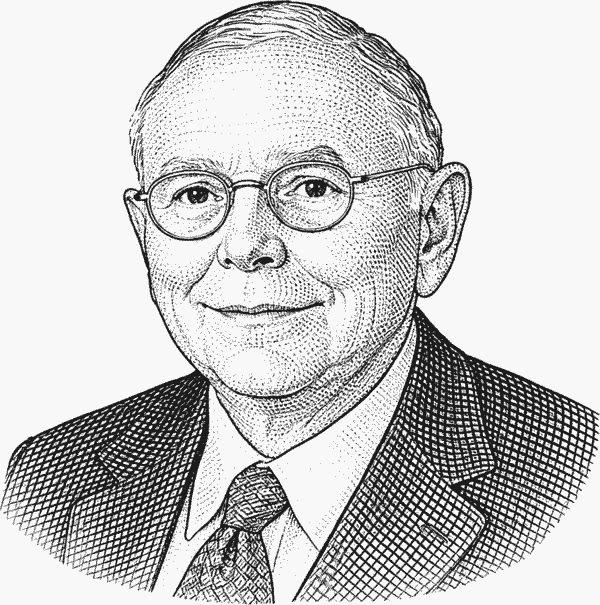
Charlie Munger quote portrait about investing, psychology

Charlie Munger

A lot of people with high IQs are terrible investors because they've got terrible temperaments. You need to keep raw, irrational emotion under control.

Source: Speeches / Essays

Core idea

Investment success depends more on emotional discipline and temperament than on intelligence; controlling impulsive, irrational reactions is crucial for making sound, long-term financial decisions.

Practical application

To be a better investor, practice patience, avoid emotional trading, stick to your researched plan, and stay calm during market swings instead of reacting impulsively to short-term noise.

Why it matters

True investment edge lies in mastering your own psychology; by subduing fear, greed, and impatience, average intelligence can outperform brilliance undone by emotional volatility.

Seth Klarman quote portrait about investing, psychology

Seth Klarman

Investing is the intersection of economics and psychology.

Source: Margin of Safety

Core idea

Klarman means successful investing requires understanding both objective business fundamentals and subjective human behavior, because market prices reflect economic reality distorted by fear, greed, and cognitive biases.

Practical application

To become a better investor, study business fundamentals rigorously, but also recognize how fear, greed, and crowd psychology distort prices, creating opportunities when others overreact.

Why it matters

The special insight is that mispricings arise where hard economic facts meet irrational human behavior, so enduring investment edges come from mastering both analysis and crowd psychology.

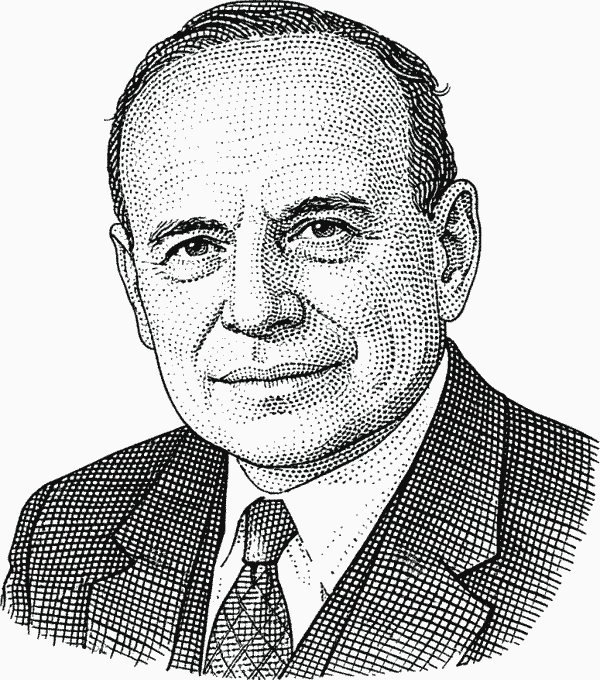
Benjamin Graham quote portrait about markets

Benjamin Graham

Market movements are often irrational.

Source: The Intelligent Investor

Core idea

Graham warns that stock prices often disconnect from business realities, driven by emotion and speculation, so investors should rely on analysis and discipline instead of market sentiment.

Practical application

Apply this by ignoring daily price swings, focusing on business fundamentals, and buying or holding only when analysis justifies it, regardless of crowd excitement or fear.

Why it matters

This quote reveals that enduring investment success comes from rational appraisal of intrinsic value, not reacting to markets, which frequently misprice assets due to fear, greed, and herd behavior.

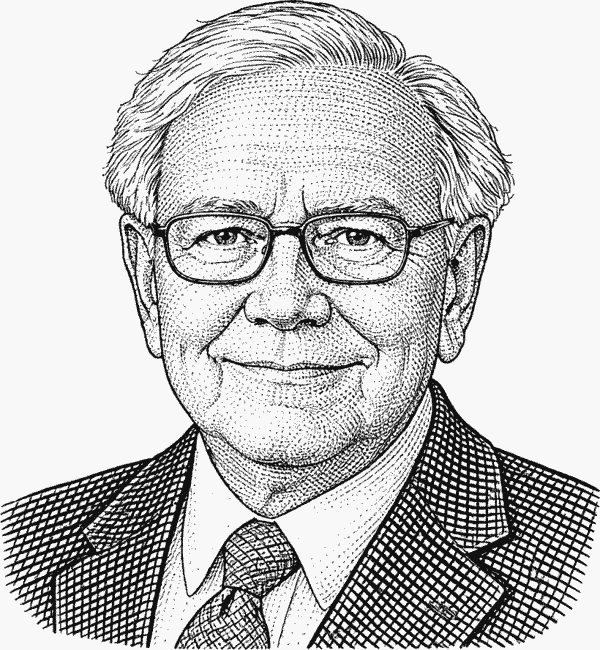
Warren Buffett quote portrait about markets

Warren Buffett

The stock market is a device to transfer money from the impatient to the patient.

Source: Berkshire Hathaway Letters

Core idea

Markets often reward patience and penalize emotional activity. Buffett is pointing out that impatient, reactive participants tend to subsidize those who can stay calm and wait.

Practical application

Avoid unnecessary trading and do not let headlines, volatility, or fear force you into action. In practice, much of successful investing is simply refusing to be manipulated by short-term noise.

Why it matters

The deeper idea is that investing is not just an analytical contest but a behavioral one. Temperament is an asset, and patience is often a structural advantage.

Joel Greenblatt quote portrait about markets

Joel Greenblatt

The market does not reward complexity; it rewards discipline.

Source: The Little Book That Beats the Market

Core idea

The quote means investors succeed not by using complex strategies, but by consistently following simple, proven rules and sticking with them through market ups and downs.

Practical application

To become a better investor, pick a sound, simple strategy, then follow it with unwavering discipline through fear, greed, and boredom instead of constantly chasing complex new ideas.

Why it matters

The special insight is that long-term investment success stems less from cleverness or complex models and more from patiently, consistently executing a simple, evidence-based strategy despite emotional pressures.

Benjamin Graham & David Dodd quote portrait about markets, valuation

Benjamin Graham & David Dodd

Value investors are in a position to take advantage of Mr. Market's irrationality.

Source: Security Analysis

Core idea

The core idea is that market prices can be irrational, so disciplined value investors can profit by buying undervalued assets and selling when prices exceed intrinsic value.

Practical application

In real life, apply this by staying calm when prices swing wildly, buying strong businesses when undervalued, and patiently selling only when prices exceed true worth.

Why it matters

It reveals that markets often misprice assets, so patient, rational investors can systematically exploit fear and greed by buying below intrinsic value and selling above it.

Christopher Davis quote portrait about markets, long-term

Christopher Davis

Though tempting, trying to time the market is a loser's game.

Source: Speeches / Essays

Core idea

The quote warns that predicting short-term market moves is nearly impossible, so investors are better off focusing on long-term, disciplined investing instead of frequent trading.

Practical application

Apply this by creating a long-term plan, investing regularly in diversified assets, ignoring daily headlines, and resisting emotional trades based on fear, greed, or market predictions.

Why it matters

Timing attempts reflect overconfidence; accepting markets unpredictability frees investors to focus on disciplined, diversified, long-term compounding instead of destructive short-term speculation and reactionary trading.

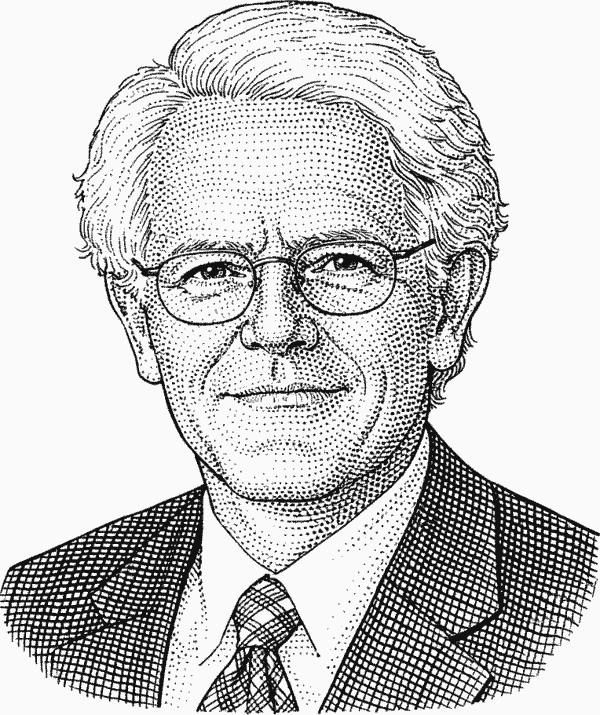
Peter Lynch quote portrait about psychology, investing

Peter Lynch

Far more money has been lost by investors preparing for corrections than in the corrections themselves.

Source: Beating the Street

Core idea

Fear-driven behavior causes more damage than actual market declines.

Practical application

Avoid constantly trying to predict downturns. Stay invested in strong businesses instead of jumping in and out.

Why it matters

This is a critique of macro obsession - investors hurt themselves more by reacting than by enduring.

Michael Foster quote portrait about markets, investing

Michael Foster

Real opportunity shows up when price and perception diverge.

Source:

Core idea

The core idea is that the best investment opportunities arise when a stock's market price falls far below its true value due to temporary misperceptions or emotional crowd behavior.

Practical application

Apply this by patiently researching quality companies, then buying when fear or misunderstanding drives their prices well below true value, and holding until perception and price realign.

Why it matters

The insight is that misalignment between a companys true worth and its market price, driven by emotion or misperception, creates rare chances for disciplined investors to buy undervalued assets.

Shelby Davis quote portrait about markets, long-term

Shelby Davis

You make most of your money in a bear market, you just don't realize it at the time.

Source: Speeches / Essays

Core idea

The core idea is that buying quality investments cheaply during frightening downturns quietly sets up most long-term gains, even though the profits only become obvious in later bull markets.

Practical application

When markets crash, focus on steadily buying strong, undervalued businesses; future bull markets will reveal that these disciplined, uncomfortable purchases created most of your long-term gains.

Why it matters

It reveals that real long-term wealth is created not by chasing euphoric bull markets, but by calmly accumulating quality assets when fear-driven selling makes them deeply undervalued.

Victor Niederhoffer quote portrait about markets

Victor Niederhoffer

When the public is most frightened, only the strong are left, and that's when the market is in the best possible hands.

Source: Speeches / Essays

Core idea

Mass fear drives weak investors out, leaving resilient, well-capitalized participants in control, which can stabilize markets and create strong foundations for future gains.

Practical application

In panics, train yourself not to flee with the crowd; instead, hold quality assets or selectively buy, knowing fearful selloffs often hand future gains to stronger, patient investors.

Why it matters

It reveals that market strength often emerges from chaos, as fear-driven exits transfer assets to disciplined investors who can patiently nurture them into future outperformance.

Jim Cramer quote portrait about markets

Jim Cramer

Bulls make money, bears make money, but hogs get slaughtered.

Source: Speeches / Essays

Core idea

The quote warns that while optimistic bulls and pessimistic bears can profit, excessively greedy "hogs" who take reckless risks or overreach inevitably suffer heavy losses.

Practical application

As an investor, remember this quote by locking in gains, diversifying, and avoiding oversized, risky bets; disciplined bulls and bears thrive, but greedy hogs eventually lose everything.

Why it matters

True investing wisdom lies not in constant optimism or pessimism, but in resisting greed; disciplined risk management preserves gains while overreaching for more ultimately destroys wealth.

Frequently asked questions

How Readers Can Use Markets & Psychology Well

What makes a markets & psychology worth revisiting?

The best markets & psychology compress a durable principle into a sentence or two and remain useful across cycles.

How should I use quotes like these in real life?

Use them as prompts for process rather than slogans. A good quote becomes valuable when it changes how you study a business, value risk, or respond to volatility.

Why do so many of these quotes focus on temperament?

Because behavior often determines results. Knowing the right principle is not enough if fear, greed, impatience, or overconfidence push you to act badly.

What is the most useful way to study a page like this?

Read slowly, compare themes, and decide which idea belongs on your own checklist. The value is not in memorizing every line, but in applying the best ones consistently.

Which investors appear most often in collections like this?

Readers often see recurring insights from Warren Buffett, Benjamin Graham, Charlie Munger, Peter Lynch, Seth Klarman, Howard Marks, and other durable thinkers.

Are these quotes investment advice?

No. They are educational material meant to help readers think more clearly about business and investing principles.

Why pair each quote with commentary?

Context turns a memorable sentence into a usable tool. Commentary helps readers understand the principle, apply it, and avoid treating it as a bumper sticker.