Management Quotes

10 Business Management Quotes About Capital Allocation and Leadership

The best management quotes survive because they condense long experience into language you can remember when judgment matters most. This collection focuses on enduring ideas around management, leadership, capital allocation, incentives, not as slogans to admire from a distance, but as working principles that can improve how readers analyze businesses, think about markets, and make decisions over time. A truly useful quote does more than sound wise. It clarifies what deserves attention when headlines become noisy, prices become emotional, or a complex decision needs to be reduced to first principles. That is why serious investors and business builders keep returning to memorable lines from disciplined thinkers. They use them to sharpen checklists, reinforce patience, and remember what usually matters more than the latest market move. Each quote on this page is paired with context, practical application, and a deeper explanation so the lesson does not remain abstract. Read these selections slowly. Ask what each one implies about process, valuation, risk, incentives, or temperament. The goal is not to collect clever sentences. The goal is to build a sturdier mental framework for acting well under pressure. Over time, the readers who benefit most from pages like this are the ones who revisit durable ideas until they become habits. Capital compounds, but so does judgment. Returning to the right ideas again and again is one way thoughtful readers improve both.

Featured collection

10 Ideas Worth Revisiting

A curated set of 10 quotes, each paired with context, practical application, and deeper insight.

1 of 10
The business of money management can be highly lucrative.

Core idea

Klarman highlights that managing others money often generates large, predictable fees regardless of performance, creating powerful incentives that can conflict with clients best long-term investment interests.

Practical application

Remember that many managers earn steady fees whether you prosper or not, so prioritize low-cost, aligned, transparent strategies and always understand how and why advisers are paid.

Why it matters

Klarman exposes how asset managers can profit handsomely and predictably from fees regardless of investor outcomes, warning that misaligned incentives quietly undermine clients long-term financial well-being.


Committees are what insecure people create to put off making hard decisions.

Core idea

The core idea is that people often form committees to avoid personal responsibility, delay tough choices, and hide indecision behind group consensus instead of making clear, accountable decisions themselves.

Practical application

As an investor, do not hide behind endless research or group opinions; make clear, accountable decisions instead of forming mental committees that delay bold, well-reasoned actions.

Why it matters

True leadership demands personal accountability; relying on committees or collective hesitation is often a way to dodge risk, delay decisions, and dilute responsibility instead of acting decisively.

The business of money management can be highly lucrative.

Core idea

Graham and Dodd emphasize that managing other peoples money, when done successfully and at scale, can generate very large, often disproportionately high, financial rewards for the manager.

Practical application

Recognize that money managers profit from fees regardless of your results; align incentives carefully, minimize costs, and focus on long-term value so you, not just they, become truly wealthy.

Why it matters

The quote reveals that in finance, managing others money can be more lucrative than investing itself, so investors must scrutinize fee structures and incentive alignment to protect their own wealth.

Reducing your business to a few clear ideas makes you a better leader.

Core idea

The core idea is that simplifying your business into a few clear, essential principles strengthens focus, communication, and decision-making, which ultimately makes you a more effective, impactful leader.

Practical application

As an investor, reduce each opportunity to a few clear drivers of value, risk, and growth so you can compare choices objectively, act decisively, and avoid distracting noise.

Why it matters

The Insight is that disciplined simplification clarifies what truly drives outcomes, enabling leaders and investors to allocate attention, capital, and effort where they have the greatest leverage.

Reputation is your most important asset.

Core idea

Your credibility and trustworthiness are priceless capital; once damaged or lost, they are hard to rebuild, affecting every deal, relationship, and opportunity you will ever have.

Practical application

As an investor, every promise kept and term honored compounds into priceless trust capital, lowering future friction, improving deal flow, and protecting you when markets or investments inevitably go wrong.

Why it matters

Reputation converts ethical behavior into lasting economic leverage, creating a self-reinforcing advantage that compounds over time but becomes nearly irrecoverable once materially damaged.

A business that requires brilliance to succeed is not a good business.

Core idea

Buffett means strong businesses should thrive through simple, reliable economics and ordinary management, not depend on exceptional genius, constant heroics, or perfectly brilliant decisions to survive.

Practical application

As an investor, favor businesses that can prosper under average managers with straightforward economics, rather than those needing constant genius, complex forecasts, or heroic decisions to avoid trouble.

Why it matters

The special insight is that enduringly great businesses are designed to win by default, relying on durable economics and ordinary competence rather than fragile dependence on rare, continuously brilliant leadership.

Go for a business that any idiot can run - because sooner or later, any idiot probably is going to run it.

Core idea

Choose businesses so simple and durable that even poor management cannot easily ruin them, because over time leadership quality will likely decline or cycle through incompetence.

Practical application

Apply this by favoring simple, durable businesses with strong moats, so your investment can survive management mistakes, leadership changes, and the occasional idiot in charge.

Why it matters

The special insight is that durable, simple, well-moated businesses protect investors from the inevitable cycle of leadership mistakes, making long-term outcomes less dependent on outstanding management.

Incentives drive behavior.

Core idea

People reliably do what rewards them most, so if you want to predict or change behavior, follow and design the incentives that shape their choices and priorities.

Practical application

To become a better investor, rigorously study the incentives driving management, employees, and intermediaries, because their payoffs often predict future decisions, risks, and long-term shareholder outcomes.

Why it matters

The special insight is that human behavior is systematically shaped by reward structures, so understanding and engineering incentives is the most reliable lever for predicting and influencing outcomes.

Buy good companies, not just cheap stocks.

Core idea

The core idea is that long-term investment success comes from buying quality businesses with durable advantages at reasonable prices, not simply picking the cheapest, statistically undervalued stocks.

Practical application

Apply this by researching businesses with strong competitive advantages, consistent profits, and smart management, then buying them at fair prices instead of blindly chasing the lowest valuation metrics.

Why it matters

Greenblatt highlights that sustainable outperformance comes from combining quality and value, prioritizing durable competitive advantages and strong economics over merely low multiples or statistical cheapness.

Diversification is a key component of risk management.

Core idea

Spreading investments across many assets helps reduce the impact of any single loss, making overall returns more stable and protecting investors from severe financial damage.

Practical application

Apply this by splitting your money across different stocks, bonds, and cash so one bad investment cannot wreck your entire portfolio or long-term goals.

Why it matters

The insight is that uncertainty is inevitable, so disciplined diversification deliberately accepts some mediocre outcomes to avoid devastating losses, maximizing long-term survival and compounding rather than short-term perfection.

What these quotes have in common

Key Ideas Behind Management Quotes

What this page emphasizes

These selections keep returning to management, practical judgment, and the habit of separating noise from durable business reality.

How to use this page

Treat each quotation as a prompt for process. Ask what it changes about your checklist, your valuation discipline, or the way you respond to uncertainty.

Full collection

Read Every Quote with Context

For readers who prefer to study rather than skim, here is the complete set in a clean reading format.

Seth Klarman quote portrait about business, management

Seth Klarman

The business of money management can be highly lucrative.

Source: Margin of Safety

Core idea

Klarman highlights that managing others money often generates large, predictable fees regardless of performance, creating powerful incentives that can conflict with clients best long-term investment interests.

Practical application

Remember that many managers earn steady fees whether you prosper or not, so prioritize low-cost, aligned, transparent strategies and always understand how and why advisers are paid.

Why it matters

Klarman exposes how asset managers can profit handsomely and predictably from fees regardless of investor outcomes, warning that misaligned incentives quietly undermine clients long-term financial well-being.

Donald Trump quote portrait about wisdom, management

Donald Trump

Committees are what insecure people create to put off making hard decisions.

Source: The Art of the Deal

Core idea

The core idea is that people often form committees to avoid personal responsibility, delay tough choices, and hide indecision behind group consensus instead of making clear, accountable decisions themselves.

Practical application

As an investor, do not hide behind endless research or group opinions; make clear, accountable decisions instead of forming mental committees that delay bold, well-reasoned actions.

Why it matters

True leadership demands personal accountability; relying on committees or collective hesitation is often a way to dodge risk, delay decisions, and dilute responsibility instead of acting decisively.

Benjamin Graham & David Dodd quote portrait about business, management

Benjamin Graham & David Dodd

The business of money management can be highly lucrative.

Source: Security Analysis

Core idea

Graham and Dodd emphasize that managing other peoples money, when done successfully and at scale, can generate very large, often disproportionately high, financial rewards for the manager.

Practical application

Recognize that money managers profit from fees regardless of your results; align incentives carefully, minimize costs, and focus on long-term value so you, not just they, become truly wealthy.

Why it matters

The quote reveals that in finance, managing others money can be more lucrative than investing itself, so investors must scrutinize fee structures and incentive alignment to protect their own wealth.

Christopher Volk quote portrait about business, management

Christopher Volk

Reducing your business to a few clear ideas makes you a better leader.

Source: Speeches / Essays

Core idea

The core idea is that simplifying your business into a few clear, essential principles strengthens focus, communication, and decision-making, which ultimately makes you a more effective, impactful leader.

Practical application

As an investor, reduce each opportunity to a few clear drivers of value, risk, and growth so you can compare choices objectively, act decisively, and avoid distracting noise.

Why it matters

The Insight is that disciplined simplification clarifies what truly drives outcomes, enabling leaders and investors to allocate attention, capital, and effort where they have the greatest leverage.

Sam Zell quote portrait about wisdom, management

Sam Zell

Reputation is your most important asset.

Source: Am I Being Too Subtle

Core idea

Your credibility and trustworthiness are priceless capital; once damaged or lost, they are hard to rebuild, affecting every deal, relationship, and opportunity you will ever have.

Practical application

As an investor, every promise kept and term honored compounds into priceless trust capital, lowering future friction, improving deal flow, and protecting you when markets or investments inevitably go wrong.

Why it matters

Reputation converts ethical behavior into lasting economic leverage, creating a self-reinforcing advantage that compounds over time but becomes nearly irrecoverable once materially damaged.

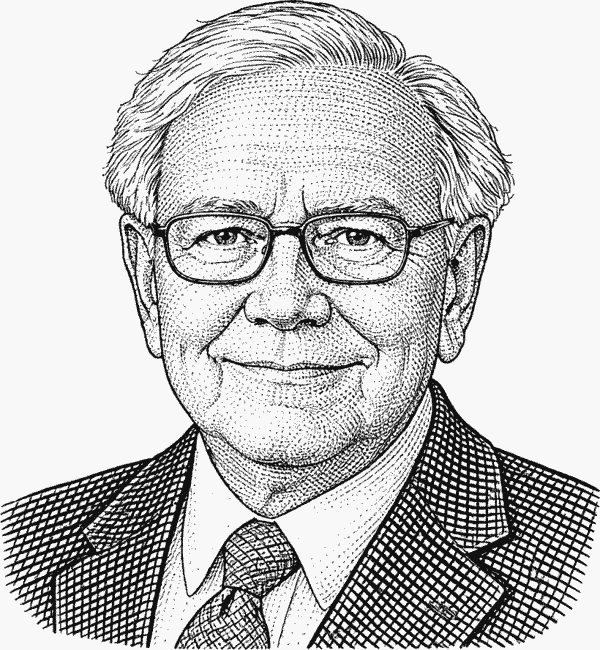
Warren Buffett quote portrait about business

Warren Buffett

A business that requires brilliance to succeed is not a good business.

Source: Berkshire Hathaway Letters

Core idea

Buffett means strong businesses should thrive through simple, reliable economics and ordinary management, not depend on exceptional genius, constant heroics, or perfectly brilliant decisions to survive.

Practical application

As an investor, favor businesses that can prosper under average managers with straightforward economics, rather than those needing constant genius, complex forecasts, or heroic decisions to avoid trouble.

Why it matters

The special insight is that enduringly great businesses are designed to win by default, relying on durable economics and ordinary competence rather than fragile dependence on rare, continuously brilliant leadership.

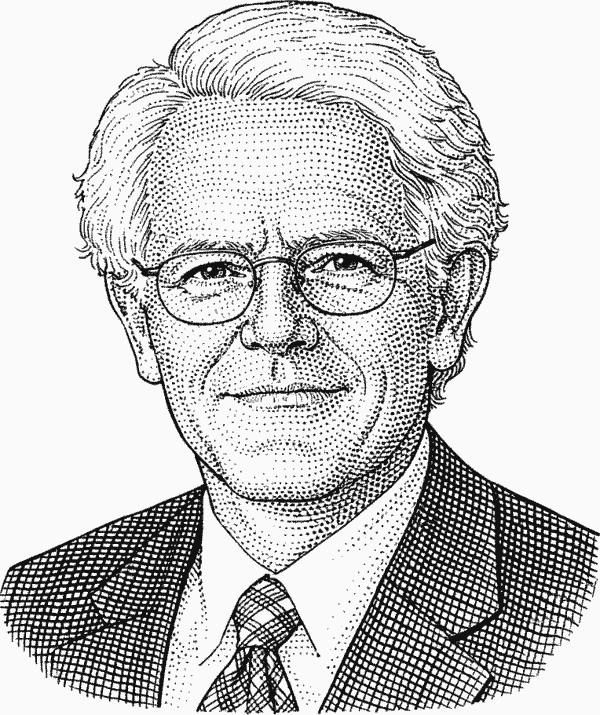
Peter Lynch quote portrait about business

Peter Lynch

Go for a business that any idiot can run - because sooner or later, any idiot probably is going to run it.

Source: Speeches / Essays

Core idea

Choose businesses so simple and durable that even poor management cannot easily ruin them, because over time leadership quality will likely decline or cycle through incompetence.

Practical application

Apply this by favoring simple, durable businesses with strong moats, so your investment can survive management mistakes, leadership changes, and the occasional idiot in charge.

Why it matters

The special insight is that durable, simple, well-moated businesses protect investors from the inevitable cycle of leadership mistakes, making long-term outcomes less dependent on outstanding management.

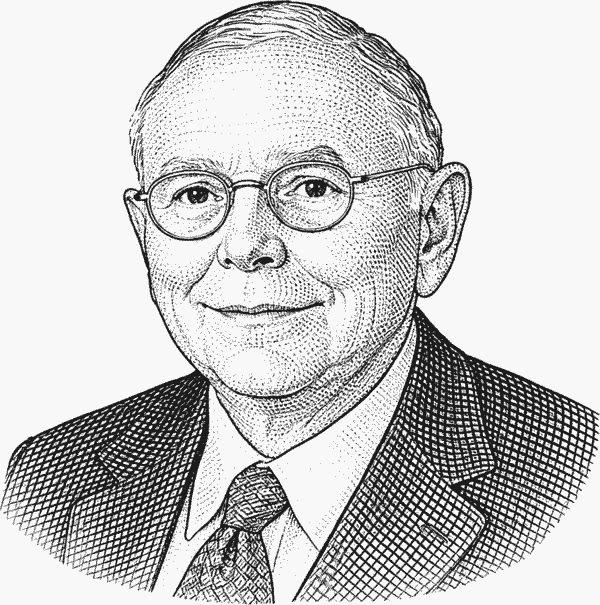
Charlie Munger quote portrait about psychology, business

Charlie Munger

Incentives drive behavior.

Source: Art of Stock Picking

Core idea

People reliably do what rewards them most, so if you want to predict or change behavior, follow and design the incentives that shape their choices and priorities.

Practical application

To become a better investor, rigorously study the incentives driving management, employees, and intermediaries, because their payoffs often predict future decisions, risks, and long-term shareholder outcomes.

Why it matters

The special insight is that human behavior is systematically shaped by reward structures, so understanding and engineering incentives is the most reliable lever for predicting and influencing outcomes.

Joel Greenblatt quote portrait about business, investing

Joel Greenblatt

Buy good companies, not just cheap stocks.

Source: The Little Book That Beats the Market

Core idea

The core idea is that long-term investment success comes from buying quality businesses with durable advantages at reasonable prices, not simply picking the cheapest, statistically undervalued stocks.

Practical application

Apply this by researching businesses with strong competitive advantages, consistent profits, and smart management, then buying them at fair prices instead of blindly chasing the lowest valuation metrics.

Why it matters

Greenblatt highlights that sustainable outperformance comes from combining quality and value, prioritizing durable competitive advantages and strong economics over merely low multiples or statistical cheapness.

Benjamin Graham quote portrait about risk, management

Benjamin Graham

Diversification is a key component of risk management.

Source: The Intelligent Investor

Core idea

Spreading investments across many assets helps reduce the impact of any single loss, making overall returns more stable and protecting investors from severe financial damage.

Practical application

Apply this by splitting your money across different stocks, bonds, and cash so one bad investment cannot wreck your entire portfolio or long-term goals.

Why it matters

The insight is that uncertainty is inevitable, so disciplined diversification deliberately accepts some mediocre outcomes to avoid devastating losses, maximizing long-term survival and compounding rather than short-term perfection.

Frequently asked questions

How Readers Can Use Management Quotes Well

What makes a management quote worth revisiting?

The best management quotes compress a durable principle into a sentence or two and remain useful across cycles.

How should I use quotes like these in real life?

Use them as prompts for process rather than slogans. A good quote becomes valuable when it changes how you study a business, value risk, or respond to volatility.

Why do so many of these quotes focus on temperament?

Because behavior often determines results. Knowing the right principle is not enough if fear, greed, impatience, or overconfidence push you to act badly.

What is the most useful way to study a page like this?

Read slowly, compare themes, and decide which idea belongs on your own checklist. The value is not in memorizing every line, but in applying the best ones consistently.

Which investors appear most often in collections like this?

Readers often see recurring insights from Warren Buffett, Benjamin Graham, Charlie Munger, Peter Lynch, Seth Klarman, Howard Marks, and other durable thinkers.

Are these quotes investment advice?

No. They are educational material meant to help readers think more clearly about business and investing principles.

Why pair each quote with commentary?

Context turns a memorable sentence into a usable tool. Commentary helps readers understand the principle, apply it, and avoid treating it as a bumper sticker.