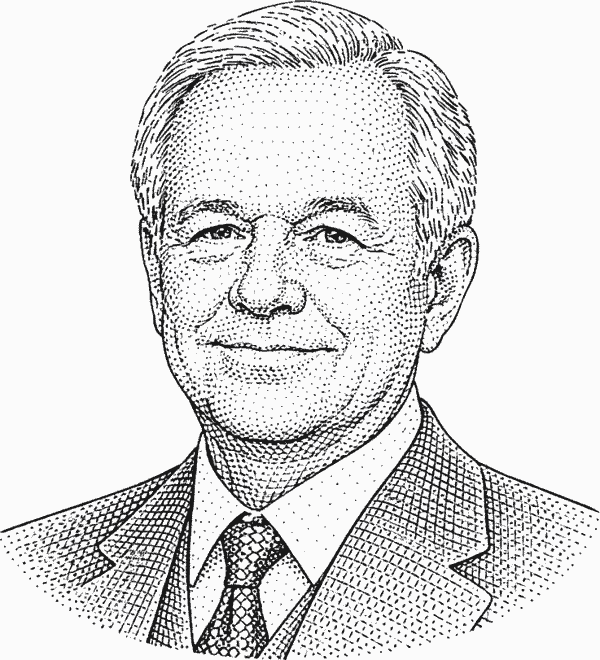
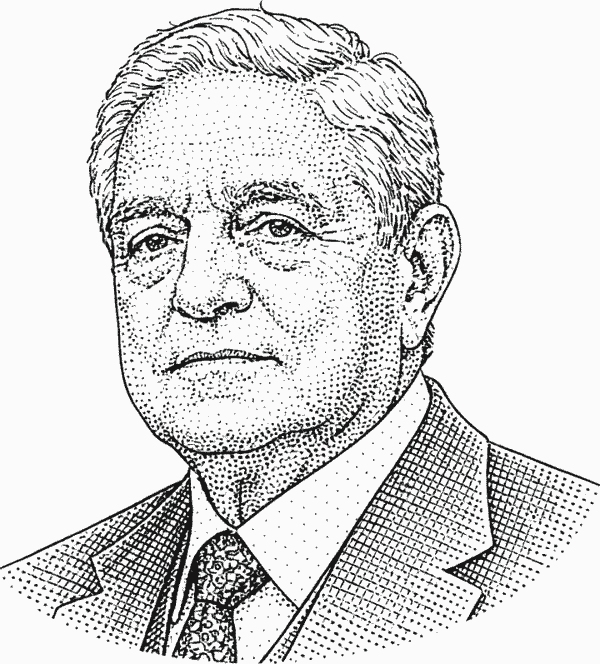
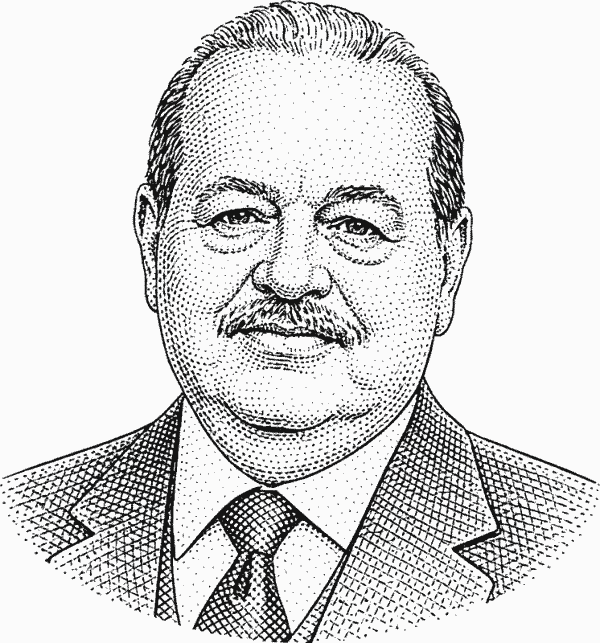
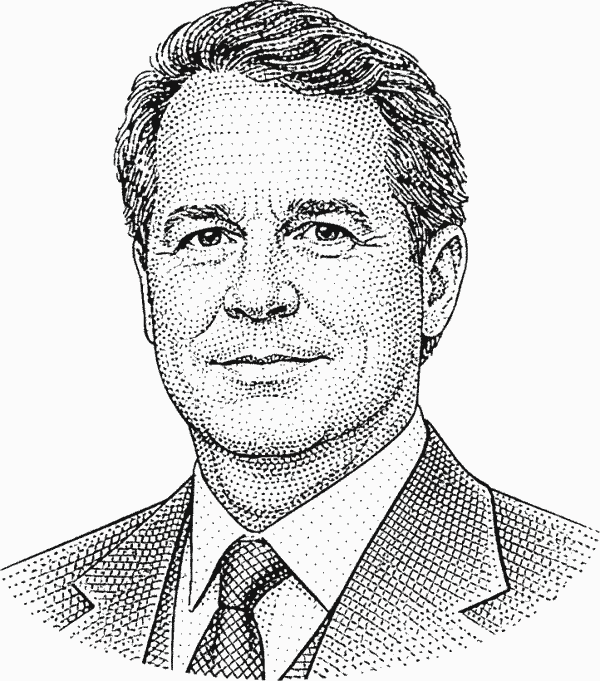
Investing Quotes

25 Timeless Investing Quotes for Serious Investors

The best investing quotes survive because they condense long experience into language you can remember when judgment matters most. This collection focuses on enduring ideas around investing, portfolio, wealth, discipline, not as slogans to admire from a distance, but as working principles that can improve how readers analyze businesses, think about markets, and make decisions over time. A truly useful quote does more than sound wise. It clarifies what deserves attention when headlines become noisy, prices become emotional, or a complex decision needs to be reduced to first principles. That is why serious investors and business builders keep returning to memorable lines from disciplined thinkers. They use them to sharpen checklists, reinforce patience, and remember what usually matters more than the latest market move. Each quote on this page is paired with context, practical application, and a deeper explanation so the lesson does not remain abstract. Read these selections slowly. Ask what each one implies about process, valuation, risk, incentives, or temperament. The goal is not to collect clever sentences. The goal is to build a sturdier mental framework for acting well under pressure. Over time, the readers who benefit most from pages like this are the ones who revisit durable ideas until they become habits. Capital compounds, but so does judgment. Returning to the right ideas again and again is one way thoughtful readers improve both.

Featured collection

25 Ideas Worth Revisiting

A curated set of 25 quotes, each paired with context, practical application, and deeper insight.

1 of 25
It's possible to collect generous payouts and grow your principal at the same time.

Core idea

The core idea is that smart income investing can deliver substantial, reliable cash payouts while the underlying investments appreciate, allowing you to enjoy current income and long-term wealth growth simultaneously.

Practical application

Apply this by targeting strong, cash-generating businesses or funds that steadily raise payouts, reinvesting surplus income so your dividend checks and portfolio value grow together over time.

Why it matters

This quote reveals the powerful insight that investors do not need to choose between income and growth; disciplined, high-quality income strategies can compound both simultaneously.

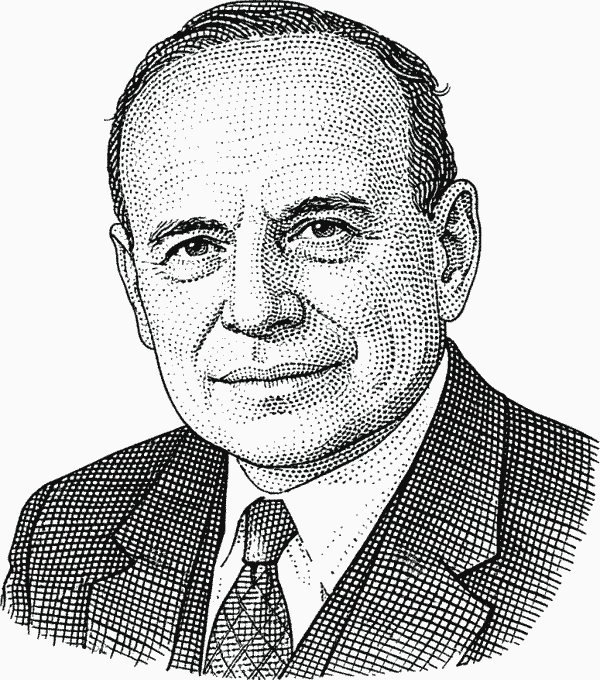
The essence of investment management is the management of risks, not the management of returns.

Core idea

Successful investing focuses on carefully controlling potential losses and uncertainties, because protecting capital and avoiding ruin matters more for long-term success than chasing the highest possible returns.

Practical application

Apply this by prioritizing diversification, margin of safety, and avoiding big permanent losses, so your portfolio can compound steadily instead of gambling on risky, unpredictable high-return bets.

Why it matters

True investment wisdom is recognizing that survival and preservation of capital, through disciplined risk control, ultimately generate more reliable long-term wealth than aggressively pursuing maximum returns.

Investing is not about being right all the time.

Core idea

Long-term investment success comes from a sound, repeatable process and favorable odds, not from correctly predicting every outcome or being right on each individual stock.

Practical application

Apply this by focusing on a disciplined, repeatable strategy with positive odds, accepting some losses as normal instead of constantly chasing perfect stock picks or short-term wins.

Why it matters

The special insight is that consistent wealth comes from a repeatable process with positive expected returns, not from flawless predictions or being right on every individual investment decision.

We don't need activity.

Core idea

Buffett emphasizes patient, disciplined investing, arguing that frequent trading and constant activity often hurt returns; real success comes from thoughtful decisions, long holding periods, and avoiding unnecessary moves.

Practical application

Apply Buffetts quote by resisting the urge to trade constantly; instead, research carefully, buy quality businesses, hold them patiently, and let compounding quietly build your long-term wealth.

Why it matters

The special insight is that disciplined inaction can be more powerful than constant effort; patiently holding well-chosen investments often outperforms frenetic trading and the illusion of productive busyness.

Many unsuccessful investors regard the stock market as a way to make money without working rather than as a way to invest capital in order to earn a decent return.

Core idea

Investing is about soberly allocating capital for reasonable long-term returns, not treating the stock market as an easy, effortless shortcut to quick wealth without real work.

Practical application

Apply this by treating every investment as a business decision: study fundamentals, demand a margin of safety, expect modest long-term returns, and never confuse speculation with genuine investing.

Why it matters

The special insight is that true investing requires disciplined analysis and realistic expectations, while chasing effortless, rapid profits turns the stock market into a dangerous substitute for real work.

Most money is made from a few good decisions.

Core idea

Wealth usually comes from a small number of unusually good, patient decisions, not from constant activity, so focus on rare high-quality opportunities and avoid frequent impulsive choices.

Practical application

As an investor, concentrate on patiently spotting a few exceptional businesses, invest meaningfully when odds are clearly in your favor, then sit tight instead of constantly trading or chasing noise.

Why it matters

Enduring wealth stems from recognizing that a tiny fraction of carefully chosen, high-conviction decisions drives most results, making disciplined selectivity far more powerful than constant, scattered effort.

Far more money has been lost by investors trying to anticipate corrections, than lost in the corrections themselves.

Core idea

Trying to time market downturns usually causes investors to miss gains or sell too early, ultimately losing more money than simply staying invested through normal market corrections.

Practical application

Apply it by staying invested in quality assets, following a long-term plan, and avoiding emotional market timing that often destroys more wealth than normal downturns ever do.

Why it matters

The insight is that defensive market timing driven by fear often inflicts greater long-term damage than enduring routine declines, so discipline and consistent participation usually outperform tactical exit strategies.

As long as the market is rising, trading can seem lucrative. But essentially it is speculating, not investing.

Core idea

Riding a rising market by frequent trading may look profitable, but without careful analysis of underlying value it is mere speculation, not true long-term investing.

Practical application

In real life, focus on studying businesses and buying below intrinsic value, instead of chasing quick gains in a rising market, to build durable, less risky wealth.

Why it matters

True investing demands valuation-based discipline; profiting from a rising market without analyzing intrinsic worth is just speculation disguised as skill and leaves you exposed when conditions reverse.

The most important thing about an investment philosophy is that you have one.

Core idea

An investment philosophy gives you a consistent framework for making decisions, staying disciplined through market ups and downs, and avoiding emotional, impulsive choices that undermine long-term results.

Practical application

Apply this by writing down a simple, rules-based investment plan and committing to follow it consistently, especially during market stress, instead of reacting emotionally to headlines or price swings.

Why it matters

The special insight is that a clear, predefined investment philosophy acts as a stabilizing compass, preventing emotional decision-making and supporting rational, long-term wealth-building through all market conditions.

Experience taught me a few things. One is to listen to your gut, no matter how good something sounds on paper. The second is that you're generally better off sticking with what you know. And the third is that sometimes your best investments are the ones you don't make.

Core idea

Trust intuition over theory, rely on proven strengths, and recognize that disciplined restraint and opportunities you decline can be as valuable as the investments you choose.

Practical application

Apply this by double-checking numbers against your gut, focusing capital where you have an edge, and remembering that patiently saying no often protects and grows wealth.

Why it matters

True wisdom in investing is balancing analysis with intuition, concentrating on familiar strengths, and realizing that disciplined inaction and missed deals can be the most profitable moves.

If investing is entertaining, if you're having fun, you're probably not making any money. Good investing is boring.

Core idea

Successful investing relies on disciplined, methodical decisions based on analysis and risk management, not excitement or entertainment; profitable strategies usually feel routine, cautious, and even boring.

Practical application

To become a better investor, embrace consistent research, patience, and risk control, realizing that slow, steady, and sometimes boring decisions usually build the most reliable long-term wealth.

Why it matters

The insight is that emotional excitement and constant action often signal poor discipline, while dull, systematic investing habits quietly compound into sustainable wealth and reduced long-term risk.

Anyone who is not investing now is missing a tremendous opportunity.

Core idea

The core idea is that periods of uncertainty or change create rare chances to build wealth, so delaying investment means forfeiting significant future gains and financial growth.

Practical application

Apply this by steadily investing during uncertainty instead of waiting for perfect conditions; disciplined action now lets you buy quality assets cheaper and compound gains others miss.

Why it matters

The special insight is that hesitation during turbulent times destroys future wealth, while decisive investing now captures rare discounts and long-term compounding others are too fearful to seize.

A 10% decline in the market is fairly common, it happens about once a year. Investors who realize this are less likely to sell in a panic, and more likely to remain invested, benefitting from the wealthbuilding power of stocks.

Core idea

Market drops of around 10 percent are normal and frequent, so staying invested instead of panicking helps investors capture long-term stock market growth and wealth-building potential.

Practical application

When markets drop around 10%, remember it is normal; stick to your plan, avoid emotional selling, and stay invested to benefit from long-term stock market growth.

Why it matters

The special insight is that normal, recurring 10 percent market declines test emotions more than fundamentals, so disciplined investors who stay invested can better harness long-term compounding.

You can't predict, but you can prepare.

Core idea

The core idea is that the future is inherently uncertain, so instead of trying to forecast outcomes, focus on resilience, risk management, and flexible positioning to handle many possible scenarios.

Practical application

Instead of guessing market moves, build resilient portfolios, control risk, hold cash buffers, and stay flexible so you can adapt rationally to many possible futures.

Why it matters

Its special insight is that durable success comes less from accurate forecasts than from structuring your finances, behavior, and options to survive and benefit across many unpredictable futures.

If farming were to be organised like the stock market, a farmer would sell his farm in the morning when it was raining, only to buy it back in the afternoon when the sun came out.

Core idea

Keynes warns that if long-term activities like farming mimicked short-term stock trading, irrational day-to-day mood swings would dominate decisions, undermining stability and productive investment.

Practical application

To be a better investor, treat your portfolio like a farm: focus on long-term harvests, not reacting to every daily weather change in prices or market sentiment.

Why it matters

Keynes insightfully exposes how short-term market psychology can hijack rational judgment, urging investors to resist daily volatility and instead prioritize patient, long-term value creation.

The market's mistakes are our income stream - if we're willing to step in when others step out.

Core idea

Profit comes from calmly buying quality assets when fear drives other investors to sell, turning temporary market mispricing and emotional overreactions into long-term income opportunities.

Practical application

Apply this by creating a watchlist of strong, income-producing assets, then steadily buy them on scary selloffs instead of panicking, focusing on long-term cash flow, not short-term price swings.

Why it matters

The insight is that disciplined investors can systematically convert others emotional, short-sighted selling into reliable long-term income by buying fundamentally strong assets precisely when they are most undervalued.

Most great fortunes are built through business ownership.

Core idea

The quote emphasizes that truly substantial wealth usually comes from owning and scaling businesses, not from wages or passive investing, highlighting entrepreneurship as the primary path to major fortunes.

Practical application

As an aspiring investor, remember that the biggest returns often come from owning and growing businesses directly, so prioritize equity in scalable enterprises over relying solely on stocks or salaries.

Why it matters

The insight is that transformative wealth usually flows to those who own and scale businesses, making entrepreneurial equity more powerful than wages or passive investments for building great fortunes.

Invest for the long haul. Don't get too greedy and don't get too scared.

Core idea

The core idea is to stay committed to long-term investing, maintaining emotional balance by avoiding excessive greed during booms and excessive fear during downturns.

Practical application

In real life, follow a consistent long-term plan, keep investing through ups and downs, and avoid emotional decisions driven by hot tips, market euphoria, or scary headlines.

Why it matters

It highlights that emotional discipline, not just stock selection, is the real edge in long-term investing, since resisting greed and fear preserves compounding and rational decision-making.

He who earns and does not invest will have to work for the rest of his life.

Core idea

Financial independence requires investing, not just earning; without investing, people must continually trade their time and labor for money, never achieving lasting security or freedom.

Practical application

To be a better investor, treat each paycheck as seed capital: automatically invest a portion so your money works for you, reducing lifelong dependence on active work.

Why it matters

True wealth comes from transforming earned income into growing assets, so your money eventually works harder than you do, freeing you from perpetual dependence on active labor.

Financial peace isn't the acquisition of stuff. It's learning to live on less than you make, so you can give money back and have money to invest. You can't win until you do this.

Core idea

True financial peace comes from consistently spending less than you earn, enabling generous giving, wise investing, and long-term stability rather than chasing possessions or lifestyle upgrades.

Practical application

As an aspiring investor, first master living below your means; the surplus becomes steady fuel for long-term investing, compounding returns, and freedom from chasing status or short-term thrills.

Why it matters

Financial peace is a behavioral discipline: deliberately spending less than you earn turns surplus into a reliable engine for generosity, investment, and durable, non-material security.

I made my money by selling too soon.

Core idea

The core idea is that disciplined investors protect gains and avoid devastating losses by exiting profitable positions early instead of greedily waiting for the absolute peak.

Practical application

Apply this by setting clear profit targets, regularly taking partial profits, and resisting greed, so you lock in gains instead of holding too long and suffering avoidable losses.

Why it matters

The special insight is that enduring investment success comes from disciplined profit-taking and risk control, not perfectly timing tops, because avoiding large losses matters more than capturing every last gain.

If you have got a big downside and a small upside, run the other way.

Core idea

Focus relentlessly on asymmetry: avoid any deal where potential losses greatly exceed plausible gains, and pursue only opportunities with limited downside and substantial, realistic upside.

Practical application

As an investor, treat every decision like Zell advises: rigorously quantify downside vs upside, refuse skewed bets, and concentrate capital only where probable gains vastly outweigh realistic risks.

Why it matters

The special insight is disciplined asymmetry: consistently reject negative skew, protect against ruin, and concentrate only in situations where realistic upside dwarfs clearly bounded downside.

As long as you enjoy investing, you'll be willing to do the homework and stay in the game.

Core idea

Enjoyment fuels persistence in investing; when you truly like the process, you willingly do the research, learn continuously, and stay committed through market ups and downs.

Practical application

If you can learn to genuinely enjoy studying businesses and markets, you will naturally keep researching, improving, and staying invested even when volatility or setbacks make others quit.

Why it matters

True investing edge comes from loving the process itself, because genuine enjoyment sustains the curiosity, discipline, and resilience needed to outlast market noise and emotional fatigue.

Your success in investing will depend in part on your character and guts and in part on your ability to realize, at the height of ebullience and the depth of despair alike, that this too, shall pass.

Core idea

Investment success requires emotional resilience and long-term perspective, staying disciplined through market booms and crashes by remembering that extreme conditions are temporary and will eventually normalize.

Practical application

When markets surge or crash, pause, recall that extremes fade, and stick to your long-term plan instead of reacting emotionally, so your discipline, not headlines, guides decisions.

Why it matters

The special insight is that investing success hinges more on mastering your emotions and maintaining perspective through extremes than on predicting markets or finding superior strategies.

In the world of investing, having more knowns before you invest is a huge advantage.

Core idea

Carefully gathering clear, reliable information before investing reduces uncertainty, improves decision quality, and significantly increases the odds of achieving better, more consistent long-term investment results.

Practical application

Before you invest, deliberately gather solid facts about companies, risks, and valuations so you act on evidence, not guesswork, steadily boosting your long-term investing success.

Why it matters

The quote highlights that systematically reducing uncertainty through verifiable information transforms investing from speculation into a disciplined process that compounds small informational edges into superior long-term results.

What these quotes have in common

Key Ideas Behind Investing Quotes

What this page emphasizes

These selections keep returning to investing, practical judgment, and the habit of separating noise from durable business reality.

How to use this page

Treat each quotation as a prompt for process. Ask what it changes about your checklist, your valuation discipline, or the way you respond to uncertainty.

Full collection

Read Every Quote with Context

For readers who prefer to study rather than skim, here is the complete set in a clean reading format.

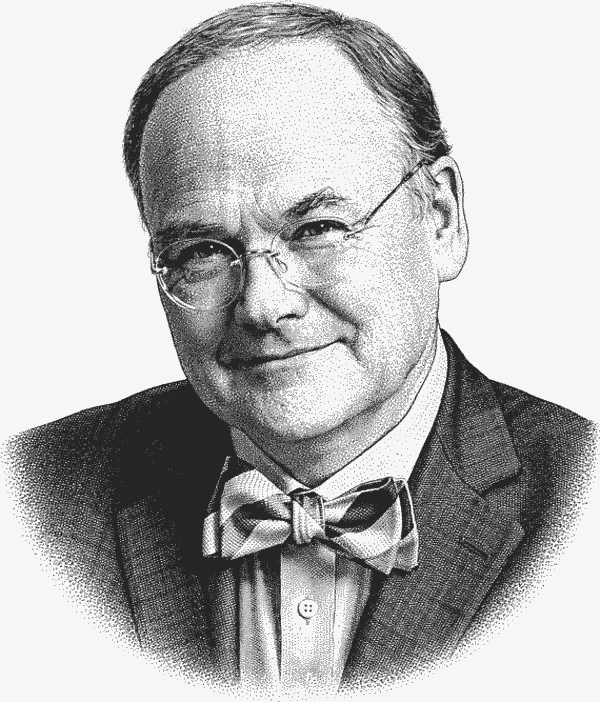
Brett Owens quote portrait about saving, investing

Brett Owens

It's possible to collect generous payouts and grow your principal at the same time.

Source:

Core idea

The core idea is that smart income investing can deliver substantial, reliable cash payouts while the underlying investments appreciate, allowing you to enjoy current income and long-term wealth growth simultaneously.

Practical application

Apply this by targeting strong, cash-generating businesses or funds that steadily raise payouts, reinvesting surplus income so your dividend checks and portfolio value grow together over time.

Why it matters

This quote reveals the powerful insight that investors do not need to choose between income and growth; disciplined, high-quality income strategies can compound both simultaneously.
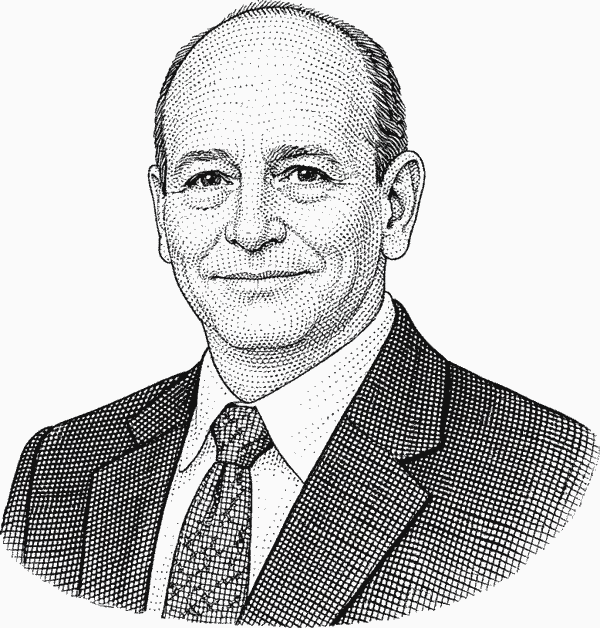
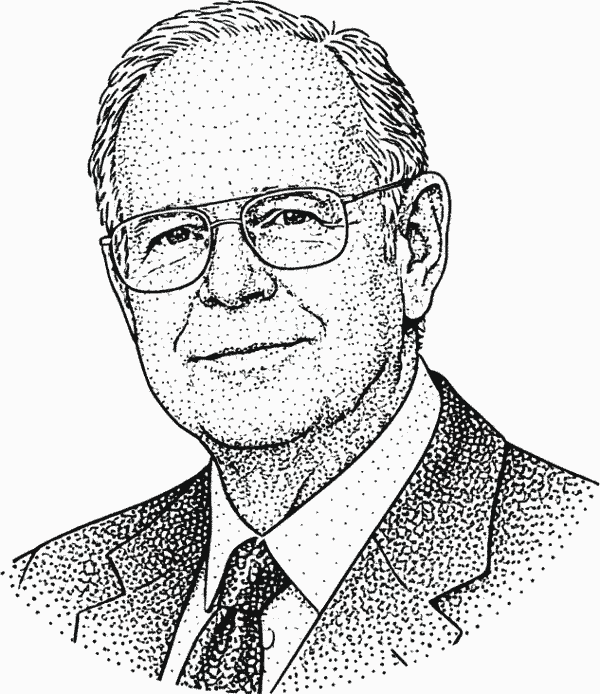
Benjamin Graham quote portrait about risk, investing

Benjamin Graham

The essence of investment management is the management of risks, not the management of returns.

Source: The Intelligent Investor

Core idea

Successful investing focuses on carefully controlling potential losses and uncertainties, because protecting capital and avoiding ruin matters more for long-term success than chasing the highest possible returns.

Practical application

Apply this by prioritizing diversification, margin of safety, and avoiding big permanent losses, so your portfolio can compound steadily instead of gambling on risky, unpredictable high-return bets.

Why it matters

True investment wisdom is recognizing that survival and preservation of capital, through disciplined risk control, ultimately generate more reliable long-term wealth than aggressively pursuing maximum returns.

Joel Greenblatt quote portrait about investing

Joel Greenblatt

Investing is not about being right all the time.

Source: The Little Book That Beats the Market

Core idea

Long-term investment success comes from a sound, repeatable process and favorable odds, not from correctly predicting every outcome or being right on each individual stock.

Practical application

Apply this by focusing on a disciplined, repeatable strategy with positive odds, accepting some losses as normal instead of constantly chasing perfect stock picks or short-term wins.

Why it matters

The special insight is that consistent wealth comes from a repeatable process with positive expected returns, not from flawless predictions or being right on every individual investment decision.

Warren Buffett quote portrait about investing, psychology

Warren Buffett

We don't need activity.

Source: Berkshire Hathaway Letters

Core idea

Buffett emphasizes patient, disciplined investing, arguing that frequent trading and constant activity often hurt returns; real success comes from thoughtful decisions, long holding periods, and avoiding unnecessary moves.

Practical application

Apply Buffetts quote by resisting the urge to trade constantly; instead, research carefully, buy quality businesses, hold them patiently, and let compounding quietly build your long-term wealth.

Why it matters

The special insight is that disciplined inaction can be more powerful than constant effort; patiently holding well-chosen investments often outperforms frenetic trading and the illusion of productive busyness.

Seth Klarman quote portrait about markets, investing

Seth Klarman

Many unsuccessful investors regard the stock market as a way to make money without working rather than as a way to invest capital in order to earn a decent return.

Source: Margin of Safety

Core idea

Investing is about soberly allocating capital for reasonable long-term returns, not treating the stock market as an easy, effortless shortcut to quick wealth without real work.

Practical application

Apply this by treating every investment as a business decision: study fundamentals, demand a margin of safety, expect modest long-term returns, and never confuse speculation with genuine investing.

Why it matters

The special insight is that true investing requires disciplined analysis and realistic expectations, while chasing effortless, rapid profits turns the stock market into a dangerous substitute for real work.

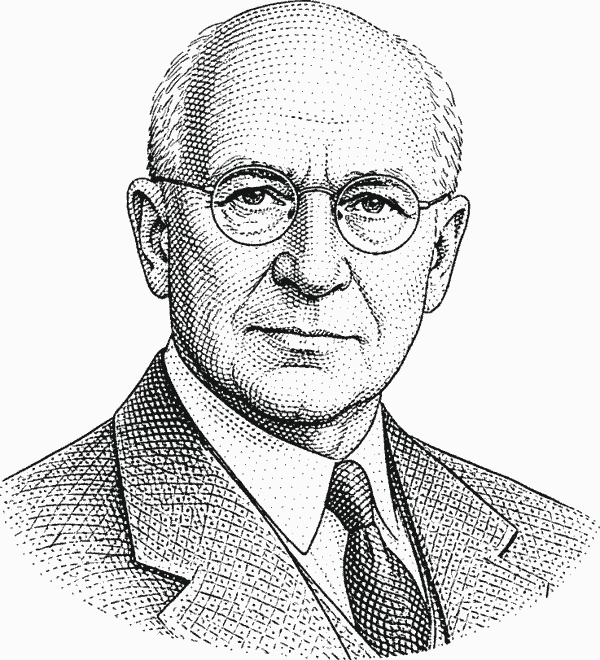
Charlie Munger quote portrait about investing

Charlie Munger

Most money is made from a few good decisions.

Source: Art of Stock Picking

Core idea

Wealth usually comes from a small number of unusually good, patient decisions, not from constant activity, so focus on rare high-quality opportunities and avoid frequent impulsive choices.

Practical application

As an investor, concentrate on patiently spotting a few exceptional businesses, invest meaningfully when odds are clearly in your favor, then sit tight instead of constantly trading or chasing noise.

Why it matters

Enduring wealth stems from recognizing that a tiny fraction of carefully chosen, high-conviction decisions drives most results, making disciplined selectivity far more powerful than constant, scattered effort.

Peter Lynch quote portrait about investing

Peter Lynch

Far more money has been lost by investors trying to anticipate corrections, than lost in the corrections themselves.

Source: Speeches / Essays

Core idea

Trying to time market downturns usually causes investors to miss gains or sell too early, ultimately losing more money than simply staying invested through normal market corrections.

Practical application

Apply it by staying invested in quality assets, following a long-term plan, and avoiding emotional market timing that often destroys more wealth than normal downturns ever do.

Why it matters

The insight is that defensive market timing driven by fear often inflicts greater long-term damage than enduring routine declines, so discipline and consistent participation usually outperform tactical exit strategies.

Benjamin Graham & David Dodd quote portrait about markets, investing

Benjamin Graham & David Dodd

As long as the market is rising, trading can seem lucrative. But essentially it is speculating, not investing.

Source: Security Analysis

Core idea

Riding a rising market by frequent trading may look profitable, but without careful analysis of underlying value it is mere speculation, not true long-term investing.

Practical application

In real life, focus on studying businesses and buying below intrinsic value, instead of chasing quick gains in a rising market, to build durable, less risky wealth.

Why it matters

True investing demands valuation-based discipline; profiting from a rising market without analyzing intrinsic worth is just speculation disguised as skill and leaves you exposed when conditions reverse.

David Booth quote portrait about investing

David Booth

The most important thing about an investment philosophy is that you have one.

Source: Speeches / Essays

Core idea

An investment philosophy gives you a consistent framework for making decisions, staying disciplined through market ups and downs, and avoiding emotional, impulsive choices that undermine long-term results.

Practical application

Apply this by writing down a simple, rules-based investment plan and committing to follow it consistently, especially during market stress, instead of reacting emotionally to headlines or price swings.

Why it matters

The special insight is that a clear, predefined investment philosophy acts as a stabilizing compass, preventing emotional decision-making and supporting rational, long-term wealth-building through all market conditions.

Donald Trump quote portrait about investing, long-term

Donald Trump

Experience taught me a few things. One is to listen to your gut, no matter how good something sounds on paper. The second is that you're generally better off sticking with what you know. And the third is that sometimes your best investments are the ones you don't make.

Source: Speeches / Essays

Core idea

Trust intuition over theory, rely on proven strengths, and recognize that disciplined restraint and opportunities you decline can be as valuable as the investments you choose.

Practical application

Apply this by double-checking numbers against your gut, focusing capital where you have an edge, and remembering that patiently saying no often protects and grows wealth.

Why it matters

True wisdom in investing is balancing analysis with intuition, concentrating on familiar strengths, and realizing that disciplined inaction and missed deals can be the most profitable moves.

George Soros quote portrait about investing

George Soros

If investing is entertaining, if you're having fun, you're probably not making any money. Good investing is boring.

Source: Speeches / Essays

Core idea

Successful investing relies on disciplined, methodical decisions based on analysis and risk management, not excitement or entertainment; profitable strategies usually feel routine, cautious, and even boring.

Practical application

To become a better investor, embrace consistent research, patience, and risk control, realizing that slow, steady, and sometimes boring decisions usually build the most reliable long-term wealth.

Why it matters

The insight is that emotional excitement and constant action often signal poor discipline, while dull, systematic investing habits quietly compound into sustainable wealth and reduced long-term risk.

Carlos Slim quote portrait about investing

Carlos Slim

Anyone who is not investing now is missing a tremendous opportunity.

Source: Speeches / Essays

Core idea

The core idea is that periods of uncertainty or change create rare chances to build wealth, so delaying investment means forfeiting significant future gains and financial growth.

Practical application

Apply this by steadily investing during uncertainty instead of waiting for perfect conditions; disciplined action now lets you buy quality assets cheaper and compound gains others miss.

Why it matters

The special insight is that hesitation during turbulent times destroys future wealth, while decisive investing now captures rare discounts and long-term compounding others are too fearful to seize.

Christopher Davis quote portrait about markets, investing

Christopher Davis

A 10% decline in the market is fairly common, it happens about once a year. Investors who realize this are less likely to sell in a panic, and more likely to remain invested, benefitting from the wealthbuilding power of stocks.

Source: Speeches / Essays

Core idea

Market drops of around 10 percent are normal and frequent, so staying invested instead of panicking helps investors capture long-term stock market growth and wealth-building potential.

Practical application

When markets drop around 10%, remember it is normal; stick to your plan, avoid emotional selling, and stay invested to benefit from long-term stock market growth.

Why it matters

The special insight is that normal, recurring 10 percent market declines test emotions more than fundamentals, so disciplined investors who stay invested can better harness long-term compounding.

Howard Marks quote portrait about investing, risk

Howard Marks

You can't predict, but you can prepare.

Source: Memos

Core idea

The core idea is that the future is inherently uncertain, so instead of trying to forecast outcomes, focus on resilience, risk management, and flexible positioning to handle many possible scenarios.

Practical application

Instead of guessing market moves, build resilient portfolios, control risk, hold cash buffers, and stay flexible so you can adapt rationally to many possible futures.

Why it matters

Its special insight is that durable success comes less from accurate forecasts than from structuring your finances, behavior, and options to survive and benefit across many unpredictable futures.

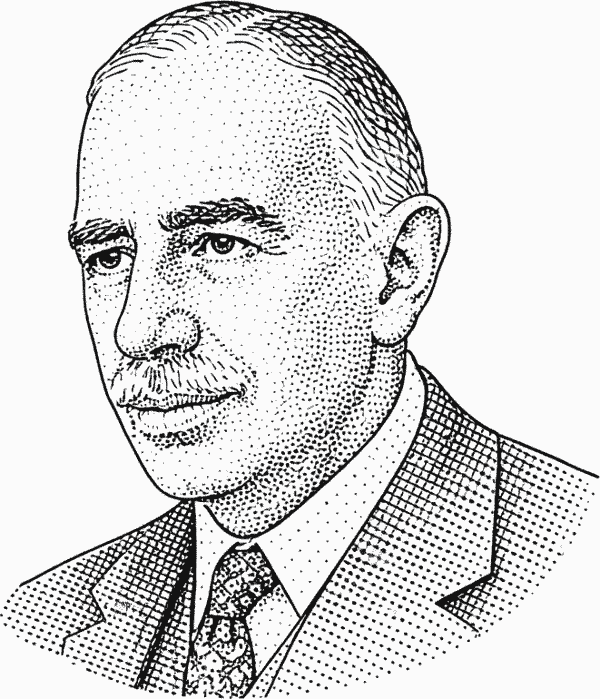
John Maynard Keynes quote portrait about markets, investing

John Maynard Keynes

If farming were to be organised like the stock market, a farmer would sell his farm in the morning when it was raining, only to buy it back in the afternoon when the sun came out.

Source: Speeches / Essays

Core idea

Keynes warns that if long-term activities like farming mimicked short-term stock trading, irrational day-to-day mood swings would dominate decisions, undermining stability and productive investment.

Practical application

To be a better investor, treat your portfolio like a farm: focus on long-term harvests, not reacting to every daily weather change in prices or market sentiment.

Why it matters

Keynes insightfully exposes how short-term market psychology can hijack rational judgment, urging investors to resist daily volatility and instead prioritize patient, long-term value creation.

Michael Foster quote portrait about markets, investing

Michael Foster

The market's mistakes are our income stream - if we're willing to step in when others step out.

Source:

Core idea

Profit comes from calmly buying quality assets when fear drives other investors to sell, turning temporary market mispricing and emotional overreactions into long-term income opportunities.

Practical application

Apply this by creating a watchlist of strong, income-producing assets, then steadily buy them on scary selloffs instead of panicking, focusing on long-term cash flow, not short-term price swings.

Why it matters

The insight is that disciplined investors can systematically convert others emotional, short-sighted selling into reliable long-term income by buying fundamentally strong assets precisely when they are most undervalued.

Christopher Volk quote portrait about saving, investing

Christopher Volk

Most great fortunes are built through business ownership.

Source: Speeches / Essays

Core idea

The quote emphasizes that truly substantial wealth usually comes from owning and scaling businesses, not from wages or passive investing, highlighting entrepreneurship as the primary path to major fortunes.

Practical application

As an aspiring investor, remember that the biggest returns often come from owning and growing businesses directly, so prioritize equity in scalable enterprises over relying solely on stocks or salaries.

Why it matters

The insight is that transformative wealth usually flows to those who own and scale businesses, making entrepreneurial equity more powerful than wages or passive investments for building great fortunes.

Shelby Davis quote portrait about investing, long-term

Shelby Davis

Invest for the long haul. Don't get too greedy and don't get too scared.

Source: Speeches / Essays

Core idea

The core idea is to stay committed to long-term investing, maintaining emotional balance by avoiding excessive greed during booms and excessive fear during downturns.

Practical application

In real life, follow a consistent long-term plan, keep investing through ups and downs, and avoid emotional decisions driven by hot tips, market euphoria, or scary headlines.

Why it matters

It highlights that emotional discipline, not just stock selection, is the real edge in long-term investing, since resisting greed and fear preserves compounding and rational decision-making.

Debasish Mridha quote portrait about investing

Debasish Mridha

He who earns and does not invest will have to work for the rest of his life.

Source: Speeches / Essays

Core idea

Financial independence requires investing, not just earning; without investing, people must continually trade their time and labor for money, never achieving lasting security or freedom.

Practical application

To be a better investor, treat each paycheck as seed capital: automatically invest a portion so your money works for you, reducing lifelong dependence on active work.

Why it matters

True wealth comes from transforming earned income into growing assets, so your money eventually works harder than you do, freeing you from perpetual dependence on active labor.

Dave Ramsey quote portrait about investing

Dave Ramsey

Financial peace isn't the acquisition of stuff. It's learning to live on less than you make, so you can give money back and have money to invest. You can't win until you do this.

Source: Speeches / Essays

Core idea

True financial peace comes from consistently spending less than you earn, enabling generous giving, wise investing, and long-term stability rather than chasing possessions or lifestyle upgrades.

Practical application

As an aspiring investor, first master living below your means; the surplus becomes steady fuel for long-term investing, compounding returns, and freedom from chasing status or short-term thrills.

Why it matters

Financial peace is a behavioral discipline: deliberately spending less than you earn turns surplus into a reliable engine for generosity, investment, and durable, non-material security.

Bernard Baruch quote portrait about investing

Bernard Baruch

I made my money by selling too soon.

Source: Speeches / Essays

Core idea

The core idea is that disciplined investors protect gains and avoid devastating losses by exiting profitable positions early instead of greedily waiting for the absolute peak.

Practical application

Apply this by setting clear profit targets, regularly taking partial profits, and resisting greed, so you lock in gains instead of holding too long and suffering avoidable losses.

Why it matters

The special insight is that enduring investment success comes from disciplined profit-taking and risk control, not perfectly timing tops, because avoiding large losses matters more than capturing every last gain.

Sam Zell quote portrait about risk, investing

Sam Zell

If you have got a big downside and a small upside, run the other way.

Source: Am I Being Too Subtle

Core idea

Focus relentlessly on asymmetry: avoid any deal where potential losses greatly exceed plausible gains, and pursue only opportunities with limited downside and substantial, realistic upside.

Practical application

As an investor, treat every decision like Zell advises: rigorously quantify downside vs upside, refuse skewed bets, and concentrate capital only where probable gains vastly outweigh realistic risks.

Why it matters

The special insight is disciplined asymmetry: consistently reject negative skew, protect against ruin, and concentrate only in situations where realistic upside dwarfs clearly bounded downside.

Jim Cramer quote portrait about investing, long-term

Jim Cramer

As long as you enjoy investing, you'll be willing to do the homework and stay in the game.

Source: Speeches / Essays

Core idea

Enjoyment fuels persistence in investing; when you truly like the process, you willingly do the research, learn continuously, and stay committed through market ups and downs.

Practical application

If you can learn to genuinely enjoy studying businesses and markets, you will naturally keep researching, improving, and staying invested even when volatility or setbacks make others quit.

Why it matters

True investing edge comes from loving the process itself, because genuine enjoyment sustains the curiosity, discipline, and resilience needed to outlast market noise and emotional fatigue.

Jack Bogle quote portrait about investing

Jack Bogle

Your success in investing will depend in part on your character and guts and in part on your ability to realize, at the height of ebullience and the depth of despair alike, that this too, shall pass.

Source: Speeches / Essays

Core idea

Investment success requires emotional resilience and long-term perspective, staying disciplined through market booms and crashes by remembering that extreme conditions are temporary and will eventually normalize.

Practical application

When markets surge or crash, pause, recall that extremes fade, and stick to your long-term plan instead of reacting emotionally, so your discipline, not headlines, guides decisions.

Why it matters

The special insight is that investing success hinges more on mastering your emotions and maintaining perspective through extremes than on predicting markets or finding superior strategies.

Doug K. Le Du quote portrait about investing

Doug K. Le Du

In the world of investing, having more knowns before you invest is a huge advantage.

Source: , 5th Edition

Core idea

Carefully gathering clear, reliable information before investing reduces uncertainty, improves decision quality, and significantly increases the odds of achieving better, more consistent long-term investment results.

Practical application

Before you invest, deliberately gather solid facts about companies, risks, and valuations so you act on evidence, not guesswork, steadily boosting your long-term investing success.

Why it matters

The quote highlights that systematically reducing uncertainty through verifiable information transforms investing from speculation into a disciplined process that compounds small informational edges into superior long-term results.

Frequently asked questions

How Readers Can Use Investing Quotes Well

What makes a investing quote worth revisiting?

The best investing quotes compress a durable principle into a sentence or two and remain useful across cycles.

How should I use quotes like these in real life?

Use them as prompts for process rather than slogans. A good quote becomes valuable when it changes how you study a business, value risk, or respond to volatility.

Why do so many of these quotes focus on temperament?

Because behavior often determines results. Knowing the right principle is not enough if fear, greed, impatience, or overconfidence push you to act badly.

What is the most useful way to study a page like this?

Read slowly, compare themes, and decide which idea belongs on your own checklist. The value is not in memorizing every line, but in applying the best ones consistently.

Which investors appear most often in collections like this?

Readers often see recurring insights from Warren Buffett, Benjamin Graham, Charlie Munger, Peter Lynch, Seth Klarman, Howard Marks, and other durable thinkers.

Are these quotes investment advice?

No. They are educational material meant to help readers think more clearly about business and investing principles.

Why pair each quote with commentary?

Context turns a memorable sentence into a usable tool. Commentary helps readers understand the principle, apply it, and avoid treating it as a bumper sticker.