Contrarian Investing

10 Contrarian Investing Quotes About Thinking Independently

The best contrarian investing survive because they condense long experience into language you can remember when judgment matters most. This collection focuses on enduring ideas around contrarian investing, consensus, independent thinking, out of favor, not as slogans to admire from a distance, but as working principles that can improve how readers analyze businesses, think about markets, and make decisions over time. A truly useful quote does more than sound wise. It clarifies what deserves attention when headlines become noisy, prices become emotional, or a complex decision needs to be reduced to first principles. That is why serious investors and business builders keep returning to memorable lines from disciplined thinkers. They use them to sharpen checklists, reinforce patience, and remember what usually matters more than the latest market move. Each quote on this page is paired with context, practical application, and a deeper explanation so the lesson does not remain abstract. Read these selections slowly. Ask what each one implies about process, valuation, risk, incentives, or temperament. The goal is not to collect clever sentences. The goal is to build a sturdier mental framework for acting well under pressure. Over time, the readers who benefit most from pages like this are the ones who revisit durable ideas until they become habits. Capital compounds, but so does judgment. Returning to the right ideas again and again is one way thoughtful readers improve both.

Featured collection

10 Ideas Worth Revisiting

A curated set of 10 quotes, each paired with context, practical application, and deeper insight.

1 of 10
I'm a contrarian at heart - but sometimes even contrarians follow the data.

Core idea

Even a natural contrarian must occasionally accept consensus, because genuine independence means following objective evidence and data, not resisting popular opinion merely for the sake of opposition.

Practical application

To be a better investor, question the crowd but let hard data override your bias, so you are independently minded without blindly opposing every popular market view.

Why it matters

True contrarian wisdom is not automatic opposition, but disciplined independence: relentlessly question consensus, yet ultimately submit to clear, compelling data when it challenges your preferred narrative.


Value is not a number - it's an opinion. When optimism prevails, prices can exceed value. When pessimism dominates, prices can fall below value.

Core idea

Value is subjective and shifts with investor psychology; market prices swing above or below true worth depending on prevailing optimism or pessimism, so price and value often diverge.

Practical application

Use this quote by constantly asking what assumptions and emotions drive current prices, then buy only when your independent estimate of value comfortably exceeds the market price.

Why it matters

The quote reveals that value is a moving target shaped by crowd psychology, so disciplined investors can profit by exploiting emotional mispricings between perception and underlying worth.

If farming were to be organised like the stock market, a farmer would sell his farm in the morning when it was raining, only to buy it back in the afternoon when the sun came out.

Core idea

Keynes warns that if long-term activities like farming mimicked short-term stock trading, irrational day-to-day mood swings would dominate decisions, undermining stability and productive investment.

Practical application

To be a better investor, treat your portfolio like a farm: focus on long-term harvests, not reacting to every daily weather change in prices or market sentiment.

Why it matters

Keynes insightfully exposes how short-term market psychology can hijack rational judgment, urging investors to resist daily volatility and instead prioritize patient, long-term value creation.

The best income opportunities appear when the crowd is looking the other way.

Core idea

True income opportunities often emerge in undervalued, overlooked assets, so investors willing to go against popular opinion can capture higher yields before the crowd eventually notices.

Practical application

Apply this by researching solid but unpopular dividend payers, buying when sentiment is negative yet fundamentals are strong, then holding as prices and yields normalize when others finally notice.

Why it matters

This quote reveals that durable income edges arise from exploiting emotional crowd mispricing, where fear and neglect temporarily depress quality assets and boost prospective yields for contrarian investors.

Acting with the crowd ensures an acceptable mediocrity; acting independently runs the risk of unacceptable underperformance.

Core idea

Following the crowd in investing usually yields average, safer results, while truly independent thinking can produce superior gains but also dangerously poor, career-threatening underperformance.

Practical application

To be a better investor, accept occasional uncomfortable underperformance from independent decisions, or you will remain safely average by always hugging the benchmark and following the crowd.

Why it matters

True investing skill demands courage to stray from consensus; without tolerating painful, career-risking underperformance, you forfeit the possibility of truly superior, above-average long-term results.

I was unwilling to be conventional.

Core idea

True success often requires rejecting safe, conventional paths, embracing independent thinking, and taking calculated risks that others avoid in order to create distinctive opportunities and outsized results.

Practical application

To become a better investor, deliberately question consensus, hunt for overlooked opportunities, and take calculated, research-backed risks instead of blindly following conventional, comfortable market wisdom.

Why it matters

True success demands disciplined nonconformity: thinking independently, resisting herd comfort, and pursuing well-researched, asymmetric risks where others are too timid, distracted, or conventional to look.

While some might mistakenly consider value investing a mechanical tool for identifying bargains, it is actually a comprehensive investment philosophy that emphasizes the need to perform in-depth fundamental analysis, pursue long-term investment results, limit risk, and resist crowd psychology.

Core idea

Value investing is not just buying cheap stocks; it is a full discipline of deep analysis, patience, risk control, and independent thinking against prevailing market sentiment.

Practical application

Apply this by studying businesses in depth, waiting patiently for clear mispricing, sizing positions conservatively, and sticking to your analysis even when the market disagrees.

Why it matters

The special insight is that true value investing is a rigorous, discipline-driven mindset integrating analysis, patience, risk management, and independent judgment, not a simple formula for buying statistically cheap stocks.

You are neither right nor wrong because the crowd disagrees with you.

Core idea

The quote means your investment decisions are judged by their underlying analysis and long-term results, not by whether most people agree or disagree with you at the moment.

Practical application

Apply this by building a sound, well-researched strategy, then sticking to it despite market noise; focus on process and long-term outcomes, not short-term popularity or consensus.

Why it matters

Grahams insight is that true investment wisdom lies in independently grounded analysis and discipline, where correctness is proven by long-term outcomes, not by popular opinion or market consensus.

Do not follow the crowd.

Core idea

Consensus thinking leads to average results.

Practical application

Think independently - even when uncomfortable.

Why it matters

Great opportunities often feel wrong at first.

Quite simply, a few hours spent at the feet of the master proved far more valuable to me than had ten years of supposedly original thinking.

Core idea

Learning directly from a true expert can compress decades of trial-and-error, making humble listening and mentorship far more valuable than long, isolated independent thinking.

Practical application

If you want to be a better investor, humbly study proven masters and their mistakes; their hard won lessons can save you decades of costly trial and error.

Why it matters

The insight is that genuine expertise is a time machine: by listening humbly to true masters, you can inherit decades of experience and avoid years of avoidable, painful mistakes.

What these quotes have in common

Key Ideas Behind Contrarian Investing

What this page emphasizes

These selections keep returning to contrarian investing, practical judgment, and the habit of separating noise from durable business reality.

How to use this page

Treat each quotation as a prompt for process. Ask what it changes about your checklist, your valuation discipline, or the way you respond to uncertainty.

Full collection

Read Every Quote with Context

For readers who prefer to study rather than skim, here is the complete set in a clean reading format.

Michael Foster quote portrait about contrarian

Michael Foster

I'm a contrarian at heart - but sometimes even contrarians follow the data.

Source:

Core idea

Even a natural contrarian must occasionally accept consensus, because genuine independence means following objective evidence and data, not resisting popular opinion merely for the sake of opposition.

Practical application

To be a better investor, question the crowd but let hard data override your bias, so you are independently minded without blindly opposing every popular market view.

Why it matters

True contrarian wisdom is not automatic opposition, but disciplined independence: relentlessly question consensus, yet ultimately submit to clear, compelling data when it challenges your preferred narrative.
Howard Marks quote portrait about investing, psychology

Howard Marks

Value is not a number - it's an opinion. When optimism prevails, prices can exceed value. When pessimism dominates, prices can fall below value.

Source: Memos

Core idea

Value is subjective and shifts with investor psychology; market prices swing above or below true worth depending on prevailing optimism or pessimism, so price and value often diverge.

Practical application

Use this quote by constantly asking what assumptions and emotions drive current prices, then buy only when your independent estimate of value comfortably exceeds the market price.

Why it matters

The quote reveals that value is a moving target shaped by crowd psychology, so disciplined investors can profit by exploiting emotional mispricings between perception and underlying worth.

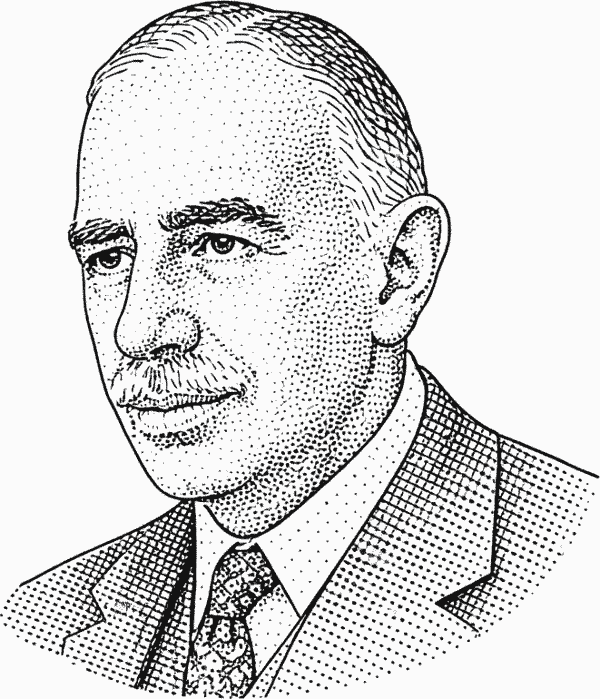
John Maynard Keynes quote portrait about markets, investing

John Maynard Keynes

If farming were to be organised like the stock market, a farmer would sell his farm in the morning when it was raining, only to buy it back in the afternoon when the sun came out.

Source: Speeches / Essays

Core idea

Keynes warns that if long-term activities like farming mimicked short-term stock trading, irrational day-to-day mood swings would dominate decisions, undermining stability and productive investment.

Practical application

To be a better investor, treat your portfolio like a farm: focus on long-term harvests, not reacting to every daily weather change in prices or market sentiment.

Why it matters

Keynes insightfully exposes how short-term market psychology can hijack rational judgment, urging investors to resist daily volatility and instead prioritize patient, long-term value creation.

Brett Owens quote portrait about investing, contrarian

Brett Owens

The best income opportunities appear when the crowd is looking the other way.

Source:

Core idea

True income opportunities often emerge in undervalued, overlooked assets, so investors willing to go against popular opinion can capture higher yields before the crowd eventually notices.

Practical application

Apply this by researching solid but unpopular dividend payers, buying when sentiment is negative yet fundamentals are strong, then holding as prices and yields normalize when others finally notice.

Why it matters

This quote reveals that durable income edges arise from exploiting emotional crowd mispricing, where fear and neglect temporarily depress quality assets and boost prospective yields for contrarian investors.

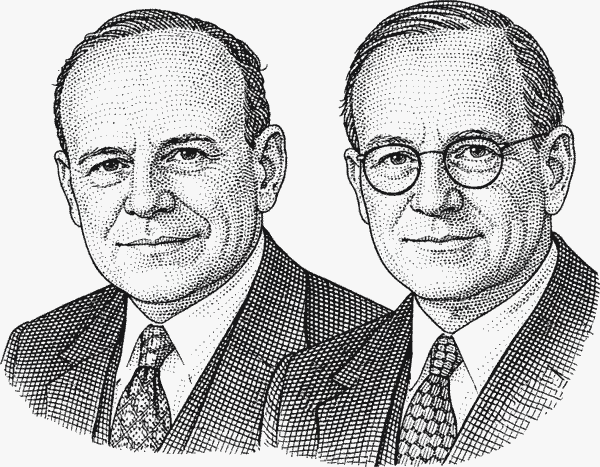
Benjamin Graham & David Dodd quote portrait about risk

Benjamin Graham & David Dodd

Acting with the crowd ensures an acceptable mediocrity; acting independently runs the risk of unacceptable underperformance.

Source: Security Analysis

Core idea

Following the crowd in investing usually yields average, safer results, while truly independent thinking can produce superior gains but also dangerously poor, career-threatening underperformance.

Practical application

To be a better investor, accept occasional uncomfortable underperformance from independent decisions, or you will remain safely average by always hugging the benchmark and following the crowd.

Why it matters

True investing skill demands courage to stray from consensus; without tolerating painful, career-risking underperformance, you forfeit the possibility of truly superior, above-average long-term results.

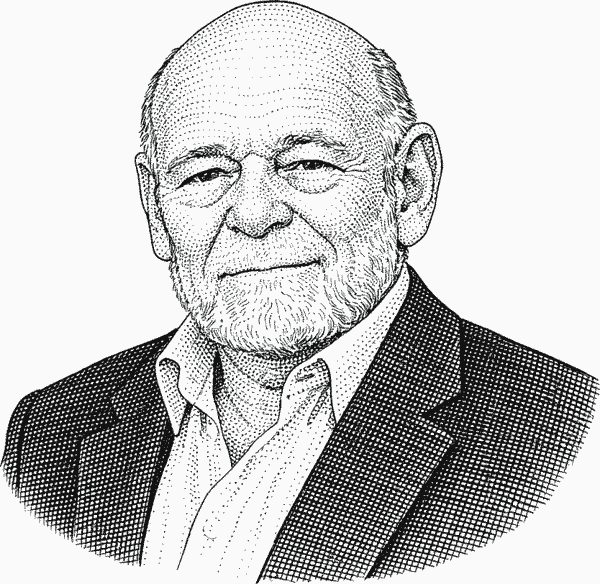
Sam Zell quote portrait about business

Sam Zell

I was unwilling to be conventional.

Source: Am I Being Too Subtle

Core idea

True success often requires rejecting safe, conventional paths, embracing independent thinking, and taking calculated risks that others avoid in order to create distinctive opportunities and outsized results.

Practical application

To become a better investor, deliberately question consensus, hunt for overlooked opportunities, and take calculated, research-backed risks instead of blindly following conventional, comfortable market wisdom.

Why it matters

True success demands disciplined nonconformity: thinking independently, resisting herd comfort, and pursuing well-researched, asymmetric risks where others are too timid, distracted, or conventional to look.

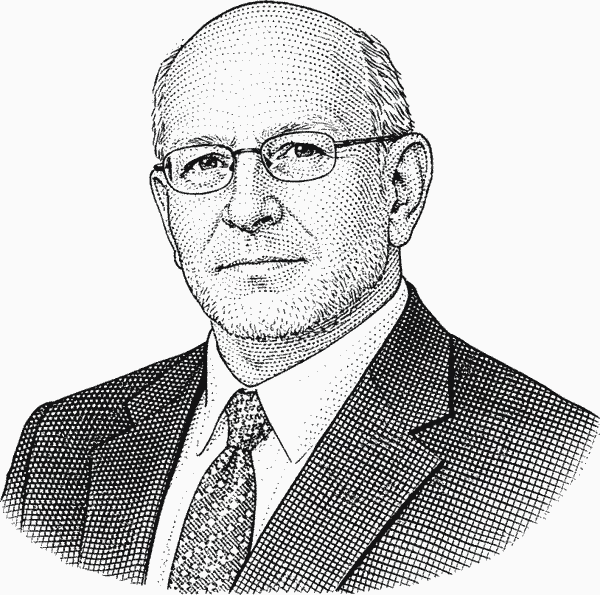
Seth Klarman quote portrait about risk, valuation

Seth Klarman

While some might mistakenly consider value investing a mechanical tool for identifying bargains, it is actually a comprehensive investment philosophy that emphasizes the need to perform in-depth fundamental analysis, pursue long-term investment results, limit risk, and resist crowd psychology.

Source: Margin of Safety

Core idea

Value investing is not just buying cheap stocks; it is a full discipline of deep analysis, patience, risk control, and independent thinking against prevailing market sentiment.

Practical application

Apply this by studying businesses in depth, waiting patiently for clear mispricing, sizing positions conservatively, and sticking to your analysis even when the market disagrees.

Why it matters

The special insight is that true value investing is a rigorous, discipline-driven mindset integrating analysis, patience, risk management, and independent judgment, not a simple formula for buying statistically cheap stocks.

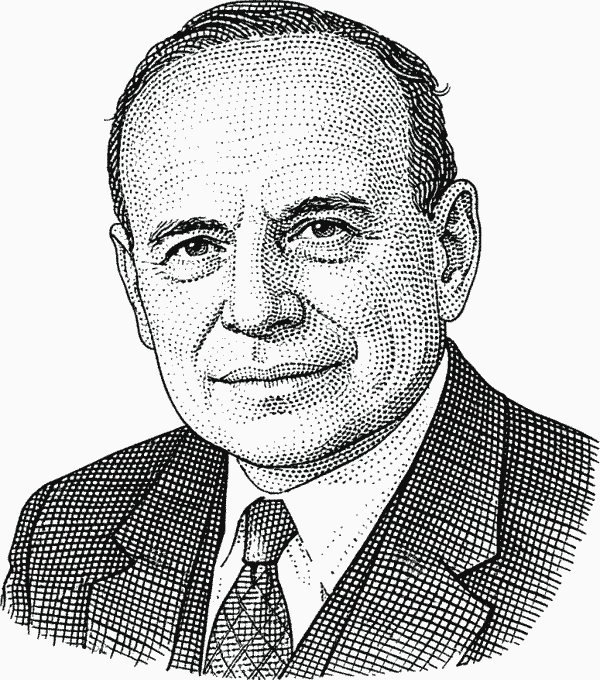
Benjamin Graham quote portrait about psychology

Benjamin Graham

You are neither right nor wrong because the crowd disagrees with you.

Source: The Intelligent Investor

Core idea

The quote means your investment decisions are judged by their underlying analysis and long-term results, not by whether most people agree or disagree with you at the moment.

Practical application

Apply this by building a sound, well-researched strategy, then sticking to it despite market noise; focus on process and long-term outcomes, not short-term popularity or consensus.

Why it matters

Grahams insight is that true investment wisdom lies in independently grounded analysis and discipline, where correctness is proven by long-term outcomes, not by popular opinion or market consensus.

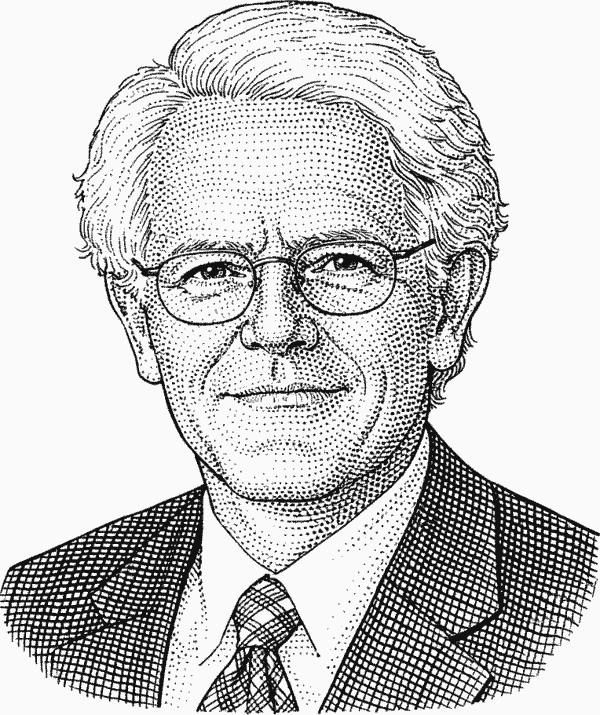
Peter Lynch quote portrait about psychology, investing

Peter Lynch

Do not follow the crowd.

Source: Beating the Street

Core idea

Consensus thinking leads to average results.

Practical application

Think independently - even when uncomfortable.

Why it matters

Great opportunities often feel wrong at first.

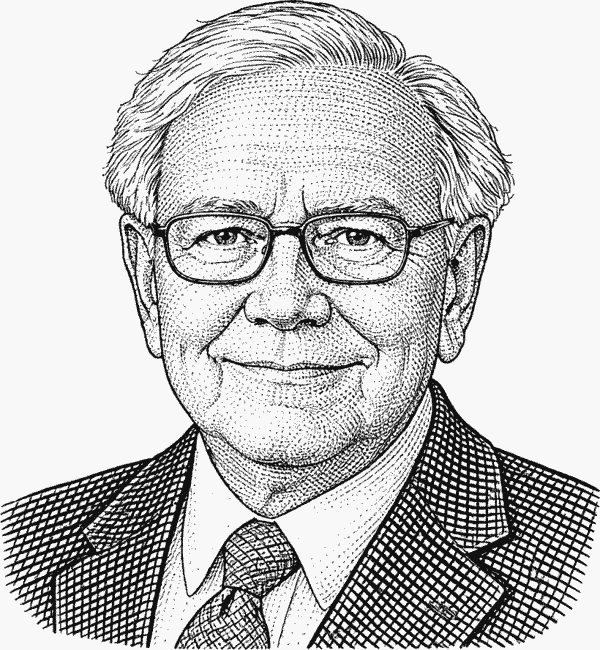
Warren Buffett quote portrait about psychology

Warren Buffett

Quite simply, a few hours spent at the feet of the master proved far more valuable to me than had ten years of supposedly original thinking.

Source: Berkshire Hathaway Letters

Core idea

Learning directly from a true expert can compress decades of trial-and-error, making humble listening and mentorship far more valuable than long, isolated independent thinking.

Practical application

If you want to be a better investor, humbly study proven masters and their mistakes; their hard won lessons can save you decades of costly trial and error.

Why it matters

The insight is that genuine expertise is a time machine: by listening humbly to true masters, you can inherit decades of experience and avoid years of avoidable, painful mistakes.

Frequently asked questions

How Readers Can Use Contrarian Investing Well

What makes a contrarian investing worth revisiting?

The best contrarian investing compress a durable principle into a sentence or two and remain useful across cycles.

How should I use quotes like these in real life?

Use them as prompts for process rather than slogans. A good quote becomes valuable when it changes how you study a business, value risk, or respond to volatility.

Why do so many of these quotes focus on temperament?

Because behavior often determines results. Knowing the right principle is not enough if fear, greed, impatience, or overconfidence push you to act badly.

What is the most useful way to study a page like this?

Read slowly, compare themes, and decide which idea belongs on your own checklist. The value is not in memorizing every line, but in applying the best ones consistently.

Which investors appear most often in collections like this?

Readers often see recurring insights from Warren Buffett, Benjamin Graham, Charlie Munger, Peter Lynch, Seth Klarman, Howard Marks, and other durable thinkers.

Are these quotes investment advice?

No. They are educational material meant to help readers think more clearly about business and investing principles.

Why pair each quote with commentary?

Context turns a memorable sentence into a usable tool. Commentary helps readers understand the principle, apply it, and avoid treating it as a bumper sticker.