Author Collection

Seth Klarman Quotes on Investing, Business, and Decision-Making

Seth Klarman remains worth reading because the best lines from durable thinkers continue to clarify what matters when markets, businesses, and emotions get noisy. This page gathers 59 quotations from Seth Klarman, paired with context so readers can move beyond admiration into application. The recurring themes here include investing, valuation, markets, long-term, but the deeper value is in the pattern of thought that ties them together. A strong quotation can become a compact checklist item: a reminder about valuation, patience, incentives, risk, or the difference between price movement and business reality. That is especially helpful with an author like Seth Klarman, whose ideas often reward rereading. Short lines become more useful when readers ask what habit, discipline, or mental model the quote is really defending. Each selection below is therefore paired with a core idea, practical application, and a short explanation of why it matters. Taken together, these notes turn the collection into more than a page of memorable lines. They make it a study guide for investors who want to strengthen judgment over time. Use this page to identify the recurring principles in Seth Klarman's thinking, compare them with your own process, and revisit them whenever the next difficult decision arrives.

Featured collection

12 Featured Seth Klarman Quotes

A curated set of 12 standout quotations from Seth Klarman, each paired with context, practical application, and deeper insight.

1 of 12
Investors should always keep in mind that the most important metric is not the returns achieved but the returns weighed against the risks incurred. Ultimately, nothing should be more important to investors than the ability to sleep soundly at night.

Core idea

Investment success is not just about high returns, but about earning them with prudent risk, preserving peace of mind and avoiding losses that threaten long-term financial security.

Practical application

In real life, apply this by choosing investments you understand, limiting downside risk, diversifying, and accepting modest returns if they let you stay invested and sleep well.

Why it matters

True investment wisdom is recognizing that sustainable, worry-free wealth comes not from chasing maximum returns, but from carefully controlling risk and prioritizing long-term capital preservation.
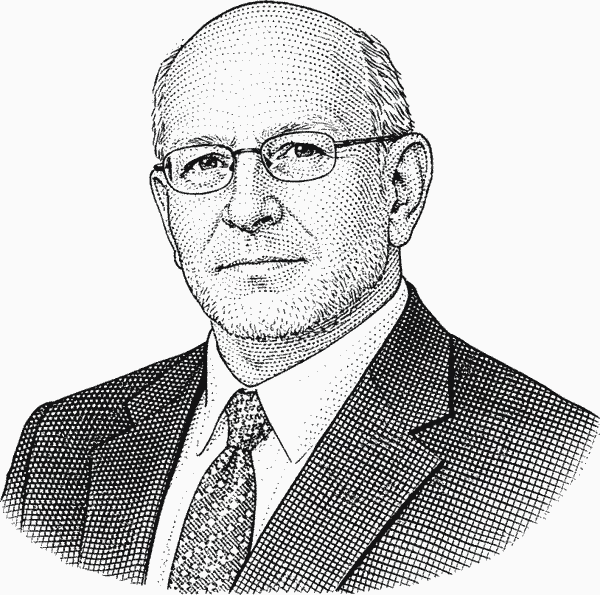
Sometimes buying early on the way down looks like being wrong, but it isn't.

Core idea

Klarman warns that value investors may appear wrong when buying falling stocks, yet such early purchases can be rational and profitable if based on sound intrinsic value analysis.

Practical application

Apply Klarman by buying solid businesses when prices fall below intrinsic value, accepting short-term pain and criticism in exchange for disciplined, research-based long-term gains.

Why it matters

The special insight is that value investing success often requires enduring temporary losses and outsider criticism when rational, research-based purchases are made before market prices reflect intrinsic value.

While it might seem that anyone can be a value investor, the essential characteristics of this type of investor-patience, discipline, and risk aversion-may well be genetically determined.

Core idea

Value investing is less about knowledge and more about inherent temperament; sustained success depends on inborn patience, discipline, and risk aversion that many people simply do not possess.

Practical application

To apply this, focus less on finding secret stock tips and more on training your temperament: enforce patience, strict buy criteria, and downside protection even when emotions scream otherwise.

Why it matters

The insight is that value investing success hinges less on superior analysis and more on a rare, stable temperament that consistently resists greed, fear, and crowd pressure.

The stock market is the story of cycles and of the human behavior that is responsible for overreactions in both directions.

Core idea

Markets move in recurring cycles driven less by fundamentals and more by emotional extremes, as investors repeatedly overreact with excessive optimism and then excessive pessimism.

Practical application

To be a better investor, study cycles and your own emotions, so you buy cautiously when others are euphoric and buy boldly when others are irrationally fearful.

Why it matters

True investment edge comes from recognizing that recurring market extremes are driven by human emotion, and positioning yourself rationally against the crowd at those turning points.

Generally, the greater the stigma or revulsion, the better the bargain.

Core idea

The biggest bargains in investing are often found in hated, stigmatized assets, because emotional revulsion scares most buyers away and pushes prices far below underlying intrinsic value.

Practical application

Apply this by calmly researching hated, neglected assets; if fundamentals are sound and risks understood, buy when others are disgusted and prices deeply discount intrinsic value.

Why it matters

Klarman highlights that emotional disgust creates extreme mispricing, so disciplined investors willing to analyze reviled assets rationally can capture outsized returns when fear has driven prices far below value.

Investing is the intersection of economics and psychology.

Core idea

Klarman means successful investing requires understanding both objective business fundamentals and subjective human behavior, because market prices reflect economic reality distorted by fear, greed, and cognitive biases.

Practical application

To become a better investor, study business fundamentals rigorously, but also recognize how fear, greed, and crowd psychology distort prices, creating opportunities when others overreact.

Why it matters

The special insight is that mispricings arise where hard economic facts meet irrational human behavior, so enduring investment edges come from mastering both analysis and crowd psychology.

Value investing is at its core the marriage of a contrarian streak and a calculator.

Core idea

Value investing means independently challenging market consensus while rigorously quantifying a companys worth, buying when careful analysis shows a meaningful gap between price and intrinsic value.

Practical application

Apply Klarman by training yourself to think independently, value businesses conservatively with numbers, and act only when the market price is clearly below your carefully estimated intrinsic value.

Why it matters

Klarman highlights that true value investing demands both skepticism of popular opinion and disciplined, quantitative valuation, exploiting mispricings only when evidence shows a clear margin of safety.

While some might mistakenly consider value investing a mechanical tool for identifying bargains, it is actually a comprehensive investment philosophy that emphasizes the need to perform in-depth fundamental analysis, pursue long-term investment results, limit risk, and resist crowd psychology.

Core idea

Value investing is not just buying cheap stocks; it is a full discipline of deep analysis, patience, risk control, and independent thinking against prevailing market sentiment.

Practical application

Apply this by studying businesses in depth, waiting patiently for clear mispricing, sizing positions conservatively, and sticking to your analysis even when the market disagrees.

Why it matters

The special insight is that true value investing is a rigorous, discipline-driven mindset integrating analysis, patience, risk management, and independent judgment, not a simple formula for buying statistically cheap stocks.

Value investing requires a great deal of hard work, unusually strict discipline, and a long-term investment horizon. Few are willing and able to devote sufficient time and effort to become value investors, and only a fraction of those have the proper mind-set to succeed.

Core idea

Successful value investing is rare because it demands intense effort, strict discipline, emotional resilience, and a long-term mindset that most people cannot or will not consistently maintain.

Practical application

To become a better investor, commit to deep research, strict rules, emotional control, and patience, knowing most people will not sustain this demanding long-term approach.

Why it matters

The insight is that value investing success comes from rare behavioral advantages - discipline, patience, and emotional resilience - not from secret information or superior intelligence.

Understanding the difference between investment and speculation is the first step in achieving investment success.

Core idea

Klarman stresses that successful investing begins by clearly distinguishing long-term, value-based ownership of assets from short-term, price-focused speculation driven by emotion and market fluctuations.

Practical application

Apply this by researching businesses, buying only when prices are below intrinsic value, and ignoring short-term market noise so decisions rest on facts, not emotion or prediction.

Why it matters

Klarman highlights that real investing is disciplined business ownership rooted in intrinsic value, while speculation is emotionally driven betting on price moves, risking capital without durable analytical grounding.

To investors stocks represent fractional ownership of underlying businesses and bonds are loans to those businesses.

Core idea

Klarman emphasizes that securities are not trading chips but direct claims on real businesses; investors should evaluate underlying business value, not short-term price movements or speculation.

Practical application

Apply this by analyzing what the business is worth, its cash flows and risks, before buying any stock or bond, and ignore short-term price noise and market hype.

Why it matters

The insight is that treating securities as real business stakes or loans anchors decisions in intrinsic value and risk, not in speculative price swings or market sentiment.

Investors buy securities that appear to offer attractive return for the risk incurred and sell when the return no longer justifies the risk.

Core idea

Investors should constantly weigh potential return against risk, buying only when compensation is attractive and selling once the reward no longer adequately offsets the dangers involved.

Practical application

In real life, apply this by estimating downside first, demanding a clear margin of safety, sizing positions conservatively, and trimming or exiting once risk rises faster than expected reward.

Why it matters

The special insight is that investing is a dynamic balance, requiring continual reassessment of risk versus reward rather than blind faith in initial valuations or long-term optimism.

Recurring themes

What Readers Can Learn from Seth Klarman

Dominant themes

This collection repeatedly returns to investing, valuation, markets, showing how the same core ideas reappear in different situations.

How to use this page

Read across the quotations rather than in isolation. The real value comes from seeing how Seth Klarman's principles reinforce one another.

Full collection

Read All 59 Seth Klarman Quotes with Context

For readers who prefer to study rather than skim, here is the full collection in a clean reading format.

Seth Klarman quote portrait about risk, investing

Seth Klarman

Investors should always keep in mind that the most important metric is not the returns achieved but the returns weighed against the risks incurred. Ultimately, nothing should be more important to investors than the ability to sleep soundly at night.

Source: Margin of Safety

Core idea

Investment success is not just about high returns, but about earning them with prudent risk, preserving peace of mind and avoiding losses that threaten long-term financial security.

Practical application

In real life, apply this by choosing investments you understand, limiting downside risk, diversifying, and accepting modest returns if they let you stay invested and sleep well.

Why it matters

True investment wisdom is recognizing that sustainable, worry-free wealth comes not from chasing maximum returns, but from carefully controlling risk and prioritizing long-term capital preservation.

Seth Klarman quote portrait about long-term

Seth Klarman

Sometimes buying early on the way down looks like being wrong, but it isn't.

Source: Margin of Safety

Core idea

Klarman warns that value investors may appear wrong when buying falling stocks, yet such early purchases can be rational and profitable if based on sound intrinsic value analysis.

Practical application

Apply Klarman by buying solid businesses when prices fall below intrinsic value, accepting short-term pain and criticism in exchange for disciplined, research-based long-term gains.

Why it matters

The special insight is that value investing success often requires enduring temporary losses and outsider criticism when rational, research-based purchases are made before market prices reflect intrinsic value.

Seth Klarman quote portrait about risk, valuation

Seth Klarman

While it might seem that anyone can be a value investor, the essential characteristics of this type of investor-patience, discipline, and risk aversion-may well be genetically determined.

Source: Margin of Safety

Core idea

Value investing is less about knowledge and more about inherent temperament; sustained success depends on inborn patience, discipline, and risk aversion that many people simply do not possess.

Practical application

To apply this, focus less on finding secret stock tips and more on training your temperament: enforce patience, strict buy criteria, and downside protection even when emotions scream otherwise.

Why it matters

The insight is that value investing success hinges less on superior analysis and more on a rare, stable temperament that consistently resists greed, fear, and crowd pressure.

Seth Klarman quote portrait about markets

Seth Klarman

The stock market is the story of cycles and of the human behavior that is responsible for overreactions in both directions.

Source: Margin of Safety

Core idea

Markets move in recurring cycles driven less by fundamentals and more by emotional extremes, as investors repeatedly overreact with excessive optimism and then excessive pessimism.

Practical application

To be a better investor, study cycles and your own emotions, so you buy cautiously when others are euphoric and buy boldly when others are irrationally fearful.

Why it matters

True investment edge comes from recognizing that recurring market extremes are driven by human emotion, and positioning yourself rationally against the crowd at those turning points.

Seth Klarman quote portrait about investing, valuation

Seth Klarman

Generally, the greater the stigma or revulsion, the better the bargain.

Source: Margin of Safety

Core idea

The biggest bargains in investing are often found in hated, stigmatized assets, because emotional revulsion scares most buyers away and pushes prices far below underlying intrinsic value.

Practical application

Apply this by calmly researching hated, neglected assets; if fundamentals are sound and risks understood, buy when others are disgusted and prices deeply discount intrinsic value.

Why it matters

Klarman highlights that emotional disgust creates extreme mispricing, so disciplined investors willing to analyze reviled assets rationally can capture outsized returns when fear has driven prices far below value.

Seth Klarman quote portrait about investing, psychology

Seth Klarman

Investing is the intersection of economics and psychology.

Source: Margin of Safety

Core idea

Klarman means successful investing requires understanding both objective business fundamentals and subjective human behavior, because market prices reflect economic reality distorted by fear, greed, and cognitive biases.

Practical application

To become a better investor, study business fundamentals rigorously, but also recognize how fear, greed, and crowd psychology distort prices, creating opportunities when others overreact.

Why it matters

The special insight is that mispricings arise where hard economic facts meet irrational human behavior, so enduring investment edges come from mastering both analysis and crowd psychology.

Seth Klarman quote portrait about valuation, investing

Seth Klarman

Value investing is at its core the marriage of a contrarian streak and a calculator.

Source: Margin of Safety

Core idea

Value investing means independently challenging market consensus while rigorously quantifying a companys worth, buying when careful analysis shows a meaningful gap between price and intrinsic value.

Practical application

Apply Klarman by training yourself to think independently, value businesses conservatively with numbers, and act only when the market price is clearly below your carefully estimated intrinsic value.

Why it matters

Klarman highlights that true value investing demands both skepticism of popular opinion and disciplined, quantitative valuation, exploiting mispricings only when evidence shows a clear margin of safety.

Seth Klarman quote portrait about risk, valuation

Seth Klarman

While some might mistakenly consider value investing a mechanical tool for identifying bargains, it is actually a comprehensive investment philosophy that emphasizes the need to perform in-depth fundamental analysis, pursue long-term investment results, limit risk, and resist crowd psychology.

Source: Margin of Safety

Core idea

Value investing is not just buying cheap stocks; it is a full discipline of deep analysis, patience, risk control, and independent thinking against prevailing market sentiment.

Practical application

Apply this by studying businesses in depth, waiting patiently for clear mispricing, sizing positions conservatively, and sticking to your analysis even when the market disagrees.

Why it matters

The special insight is that true value investing is a rigorous, discipline-driven mindset integrating analysis, patience, risk management, and independent judgment, not a simple formula for buying statistically cheap stocks.

Seth Klarman quote portrait about valuation, investing

Seth Klarman

Value investing requires a great deal of hard work, unusually strict discipline, and a long-term investment horizon. Few are willing and able to devote sufficient time and effort to become value investors, and only a fraction of those have the proper mind-set to succeed.

Source: Margin of Safety

Core idea

Successful value investing is rare because it demands intense effort, strict discipline, emotional resilience, and a long-term mindset that most people cannot or will not consistently maintain.

Practical application

To become a better investor, commit to deep research, strict rules, emotional control, and patience, knowing most people will not sustain this demanding long-term approach.

Why it matters

The insight is that value investing success comes from rare behavioral advantages - discipline, patience, and emotional resilience - not from secret information or superior intelligence.

Seth Klarman quote portrait about investing

Seth Klarman

Understanding the difference between investment and speculation is the first step in achieving investment success.

Source: Margin of Safety

Core idea

Klarman stresses that successful investing begins by clearly distinguishing long-term, value-based ownership of assets from short-term, price-focused speculation driven by emotion and market fluctuations.

Practical application

Apply this by researching businesses, buying only when prices are below intrinsic value, and ignoring short-term market noise so decisions rest on facts, not emotion or prediction.

Why it matters

Klarman highlights that real investing is disciplined business ownership rooted in intrinsic value, while speculation is emotionally driven betting on price moves, risking capital without durable analytical grounding.

Seth Klarman quote portrait about investing, business

Seth Klarman

To investors stocks represent fractional ownership of underlying businesses and bonds are loans to those businesses.

Source: Margin of Safety

Core idea

Klarman emphasizes that securities are not trading chips but direct claims on real businesses; investors should evaluate underlying business value, not short-term price movements or speculation.

Practical application

Apply this by analyzing what the business is worth, its cash flows and risks, before buying any stock or bond, and ignore short-term price noise and market hype.

Why it matters

The insight is that treating securities as real business stakes or loans anchors decisions in intrinsic value and risk, not in speculative price swings or market sentiment.

Seth Klarman quote portrait about risk, investing

Seth Klarman

Investors buy securities that appear to offer attractive return for the risk incurred and sell when the return no longer justifies the risk.

Source: Margin of Safety

Core idea

Investors should constantly weigh potential return against risk, buying only when compensation is attractive and selling once the reward no longer adequately offsets the dangers involved.

Practical application

In real life, apply this by estimating downside first, demanding a clear margin of safety, sizing positions conservatively, and trimming or exiting once risk rises faster than expected reward.

Why it matters

The special insight is that investing is a dynamic balance, requiring continual reassessment of risk versus reward rather than blind faith in initial valuations or long-term optimism.

Seth Klarman quote portrait about valuation

Seth Klarman

Speculators buy and sell securities based on whether they believe those securities will next rise or fall in price.

Source: Margin of Safety

Core idea

Klarman highlights that speculators focus solely on short-term price movements, trading on expectations of rises or falls, rather than on a securitys underlying business value or fundamentals.

Practical application

In real life, use Klarman's insight by ignoring short-term price noise and instead buying only when a business's long-term value clearly exceeds its current market price.

Why it matters

It exposes the crucial difference between speculating on crowd psychology and investing in underlying business value, revealing that durable profits come from value, not predicting short-term price moves.

Seth Klarman quote portrait about markets, investing

Seth Klarman

Trying to predict the market is a waste of time, and investing based upon that prediction is a speculative undertaking.

Source: Margin of Safety

Core idea

The core idea is that successful investing focuses on valuation and risk control, not on unreliable market forecasts, because prediction-based strategies are essentially speculation, not true investing.

Practical application

Apply this by ignoring market forecasts, calmly buying only undervalued assets with a margin of safety, and focusing relentlessly on risk control instead of short-term predictions.

Why it matters

Its special insight is that genuine investing anchors decisions in intrinsic value and risk control, while reliance on market predictions turns capital allocation into mere speculation.

Seth Klarman quote portrait about markets, investing

Seth Klarman

As long as the market is rising, trading can seem lucrative. But essentially it is speculating, not investing.

Source: Margin of Safety

Core idea

When rising markets make frequent trading look profitable, people mistake luck for skill, confusing short-term speculation with disciplined investing based on underlying business value.

Practical application

When everything is going up, do not confuse lucky trades with real skill; keep judging opportunities by business value, not by recent price moves or quick gains.

Why it matters

Rising markets can disguise speculation as skillful investing; disciplined investors must ignore seductive short-term gains and stay anchored to intrinsic business value, not price momentum.

Seth Klarman quote portrait about investing

Seth Klarman

Investments throw off cash flow for the benefit of the owners; speculations do not.

Source: Margin of Safety

Core idea

True investments are backed by real, ongoing cash flows to owners, while speculations rely mainly on price movements and market sentiment without underlying economic earnings.

Practical application

Before buying anything, ask: will this reliably put cash in my pocket over time, or am I just betting someone else will later pay a higher price?

Why it matters

The quote clarifies that real investing is anchored in durable, distributable cash flows, exposing how mere price-chasing without underlying earnings is fundamentally speculative and far less dependable.

Seth Klarman quote portrait about investing, business

Seth Klarman

Investment success requires an appropriate mind-set. Investing is serious business, not entertainment.

Source: Margin of Safety

Core idea

Investing demands discipline and rational thinking, treating capital as serious responsibility rather than a game, so decisions prioritize risk control and long-term value over excitement or short-term thrills.

Practical application

Apply this by treating each dollar like hard-earned savings: research carefully, avoid impulsive trades, focus on risk, and prioritize long-term compounding over short-term excitement.

Why it matters

The insight is that true investing success comes from a sober, disciplined mindset that safeguards capital, prioritizes risk management and long-term value over emotional excitement or speculative thrills.

Seth Klarman quote portrait about investing, psychology

Seth Klarman

Successful investors tend to be unemotional, allowing the greed and fear of others to play into their hands.

Source: Margin of Safety

Core idea

The core idea is that disciplined investors stay calm and rational, exploiting market extremes caused by others emotional reactions of greed and fear to find superior opportunities.

Practical application

Apply this by setting clear rules, valuing businesses carefully, and acting only when prices greatly diverge from value due to others emotional panic or euphoria.

Why it matters

The special insight is that emotional detachment lets investors systematically profit from irrational crowd behavior, turning others short-term fear and greed into long-term opportunity and superior returns.

Seth Klarman quote portrait about markets, valuation

Seth Klarman

Value investors are in a position to take advantage of Mr. Market's irrationality.

Source: Margin of Safety

Core idea

Klarman means value investors profit by staying rational and patient, buying undervalued assets when Mr. Market is fearful or irrational and selling when prices become excessively optimistic.

Practical application

Apply Klarmans quote by staying calm, valuing businesses carefully, buying when fear creates bargains, and selling when hype inflates prices far above reasonable estimates of intrinsic value.

Why it matters

Klarmans quote reveals that disciplined value investors can systematically exploit emotional market swings by anchoring decisions to intrinsic value instead of crowd-driven fear or euphoria.

Seth Klarman quote portrait about valuation, investing

Seth Klarman

Value in relation to price, not price alone, must determine your investment decisions.

Source: Margin of Safety

Core idea

Investment decisions should focus on the underlying value of a business relative to its market price, seeking a discount to intrinsic worth rather than reacting to price levels alone.

Practical application

In real life, apply Klarman by calculating a businesss intrinsic value and only buying when its market price offers a clear discount, instead of chasing trends or recent price moves.

Why it matters

The special insight is that true investment edge comes from exploiting gaps between intrinsic value and market price, not from predicting short-term price movements or following crowd psychology.

Seth Klarman quote portrait about valuation, investing

Seth Klarman

Investors must look beyond security prices to underlying business value, always comparing the two as part of the investment process.

Source: Margin of Safety

Core idea

Investors should independently estimate a business intrinsic value and constantly compare it to the market price, buying only when a meaningful undervaluation and margin of safety exist.

Practical application

To become a better investor, regularly estimate a companys intrinsic value yourself, compare it to the current price, and buy only when a clear discount and margin of safety exist.

Why it matters

The quote highlights that real investing skill comes from independently valuing businesses, then exploiting market mispricings by buying only when price sits well below conservatively estimated intrinsic value.

Seth Klarman quote portrait about markets, investing

Seth Klarman

Many unsuccessful investors regard the stock market as a way to make money without working rather than as a way to invest capital in order to earn a decent return.

Source: Margin of Safety

Core idea

Investing is about soberly allocating capital for reasonable long-term returns, not treating the stock market as an easy, effortless shortcut to quick wealth without real work.

Practical application

Apply this by treating every investment as a business decision: study fundamentals, demand a margin of safety, expect modest long-term returns, and never confuse speculation with genuine investing.

Why it matters

The special insight is that true investing requires disciplined analysis and realistic expectations, while chasing effortless, rapid profits turns the stock market into a dangerous substitute for real work.

Seth Klarman quote portrait about investing

Seth Klarman

Greed leads many investors to seek shortcuts to investment success.

Source: Margin of Safety

Core idea

Klarman warns that greed tempts investors to chase quick, easy profits, causing them to ignore discipline, deep analysis, and risk control, which ultimately undermines long-term investment success.

Practical application

Apply this by slowing down: ignore hot tips, demand a margin of safety, do your own research, and accept modest, steady gains over flashy, risky shortcuts.

Why it matters

Klarman insightfully exposes that the real danger of greed is not just losing money, but abandoning disciplined thinking, which silently sabotages durable compounding and true investment mastery.

Seth Klarman quote portrait about investing

Seth Klarman

The unfortunate reality is that investment success cannot be captured in a mathematical equation or a computer program.

Source: Margin of Safety

Core idea

True investing skill relies on judgment, discipline, and understanding uncertainty, not purely on formulas or algorithms, so mechanical models alone cannot ensure lasting investment success.

Practical application

To become a better investor, treat formulas and models as tools, but rely on sound judgment, patience, risk awareness, and independent thinking when real-world conditions inevitably defy neat equations.

Why it matters

It reveals that investing is an art informed by human judgment, flexibility, and humility about uncertainty, rather than a science that can be fully systematized into fixed rules or formulas.

Seth Klarman quote portrait about markets

Seth Klarman

The financial markets are far too complex to be incorporated into a formula.

Source: Margin of Safety

Core idea

Klarman warns that markets involve unpredictable human behavior, changing conditions, and incomplete information, so relying on rigid formulas or models creates a dangerous illusion of precision and safety.

Practical application

In real life investing, treat formulas as helpful tools, not truth; always layer judgment, skepticism, and independent research over any model before risking your hard-earned capital.

Why it matters

Klarmans quote reveals that investing success comes from humility about uncertainty, prioritizing judgment and adaptability over mathematical elegance or backtested confidence in seemingly precise models.

Seth Klarman quote portrait about investing, long-term

Seth Klarman

Investors would be much better off to redirect the time and effort committed to devising formulas into fundamental analysis of specific investment opportunities.

Source: Margin of Safety

Core idea

Klarman urges investors to stop obsessing over abstract formulas and instead focus their energy on deep, fundamental research into individual businesses and their real-world economics.

Practical application

To become a better investor, spend less time tweaking models and more time deeply understanding real businesses, their economics, competitive advantages, management quality, and downside risks.

Why it matters

The special insight is that enduring investment success comes less from elegant formulas and more from rigorous, business-level analysis grounded in real-world economics, competitive dynamics, and downside protection.

Seth Klarman quote portrait about investing

Seth Klarman

Wall Street can be a dangerous place for investors.

Source: Margin of Safety

Core idea

Klarman warns that Wall Street, driven by speculation, conflicts of interest, and short-termism, can mislead and harm naive investors who lack discipline, skepticism, and independent analysis.

Practical application

Apply Klarman's warning by distrusting hype, studying businesses yourself, demanding a margin of safety, and focusing on long-term value instead of Wall Street's short-term noise.

Why it matters

Klarman insightfully exposes Wall Street as structurally misaligned with investor interests, urging disciplined skepticism and independent valuation to avoid becoming prey to speculative, short-term, conflict-ridden market forces.

Seth Klarman quote portrait about investing

Seth Klarman

What is good for Wall Street is not necessarily good for investors, and vice versa.

Source: Margin of Safety

Core idea

Wall Street profits from transactions and activity, while investors prosper from long-term value and prudence, so Wall Streets incentives often conflict with individual investors best interests.

Practical application

Remember that brokers and pundits earn from frequent trades and complexity, so protect yourself by minimizing activity, avoiding hype, and focusing steadily on long-term, well-researched investments.

Why it matters

This quote reveals that Wall Street is structurally rewarded for selling activity, complexity, and excitement, while individual investors succeed by resisting that machine and embracing patience, simplicity, and discipline.

Seth Klarman quote portrait about markets

Seth Klarman

Wall Streeters get paid primarily for what they do, not how effectively they do it.

Source: Margin of Safety

Core idea

Wall Street incentives reward activity, transactions, and visible effort, rather than actual long-term investment effectiveness, leading to misaligned motivations and potentially poor outcomes for clients and markets.

Practical application

When investing, remember Wall Street profits from frequent trades and complex products, so slow down, avoid needless activity, and focus relentlessly on long-term, evidence-based decision making.

Why it matters

Klarman exposes how Wall Street structurally profits from motion, complexity, and fee generation, not investor outcomes, so disciplined inaction and simplicity become powerful, contrarian competitive advantages.

Seth Klarman quote portrait about markets

Seth Klarman

The deck is almost always stacked against the buyers.

Source: Margin of Safety

Core idea

Markets usually favor sellers because buyers face information gaps, emotional biases, and competition, so investors must be skeptical, patient, and disciplined to avoid overpaying and losing money.

Practical application

In real life, act on Klarman by assuming you know less than sellers, slowing down, demanding a margin of safety, and buying only when price clearly underestimates value.

Why it matters

Klarman exposes that markets structurally favor sellers, so survival requires assuming informational disadvantage, resisting urgency, and insisting on clear underpricing before risking capital.

Seth Klarman quote portrait about markets

Seth Klarman

Wall Street's up-front-fee orientation makes for a short-term focus.

Source: Margin of Safety

Core idea

Wall Streets reliance on immediate transaction fees encourages short-term thinking and deal-making at the expense of long-term value creation, prudent risk management, and investors true best interests.

Practical application

To be a better investor, resist Wall Streets fee-driven churn by avoiding frequent trading, aligning with long-term incentives, and focusing relentlessly on durable business value over short-term market noise.

Why it matters

Klarman insightfully exposes how Wall Streets fee-driven structure institutionalizes short-termism, so true investors must deliberately detach from this incentive system to protect capital and compound long-term value.

Seth Klarman quote portrait about markets

Seth Klarman

Wall Street has a strong bullish bias, which coincides with its self-interest.

Source: Margin of Safety

Core idea

Wall Street promotes optimism about markets because rising prices generate more deals, fees, and trading, so its profit motive creates a built-in bias toward bullish views over balanced analysis.

Practical application

Remember Wall Streets built-in bullish bias and always cross-check rosy forecasts, so your investment decisions rely on independent analysis instead of fee-driven optimism.

Why it matters

Klarman exposes how Wall Street's profit-driven need for constant activity structurally biases it toward bullish narratives, making skepticism and independent analysis essential for rational investors.

Seth Klarman quote portrait about investing

Seth Klarman

A few optimistic assumptions will enable a reasonable investment case to be made for practically any stock or bond.

Source: Margin of Safety

Core idea

By selectively choosing optimistic assumptions, investors can justify almost any security as attractive, highlighting how easily analysis becomes biased and why strict skepticism and margin of safety are essential.

Practical application

In real-life investing, constantly challenge your own assumptions and stress-test rosy forecasts, so you only buy when the business is attractive even under conservative, skeptical scenarios.

Why it matters

Klarman highlights that valuation models are highly malleable, so disciplined skepticism and conservative assumptions are crucial to prevent self-deception and overpaying for seemingly justified investments.

Seth Klarman quote portrait about risk

Seth Klarman

The problem is that with so much attention being paid to the upside, it is easy to lose sight of the risk.

Source: Margin of Safety

Core idea

Focusing mainly on potential gains blinds investors to possible losses, leading to poor risk assessment, overconfidence, and vulnerable portfolios when markets or assumptions inevitably change.

Practical application

In real life, apply this by always asking "What can go wrong?" before investing, stress-testing your assumptions, and prioritizing downside protection over chasing the highest possible return.

Why it matters

The insight is that disciplined investors must treat risk as primary, rigorously evaluating potential loss and uncertainty instead of being seduced by optimistic projections of upside returns.

Seth Klarman quote portrait about investing

Seth Klarman

Investors must recognize that the early success of an innovation is not a reliable indicator of its ultimate merit.

Source: Margin of Safety

Core idea

Early market success of a new idea can be misleading; true investment merit depends on long-term durability, economics, and competitive advantage, not initial excitement or adoption.

Practical application

Apply this by resisting hype: instead of chasing hot new trends, demand clear evidence of durable economics, defensible advantages, and realistic long-term cash flows before investing.

Why it matters

The special insight is that investors must distinguish between transient popularity and enduring value, rigorously testing long-term economics and moats instead of extrapolating from early adoption or hype.

Seth Klarman quote portrait about markets

Seth Klarman

Wall Street is never satisfied with its success.

Source: Margin of Safety

Core idea

The core idea is that financial markets are driven by endless greed and short-term performance demands, preventing contentment, prudence, and genuine long-term, risk-aware investing.

Practical application

Remember that Wall Street is never satisfied, so protect yourself by defining enough, focusing on long-term goals, managing risk carefully, and ignoring short-term noise and performance pressures.

Why it matters

Klarman exposes that Wall Street's perpetual dissatisfaction breeds reckless short-termism, so real investors must deliberately choose sufficiency, patience, and risk discipline to avoid being swept into destructive excess.

Seth Klarman quote portrait about markets

Seth Klarman

All market fads come to an end.

Source: Margin of Safety

Core idea

Klarman warns that speculative crazes are temporary; prices driven by hype, not intrinsic value, eventually reverse, so investors must remain disciplined, skeptical, and valuation-focused.

Practical application

Apply Klarman's insight by resisting hype, demanding clear intrinsic value, and requiring a margin of safety before investing, so inevitable fad reversals do not jeopardize your long-term returns.

Why it matters

Klarmans quote highlights that markets periodically detach from fundamentals, so disciplined investors gain an edge by avoiding hype-driven mispricing and patiently waiting for value and reality to realign.

Seth Klarman quote portrait about valuation, business

Seth Klarman

The fad becomes dangerous when share prices reach levels that are not supported by the conservatively appraised values of the underlying businesses.

Source: Margin of Safety

Core idea

Speculative fads become dangerous when stock prices detach from sober, fundamental valuations, because investors then rely on hype and momentum instead of underlying business reality and margin of safety.

Practical application

To be a better investor, avoid chasing hot trends; insist on buying only when careful, conservative analysis shows the business is worth at least what you are paying.

Why it matters

Klarman spotlights that true investment safety lies in disciplined valuation, warning that excitement-driven prices without fundamental backing turn seemingly promising opportunities into hazardous speculation.

Seth Klarman quote portrait about business, management

Seth Klarman

The business of money management can be highly lucrative.

Source: Margin of Safety

Core idea

Klarman highlights that managing others money often generates large, predictable fees regardless of performance, creating powerful incentives that can conflict with clients best long-term investment interests.

Practical application

Remember that many managers earn steady fees whether you prosper or not, so prioritize low-cost, aligned, transparent strategies and always understand how and why advisers are paid.

Why it matters

Klarman exposes how asset managers can profit handsomely and predictably from fees regardless of investor outcomes, warning that misaligned incentives quietly undermine clients long-term financial well-being.

Seth Klarman quote portrait about risk

Seth Klarman

Acting with the crowd ensures an acceptable mediocrity; acting independently runs the risk of unacceptable underperformance.

Source: Margin of Safety

Core idea

True investing skill requires independent thinking, which can cause painful short-term underperformance, while simply following the crowd feels safer but usually leads to only average, unremarkable results.

Practical application

To become a better investor, you must think independently, accept temporary discomfort and underperformance, and rigorously follow your own researched convictions instead of seeking comfort in the crowd.

Why it matters

The insight is that genuine investment edge comes from thoughtful independence, accepting temporary isolation and underperformance to pursue mispriced opportunities the crowd misunderstands or is too fearful to exploit.

Seth Klarman quote portrait about management

Seth Klarman

Most money managers are compensated, not according to the results they achieve, but as a percentage of the total assets under management.

Source: Margin of Safety

Core idea

Managers are usually paid based on asset size, not performance, creating incentives to gather assets instead of maximizing returns or carefully managing risk for investors.

Practical application

When picking funds or advisors, prioritize aligned incentives and long-term, risk-aware performance over flashy marketing, because AUM-based pay often rewards asset gathering instead of genuinely protecting and growing your capital.

Why it matters

Klarman exposes that asset-based compensation quietly misaligns manager and client interests, incentivizing asset gathering over prudent risk management and genuine, long-term value creation for investors.

Seth Klarman quote portrait about markets

Seth Klarman

The incentive is to expand managed assets in order to generate more fees.

Source: Margin of Safety

Core idea

Klarman warns that money managers are often driven to grow assets under management for higher fees, which can conflict with prudent investing and harm client returns.

Practical application

As an investor, remember many managers chase asset growth for fees, so prioritize aligned incentives, capacity discipline, and independent judgment over marketing, size, and recent performance.

Why it matters

Klarman exposes a structural conflict: asset managers are rewarded for gathering assets, not for prudence, so investors must scrutinize incentives, capacity, and discipline over brand, scale, or performance.

Seth Klarman quote portrait about valuation, investing

Seth Klarman

Value investing is the discipline of buying securities at a significant discount from their current underlying values and holding them until more of their value is realized.

Source: Margin of Safety

Core idea

Buy quality assets for less than they are truly worth, then patiently hold them until the market recognizes their value and the price converges toward intrinsic value.

Practical application

In practice, study businesses deeply, estimate conservative intrinsic values, buy only when prices are meaningfully lower, diversify sensibly, and hold patiently until fundamentals drive the price closer to true worth.

Why it matters

The special insight is that superior investment results come from exploiting temporary mispricing by buying durable businesses below conservative intrinsic value and patiently waiting for inevitable value recognition.

Seth Klarman quote portrait about investing, valuation

Seth Klarman

The element of a bargain is the key to the process.

Source: Margin of Safety

Core idea

Klarman emphasizes that successful investing requires buying with a clear margin of safety, where the market price is a true bargain relative to conservative estimates of intrinsic value.

Practical application

Apply Klarman by refusing to buy any stock or asset unless its price is clearly below conservative intrinsic value estimates, so downside is protected and upside remains meaningful.

Why it matters

Klarman highlights that enduring investment success hinges on discipline to buy only when a genuine bargain exists, embedding downside protection and asymmetric upside in every decision.

Seth Klarman quote portrait about valuation, investing

Seth Klarman

Value investing combines the conservative analysis of underlying value with the requisite discipline and patience to buy only when a sufficient discount from that value is available.

Source: Margin of Safety

Core idea

Value investing means carefully estimating a businesss true worth, then patiently waiting to buy only when its market price is significantly below that conservatively assessed intrinsic value.

Practical application

Apply this by researching businesses conservatively, valuing them realistically, then waiting with discipline and patience to buy only when the market offers a clear, meaningful discount.

Why it matters

The special insight is that investing success comes from rigorous valuation plus emotional discipline to act only when markets misprice quality businesses at clearly favorable, risk-buffering discounts.

Seth Klarman quote portrait about valuation

Seth Klarman

Such persistence is necessary, however, since value is often well hidden.

Source: Margin of Safety

Core idea

Real investment opportunities rarely appear obvious; you must persistently dig beneath market noise and superficial impressions to uncover securities trading significantly below their true underlying value.

Practical application

To become a better investor, practice patient, independent research, ignoring hype and fear, to uncover fundamentally strong businesses temporarily mispriced by emotional or short-sighted market participants.

Why it matters

Klarman highlights that durable investment edge comes from relentless, independent analysis that uncovers hidden mispricings, rather than from reacting to obvious, widely discussed opportunities or short-term market sentiment.

Seth Klarman quote portrait about risk, valuation

Seth Klarman

The disciplined pursuit of bargains makes value investing very much a risk-averse approach.

Source: Margin of Safety

Core idea

By insisting on buying assets far below intrinsic value, investors reduce downside risk, creating a conservative, risk-averse way to invest rather than chasing speculative gains.

Practical application

Apply this by patiently researching, valuing businesses conservatively, and buying only when prices are far below value, so downside is limited even if your analysis is imperfect.

Why it matters

Klarman reveals that true risk management in investing comes not from forecasts or diversification alone, but from systematically demanding large discounts to intrinsic value before committing capital.

Seth Klarman quote portrait about valuation

Seth Klarman

A margin of safety is achieved when securities are purchased at prices sufficiently below underlying value to allow for human error, bad luck, or extreme volatility in a complex, unpredictable, and rapidly changing world.

Source: Margin of Safety

Core idea

Always buy investments far below their true value so unexpected mistakes, bad luck, or volatility will not cause permanent loss of capital.

Practical application

In real life, patiently wait for investments priced well below their estimated worth, so even if your analysis is imperfect or markets swing wildly, your capital remains largely protected.

Why it matters

True risk control comes from demanding a deep discount to intrinsic value, so unpredictable errors, shocks, and volatility are absorbed by price, not by permanent loss of capital.

Seth Klarman quote portrait about investing

Seth Klarman

Most investors do not seek a margin of safety in their holdings.

Source: Margin of Safety

Core idea

Investors often overpay and take excessive risks because they ignore margin of safety, leaving no cushion for errors, uncertainty, or unforeseen adverse market developments.

Practical application

Always demand a margin of safety by buying well below intrinsic value, so mistakes, bad luck, or surprises will not permanently damage your capital or long-term returns.

Why it matters

True investing wisdom lies not in predicting the future but in insisting on a margin of safety, ensuring survivability despite errors, volatility, and the market's inevitable surprises.

Seth Klarman quote portrait about markets, investing

Seth Klarman

The only margin investors who purchase Wall Street underwritings or financial-market innovations usually experience is a margin of peril.

Source: Margin of Safety

Core idea

Klarman warns that buying trendy new Wall Street products offers no real safety; instead, investors usually get extra hidden risk, not the protective margin they think they are gaining.

Practical application

In real life, avoid trendy Wall Street products; instead, demand simple, transparent investments you can understand, where the risks are clear and the price offers a true margin of safety.

Why it matters

Klarman highlights that Wall Street's newest, most complex offerings often masquerade as opportunities but actually strip investors of protection, replacing genuine margin of safety with hidden, asymmetric downside risk.

Seth Klarman quote portrait about valuation

Seth Klarman

Tangible assets usually have value in alternate uses, thereby providing a margin of safety.

Source: Margin of Safety

Core idea

Tangible assets typically retain value through alternative uses, so even if the original investment thesis fails, their resale or repurposing potential offers downside protection and a margin of safety.

Practical application

When investing, prefer businesses with tangible assets that could be resold or reused, because those backup uses help limit your downside if your original thesis proves wrong.

Why it matters

The insight is that value investors gain protection by favoring assets with alternative uses, because their repurposing or liquidation value cushions losses when the original investment thesis fails.

Seth Klarman quote portrait about markets, valuation

Seth Klarman

A notable feature of value investing is its strong performance in periods of overall market decline.

Source: Margin of Safety

Core idea

Value investing emphasizes buying undervalued assets with a margin of safety, which can cushion losses and often leads to relatively stronger performance during broad market downturns.

Practical application

Apply this by focusing on buying conservatively valued businesses with solid fundamentals, so market drops become opportunities to add quality assets rather than triggers for panic selling.

Why it matters

Klarman highlights that value investing is uniquely resilient in bear markets, as disciplined undervaluation and margin of safety can turn broad declines into periods of relative outperformance.

Seth Klarman quote portrait about markets, valuation

Seth Klarman

Value investing is predicated on the efficient-market hypothesis being wrong.

Source: Margin of Safety

Core idea

Value investing depends on markets sometimes mispricing securities, allowing patient, disciplined investors to buy below intrinsic value and earn superior returns when prices eventually correct.

Practical application

In real life, this means patiently seeking temporarily mispriced, fundamentally sound investments, buying with a margin of safety, and trusting that over time prices will reflect true value.

Why it matters

Klarman underscores that superior returns arise not from forecasting market moves, but from exploiting persistent mispricings where emotions, constraints, and short-termism push prices far from conservatively estimated intrinsic value.

Seth Klarman quote portrait about valuation, long-term

Seth Klarman

The forces of supply and demand do not necessarily correlate with value at any given time.

Source: Margin of Safety

Core idea

Market prices are driven by shifting supply and demand, which can detach sharply from underlying business value, creating mispricings and opportunities for disciplined, value-focused investors.

Practical application

As an investor, remember market prices swing with emotion and flows, so focus on underlying business value and patiently buy when price falls well below that value.

Why it matters

Klarman highlights that price is just a temporary meeting point of supply and demand, not a reliable proxy for intrinsic value, creating systematic opportunities for patient, independent investors.

Seth Klarman quote portrait about valuation, long-term

Seth Klarman

Institutional selling can sometimes cause stock prices to depart from underlying value.

Source: Margin of Safety

Core idea

Large institutions often trade for non-fundamental reasons, and their heavy selling can push stock prices far below intrinsic value, creating mispricings and opportunities for patient investors.

Practical application

When big institutions dump a stock for non-business reasons, its price can sink far below true worth; patient investors can profit by buying when fear, not fundamentals, drives selling.

Why it matters

The special insight is that institutional selling often reflects constraints, mandates, or herd behavior rather than business reality, creating temporary mispricings that disciplined value investors can exploit.

Seth Klarman quote portrait about investing

Seth Klarman

There is no margin of safety in top-down investing.

Source: Margin of Safety

Core idea

Top-down investing relies on forecasting macro events, offering little protection when predictions fail; real margin of safety comes from bottom-up analysis of business value versus price.

Practical application

Apply Klarman by focusing less on predicting macro headlines and more on buying solid businesses at clear discounts to intrinsic value, creating real downside protection when surprises occur.

Why it matters

Klarman highlights that true safety lies in buying businesses below intrinsic value, not in predicting macro trends, because misforecasted environments offer no built-in protection against loss.

Seth Klarman quote portrait about valuation, investing

Seth Klarman

There is nothing esoteric about value investing.

Source: Margin of Safety

Core idea

Klarman means value investing is fundamentally simple and commonsense: patiently buying securities for less than their intrinsic worth, emphasizing discipline and rationality over complexity or cleverness.

Practical application

Focus less on exotic strategies and more on patiently buying obvious bargains, staying disciplined, and letting simple, rational analysis guide you instead of chasing complexity or excitement.

Why it matters

The special insight is that superior investing comes from disciplined common sense: buying clear bargains below intrinsic value, avoiding complexity, and consistently applying simple, rational judgment over time.

Seth Klarman quote portrait about valuation

Seth Klarman

The greatest challenge is maintaining the requisite patience and discipline to buy only when prices are attractive and to sell when they are not.

Source: Margin of Safety

Core idea

Successful investing requires disciplined patience: buy only when assets offer clear value with a margin of safety, and resist the urge to buy or hold when prices are unattractive.

Practical application

In real life, this means waiting for truly undervalued opportunities, ignoring hype and fear of missing out, and selling when prices exceed reasonable estimates of intrinsic value.

Why it matters

The special insight is that emotional control and rational valuation matter more than activity; disciplined inaction during mediocre prices is as critical as bold action when genuine bargains appear.

Seth Klarman quote portrait about valuation, investing

Seth Klarman

Once you adopt a value-investment strategy, any other investment behavior starts to seem like gambling.

Source: Margin of Safety

Core idea

Klarman suggests that value investing, grounded in intrinsic worth and margin of safety, makes speculative, price-driven approaches look like irresponsible gambling rather than rational investing.

Practical application

Apply this by always demanding clear intrinsic value and a margin of safety before you invest; anything driven mainly by hype or price action is just disguised gambling.

Why it matters

Klarmans insight is that true investing requires anchoring decisions to intrinsic value and margin of safety, making speculative, price-chasing behavior indistinguishable from reckless gambling in disguise.

Frequently asked questions

Frequently Asked Questions About Seth Klarman

Why do readers still study Seth Klarman quotes?

Because Seth Klarman's best lines compress durable principles into language that is easy to revisit when decisions get difficult.

What themes show up most often in Seth Klarman's quotes?

Readers will usually see recurring ideas around investing, valuation, markets, along with practical guidance on judgment and process.

How should I use a page like this?

Use it as a study guide. Compare the quotations, identify repeating patterns, and decide which ideas belong on your own checklist.

Are these quotations investment advice?

No. They are educational material meant to help readers think more clearly about business and investing principles.

Why pair each quote with commentary?

Commentary helps readers connect a memorable sentence to a real-world investing or business habit.

How many quotes is included on this page?

This page includes 59 quotations from Seth Klarman, along with context and practical application.

What makes an author page useful?

Author pages let readers study one thinker in depth, which often reveals patterns that are harder to notice in mixed-topic collections.