Author Collection

Sam Zell Quotes on Investing, Business, and Decision-Making

Sam Zell remains worth reading because the best lines from durable thinkers continue to clarify what matters when markets, businesses, and emotions get noisy. This page gathers 45 quotations from Sam Zell, paired with context so readers can move beyond admiration into application. The recurring themes here include risk, business, investing, wisdom, but the deeper value is in the pattern of thought that ties them together. A strong quotation can become a compact checklist item: a reminder about valuation, patience, incentives, risk, or the difference between price movement and business reality. That is especially helpful with an author like Sam Zell, whose ideas often reward rereading. Short lines become more useful when readers ask what habit, discipline, or mental model the quote is really defending. Each selection below is therefore paired with a core idea, practical application, and a short explanation of why it matters. Taken together, these notes turn the collection into more than a page of memorable lines. They make it a study guide for investors who want to strengthen judgment over time. Use this page to identify the recurring principles in Sam Zell's thinking, compare them with your own process, and revisit them whenever the next difficult decision arrives.

Featured collection

12 Featured Sam Zell Quotes

A curated set of 12 standout quotations from Sam Zell, each paired with context, practical application, and deeper insight.

1 of 12
Sentimentality about an investments leads to lack of discipline.

Core idea

The core idea is that emotional attachment to an investment undermines rational judgment, causing investors to ignore data, violate rules, and hold losing positions longer than they should.

Practical application

To be a better investor, regularly review positions against predefined rules, and if the numbers and thesis fail, sell decisively instead of defending the investment emotionally.

Why it matters

Zell spotlights that the real investing edge is emotional independence: the discipline to override attachment, obey rules, and let evidence, not ego, decide when to hold or exit.
Ensure management's interests are aligned with shareholders.

Core idea

The core idea is that executives should be rewarded or penalized based on shareholder outcomes, ensuring they act like owners, prioritize long-term value, and avoid self-serving decisions.

Practical application

Before investing, check if executives own significant stock and are paid for long-term performance, so their incentives match yours and they build lasting shareholder value instead of chasing quick wins.

Why it matters

It spotlights that true investor protection comes not from rules but from incentives, making executives think and act like owners whose fortunes rise or fall with shareholders.

When everyone is going right, look left.

Core idea

The core idea is to question consensus, seek overlooked opportunities, and gain advantage by thinking independently instead of blindly following what everyone else is doing.

Practical application

Apply this by investigating unpopular sectors, questioning market narratives, and buying quality assets when fear or neglect has made them cheap, instead of chasing crowded, popular trades.

Why it matters

Sam Zell reveals that real edge comes from disciplined contrarian thinking: systematically interrogating consensus to uncover mispriced risks and neglected opportunities before they are recognized by the crowd.

Every day that you're not selling an asset in your portfolio, you're choosing to buy it.

Core idea

By not selling, you are implicitly deciding to keep and re-buy the asset at todays price, so you must constantly re-justify its place in your portfolio.

Practical application

Treat every holding as a fresh decision each day: if you would not eagerly buy it now at today's price, you probably should not keep owning it.

Why it matters

It reframes holding as an active, daily repurchase decision, forcing ruthless clarity about opportunity cost, conviction, and whether each asset still deserves capital at todays price.

Taking risks is really the only way to consistently achieve above-average returns.

Core idea

Consistently earning above-average returns requires embracing calculated risk, because safe, conventional choices tend to produce only average outcomes and rarely generate truly superior performance.

Practical application

To be a better investor, deliberately seek calculated, researched risks instead of only safe, popular choices, because disciplined risk-taking is what produces returns that beat the crowd over time.

Why it matters

Above-average investment success depends on selectively embracing well-researched, nonobvious risks, recognizing that safety and consensus typically cap results at merely average, never truly exceptional, performance.

All the opportunity in the world means nothing if you don't actually pull the trigger.

Core idea

Potential and planning are useless without decisive action; real progress, value, and success come only when you overcome hesitation, commit, and actually execute on your opportunities.

Practical application

To become a better investor, do the research and planning, but remember that only timely, decisive buying and selling converts your analysis into real returns and wealth-building experience.

Why it matters

True leverage lies not in seeing opportunities but in crossing the psychological gap between knowing enough and acting decisively, where risk, learning, and reward finally become real.

If everyone is going left, look right.

Core idea

The core idea is to question consensus, think independently, and seek overlooked opportunities by exploring directions others ignore instead of blindly following the crowd.

Practical application

Apply Zells quote by doubting popular trades, researching out-of-favor assets, and asking what smart investors might be missing instead of chasing crowded, emotionally driven market moves.

Why it matters

The special insight is that real opportunity often lies where few are looking, so disciplined success demands independent thinking, skepticism of consensus, and courage to explore unpopular directions.

My focus is always on the downside.

Core idea

Prioritizing the downside means rigorously identifying and limiting potential losses first, so that if risks are controlled, the upside will naturally take care of itself.

Practical application

To be a better investor, obsess over what you can lose first, design safeguards around those risks, and let well-chosen, protected opportunities compound their upside over time.

Why it matters

True investing skill lies in systematically protecting against ruin, because when your downside is tightly controlled, surviving long enough makes capturing meaningful upside almost inevitable.

Liquidity equals value.

Core idea

Liquidity equals value means an asset is worth more when it can be quickly and easily converted to cash without major loss, reducing risk and increasing flexibility.

Practical application

As an investor, prioritize assets and strategies that you can exit quickly at a fair price, because high liquidity protects you from forced losses and unlocks better opportunities.

Why it matters

Zell highlights that beyond fundamentals, the ability to exit swiftly at a fair price is itself a core source of value, safety, and strategic optionality.

If you have got a big downside and a small upside, run the other way.

Core idea

Focus relentlessly on asymmetry: avoid any deal where potential losses greatly exceed plausible gains, and pursue only opportunities with limited downside and substantial, realistic upside.

Practical application

As an investor, treat every decision like Zell advises: rigorously quantify downside vs upside, refuse skewed bets, and concentrate capital only where probable gains vastly outweigh realistic risks.

Why it matters

The special insight is disciplined asymmetry: consistently reject negative skew, protect against ruin, and concentrate only in situations where realistic upside dwarfs clearly bounded downside.

If you have got a big upside and a small downside, do the deal.

Core idea

Choose opportunities where potential gains greatly exceed potential losses; consistently taking asymmetrically favorable risks builds long-term success while limiting the damage from inevitable mistakes.

Practical application

As an investor, deliberately seek situations where limited risk buys large potential reward, so repeated small, controlled bets on big upside gradually compound your wealth despite occasional losses.

Why it matters

The special insight is that consistently pursuing asymmetrical opportunities, where downside is strictly limited but upside is large, lets occasional wins dominate many small, acceptable losses over time.

Reputation is your most important asset.

Core idea

Your credibility and trustworthiness are priceless capital; once damaged or lost, they are hard to rebuild, affecting every deal, relationship, and opportunity you will ever have.

Practical application

As an investor, every promise kept and term honored compounds into priceless trust capital, lowering future friction, improving deal flow, and protecting you when markets or investments inevitably go wrong.

Why it matters

Reputation converts ethical behavior into lasting economic leverage, creating a self-reinforcing advantage that compounds over time but becomes nearly irrecoverable once materially damaged.

Recurring themes

What Readers Can Learn from Sam Zell

Dominant themes

This collection repeatedly returns to risk, business, investing, showing how the same core ideas reappear in different situations.

How to use this page

Read across the quotations rather than in isolation. The real value comes from seeing how Sam Zell's principles reinforce one another.

Full collection

Read All 45 Sam Zell Quotes with Context

For readers who prefer to study rather than skim, here is the full collection in a clean reading format.

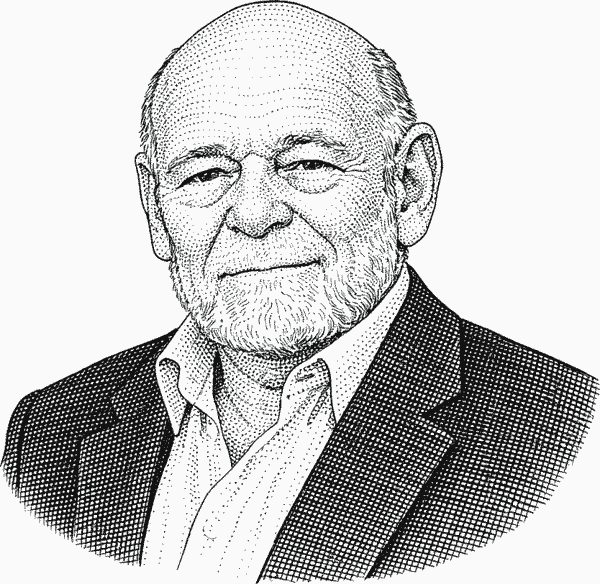
Sam Zell quote portrait about investing, long-term

Sam Zell

Sentimentality about an investments leads to lack of discipline.

Source: Speeches / Essays

Core idea

The core idea is that emotional attachment to an investment undermines rational judgment, causing investors to ignore data, violate rules, and hold losing positions longer than they should.

Practical application

To be a better investor, regularly review positions against predefined rules, and if the numbers and thesis fail, sell decisively instead of defending the investment emotionally.

Why it matters

Zell spotlights that the real investing edge is emotional independence: the discipline to override attachment, obey rules, and let evidence, not ego, decide when to hold or exit.

Sam Zell quote portrait about management

Sam Zell

Ensure management's interests are aligned with shareholders.

Source: Speeches / Essays

Core idea

The core idea is that executives should be rewarded or penalized based on shareholder outcomes, ensuring they act like owners, prioritize long-term value, and avoid self-serving decisions.

Practical application

Before investing, check if executives own significant stock and are paid for long-term performance, so their incentives match yours and they build lasting shareholder value instead of chasing quick wins.

Why it matters

It spotlights that true investor protection comes not from rules but from incentives, making executives think and act like owners whose fortunes rise or fall with shareholders.

Sam Zell quote portrait about business

Sam Zell

When everyone is going right, look left.

Source: Speeches / Essays

Core idea

The core idea is to question consensus, seek overlooked opportunities, and gain advantage by thinking independently instead of blindly following what everyone else is doing.

Practical application

Apply this by investigating unpopular sectors, questioning market narratives, and buying quality assets when fear or neglect has made them cheap, instead of chasing crowded, popular trades.

Why it matters

Sam Zell reveals that real edge comes from disciplined contrarian thinking: systematically interrogating consensus to uncover mispriced risks and neglected opportunities before they are recognized by the crowd.

Sam Zell quote portrait about investing

Sam Zell

Every day that you're not selling an asset in your portfolio, you're choosing to buy it.

Source: Speeches / Essays

Core idea

By not selling, you are implicitly deciding to keep and re-buy the asset at todays price, so you must constantly re-justify its place in your portfolio.

Practical application

Treat every holding as a fresh decision each day: if you would not eagerly buy it now at today's price, you probably should not keep owning it.

Why it matters

It reframes holding as an active, daily repurchase decision, forcing ruthless clarity about opportunity cost, conviction, and whether each asset still deserves capital at todays price.

Sam Zell quote portrait about risk

Sam Zell

Taking risks is really the only way to consistently achieve above-average returns.

Source: Speeches / Essays

Core idea

Consistently earning above-average returns requires embracing calculated risk, because safe, conventional choices tend to produce only average outcomes and rarely generate truly superior performance.

Practical application

To be a better investor, deliberately seek calculated, researched risks instead of only safe, popular choices, because disciplined risk-taking is what produces returns that beat the crowd over time.

Why it matters

Above-average investment success depends on selectively embracing well-researched, nonobvious risks, recognizing that safety and consensus typically cap results at merely average, never truly exceptional, performance.

Sam Zell quote portrait about risk, investing

Sam Zell

All the opportunity in the world means nothing if you don't actually pull the trigger.

Source: Speeches / Essays

Core idea

Potential and planning are useless without decisive action; real progress, value, and success come only when you overcome hesitation, commit, and actually execute on your opportunities.

Practical application

To become a better investor, do the research and planning, but remember that only timely, decisive buying and selling converts your analysis into real returns and wealth-building experience.

Why it matters

True leverage lies not in seeing opportunities but in crossing the psychological gap between knowing enough and acting decisively, where risk, learning, and reward finally become real.

Sam Zell quote portrait about investing

Sam Zell

If everyone is going left, look right.

Source: Am I Being Too Subtle

Core idea

The core idea is to question consensus, think independently, and seek overlooked opportunities by exploring directions others ignore instead of blindly following the crowd.

Practical application

Apply Zells quote by doubting popular trades, researching out-of-favor assets, and asking what smart investors might be missing instead of chasing crowded, emotionally driven market moves.

Why it matters

The special insight is that real opportunity often lies where few are looking, so disciplined success demands independent thinking, skepticism of consensus, and courage to explore unpopular directions.

Sam Zell quote portrait about risk, investing

Sam Zell

My focus is always on the downside.

Source: Am I Being Too Subtle

Core idea

Prioritizing the downside means rigorously identifying and limiting potential losses first, so that if risks are controlled, the upside will naturally take care of itself.

Practical application

To be a better investor, obsess over what you can lose first, design safeguards around those risks, and let well-chosen, protected opportunities compound their upside over time.

Why it matters

True investing skill lies in systematically protecting against ruin, because when your downside is tightly controlled, surviving long enough makes capturing meaningful upside almost inevitable.

Sam Zell quote portrait about valuation

Sam Zell

Liquidity equals value.

Source: Am I Being Too Subtle

Core idea

Liquidity equals value means an asset is worth more when it can be quickly and easily converted to cash without major loss, reducing risk and increasing flexibility.

Practical application

As an investor, prioritize assets and strategies that you can exit quickly at a fair price, because high liquidity protects you from forced losses and unlocks better opportunities.

Why it matters

Zell highlights that beyond fundamentals, the ability to exit swiftly at a fair price is itself a core source of value, safety, and strategic optionality.

Sam Zell quote portrait about risk, investing

Sam Zell

If you have got a big downside and a small upside, run the other way.

Source: Am I Being Too Subtle

Core idea

Focus relentlessly on asymmetry: avoid any deal where potential losses greatly exceed plausible gains, and pursue only opportunities with limited downside and substantial, realistic upside.

Practical application

As an investor, treat every decision like Zell advises: rigorously quantify downside vs upside, refuse skewed bets, and concentrate capital only where probable gains vastly outweigh realistic risks.

Why it matters

The special insight is disciplined asymmetry: consistently reject negative skew, protect against ruin, and concentrate only in situations where realistic upside dwarfs clearly bounded downside.

Sam Zell quote portrait about risk, investing

Sam Zell

If you have got a big upside and a small downside, do the deal.

Source: Am I Being Too Subtle

Core idea

Choose opportunities where potential gains greatly exceed potential losses; consistently taking asymmetrically favorable risks builds long-term success while limiting the damage from inevitable mistakes.

Practical application

As an investor, deliberately seek situations where limited risk buys large potential reward, so repeated small, controlled bets on big upside gradually compound your wealth despite occasional losses.

Why it matters

The special insight is that consistently pursuing asymmetrical opportunities, where downside is strictly limited but upside is large, lets occasional wins dominate many small, acceptable losses over time.

Sam Zell quote portrait about wisdom, management

Sam Zell

Reputation is your most important asset.

Source: Am I Being Too Subtle

Core idea

Your credibility and trustworthiness are priceless capital; once damaged or lost, they are hard to rebuild, affecting every deal, relationship, and opportunity you will ever have.

Practical application

As an investor, every promise kept and term honored compounds into priceless trust capital, lowering future friction, improving deal flow, and protecting you when markets or investments inevitably go wrong.

Why it matters

Reputation converts ethical behavior into lasting economic leverage, creating a self-reinforcing advantage that compounds over time but becomes nearly irrecoverable once materially damaged.

Sam Zell quote portrait about risk

Sam Zell

I look for clarity, and if something is not clear, I get more information.

Source: Am I Being Too Subtle

Core idea

The core idea is to never tolerate confusion; instead, proactively seek additional information until you fully understand a situation before making judgments or decisions.

Practical application

As an investor, never accept fuzzy details; relentlessly dig for data, question assumptions, and clarify risks until the opportunity is transparent enough to justify committing real capital.

Why it matters

The special insight is that disciplined clarity-seeking, not innate genius, is what consistently drives sound decisions, superior judgment, and long-term investing success in complex, uncertain environments.

Sam Zell quote portrait about wisdom

Sam Zell

I do not make assumptions.

Source: Am I Being Too Subtle

Core idea

Zell insists on verifying facts and challenging narratives instead of guessing, believing disciplined skepticism and direct evidence beat assumptions in making sound decisions and managing risk.

Practical application

As an investor, do not rely on stories or gut feelings; insist on hard data, verify every claim, and question assumptions so your decisions reflect reality, not comfortable narratives.

Why it matters

The insight is that disciplined skepticism and firsthand verification of facts produce better decisions and risk control than trusting assumptions, narratives, or intuition, especially in complex, uncertain situations.

Sam Zell quote portrait about management

Sam Zell

I am a voracious consumer of information.

Source: Am I Being Too Subtle

Core idea

Constant, wide-ranging learning is a competitive advantage; relentlessly consuming information sharpens judgment, reveals hidden opportunities, and enables faster, better decisions than less-informed competitors.

Practical application

Treat investing like a professional sport: relentlessly read, study markets and businesses, and synthesize diverse information so your decisions become faster, sharper, and wiser than the average investor.

Why it matters

Relentless, curious information intake compounds into superior pattern recognition, letting you spot risks and opportunities earlier and act decisively while others are still piecing the story together.

Sam Zell quote portrait about wisdom

Sam Zell

I spend almost my entire day listening to other people.

Source: Am I Being Too Subtle

Core idea

Genuine leadership and smart investing come from attentive listening; by prioritizing others perspectives, you uncover opportunities, avoid blind spots, and make better, more informed decisions than by talking yourself.

Practical application

To be a better investor, spend more time listening than talking; others perspectives reveal hidden risks, overlooked opportunities, and realities you would never see from your own viewpoint alone.

Why it matters

Zells quote reveals that real edge comes not from louder opinions but from disciplined listening, which compounds others insights into superior pattern recognition, judgment, and investment decisions.

Sam Zell quote portrait about business

Sam Zell

There is no substitute for limited competition.

Source: Am I Being Too Subtle

Core idea

Zell argues that durable business success comes from operating in markets with few capable rivals, where pricing power, margins, and strategic freedom are far greater than in highly competitive arenas.

Practical application

As an investor, prioritize businesses with limited capable competitors, since durable high returns usually arise where pricing power, customer stickiness, and strategic flexibility face minimal competitive pressure.

Why it matters

Zell highlights that sustainable outsized returns rarely come from perfect competition but from carefully chosen markets where capable rivals are few, enabling lasting pricing power and strategic control.

Sam Zell quote portrait about investing

Sam Zell

I like to invest below replacement cost.

Source: Am I Being Too Subtle

Core idea

Zell seeks assets priced below what it would cost to build them today, creating a margin of safety and upside as values revert toward true economic replacement cost.

Practical application

Apply Zell's idea by estimating what it would cost to recreate an asset today and only invest when the market price is meaningfully below that replacement cost.

Why it matters

Zells insight is that buying assets below current replacement cost locks in a structural value gap, reducing downside while capturing inevitable convergence toward true economic worth.

Sam Zell quote portrait about business, risk

Sam Zell

Replacement cost determines future competition.

Source: Am I Being Too Subtle

Core idea

If new properties cost far more to build than to buy existing ones, new supply will be limited, protecting current owners and supporting higher long-term rents and asset values.

Practical application

Before investing, compare what it costs to build similar assets today vs buying existing ones; if replacement cost is much higher, your investment has built-in protection from future competition.

Why it matters

Zell reveals that replacement cost acts as a strategic moat indicator, signaling when existing assets are structurally protected from future supply and thus from excessive long-term competitive pressure.

Sam Zell quote portrait about investing

Sam Zell

We liked asset-intensive investments because there is something to liquidate.

Source: Am I Being Too Subtle

Core idea

Focusing on asset-intensive investments prioritizes tangible collateral and downside protection, ensuring that even in failure there is recoverable value, thus reducing risk and preserving investor capital.

Practical application

When evaluating investments, favor businesses with tangible assets you can appraise and sell, so that even if operations disappoint, underlying collateral helps protect and potentially recover your capital.

Why it matters

The Insight is that real, saleable assets provide a built-in margin of safety, letting investors cap downside and recover capital even when the operating business underperforms or fails.

Sam Zell quote portrait about risk

Sam Zell

Risk-taking rests on identifying what will make or break you.

Source: Am I Being Too Subtle

Core idea

True risk-taking is not about avoiding danger, but clearly recognizing the few critical factors that can either propel you to success or completely destroy you.

Practical application

To be a better investor, focus less on every possible risk and more on the few key factors that could either multiply your capital or permanently wipe you out.

Why it matters

The special insight is that real risk management means isolating the few decisive variables that determine survival or ruin, then concentrating analysis, protection, and boldness around those points.

Sam Zell quote portrait about risk

Sam Zell

Some of the best deals are the ones you do not do.

Source: Am I Being Too Subtle

Core idea

The core idea is that disciplined restraint and walking away from risky or misaligned opportunities can create more long-term value than impulsively pursuing every seemingly attractive deal.

Practical application

In real life, becoming a better investor means rigorously filtering opportunities, walking away from mispriced or misaligned deals, and recognizing that avoided losses compound your long-term returns.

Why it matters

The special insight is that disciplined inaction - deliberately not investing when risks, price, or fit are wrong - is itself a powerful, compounding source of long-term investment returns.

Sam Zell quote portrait about long-term

Sam Zell

Sentimentality about an asset leads to lack of discipline.

Source: Am I Being Too Subtle

Core idea

Emotional attachment to an investment clouds judgment and weakens decision-making, preventing you from acting rationally, selling when necessary, and enforcing strict risk and return discipline.

Practical application

To be a better investor, treat every asset as a number, not a friend, so you can sell ruthlessly, cut losses quickly, and reallocate to higher-return opportunities.

Why it matters

The insight is that detaching emotionally from assets preserves clear judgment, enabling disciplined selling, loss-cutting, and rational reallocation based solely on risk, return, and opportunity cost.

Sam Zell quote portrait about psychology

Sam Zell

I have always believed every day you hold an asset, you are choosing to buy it.

Source: Am I Being Too Subtle

Core idea

The core idea is that continuously owning an investment is an active decision, so you must constantly reassess its value, opportunity cost, and alignment with better available alternatives.

Practical application

Apply this by regularly asking: If I had cash instead of this investment today, would I still buy it now, given current information and all the other opportunities available?

Why it matters

It exposes the hidden decision in inaction: holding an asset is not neutral or passive, but an ongoing, explicit choice to reject all other current opportunities for your capital.

Sam Zell quote portrait about long-term

Sam Zell

Trying to be right 100 percent of the time leads to paralysis.

Source: Am I Being Too Subtle

Core idea

Perfectionism kills action; insisting on being right every time prevents decisive moves, while accepting occasional mistakes enables faster decisions, learning, and real-world progress.

Practical application

As an investor, do thorough research but avoid waiting for perfect certainty; accept that some decisions will be wrong, because timely, informed action and learning compound your long-term edge.

Why it matters

The insight is that demanding perfect accuracy destroys momentum; embracing calculated imperfection enables faster decisions, compounding learning, and superior long-term results in uncertain, competitive environments.

Sam Zell quote portrait about business

Sam Zell

I am industry agnostic.

Source: Am I Being Too Subtle

Core idea

Success comes from focusing on fundamental value, cash flow, and risk-reward dynamics, not on belonging to any particular industry or following conventional sector-based investment boundaries.

Practical application

Apply Zell by ignoring trendy sectors and instead dissect any opportunitys cash flows, downside risk, and real economic value, investing only when risk-reward is clearly asymmetric in your favor.

Why it matters

Zells quote reveals that true investing edge lies in disciplined, sector-agnostic analysis of cash flows and downside risk, unlocking mispriced opportunities others ignore due to conventional industry labels.

Sam Zell quote portrait about business

Sam Zell

Opportunity is often embedded in supply and demand imbalance.

Source: Am I Being Too Subtle

Core idea

When supply and demand are out of balance, markets misprice assets or services, creating hidden chances for savvy investors and entrepreneurs to profit by restoring that balance.

Practical application

As an investor, look for markets where demand outstrips supply or vice versa; mispricings there often let you buy undervalued assets or create value by easing the imbalance.

Why it matters

The insight: enduring profits arise by spotting structural supply-demand imbalances early, then patiently buying mispriced assets or building capacity to rebalance markets before consensus catches up.

Sam Zell quote portrait about valuation

Sam Zell

Scarcity drives value.

Source: Am I Being Too Subtle

Core idea

When something is scarce or hard to get, people value it more, so limited supply or uniqueness becomes a powerful driver of higher prices, demand, and opportunity.

Practical application

As an investor, seek businesses with genuine scarcity - limited supply, unique assets, or durable competitive advantages - because constrained availability often supports stronger pricing power, margins, and long-term returns.

Why it matters

Scarcity is not just a constraint but a strategic asset; when supply is truly limited, value concentrates, enabling outsized pricing power, bargaining leverage, and long-term wealth creation.

Sam Zell quote portrait about investing

Sam Zell

I rely on a macro perspective to identify opportunities.

Source: Am I Being Too Subtle

Core idea

Use big-picture economic and societal trends to spot where value will emerge or be mispriced, then act opportunistically at the specific asset or deal level.

Practical application

Study long-term economic and social shifts, then hunt for specific mispriced assets or businesses where those big-picture forces are not yet reflected in current valuations.

Why it matters

See macro trends as a radar for hidden value, then exploit granular mispricings where those big forces are inevitable but still underappreciated in current prices.

Sam Zell quote portrait about wisdom

Sam Zell

I have an insatiable curiosity.

Source: Am I Being Too Subtle

Core idea

The core idea is that relentless curiosity drives continuous learning, opportunity recognition, and bold decision-making, fueling personal growth, innovation, and long-term success in business and life.

Practical application

Relentless curiosity pushes you to dig deeper into businesses, question assumptions, spot overlooked opportunities, and keep learning, which compounds your insight, sharpens judgment, and improves long-term investing results.

Why it matters

Curiosity is the ultimate competitive edge; by never stopping at the obvious answer, you uncover hidden truths, unlock unconventional opportunities, and compound insight into outsized long-term success.

Sam Zell quote portrait about business

Sam Zell

I was unwilling to be conventional.

Source: Am I Being Too Subtle

Core idea

True success often requires rejecting safe, conventional paths, embracing independent thinking, and taking calculated risks that others avoid in order to create distinctive opportunities and outsized results.

Practical application

To become a better investor, deliberately question consensus, hunt for overlooked opportunities, and take calculated, research-backed risks instead of blindly following conventional, comfortable market wisdom.

Why it matters

True success demands disciplined nonconformity: thinking independently, resisting herd comfort, and pursuing well-researched, asymmetric risks where others are too timid, distracted, or conventional to look.

Sam Zell quote portrait about business

Sam Zell

Nobody told me that I could not do that.

Source: Am I Being Too Subtle

Core idea

Confidence and success often come from ignoring perceived limits or conventional rules, acting boldly simply because you never accepted that something was supposed to be impossible.

Practical application

As an investor, question every "rule," test your own ideas rigorously, and pursue opportunities others dismiss, because many limits are just unchallenged assumptions, not real constraints.

Why it matters

The insight is that much apparent impossibility is just inherited belief, so extraordinary results come from refusing default limits and acting boldly as if no one ever forbade you.

Sam Zell quote portrait about business

Sam Zell

Failure is not in the entrepreneur's lexicon.

Source: Am I Being Too Subtle

Core idea

The core idea is that true entrepreneurs do not accept failure as a final outcome; they constantly adapt, persist, and find alternative paths until they achieve success.

Practical application

As an investor, treat losses as data, not defeat; rigorously review mistakes, refine your process, and keep iterating strategies until your edge and consistent success emerge.

Why it matters

True entrepreneurial resilience reframes failure from a terminal verdict into raw material for adaptation, turning setbacks into iterative progress toward eventual, often outsized, success.

Sam Zell quote portrait about risk

Sam Zell

If the deal did not work, it did not work.

Source: Am I Being Too Subtle

Core idea

Accept reality quickly; do not chase sunk costs or force bad deals to succeed. Walk away, preserve capital, and move on to better opportunities instead of rationalizing failure.

Practical application

As an investor, cut losers quickly, ignore sunk costs, and redeploy your time and capital into stronger opportunities instead of trying to rescue fundamentally broken deals.

Why it matters

The special insight is that discipline means recognizing when a deal is fundamentally wrong, exiting decisively, and reallocating resources instead of clinging to ego, hope, or sunk costs.

Sam Zell quote portrait about wisdom

Sam Zell

The real question is how you respond when things go wrong.

Source: Am I Being Too Subtle

Core idea

The core idea is that real character and success are defined less by avoiding problems and more by adapting, learning, and acting decisively when setbacks and failures inevitably occur.

Practical application

As an investor, your edge is not predicting perfectly but adapting fast when markets turn against you - cutting losses, revising theses, and reallocating capital with discipline, not ego.

Why it matters

True strength and success come from how quickly and rationally you adapt, learn, and reallocate after setbacks, turning adversity into a strategic advantage instead of a permanent loss.

Sam Zell quote portrait about management

Sam Zell

You cannot motivate by modem. We are social animals.

Source: Am I Being Too Subtle

Core idea

Real human motivation depends on in-person connection, shared presence, and social cues; remote communication alone cannot fully inspire, align, or deeply engage people.

Practical application

To be a better investor, build in-person relationships with managers and partners; real insight, trust, and conviction come from shared presence, not just screens and spreadsheets.

Why it matters

The special insight is that genuine influence, trust, and motivation arise from embodied, face-to-face human contact, which conveys nuance and commitment no digital medium can fully replicate.

Sam Zell quote portrait about management

Sam Zell

We are social animals. Anybody who thinks remote life is permanent is mistaken.

Source: Am I Being Too Subtle

Core idea

Human beings need real-world connection and community; relying on remote interaction alone ignores our deep social nature and will never fully replace in-person relationships and experiences.

Practical application

As an investor, remember that enduring value often lies in businesses rooted in real-world communities and face-to-face interactions, not purely virtual models that ignore fundamental human social needs.

Why it matters

Zells insight highlights that durable value and behavior stem from our innate need for in-person community, so purely remote or virtual models will always be structurally limited and vulnerable.

Sam Zell quote portrait about risk

Sam Zell

The biggest risk is losing the dollar as a reserve currency.

Source: Am I Being Too Subtle

Core idea

He warns that the greatest danger is the U.S. dollar losing its global reserve status, which would undermine American economic power, financial stability, and geopolitical influence.

Practical application

As an investor, track signs of the dollar losing reserve status, since shifting currency power can radically change inflation, interest rates, asset values, and global capital flows.

Why it matters

The insight is that reserve currency status is the hidden backbone of U.S. prosperity, so its erosion would reorder global finance and reprices every asset investors hold.

Sam Zell quote portrait about business

Sam Zell

Debt can be powerful if used productively.

Source: Am I Being Too Subtle

Core idea

Debt is not inherently dangerous; when aligned with cash flow, discipline, and productive assets, it becomes a powerful tool to amplify returns without recklessly increasing risk.

Practical application

As an investor, treat debt as a tool, not a threat: only borrow against durable cash flows to buy productive assets, so leverage magnifies disciplined, well-underwritten opportunities instead of emotions.

Why it matters

The special insight is that disciplined, cash-flow-backed borrowing can convert debt from a fragile liability into a deliberate amplifier of well-underwritten, productive investments and long-term wealth creation.

Sam Zell quote portrait about wisdom, business

Sam Zell

Culture is critical to success.

Source: Am I Being Too Subtle

Core idea

Culture is the invisible operating system of a business; it shapes behavior, drives decision-making, and ultimately determines whether strategy, talent, and resources translate into lasting success.

Practical application

As an investor, study a companys culture like its source code; it predicts execution, adaptability, and risk far better than slide decks, financial models, or charismatic leadership.

Why it matters

The special insight is that culture silently governs how people actually behave, making it the most reliable predictor of real-world performance, resilience, and long-term business outcomes.

Sam Zell quote portrait about risk

Sam Zell

I want people who understand risk.

Source: Am I Being Too Subtle

Core idea

Zell values people who can realistically assess, price, and manage downside and upside, making bold decisions without recklessness or naivete, because disciplined risk-taking drives superior long-term returns.

Practical application

To become a better investor, train yourself to see risk clearly, price it rationally, and act decisively, so you can pursue big opportunities without gambling your future.

Why it matters

Zell highlights that true edge lies in clear-eyed risk mastery - sizing, pricing, and owning uncertainty - enabling bold yet survivable bets that compound superior returns over time.

Sam Zell quote portrait about wisdom

Sam Zell

Curiosity matters more than raw intelligence.

Source: Am I Being Too Subtle

Core idea

Success and insight come less from high IQ and more from relentless curiosity that drives questioning, learning, adaptation, and spotting opportunities others miss.

Practical application

As an investor, prioritize relentless curiosity over sheer IQ; constantly question assumptions, study businesses deeply, seek opposing views, and adapt your theses as new information and opportunities emerge.

Why it matters

The special insight is that enduring advantage comes from insatiable curiosity, which continually generates fresh questions, learning, and adaptation, outperforming static raw intelligence in complex, changing environments.

Sam Zell quote portrait about management

Sam Zell

Mentorship is access to experience.

Source: Am I Being Too Subtle

Core idea

Real mentorship is not abstract advice but direct access to a mentors hard-earned experience, letting you learn from their successes and failures instead of repeating the same mistakes.

Practical application

To become a better investor, seek mentors who share concrete deals, mistakes, and decision processes, so you shortcut years of trial and error by absorbing their real-world experience.

Why it matters

The special insight is that true mentorship compresses time by granting direct access to a mentors lived experience, converting their costly lessons into your accelerated, less painful learning curve.

Sam Zell quote portrait about wisdom

Sam Zell

The top dollar is not always the right answer.

Source: Am I Being Too Subtle

Core idea

Maximizing price is not always best; wise decisions balance money with risk, timing, relationships, future opportunities, and long-term value instead of blindly chasing the last dollar.

Practical application

As an investor, remember that saying no to the last dollar often means better risk control, faster execution, stronger relationships, and more future deals than squeezing every cent.

Why it matters

The special insight is that disciplined investors optimize for risk, speed, certainty, and relationships, recognizing that refusing the last dollar often creates superior long-term returns and opportunities.

Sam Zell quote portrait about wisdom

Sam Zell

Look to the future to develop yourself.

Source: Am I Being Too Subtle

Core idea

Focus your growth on where the world is heading, not where it has been, so you can build skills, perspectives, and opportunities that will matter most tomorrow.

Practical application

As an investor, constantly study emerging trends and industries, then deliberately build your knowledge, networks, and capital around where value is likely to grow next, not yesterday.

Why it matters

Its special insight is that true personal and professional leverage comes from aligning your learning, skills, and positioning with tomorrow's opportunities rather than optimizing for yesterday's realities.

Frequently asked questions

Frequently Asked Questions About Sam Zell

Why do readers still study Sam Zell quotes?

Because Sam Zell's best lines compress durable principles into language that is easy to revisit when decisions get difficult.

What themes show up most often in Sam Zell's quotes?

Readers will usually see recurring ideas around risk, business, investing, along with practical guidance on judgment and process.

How should I use a page like this?

Use it as a study guide. Compare the quotations, identify repeating patterns, and decide which ideas belong on your own checklist.

Are these quotations investment advice?

No. They are educational material meant to help readers think more clearly about business and investing principles.

Why pair each quote with commentary?

Commentary helps readers connect a memorable sentence to a real-world investing or business habit.

How many quotes is included on this page?

This page includes 45 quotations from Sam Zell, along with context and practical application.

What makes an author page useful?

Author pages let readers study one thinker in depth, which often reveals patterns that are harder to notice in mixed-topic collections.