Author Collection

Benjamin Graham Quotes on Investing, Business, and Decision-Making

Benjamin Graham remains worth reading because the best lines from durable thinkers continue to clarify what matters when markets, businesses, and emotions get noisy. This page gathers 114 quotations from Benjamin Graham, paired with context so readers can move beyond admiration into application. The recurring themes here include investing, markets, valuation, risk, but the deeper value is in the pattern of thought that ties them together. A strong quotation can become a compact checklist item: a reminder about valuation, patience, incentives, risk, or the difference between price movement and business reality. That is especially helpful with an author like Benjamin Graham, whose ideas often reward rereading. Short lines become more useful when readers ask what habit, discipline, or mental model the quote is really defending. Each selection below is therefore paired with a core idea, practical application, and a short explanation of why it matters. Taken together, these notes turn the collection into more than a page of memorable lines. They make it a study guide for investors who want to strengthen judgment over time. Use this page to identify the recurring principles in Benjamin Graham's thinking, compare them with your own process, and revisit them whenever the next difficult decision arrives.

Featured collection

12 Featured Benjamin Graham Quotes

A curated set of 12 standout quotations from Benjamin Graham, each paired with context, practical application, and deeper insight.

1 of 12
In the short run, the market is a voting machine but in the long run, it is a weighing machine.

Core idea

Short-term prices are driven by popularity, emotion, and crowd judgment, while long-term prices tend to reflect underlying business value. The quote separates noise from reality.

Practical application

Do not treat day-to-day market moves as meaningful verdicts on intrinsic value. Use volatility as an opportunity to think more clearly, not as a command to act emotionally.

Why it matters

This is one of the foundational ideas of value investing. Graham is telling the reader that markets can be irrational for long stretches, which is precisely why disciplined investors can outperform.
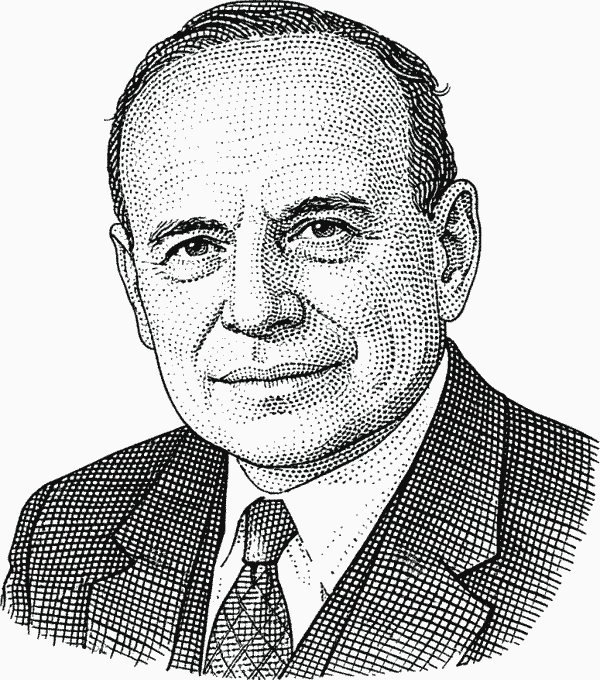
A stock is not just a ticker symbol or an electronic blip; it is an ownership interest in an actual business, with an underlying value that does not depend on its share price.

Core idea

A stock is not just a moving price on a screen - it represents ownership in a real business with assets, earnings, and competitive realities. The quote anchors investing in economic substance.

Practical application

Before buying a stock, ask whether you would be comfortable owning the entire company. This mindset pushes you toward understanding the business model instead of obsessing over the ticker.

Why it matters

The deeper message is that speculation begins when ownership thinking disappears. Graham is trying to move the reader away from trading mentality and back toward business analysis.

People who invest make money for themselves; people who speculate make money for their brokers.

Core idea

There is a meaningful difference between investing and speculating: investors rely on analysis and discipline, while speculators rely more on price action, prediction, and hope.

Practical application

Build a process around evidence, valuation, and independent thinking. If your reason for owning something is mainly that you expect someone else to pay more for it soon, you are probably speculating.

Why it matters

Graham's point is not moralistic - it is practical. Markets routinely transfer money from people who need excitement to people who can stay rational.

The intelligent investor is a realist who sells to optimists and buys from pessimists.

Core idea

The quote means investors should stay rational, buying undervalued assets when others are fearful and selling overvalued assets when others are overly confident and enthusiastic.

Practical application

Apply this by calmly buying strong businesses when fearful crowds sell too cheaply, and gradually selling when euphoric buyers push prices far above realistic long-term value.

Why it matters

It reveals that enduring investment success comes from emotional independence, profiting by acting rationally against crowd psychology instead of following popular optimism or pessimism.

You can get in much more trouble with a good idea than a bad idea, because you forget that the good idea has limits.

Core idea

Even sound investment strategies become dangerous when applied without recognizing their boundaries, encouraging overconfidence, excessive risk-taking, and misuse beyond the conditions in which they truly work.

Practical application

Remember that even proven strategies like value investing or diversification can fail if stretched beyond their limits; always question assumptions, size risks carefully, and respect changing market conditions.

Why it matters

The special insight is that genuine wisdom includes knowing where a good strategy stops working, so its success does not seduce you into reckless overreach or blind confidence.

Buy not on optimism, but on arithmetic.

Core idea

Invest based on careful analysis of fundamentals, intrinsic value, and risk-reward math, rather than emotions, market hype, or hopeful speculation about future price movements.

Practical application

Apply this by studying financial statements, valuing businesses conservatively, demanding a margin of safety, and buying only when the numbers justify the risk, not when optimism feels exciting.

Why it matters

It distills value investing into disciplined thinking: let verifiable numbers, conservative valuation, and required margin of safety govern decisions, not narratives, predictions, or confidence about future market prices.

Confronted with a challenge to distill the secret of sound investment into three words, we venture the motto, Margin of Safety.

Core idea

Always invest with a buffer between price and value so that unexpected errors, volatility, or bad luck do not permanently impair your capital or long-term results.

Practical application

In real life, always buy assets for less than their conservative value so mistakes, surprises, or downturns hurt your returns temporarily, not your long-term wealth or confidence.

Why it matters

True investing wisdom lies not in predicting the future, but in insisting on a margin of safety so that being wrong is survivable, not catastrophic.

Investors should purchase stocks like they purchase groceries, not like they purchase perfume.

Core idea

Treat stock investing as a practical, value-driven activity based on fundamentals and reasonable prices, not an emotional, status-seeking purchase driven by hype or brand allure.

Practical application

Approach investing like buying staples on sale: focus on quality, price, and long-term usefulness, not excitement, trends, or showing off; let discipline, not emotion, guide every purchase.

Why it matters

The special insight is that true investing success comes from unemotional, value-focused decisions, emphasizing fundamentals and fair prices rather than image, excitement, or fashionable market narratives.

To achieve satisfactory investment results is easier than most people realize; to achieve superior results is harder than it looks.

Core idea

Graham suggests decent investing success is achievable with discipline and prudence, but consistently outperforming the market demands exceptional skill, insight, and effort that most investors underestimate.

Practical application

Focus on steady, disciplined investing in diversified, low-cost assets; chasing superior returns through frequent trading or speculation usually backfires without rare skill, deep research, and emotional control.

Why it matters

Superior investment performance is not just a slightly harder version of ordinary success; it is a fundamentally rarer skill that most investors systematically overestimate and underprepare for.

The individual investor should act consistently as an investor and not as a speculator. This means that he should be able to justify every purchase he makes and each price he pays by impersonal, objective reasoning that satisfies him that he is getting more than his money's worth for his purchase.

Core idea

Invest based on objective analysis and intrinsic value, not emotion or speculation, so every purchase price is justified by receiving more underlying worth than the money paid.

Practical application

Before buying any stock, calmly analyze its business, risks, and intrinsic value so you only invest when evidence shows you are getting more real worth than the price.

Why it matters

Graham highlights that true investing demands disciplined, objective valuation, insisting every purchase reflect clear evidence of greater underlying business worth than the cash sacrificed.

The investor's chief problem, even his worst enemy, is likely to be himself.

Core idea

The quote means investors often sabotage themselves; their emotions, overconfidence, impatience, and fear typically cause more harm to their results than external market conditions do.

Practical application

Apply this by building rules that slow decisions, diversify, and manage risk so your emotions, not the market, stop being the main threat to your returns.

Why it matters

Graham insightfully exposes that self-mastery, not superior forecasting, is the real edge in investing; controlling behavior and temperament outweighs analyzing securities or predicting market moves.

The underlying principles of sound investment should not alter from decade to decade, but the application of these principles must be adapted to significant changes in the financial mechanisms and climate.

Core idea

Investment principles are timeless, but successful investors must continually adjust how they apply those principles to reflect evolving markets, financial instruments, and economic conditions.

Practical application

To be a better investor, keep your core principles steady, but regularly update your research methods, tools, and strategies to match new markets, technologies, and economic realities.

Why it matters

True investing wisdom is stable over time, but real-world success requires flexibly reinterpreting and executing those same principles as markets, instruments, and information evolve.

Recurring themes

What Readers Can Learn from Benjamin Graham

Dominant themes

This collection repeatedly returns to investing, markets, valuation, showing how the same core ideas reappear in different situations.

How to use this page

Read across the quotations rather than in isolation. The real value comes from seeing how Benjamin Graham's principles reinforce one another.

Full collection

Read All 114 Benjamin Graham Quotes with Context

For readers who prefer to study rather than skim, here is the full collection in a clean reading format.

Benjamin Graham quote portrait about markets, long-term

Benjamin Graham

In the short run, the market is a voting machine but in the long run, it is a weighing machine.

Source: The Intelligent Investor / Security Analysis

Core idea

Short-term prices are driven by popularity, emotion, and crowd judgment, while long-term prices tend to reflect underlying business value. The quote separates noise from reality.

Practical application

Do not treat day-to-day market moves as meaningful verdicts on intrinsic value. Use volatility as an opportunity to think more clearly, not as a command to act emotionally.

Why it matters

This is one of the foundational ideas of value investing. Graham is telling the reader that markets can be irrational for long stretches, which is precisely why disciplined investors can outperform.

Benjamin Graham quote portrait about valuation, business

Benjamin Graham

A stock is not just a ticker symbol or an electronic blip; it is an ownership interest in an actual business, with an underlying value that does not depend on its share price.

Source: The Intelligent Investor / Security Analysis

Core idea

A stock is not just a moving price on a screen - it represents ownership in a real business with assets, earnings, and competitive realities. The quote anchors investing in economic substance.

Practical application

Before buying a stock, ask whether you would be comfortable owning the entire company. This mindset pushes you toward understanding the business model instead of obsessing over the ticker.

Why it matters

The deeper message is that speculation begins when ownership thinking disappears. Graham is trying to move the reader away from trading mentality and back toward business analysis.

Benjamin Graham quote portrait about investing

Benjamin Graham

People who invest make money for themselves; people who speculate make money for their brokers.

Source: The Intelligent Investor / Security Analysis

Core idea

There is a meaningful difference between investing and speculating: investors rely on analysis and discipline, while speculators rely more on price action, prediction, and hope.

Practical application

Build a process around evidence, valuation, and independent thinking. If your reason for owning something is mainly that you expect someone else to pay more for it soon, you are probably speculating.

Why it matters

Graham's point is not moralistic - it is practical. Markets routinely transfer money from people who need excitement to people who can stay rational.

Benjamin Graham quote portrait about investing

Benjamin Graham

The intelligent investor is a realist who sells to optimists and buys from pessimists.

Source: The Intelligent Investor / Security Analysis

Core idea

The quote means investors should stay rational, buying undervalued assets when others are fearful and selling overvalued assets when others are overly confident and enthusiastic.

Practical application

Apply this by calmly buying strong businesses when fearful crowds sell too cheaply, and gradually selling when euphoric buyers push prices far above realistic long-term value.

Why it matters

It reveals that enduring investment success comes from emotional independence, profiting by acting rationally against crowd psychology instead of following popular optimism or pessimism.

Benjamin Graham quote portrait about investing

Benjamin Graham

You can get in much more trouble with a good idea than a bad idea, because you forget that the good idea has limits.

Source: The Intelligent Investor / Security Analysis

Core idea

Even sound investment strategies become dangerous when applied without recognizing their boundaries, encouraging overconfidence, excessive risk-taking, and misuse beyond the conditions in which they truly work.

Practical application

Remember that even proven strategies like value investing or diversification can fail if stretched beyond their limits; always question assumptions, size risks carefully, and respect changing market conditions.

Why it matters

The special insight is that genuine wisdom includes knowing where a good strategy stops working, so its success does not seduce you into reckless overreach or blind confidence.

Benjamin Graham quote portrait about investing

Benjamin Graham

Buy not on optimism, but on arithmetic.

Source: The Intelligent Investor / Security Analysis

Core idea

Invest based on careful analysis of fundamentals, intrinsic value, and risk-reward math, rather than emotions, market hype, or hopeful speculation about future price movements.

Practical application

Apply this by studying financial statements, valuing businesses conservatively, demanding a margin of safety, and buying only when the numbers justify the risk, not when optimism feels exciting.

Why it matters

It distills value investing into disciplined thinking: let verifiable numbers, conservative valuation, and required margin of safety govern decisions, not narratives, predictions, or confidence about future market prices.

Benjamin Graham quote portrait about investing

Benjamin Graham

Confronted with a challenge to distill the secret of sound investment into three words, we venture the motto, Margin of Safety.

Source: The Intelligent Investor / Security Analysis

Core idea

Always invest with a buffer between price and value so that unexpected errors, volatility, or bad luck do not permanently impair your capital or long-term results.

Practical application

In real life, always buy assets for less than their conservative value so mistakes, surprises, or downturns hurt your returns temporarily, not your long-term wealth or confidence.

Why it matters

True investing wisdom lies not in predicting the future, but in insisting on a margin of safety so that being wrong is survivable, not catastrophic.

Benjamin Graham quote portrait about investing

Benjamin Graham

Investors should purchase stocks like they purchase groceries, not like they purchase perfume.

Source: The Intelligent Investor / Security Analysis

Core idea

Treat stock investing as a practical, value-driven activity based on fundamentals and reasonable prices, not an emotional, status-seeking purchase driven by hype or brand allure.

Practical application

Approach investing like buying staples on sale: focus on quality, price, and long-term usefulness, not excitement, trends, or showing off; let discipline, not emotion, guide every purchase.

Why it matters

The special insight is that true investing success comes from unemotional, value-focused decisions, emphasizing fundamentals and fair prices rather than image, excitement, or fashionable market narratives.

Benjamin Graham quote portrait about investing

Benjamin Graham

To achieve satisfactory investment results is easier than most people realize; to achieve superior results is harder than it looks.

Source: The Intelligent Investor / Security Analysis

Core idea

Graham suggests decent investing success is achievable with discipline and prudence, but consistently outperforming the market demands exceptional skill, insight, and effort that most investors underestimate.

Practical application

Focus on steady, disciplined investing in diversified, low-cost assets; chasing superior returns through frequent trading or speculation usually backfires without rare skill, deep research, and emotional control.

Why it matters

Superior investment performance is not just a slightly harder version of ordinary success; it is a fundamentally rarer skill that most investors systematically overestimate and underprepare for.

Benjamin Graham quote portrait about valuation, investing

Benjamin Graham

The individual investor should act consistently as an investor and not as a speculator. This means that he should be able to justify every purchase he makes and each price he pays by impersonal, objective reasoning that satisfies him that he is getting more than his money's worth for his purchase.

Source: The Intelligent Investor / Security Analysis

Core idea

Invest based on objective analysis and intrinsic value, not emotion or speculation, so every purchase price is justified by receiving more underlying worth than the money paid.

Practical application

Before buying any stock, calmly analyze its business, risks, and intrinsic value so you only invest when evidence shows you are getting more real worth than the price.

Why it matters

Graham highlights that true investing demands disciplined, objective valuation, insisting every purchase reflect clear evidence of greater underlying business worth than the cash sacrificed.

Benjamin Graham quote portrait about investing

Benjamin Graham

The investor's chief problem, even his worst enemy, is likely to be himself.

Source: The Intelligent Investor / Security Analysis

Core idea

The quote means investors often sabotage themselves; their emotions, overconfidence, impatience, and fear typically cause more harm to their results than external market conditions do.

Practical application

Apply this by building rules that slow decisions, diversify, and manage risk so your emotions, not the market, stop being the main threat to your returns.

Why it matters

Graham insightfully exposes that self-mastery, not superior forecasting, is the real edge in investing; controlling behavior and temperament outweighs analyzing securities or predicting market moves.

Benjamin Graham quote portrait about investing

Benjamin Graham

The underlying principles of sound investment should not alter from decade to decade, but the application of these principles must be adapted to significant changes in the financial mechanisms and climate.

Source: The Intelligent Investor / Security Analysis

Core idea

Investment principles are timeless, but successful investors must continually adjust how they apply those principles to reflect evolving markets, financial instruments, and economic conditions.

Practical application

To be a better investor, keep your core principles steady, but regularly update your research methods, tools, and strategies to match new markets, technologies, and economic realities.

Why it matters

True investing wisdom is stable over time, but real-world success requires flexibly reinterpreting and executing those same principles as markets, instruments, and information evolve.

Benjamin Graham quote portrait about investing

Benjamin Graham

The individual investor should act consistently as an investor and not as a speculator.

Source: The Intelligent Investor / Security Analysis

Core idea

Focus on long-term value, careful analysis, and margin of safety, not short-term price movements, market fads, or emotional bets when making investment decisions.

Practical application

In real life, apply this by researching businesses deeply, buying only when price is below true value, holding patiently, and ignoring daily market noise and hype-driven trades.

Why it matters

The Insight is that lasting investment success comes from disciplined analysis and valuation, not predictions or excitement, turning stocks into ownership stakes rather than lottery tickets.

Benjamin Graham quote portrait about investing

Benjamin Graham

As in roulette, same is true of the stock trader, who will find that the expense of trading weights the dice heavily against him.

Source: The Intelligent Investor / Security Analysis

Core idea

Trading frequently is like gambling at a rigged roulette table; transaction costs and market frictions steadily erode your odds of long-term success.

Practical application

To be a better investor, limit frequent trading; each trade incurs costs that quietly drain returns, so focus on long-term, low-turnover investing where the odds favor you.

Why it matters

The insight is that market structure, fees, and frictions make frequent trading mathematically unfavorable, so patient, low turnover investing is the only rational way to tilt odds in your favor.

Benjamin Graham quote portrait about markets, investing

Benjamin Graham

The best way to measure your investing success is not by whether you're beating the market but by whether you've put in place a financial plan and a behavioral discipline that are likely to get you where you want to go.

Source: The Intelligent Investor / Security Analysis

Core idea

Investment success is not about outperforming others, but about following a disciplined, long-term plan aligned with your goals so you can reliably reach financial security.

Practical application

Focus less on beating the market and more on consistently saving, diversifying, and sticking to a long term plan tailored to your goals, risk tolerance, and future needs.

Why it matters

True investment mastery lies in aligning money decisions with personal goals and temperament, using discipline and planning to reach security, rather than chasing relative performance or market outperformance.

Benjamin Graham quote portrait about investing

Benjamin Graham

In the end, how your investments behave is much less important than how you behave.

Source: The Intelligent Investor / Security Analysis

Core idea

Investment results depend more on your discipline, patience, and risk management than on market movements, so controlling your behavior is the key driver of long-term success.

Practical application

Apply this by defining a simple plan, automating contributions, diversifying, and calmly sticking to your strategy through volatility instead of reacting emotionally to every market move.

Why it matters

Graham reveals that sustainable investment success is primarily a psychological discipline problem, where mastering emotions and consistent process outweighs stock picking brilliance or forecasting short-term market moves.

Benjamin Graham quote portrait about investing

Benjamin Graham

The investor's chief problem and even his worst enemy is likely to be himself.

Source: The Intelligent Investor

Core idea

Grahams quote means that investors own emotions, impatience, overconfidence, and fear often cause worse decisions and losses than external market conditions or economic events.

Practical application

To be a better investor, build rules and routines that override your emotions, so decisions follow discipline, research, and patience instead of fear, greed, or overconfidence.

Why it matters

Grahams quote reveals that mastering inner psychology and behavior, not forecasting markets, is the pivotal edge separating long-term investing success from self-sabotaging, emotionally driven mistakes.

Benjamin Graham quote portrait about investing, business

Benjamin Graham

Investment is most intelligent when it is most businesslike.

Source: The Intelligent Investor

Core idea

Graham urges investors to think like disciplined business owners: focus on facts, valuation, and long-term performance, not emotions, speculation, or short-term market fluctuations.

Practical application

Apply this by treating each stock like a small business you own: study its finances, demand a margin of safety, ignore noise, and think in multi-year results.

Why it matters

It reframes investing from betting on prices to rationally buying partial businesses, forcing disciplined analysis, risk control, and long-term ownership thinking over speculation and emotional reactions.

Benjamin Graham quote portrait about risk

Benjamin Graham

The purpose of the margin of safety is to render the forecast unnecessary.

Source: The Intelligent Investor

Core idea

By buying far below conservative intrinsic value, investors protect themselves against errors, surprises, and uncertainty so future predictions become less critical to achieving satisfactory long-term returns.

Practical application

In real life, apply Grahams idea by only buying quality investments well below conservative value, so even if your forecasts are wrong, you still have strong downside protection.

Why it matters

Grahams insight is that safety in investing comes less from accurate forecasts and more from demanding a steep discount to cautious value, making future uncertainty far less dangerous.

Benjamin Graham quote portrait about investing

Benjamin Graham

The intelligent investor is a realist who sells to optimists and buys from pessimists.

Source: The Intelligent Investor

Core idea

The core idea is to stay rational, buying undervalued assets when others are fearful and selling overvalued assets when others are overly confident or euphoric.

Practical application

Apply Grahams wisdom by calmly buying solid investments when fear drives prices below value, and patiently selling when market excitement inflates prices beyond reasonable fundamentals.

Why it matters

Grahams quote reveals that lasting investment success comes from disciplined independence: exploiting emotional extremes by valuing businesses objectively while others are ruled by fear or greed.

Benjamin Graham quote portrait about markets, long-term

Benjamin Graham

In the short run, the market is a voting machine but in the long run it is a weighing machine.

Source: The Intelligent Investor

Core idea

Graham means that short-term stock prices reflect popular opinion and emotion, but long-term returns ultimately reflect a business real economic value and fundamental performance.

Practical application

Focus less on daily price swings and more on patiently owning financially strong, well-valued businesses, trusting that long-term fundamentals will outweigh short-term market noise.

Why it matters

Grahams quote insightfully separates noisy short-term market sentiment from enduring business reality, teaching that disciplined investors profit by aligning decisions with intrinsic value, not crowd emotion.

Benjamin Graham quote portrait about valuation, investing

Benjamin Graham

Price fluctuations have only one significant meaning for the true investor.

Source: The Intelligent Investor

Core idea

Price changes matter only as chances to buy quality investments below intrinsic value or sell above it, not as signals to trade based on emotion or prediction.

Practical application

Use price swings to calmly buy solid businesses when they are cheap and sell when overvalued, instead of reacting emotionally to every market move or prediction.

Why it matters

The special insight is that price volatility is an ally, not a threat, offering disciplined investors objective opportunities to exploit mispricing rather than react to fear, euphoria, or forecasts.

Benjamin Graham quote portrait about markets

Benjamin Graham

The market exists to serve you, not to guide you.

Source: The Intelligent Investor

Core idea

Graham means you should treat market prices as offers to consider, not authoritative judgments; rely on your own analysis, not fluctuating market opinions, to guide investment decisions.

Practical application

Use market prices as temporary offers, not commandments; base decisions on your own research, required return, and risk tolerance, buying only when price is clearly below intrinsic value.

Why it matters

The insight is that investors should view market prices as negotiable offers, exploiting mispricings through independent valuation, instead of blindly accepting crowd consensus as objective truth.

Benjamin Graham quote portrait about psychology

Benjamin Graham

You are neither right nor wrong because the crowd disagrees with you.

Source: The Intelligent Investor

Core idea

The quote means your investment decisions are judged by their underlying analysis and long-term results, not by whether most people agree or disagree with you at the moment.

Practical application

Apply this by building a sound, well-researched strategy, then sticking to it despite market noise; focus on process and long-term outcomes, not short-term popularity or consensus.

Why it matters

Grahams insight is that true investment wisdom lies in independently grounded analysis and discipline, where correctness is proven by long-term outcomes, not by popular opinion or market consensus.

Benjamin Graham quote portrait about risk, investing

Benjamin Graham

The essence of investment management is the management of risks, not the management of returns.

Source: The Intelligent Investor

Core idea

Successful investing focuses on carefully controlling potential losses and uncertainties, because protecting capital and avoiding ruin matters more for long-term success than chasing the highest possible returns.

Practical application

Apply this by prioritizing diversification, margin of safety, and avoiding big permanent losses, so your portfolio can compound steadily instead of gambling on risky, unpredictable high-return bets.

Why it matters

True investment wisdom is recognizing that survival and preservation of capital, through disciplined risk control, ultimately generate more reliable long-term wealth than aggressively pursuing maximum returns.

Benjamin Graham quote portrait about investing

Benjamin Graham

The individual investor should act consistently as an investor and not as a speculator.

Source: The Intelligent Investor

Core idea

Stay focused on long-term value, careful analysis, and risk control, instead of chasing quick profits, market fads, or short-term price movements driven by emotion and speculation.

Practical application

Apply this by researching businesses deeply, buying only when prices offer a margin of safety, holding patiently, and ignoring market noise, hype, and short-term price swings.

Why it matters

This quote reveals that durable investing success comes from disciplined, businesslike ownership of assets, not from predicting or exploiting short-term price movements or market moods.

Benjamin Graham quote portrait about investing

Benjamin Graham

Speculation is always fascinating, but it is dangerous when you think you are investing.

Source: The Intelligent Investor

Core idea

Speculation is risky when mistaken for investing, because confusing short-term betting with long-term, analysis-based ownership leads to poor decisions and potential financial ruin.

Practical application

Apply disciplined research and long-term thinking; treat stocks as businesses you own, not lottery tickets, so you avoid emotional trading, leverage, and ruinous bets disguised as intelligent investing.

Why it matters

The insight is that true investing demands rational analysis and long-term ownership, while unrecognized speculation masquerading as investing seduces emotions, magnifies risk, and quietly endangers financial survival.

Benjamin Graham quote portrait about investing

Benjamin Graham

Never mingle your speculative and investment operations in the same account.

Source: The Intelligent Investor

Core idea

Keep your long-term, carefully analyzed investments separate from short-term, higher-risk speculations so you can measure results clearly, control risk, and avoid emotional decision-making.

Practical application

In real life, keep separate accounts for long-term investments and short-term trades so you can track performance objectively, size risks sensibly, and avoid emotional, impulse-driven decisions.

Why it matters

This quote highlights that separating investment and speculation creates mental and practical boundaries, improving discipline, risk control, performance tracking, and protection from emotional, self-deceptive decision-making.

Benjamin Graham quote portrait about investing

Benjamin Graham

The defensive investor's chief emphasis is on avoiding serious mistakes or losses.

Source: The Intelligent Investor

Core idea

The core idea is that conservative investors should prioritize protecting their capital by minimizing major errors and losses, rather than aggressively seeking maximum returns or speculative gains.

Practical application

To invest better in real life, focus first on avoiding big mistakes and permanent losses through diversification, research, and discipline, instead of chasing quick, speculative high returns.

Why it matters

This quote highlights that long-term investment success comes more from consistently avoiding large, irreversible losses than from occasionally achieving spectacular gains through aggressive risk-taking.

Benjamin Graham quote portrait about risk, investing

Benjamin Graham

Successful investing is about managing risk, not avoiding it.

Source: The Intelligent Investor

Core idea

The core idea is to recognize that risk is unavoidable, so investors should focus on understanding, measuring, and controlling it instead of trying to eliminate risk entirely.

Practical application

In real life, apply this by diversifying, keeping a margin of safety, and investing only in what you understand, so risks are deliberate, measured, and survivable.

Why it matters

True investing wisdom lies in embracing unavoidable risk, then shaping it through judgment, analysis, and safeguards so setbacks hurt but never permanently endanger your financial survival.

Benjamin Graham quote portrait about investing, business

Benjamin Graham

Obvious prospects for physical growth in a business do not translate into obvious profits for investors.

Source: The Intelligent Investor

Core idea

A companys strong sales or expansion potential does not automatically ensure good investment returns, because valuation, competition, and execution risks can prevent profits from reaching shareholders.

Practical application

Before buying a "high growth" stock, always ask: At this price, after competition, execution risks, and future dilution, will any of that growth realistically reach me as a shareholder?

Why it matters

The insight is that investors must distinguish between a companys growth story and shareholder returns, focusing on price paid, competitive dynamics, capital allocation, and dilution that can absorb future profits.

Benjamin Graham quote portrait about investing

Benjamin Graham

The investor should have an adequate idea of his own capabilities and limitations.

Source: The Intelligent Investor

Core idea

Investors must honestly assess their skills and limits, then choose strategies, risks, and expectations that match their true abilities, avoiding overconfidence and speculation beyond their competence.

Practical application

To improve as an investor, realistically judge what you know, keep strategies simple, avoid complex bets you do not understand, and align risk with your true knowledge and temperament.

Why it matters

Grahams quote highlights that self-knowledge is a core investing edge; recognizing your limits is as important as analyzing securities, because it dictates prudent strategy, risk, and long-term survival.

Benjamin Graham quote portrait about investing

Benjamin Graham

A sound investment operation is one which promises safety of principal and an adequate return. Operations not meeting these requirements are speculative.

Source: The Intelligent Investor

Core idea

Investing should prioritize protecting your original capital and earning a reasonable return; if either safety of principal or adequate return is missing, you are speculating, not investing.

Practical application

In real life, treat every decision as an investment only if your downside is well-protected and your expected return is sensible; otherwise, recognize you are speculating and size accordingly.

Why it matters

It reframes investing as rigorous risk management: capital preservation and reasonable returns define investment, while anything lacking those pillars is speculation demanding smaller, more cautious commitment.

Benjamin Graham quote portrait about investing

Benjamin Graham

Investment success will be related to the effort and intelligence applied to it.

Source: The Intelligent Investor

Core idea

Investment success depends mainly on how much thoughtful work and rational judgment you commit, not on luck, tips, or blindly following markets and popular opinions.

Practical application

To become a better investor, consistently study businesses, think independently, and make disciplined, rational decisions instead of chasing hot tips, market fads, or emotional impulses.

Why it matters

The insight is that durable investing success is chiefly earned through disciplined, thoughtful analysis and rational independence, not luck, expert forecasts, or blindly following crowd-driven market trends.

Benjamin Graham quote portrait about investing, risk

Benjamin Graham

The margin of safety is the central concept of investment.

Source: The Intelligent Investor

Core idea

Invest with a buffer between price and value, so unexpected mistakes, bad luck, or market swings are less likely to cause permanent loss of capital.

Practical application

Apply it by buying only when a stock is clearly undervalued, so even if your analysis is imperfect or markets drop, you still have protection against permanent loss.

Why it matters

It reveals that investment success hinges less on perfect forecasting and more on demanding a protective discount to intrinsic value, turning uncertainty and error into manageable, nonfatal risks.

Benjamin Graham quote portrait about investing

Benjamin Graham

To achieve satisfactory investment results is easier than most people realize. To achieve superior results is harder than it looks.

Source: The Intelligent Investor

Core idea

Consistent, reasonable investing using discipline and prudence is attainable for most people, but reliably beating the market requires exceptional skill, insight, and often luck beyond ordinary capability.

Practical application

Focus on steady, disciplined investing with reasonable expectations; trying to constantly beat the market often leads to excessive risk, emotional decisions, and disappointing long-term results.

Why it matters

Grahams insight highlights that ordinary investors can reasonably achieve solid, market-like returns through discipline, while pursuing outperformance usually demands rare skill and risks harmful, imprudent behavior.

Benjamin Graham quote portrait about investing

Benjamin Graham

Even the intelligent investor is likely to need considerable willpower.

Source: The Intelligent Investor

Core idea

Even smart investors must battle emotions, resist crowd pressure, and stick to disciplined strategies during booms and crashes; success depends more on willpower than on intelligence alone.

Practical application

In real life, becoming a better investor means building the willpower to follow a disciplined plan, ignore fearful or greedy crowds, and stay rational through booms and crashes.

Why it matters

Real investing edge lies not in IQ but in emotional discipline: resisting fear, greed, and crowd pressure to consistently follow a rational, long-term strategy.

Benjamin Graham quote portrait about valuation

Benjamin Graham

Stock prices are frequently wrong.

Source: The Intelligent Investor

Core idea

Market prices often reflect emotion, speculation, and short-term noise, so they frequently diverge from a companys true underlying value, creating opportunities for disciplined value investors.

Practical application

Use market mispricing to your advantage by ignoring hype, estimating intrinsic value carefully, and buying quality businesses only when prices fall meaningfully below your conservative valuation.

Why it matters

The insight is that markets are not perfectly efficient, so rational investors can exploit frequent price-value gaps by patiently buying undervalued businesses and avoiding emotionally driven overvaluation.

Benjamin Graham quote portrait about markets

Benjamin Graham

Markets are inherently unstable.

Source: The Intelligent Investor

Core idea

Graham warns that markets constantly fluctuate due to changing emotions and information, so prices often diverge from underlying value, demanding disciplined, rational investing and a margin of safety.

Practical application

Because markets swing with fear and greed, apply this quote by calmly buying only when assets are undervalued, insisting on a margin of safety, and ignoring short-term noise.

Why it matters

True investing success comes from recognizing markets as emotional voting machines, exploiting mispricings with discipline, patience, and a margin of safety instead of reacting to constant price volatility.

Benjamin Graham quote portrait about markets, investing

Benjamin Graham

The investor must not be influenced by the market's moods.

Source: The Intelligent Investor

Core idea

Investors should base decisions on objective analysis and intrinsic value, not on emotional reactions or short-term market swings, avoiding herd behavior and irrational optimism or pessimism.

Practical application

In real life, apply this by setting rules, valuing businesses carefully, and sticking to your plan instead of reacting emotionally to every sharp move in stock prices.

Why it matters

Its special insight is that true investing success comes from disciplined independence, calmly valuing businesses and acting rationally despite the markets emotional swings and pervasive crowd psychology.

Benjamin Graham quote portrait about valuation

Benjamin Graham

Common stocks may be undervalued or overvalued.

Source: The Intelligent Investor

Core idea

Graham highlights that stock prices can deviate from underlying business value, so investors must analyze and buy only when prices are below intrinsic worth, not follow markets blindly.

Practical application

In real life, ignore market hype, study company fundamentals, estimate intrinsic value, and only buy when shares trade below that value, patiently waiting for better opportunities.

Why it matters

The special insight is that markets are often irrational, so disciplined investors can profit by independently valuing businesses and buying only when prices significantly understate intrinsic worth.

Benjamin Graham quote portrait about valuation, investing

Benjamin Graham

The investor must distinguish between price and value.

Source: The Intelligent Investor

Core idea

Graham warns that market prices often swing with emotion, while true value reflects a businesss fundamentals, so investors must buy based on value, not fluctuating prices.

Practical application

Apply this by estimating a companys true worth from earnings, assets, and competitive position, then buying only when market price offers a clear margin of safety below that value.

Why it matters

True investing success hinges on recognizing that emotional market prices diverge from underlying business value, creating opportunities only for those disciplined enough to act on fundamentals, not fluctuations.

Benjamin Graham quote portrait about investing

Benjamin Graham

An investment operation is one that is based on thorough analysis.

Source: The Intelligent Investor

Core idea

Graham insists that a true investment requires careful, fact-based research to justify both safety of principal and a reasonable return, rather than relying on speculation or hope.

Practical application

To be a better investor, treat every potential purchase as a business decision, demanding clear evidence of value, downside protection, and realistic returns before committing any money.

Why it matters

The insight is that investing is fundamentally a disciplined, evidence-based business process, not a gamble; only rigorous analysis can distinguish genuine opportunities from dangerous speculation.

Benjamin Graham quote portrait about investing

Benjamin Graham

Investors should concentrate on their own standards.

Source: The Intelligent Investor

Core idea

Graham urges investors to rely on their own rational criteria, risk tolerance, and valuation methods, instead of blindly following market trends, popular opinion, or others expectations.

Practical application

Apply this by defining clear rules for risk, valuation, and goals, then consistently follow them, even when market noise, social pressure, or hype tempt you to deviate.

Why it matters

True investment discipline comes from internally defined principles and courage, enabling rational decisions and consistency despite market euphoria, panic, or outside pressure to conform or chase trends.

Benjamin Graham quote portrait about markets, valuation

Benjamin Graham

The stock market is filled with individuals who know the price of everything but the value of nothing.

Source: The Intelligent Investor

Core idea

Graham warns that many investors obsess over short-term prices while neglecting a companys true underlying worth, leading to speculation instead of disciplined, value-based investing.

Practical application

To become a better investor, focus less on daily price swings and more on understanding a companys fundamentals, competitive edge, and long-term earning power before you buy or sell.

Why it matters

Graham highlights that enduring investment success comes from independently valuing businesses, not reacting to fluctuating stock quotes, emphasizing rational analysis over emotional, price-driven speculation.

Benjamin Graham quote portrait about investing

Benjamin Graham

The intelligent investor must resist the temptation to follow the crowd.

Source: The Intelligent Investor

Core idea

True investing wisdom demands independent thinking; instead of copying popular market trends, investors should base decisions on careful analysis, rational judgment, and long-term value rather than crowd-driven emotion.

Practical application

Apply this by researching businesses yourself, questioning hype, and buying only when price is below careful value estimates, even if everyone else seems excited or terrified.

Why it matters

Grahams quote highlights that lasting investment success relies on disciplined, independent valuation and emotional restraint, not on mimicking market sentiment or chasing fashionable, crowd-driven opportunities.

Benjamin Graham quote portrait about investing

Benjamin Graham

The investor must be willing to think independently.

Source: The Intelligent Investor

Core idea

True investing success requires independent judgment, resisting crowd psychology, marketing hype, and short-term noise to make rational, evidence-based decisions aligned with your own analysis and objectives.

Practical application

Apply this by researching companies yourself, questioning popular narratives, ignoring short-term market drama, and only buying or selling when your own evidence-based analysis justifies the decision.

Why it matters

Independent thinking is the investors edge: genuine success comes from disciplined, evidence-based decisions made against the crowd when facts diverge from popular stories and market emotions.

Benjamin Graham quote portrait about investing

Benjamin Graham

Patience is a key virtue for investors.

Source: The Intelligent Investor

Core idea

The core idea is that sustained investing success depends less on timing or predictions and more on calmly waiting for favorable opportunities and long-term value to emerge.

Practical application

Apply this by investing regularly in solid businesses, ignoring daily noise, and patiently holding through volatility so time and compounding can reveal the value you paid for.

Why it matters

This quote's special insight is that disciplined waiting, not constant action, lets intrinsic value, compounding, and market mispricings work in your favor more reliably than prediction or speed.

Benjamin Graham quote portrait about investing

Benjamin Graham

The best investment is one where the downside is limited.

Source: The Intelligent Investor

Core idea

Prioritize investments where potential losses are strictly limited relative to possible gains, because protecting capital and controlling risk is more important than chasing maximum returns.

Practical application

Apply Graham by choosing investments where you can clearly cap losses but allow meaningful upside, using diversification, margin of safety, and position sizing to protect capital first.

Why it matters

Grahams insight is that compounding wealth requires first avoiding ruin, so designing asymmetrical bets with limited downside and substantial upside mathematically tilts long-term outcomes in your favor.

Benjamin Graham quote portrait about investing

Benjamin Graham

The investor should seek a margin of safety in every investment.

Source: The Intelligent Investor

Core idea

Always invest with a built-in cushion so that even if things go worse than expected, the downside is limited and the odds still favor long-term capital preservation and profit.

Practical application

Before buying any stock or asset, demand a price low enough that if your analysis is partly wrong or conditions worsen, you still have limited downside and reasonable upside.

Why it matters

Grahams insight is that disciplined investors should intentionally underpay for assets, ensuring imperfect forecasts or bad luck do not destroy capital but still allow attractive long-term gains.

Benjamin Graham quote portrait about risk, management

Benjamin Graham

Diversification is a key component of risk management.

Source: The Intelligent Investor

Core idea

Spreading investments across many assets helps reduce the impact of any single loss, making overall returns more stable and protecting investors from severe financial damage.

Practical application

Apply this by splitting your money across different stocks, bonds, and cash so one bad investment cannot wreck your entire portfolio or long-term goals.

Why it matters

The insight is that uncertainty is inevitable, so disciplined diversification deliberately accepts some mediocre outcomes to avoid devastating losses, maximizing long-term survival and compounding rather than short-term perfection.

Benjamin Graham quote portrait about investing

Benjamin Graham

The investor should not rely on forecasts.

Source: The Intelligent Investor

Core idea

Relying on forecasts invites speculation and error; disciplined investors should base decisions on present facts, valuation, and margin of safety, not uncertain predictions about the future.

Practical application

In real life, apply this by buying only when current facts, valuation, and margin of safety justify the price, instead of betting on uncertain analyst or market forecasts.

Why it matters

The special insight is that durable investment success comes from objectively valuing businesses today and insisting on a margin of safety, instead of gambling on inherently unreliable future forecasts.

Benjamin Graham quote portrait about wisdom

Benjamin Graham

Forecasting is a dangerous game.

Source: The Intelligent Investor

Core idea

Relying on predictions about markets or the economy is risky because the future is inherently uncertain, so investors should emphasize fundamentals, safety margins, and discipline over forecasts.

Practical application

Apply this by ignoring bold predictions, focusing instead on business quality, buying with a margin of safety, diversifying, and sticking to a disciplined long-term plan despite short-term noise.

Why it matters

Graham insightfully warns that investors gain lasting safety and returns not from predicting markets, but from rigorously valuing businesses and demanding wide margins of safety before committing capital.

Benjamin Graham quote portrait about wisdom

Benjamin Graham

The future is uncertain.

Source: The Intelligent Investor

Core idea

Graham emphasizes that investing always involves unpredictable events, so decisions must prioritize safety margins, diversification, and discipline instead of relying on precise forecasts or apparent certainties.

Practical application

Apply this by accepting you cannot predict markets, focusing on diversification, margin of safety, and long-term discipline instead of chasing forecasts, hot tips, or short-term certainty.

Why it matters

Graham's insight is that uncertainty is permanent, so wise investors abandon prediction, anchor decisions to valuation and safety margins, and rely on diversification and disciplined long-term behavior.

Benjamin Graham quote portrait about investing

Benjamin Graham

The investor must be prepared for adversity.

Source: The Intelligent Investor

Core idea

Graham warns that markets are unpredictable, so investors must expect downturns, stay emotionally disciplined, and follow a long-term, value-focused strategy instead of reacting to short-term adversity.

Practical application

In real life, apply this by expecting market drops, staying calm, sticking to your research-based plan, and continuing to invest in undervalued businesses for the long term.

Why it matters

True investing resilience means assuming volatility and losses will occur, yet calmly staying committed to rational, value-based decisions instead of emotional reactions to temporary market turbulence.

Benjamin Graham quote portrait about risk

Benjamin Graham

A margin of safety protects against errors in judgment.

Source: The Intelligent Investor

Core idea

Build in a margin of safety when investing so that even if your analysis is wrong or conditions change, you still avoid permanent loss and protect your capital.

Practical application

Apply Grahams margin of safety by buying only when prices are well below conservative value estimates, so mistakes, surprises, or bad luck are less likely to cause permanent capital loss.

Why it matters

Grahams insight is that disciplined investors should demand a built-in cushion between price and value, accepting uncertainty and human fallibility while still guarding against permanent capital loss.

Benjamin Graham quote portrait about valuation, investing

Benjamin Graham

The investor should buy when prices are low and sell when they are high.

Source: The Intelligent Investor

Core idea

Graham emphasizes disciplined value investing: rational investors should buy fundamentally sound assets when undervalued by pessimism, and sell when overvaluation and excessive optimism push prices far above intrinsic worth.

Practical application

Apply Grahams quote by estimating intrinsic value, buying quality businesses when fear makes prices fall well below that value, and patiently selling as enthusiasm drives prices far above it.

Why it matters

Grahams quote distills value investing into exploiting emotional extremes, urging investors to act contrary to crowd sentiment by buying quality assets cheap and selling them when overpriced.

Benjamin Graham quote portrait about investing

Benjamin Graham

The investor should not be concerned with short-term fluctuations.

Source: The Intelligent Investor

Core idea

Graham emphasizes focusing on long-term business value and fundamentals, not reacting emotionally to short-term market price swings, which are often random, misleading, and detrimental to sound investing decisions.

Practical application

Apply this by ignoring daily price noise, investing regularly in strong, understandable businesses, and reviewing fundamentals yearly instead of reacting emotionally to every market move.

Why it matters

The insight is that markets are voting machines in the short run but weighing machines in the long run, so disciplined investors should anchor decisions on intrinsic value, not price chatter.

Benjamin Graham quote portrait about markets

Benjamin Graham

Market movements are often irrational.

Source: The Intelligent Investor

Core idea

Graham warns that stock prices often disconnect from business realities, driven by emotion and speculation, so investors should rely on analysis and discipline instead of market sentiment.

Practical application

Apply this by ignoring daily price swings, focusing on business fundamentals, and buying or holding only when analysis justifies it, regardless of crowd excitement or fear.

Why it matters

This quote reveals that enduring investment success comes from rational appraisal of intrinsic value, not reacting to markets, which frequently misprice assets due to fear, greed, and herd behavior.

Benjamin Graham quote portrait about markets, investing

Benjamin Graham

The investor should take advantage of market volatility.

Source: The Intelligent Investor

Core idea

Market volatility is not a threat but an opportunity; disciplined investors can buy quality assets cheaply in downturns and sell when prices become overly optimistic or irrational.

Practical application

In real life, treat volatility like a sale: calmly buy strong businesses when fear discounts prices, and trim or sell when enthusiasm drives valuations far above fundamentals.

Why it matters

Volatility is a behavioral advantage: by remaining rational when others overreact, investors can systematically convert temporary price swings into long-term gains.

Benjamin Graham quote portrait about investing

Benjamin Graham

The investor must remain disciplined.

Source: The Intelligent Investor

Core idea

Graham stresses that successful investing requires steady discipline: follow rational principles, resist emotional reactions to market swings, and adhere to a long-term strategy despite short-term noise.

Practical application

Apply this by setting clear rules for buying and selling, investing regularly, ignoring daily market drama, and reviewing your long-term plan calmly instead of reacting emotionally.

Why it matters

True investment success hinges not on superior forecasts, but on unwavering discipline that anchors decisions to rational principles instead of fear, greed, or market hysteria.

Benjamin Graham quote portrait about investing, psychology

Benjamin Graham

Emotional decisions are the enemy of investment success.

Source: The Intelligent Investor

Core idea

Rational, disciplined analysis and patience are essential for successful investing, while emotional reactions like fear, greed, and impulse lead to poor decisions and long-term underperformance.

Practical application

Apply this by creating clear rules, diversifying, investing regularly, and sticking to your plan through market swings instead of reacting emotionally to short-term price moves.

Why it matters

The special insight is that consistent, objective decision-making grounded in analysis, not emotion, is the primary edge that protects investors from self-sabotage and improves long-term outcomes.

Benjamin Graham quote portrait about investing, psychology

Benjamin Graham

The investor must control his emotions.

Source: The Intelligent Investor

Core idea

Successful investing requires disciplined, rational decisions based on analysis and long-term thinking, not emotional reactions to market swings, fear, greed, or short-term noise.

Practical application

To be a better investor, create a rules-based plan, stick to it through market swings, and let research and long-term goals guide you instead of fear or excitement.

Why it matters

The special insight is that emotional detachment enables investors to consistently exploit opportunities and manage risk rationally, while others overreact to short-term volatility, news, and crowd behavior.

Benjamin Graham quote portrait about investing, long-term

Benjamin Graham

The investor should focus on long-term results.

Source: The Intelligent Investor

Core idea

Graham urges investors to ignore short-term market noise and speculation, instead systematically focusing on fundamentals and long-term business performance to build sustainable, compounding wealth.

Practical application

Apply this by regularly investing in solid businesses, ignoring daily price swings, reviewing fundamentals yearly, and letting time, discipline, and compounding grow your wealth steadily.

Why it matters

The special insight is that enduring wealth comes from patient ownership of fundamentally sound businesses, where time and disciplined consistency matter far more than short-term market volatility or predictions.

Benjamin Graham quote portrait about investing

Benjamin Graham

The investor must avoid overconfidence.

Source: The Intelligent Investor

Core idea

Graham warns that investors who trust their own judgment too much ignore uncertainty and risk, leading them to take imprudent risks and suffer preventable losses.

Practical application

Apply Grahams warning by questioning your assumptions, demanding a margin of safety, and diversifying, so overconfidence never tempts you into oversized bets or ignoring real risks.

Why it matters

Grahams insight is that true investing skill lies not in bold predictions, but in humbly recognizing your fallibility and rigorously protecting against inevitable errors and uncertainty.

Benjamin Graham quote portrait about investing

Benjamin Graham

Humility is important in investing.

Source: The Intelligent Investor

Core idea

Graham emphasizes that humility in investing means recognizing our limitations, avoiding overconfidence, questioning assumptions, and protecting ourselves from errors by prioritizing discipline, safety margins, and continuous learning.

Practical application

Apply Graham's humility by doubting your forecasts, diversifying, demanding a margin of safety, reviewing mistakes, and following a disciplined plan instead of chasing hot tips or trends.

Why it matters

True investing humility is strategic self-doubt: accept you cannot predict markets, so protect yourself through discipline, diversification, margin of safety, and relentless review of your own errors.

Benjamin Graham quote portrait about risk, investing

Benjamin Graham

The investor should avoid unnecessary risks.

Source: The Intelligent Investor

Core idea

Graham urges investors to prioritize capital preservation, focusing on disciplined, well-analyzed decisions while shunning speculative bets and emotional impulses that add risk without adequate potential reward.

Practical application

Apply this by investing only after careful analysis, demanding a margin of safety, avoiding hot tips, and refusing risks where potential reward does not clearly justify possible loss.

Why it matters

True investing is not chasing every opportunity, but rigorously filtering out risks that lack a clear margin of safety, so preserved capital can compound over time.

Benjamin Graham quote portrait about valuation, investing

Benjamin Graham

The investor should seek value in investments.

Source: The Intelligent Investor

Core idea

Investors should focus on buying securities for less than their intrinsic worth, emphasizing long-term value, safety of principal, and rational analysis over speculation or short-term market movements.

Practical application

Apply this by researching businesses, estimating their true worth, buying only when priced below that value, and holding patiently, prioritizing safety and fundamentals over hype and short-term swings.

Why it matters

True investment success comes from disciplined, rational valuation, purchasing only when assets trade below intrinsic worth, thereby prioritizing capital preservation and long-term compounding over emotional, speculative market behavior.

Benjamin Graham quote portrait about markets, investing

Benjamin Graham

The investor must be skeptical of market trends.

Source: The Intelligent Investor

Core idea

Graham urges investors to distrust popular market trends, emphasizing independent analysis, valuation discipline, and skepticism to avoid speculative manias and protect capital over the long term.

Practical application

Apply Grahams advice by questioning hot trends, focusing on intrinsic value, and buying only when prices offer a margin of safety, not just because the crowd is excited.

Why it matters

This quote insightfully warns that real investment success comes from independent, valuation-based judgment, not from chasing consensus trends that often conceal bubbles, mispricing, and hidden long-term risks.

Benjamin Graham quote portrait about investing

Benjamin Graham

The investor should rely on facts, not opinions.

Source: The Intelligent Investor

Core idea

The core idea is that sound investing decisions must be based on objective, verifiable financial data and analysis, not on emotions, market hype, or untested personal beliefs.

Practical application

To be a better investor, ignore hype and fear, study financial reports and business fundamentals, and base every buy or sell decision on verifiable data and disciplined analysis.

Why it matters

This quote highlights that durable investment success comes from disciplined, evidence-based judgment, transforming chaotic market noise into rational decisions grounded in measurable business reality and long-term value.

Benjamin Graham quote portrait about investing

Benjamin Graham

The investor must avoid speculation.

Source: The Intelligent Investor

Core idea

Graham warns that successful investing requires disciplined, rational analysis of businesses and valuations, not emotional bets on short-term price movements or market predictions.

Practical application

Apply this by creating written rules for researching businesses and valuations before buying, and follow them consistently instead of reacting emotionally to news, tips, or short-term price moves.

Why it matters

True investing is a businesslike process of valuing enterprises and demanding a margin of safety, not guessing short-term price moves or following crowd-driven market excitement.

Benjamin Graham quote portrait about investing

Benjamin Graham

The investor should seek steady returns.

Source: The Intelligent Investor

Core idea

Graham emphasizes prioritizing reliable, moderate gains over chasing high, speculative profits, focusing on long-term capital preservation, risk control, and consistent compounding rather than quick, unstable rewards.

Practical application

Apply this by favoring diversified, boring, high-quality investments and consistent saving over hot tips or rapid trading, letting steady compounding quietly build your wealth over decades.

Why it matters

The special insight is that sustainable wealth arises from disciplined pursuit of modest, dependable returns, where risk control and consistent compounding matter more than exciting, speculative attempts at outsized gains.

Benjamin Graham quote portrait about investing

Benjamin Graham

The investor must be realistic about returns.

Source: The Intelligent Investor

Core idea

Graham warns that investors should avoid unrealistic expectations, base return forecasts on long-term averages and fundamentals, and accept that markets cannot provide high, consistent profits without corresponding risk.

Practical application

Apply this by grounding your expectations in long-term historical returns, diversifying broadly, ignoring hype, and accepting volatility as the price of realistic, sustainable investment growth.

Why it matters

Graham highlights that disciplined investors anchor expectations to long-run fundamentals, rejecting seductive but unsustainable promises of high, steady returns, thus prioritizing durable wealth over speculative illusion.

Benjamin Graham quote portrait about investing

Benjamin Graham

The investor should not chase performance.

Source: The Intelligent Investor

Core idea

Do not pick investments just because they recently performed well; instead, base decisions on underlying value, margin of safety, and long-term fundamentals, not past returns.

Practical application

In real life, apply this by ignoring hot tips and recent winners; instead, study business quality, price vs value, and risk to build a patient, disciplined portfolio.

Why it matters

The special insight is that chasing recent winners reflects emotional herding, while true investing demands independent valuation, disciplined patience, and resisting market fads driven by short-term performance.

Benjamin Graham quote portrait about investing, business

Benjamin Graham

The investor must understand the businesses he invests in.

Source: The Intelligent Investor

Core idea

Graham insists investors should buy only businesses they truly understand, including their economics, risks, and competitive position, so decisions rest on informed analysis rather than speculation.

Practical application

Apply Grahams quote by investing only in businesses you can clearly explain, valuing their cash flows, risks, and competition, so choices are rational, not emotional or speculative.

Why it matters

The special insight is that true investment success comes from deep, rational understanding of a businesss real economics and risks, not from market stories, trends, or speculation.

Benjamin Graham quote portrait about investing

Benjamin Graham

The investor should avoid complexity.

Source: The Intelligent Investor

Core idea

Graham warns that complex investments usually hide risks and uncertainties, so investors should prefer simple, understandable opportunities where valuation, business model, and potential pitfalls are clear.

Practical application

In real life, apply this by only investing in businesses and strategies you clearly understand, avoiding opaque products whose risks, fees, or assumptions you cannot easily explain.

Why it matters

Graham highlights that genuine investment safety comes from clarity; when you truly understand an asset, you better judge risk, resist speculation, and avoid hidden dangers in complexity.

Benjamin Graham quote portrait about wisdom

Benjamin Graham

Simplicity is often the best approach.

Source: The Intelligent Investor

Core idea

Graham emphasizes that straightforward, easy-to-understand investment strategies often outperform complex approaches, reducing errors, emotional decisions, and unforeseen risks while improving long-term consistency and discipline.

Practical application

Apply this by sticking to simple, understandable investments, avoiding speculation, rebalancing periodically, and following a clear long-term plan instead of constantly chasing complex, trendy strategies.

Why it matters

The special insight is that disciplined, transparent strategies grounded in basic principles usually beat sophisticated tactics, because simplicity minimizes behavioral mistakes, hidden risks, and costly overconfidence over time.

Benjamin Graham quote portrait about investing

Benjamin Graham

The investor must be patient.

Source: The Intelligent Investor

Core idea

Real investing success requires long-term patience, resisting emotional reactions and short-term market noise, so that compounding, sound analysis, and rational decisions can steadily build wealth over time.

Practical application

Apply this by committing to a long-term plan, ignoring daily market swings, investing regularly, and basing decisions on research instead of emotions or short-term performance.

Why it matters

True investing success comes from steady, unemotional commitment over years, allowing compounding and sound analysis to work, rather than chasing quick gains or reacting to temporary market swings.

Benjamin Graham quote portrait about investing

Benjamin Graham

The investor should avoid frequent trading.

Source: The Intelligent Investor

Core idea

Graham warns that frequent trading encourages speculation, increases costs and emotional mistakes, and undermines disciplined, long-term investing focused on value rather than short-term market fluctuations.

Practical application

Apply this by building a diversified, long-term portfolio, rebalancing only periodically, ignoring daily price noise, and focusing on fundamentals instead of chasing hot tips or quick profits.

Why it matters

Graham insightfully exposes how frequent trading seduces investors into costly, emotional speculation, while true investment success demands patient, disciplined focus on long-term business value, not volatile market movements.

Benjamin Graham quote portrait about investing

Benjamin Graham

The investor must focus on fundamentals.

Source: The Intelligent Investor

Core idea

Investors should base decisions on a companys real financial strength, earnings power, and long-term prospects, not on market hype, price fluctuations, or short-term speculation.

Practical application

Apply this by studying financial statements, competitive advantages, and long-term earnings trends before buying, and by ignoring daily price swings, market chatter, and get-rich-quick tips.

Why it matters

True investing is disciplined business analysis: value companies by their durable earnings power and financial strength, not by fluctuating prices, market sentiment, or short-term speculation.

Benjamin Graham quote portrait about investing

Benjamin Graham

The investor should avoid hype.

Source: The Intelligent Investor

Core idea

Graham warns investors to distrust hype and excitement, emphasizing rational analysis, intrinsic value, and margin of safety over popular opinion, market fads, and emotionally driven speculation.

Practical application

Apply this by researching businesses yourself, focusing on earnings, balance sheets, and price versus intrinsic value, instead of chasing hot tips, trends, or emotionally charged market narratives.

Why it matters

The special insight is that durable investment success comes from disciplined, independent valuation work, not from following exciting stories, market manias, or emotionally seductive but unexamined consensus opinions.

Benjamin Graham quote portrait about investing

Benjamin Graham

The investor must be disciplined in buying and selling.

Source: The Intelligent Investor

Core idea

Graham stresses that successful investing requires sticking to a rational, consistent plan for buying and selling, instead of reacting emotionally to market swings or short-term noise.

Practical application

Apply this by creating clear rules for when to buy or sell, then following them calmly through market highs and lows instead of reacting to fear or excitement.

Why it matters

True investing discipline means replacing emotional impulses with a predefined, rational process for buying and selling, transforming chaotic market movements into opportunities instead of threats.

Benjamin Graham quote portrait about investing

Benjamin Graham

The investor should have a clear strategy.

Source: The Intelligent Investor

Core idea

Graham teaches that investors need a deliberate, disciplined plan guiding security selection, risk tolerance, and behavior, so decisions follow rational principles instead of emotion or market noise.

Practical application

In real life, this means defining clear rules for what you buy, when you sell, and how much risk you accept, then sticking to them despite market noise.

Why it matters

Grahams insight is that lasting investment success depends less on predicting markets and more on following a predefined, disciplined process that restrains emotion and enforces rational choices.

Benjamin Graham quote portrait about investing

Benjamin Graham

The investor must avoid panic selling.

Source: The Intelligent Investor

Core idea

The core idea is that long-term investors should resist emotional reactions to market drops, maintaining discipline and rational judgment instead of impulsively selling during short-term volatility.

Practical application

In real life, apply this by holding quality investments through downturns, reviewing fundamentals calmly, and following a preplanned strategy instead of reacting emotionally to scary market swings.

Why it matters

The special insight is that true investment success depends more on emotional discipline during market turmoil than on forecasting skill, letting rational analysis outrank fear-driven, short-term decisions.

Benjamin Graham quote portrait about investing

Benjamin Graham

The investor should take advantage of opportunities.

Source: The Intelligent Investor

Core idea

Investors should stay patient and disciplined, waiting for rare moments when market prices significantly undercut intrinsic value, then act decisively to buy quality assets at bargain prices.

Practical application

In real life, this means studying businesses, keeping cash ready, and patiently waiting to buy strong companies only when temporary fear pushes their prices well below true value.

Why it matters

True investing edge comes from disciplined inaction most of the time, then bold, concentrated action when rare mispricings offer exceptional value with a margin of safety.

Benjamin Graham quote portrait about markets, investing

Benjamin Graham

The investor must be cautious during market booms.

Source: The Intelligent Investor

Core idea

Graham warns that bull markets breed overconfidence and inflated prices, so investors must stay disciplined, skeptical, and valuation-focused instead of chasing hype or assuming rising prices mean safety.

Practical application

Apply this by setting clear valuation rules, ignoring hype, rebalancing when positions become overpriced, and demanding a margin of safety instead of chasing fast-rising stocks.

Why it matters

This quote uniquely emphasizes that the greatest risk often appears when sentiment feels safest, urging investors to distrust euphoria, prioritize valuation, and protect against hidden downside in booming markets.

Benjamin Graham quote portrait about markets, investing

Benjamin Graham

The investor should be bold during market declines.

Source: The Intelligent Investor

Core idea

Market declines offer long-term investors rare chances to buy quality assets at bargain prices; fear creates mispricing, so disciplined courage during downturns can significantly enhance future returns.

Practical application

In real life, apply this by preparing watchlists and cash reserves so you can calmly buy strong, researched companies when fearful markets temporarily push their prices well below intrinsic value.

Why it matters

The special insight is that disciplined investors gain an edge by acting rationally and aggressively in downturns, exploiting fear-driven mispricing to buy quality assets at unusually favorable prices.

Benjamin Graham quote portrait about investing, long-term

Benjamin Graham

The investor must maintain a long-term perspective.

Source: The Intelligent Investor

Core idea

Graham urges investors to ignore short-term market noise and focus on a disciplined, long-term strategy based on business fundamentals, patience, and protection against emotional, reactive decisions.

Practical application

Apply this by investing regularly in solid businesses, ignoring daily price swings, sticking to a written plan, and reviewing fundamentals yearly instead of reacting emotionally to headlines.

Why it matters

True investing success comes from time in the market, not timing it, anchoring decisions to business value, discipline, and emotional resilience rather than short-term price movements.

Benjamin Graham quote portrait about investing

Benjamin Graham

The investor should avoid herd behavior.

Source: The Intelligent Investor

Core idea

Graham warns investors to resist blindly following market crowds, instead making independent, rational decisions based on intrinsic value rather than emotion, speculation, or popular opinion.

Practical application

Apply this by researching businesses yourself, focusing on long-term fundamentals and intrinsic value, and refusing to buy or sell simply because everyone else seems excited or afraid.

Why it matters

True investment wisdom lies in disciplined independence: valuing businesses objectively, not prices emotionally, and resisting crowd-driven swings that turn temporary market fashions into permanent capital losses.

Benjamin Graham quote portrait about investing

Benjamin Graham

The investor must be willing to hold cash.

Source: The Intelligent Investor

Core idea

Graham warns that disciplined investors must sometimes sit in cash, resisting pressure to stay fully invested, so they can avoid overpaying and seize future bargains patiently.

Practical application

Apply this by patiently holding cash when markets seem overpriced, ignoring FOMO, so you can buy quality assets cheaply when fear returns and true bargains appear.

Why it matters

This quote reveals the insight that patient cash holding is not inaction but a strategic asset, preserving flexibility to exploit future market mispricings when others are forced or fearful.

Benjamin Graham quote portrait about investing, long-term

Benjamin Graham

The investor should not be fully invested at all times.

Source: The Intelligent Investor

Core idea

Graham warns investors to always keep cash reserves, adjusting stock exposure to market valuations and risk, instead of staying 100 percent invested through all conditions.

Practical application

Apply Grahams quote by always keeping some cash, reducing stock exposure when prices seem high, and increasing it only when valuations and risks look clearly more favorable.

Why it matters

Graham's insight is that disciplined investors should treat cash as a strategic asset, flexibly adjusting stock exposure to valuations and risk instead of remaining mechanically fully invested.

Benjamin Graham quote portrait about risk, investing

Benjamin Graham

The investor must understand risk.

Source: The Intelligent Investor

Core idea

True investing requires grasping how much you can lose, why, and under what conditions, then demanding a margin of safety instead of merely chasing possible returns.

Practical application

Apply this by studying worst-case outcomes before investing, limiting position sizes, diversifying wisely, and insisting on a margin of safety instead of chasing exciting but fragile returns.

Why it matters

Graham reveals that real investing is not forecasting profits but rigorously quantifying potential loss, its causes, and conditions, then insisting on a protective margin of safety.

Benjamin Graham quote portrait about investing

Benjamin Graham

The investor should not ignore valuation.

Source: The Intelligent Investor

Core idea

Graham warns that investors must always consider price versus intrinsic value; ignoring valuation risks overpaying, eroding margins of safety, and undermining long-term investment returns and capital preservation.

Practical application

Apply Graham by estimating intrinsic value, buying only with a margin of safety, and refusing to chase popular stocks at any price, protecting long-term returns and capital.

Why it matters

Graham reveals that true investing is disciplined price-conscious ownership, not speculation; anchoring decisions to intrinsic value and margin of safety is essential for durable, risk-aware wealth compounding.

Benjamin Graham quote portrait about investing

Benjamin Graham

The investor must avoid overpaying.

Source: The Intelligent Investor

Core idea

Even the best company can be a poor investment if bought at too high a price; disciplined investors demand a margin of safety and resist emotional, over-optimistic valuations.

Practical application

In real life, apply this by refusing to chase hyped stocks, estimating conservative value, and buying only when the price sits comfortably below that value, preserving a margin of safety.

Why it matters

True investment skill lies not in spotting great businesses, but in refusing to overpay, insisting on a margin of safety, and profiting from price-value gaps over time.

Benjamin Graham quote portrait about valuation, investing

Benjamin Graham

The investor should seek undervalued securities.

Source: The Intelligent Investor

Core idea

Graham urges investors to buy securities priced below their true business value, creating a margin of safety and improving long-term return potential while limiting downside risk.

Practical application

Apply Graham by researching companies deeply, estimating their intrinsic value conservatively, and buying only when prices are meaningfully lower, ensuring a margin of safety and reduced downside risk.

Why it matters

Grahams insight is that safety and superior returns come not from predicting markets, but from patiently buying businesses below conservative intrinsic value estimates, embedding a protective margin of safety.

Benjamin Graham quote portrait about markets, investing

Benjamin Graham

The investor must be aware of market cycles.

Source: The Intelligent Investor

Core idea

Graham stresses that investors should recognize recurring market cycles, stay emotionally disciplined, and adjust expectations and risk levels instead of reacting blindly to temporary price movements.

Practical application

Apply this by tracking long-term trends, setting realistic return expectations, rebalancing regularly, and resisting emotional trades during booms or crashes so temporary swings do not derail your plan.

Why it matters

The special insight is that recognizing market cycles lets investors manage emotions, expectations, and risk proactively, turning volatility into a planning tool instead of a threat to long-term success.

Benjamin Graham quote portrait about investing

Benjamin Graham

The investor should not rely on luck.

Source: The Intelligent Investor

Core idea

Graham warns that successful investing should depend on disciplined analysis, risk management, and rational strategy, not on chance, speculation, or unpredictable market movements.

Practical application

Apply this by creating a written plan, diversifying, demanding a margin of safety, and investing only after careful research instead of chasing hot tips or short-term market moves.

Why it matters

True investing is a deliberate, research-driven process where protection of capital and rational strategy matter more than luck, speculation, or the unpredictable swings of the market.

Benjamin Graham quote portrait about investing

Benjamin Graham

The investor must be diligent.

Source: The Intelligent Investor

Core idea

Graham emphasizes that successful investing demands persistent research, careful analysis, and disciplined decision-making, rather than relying on speculation, emotion, or superficial impressions about securities and markets.

Practical application

Apply Grahams insight by researching companies yourself, questioning headlines, tracking fundamentals, and following a written plan instead of reacting emotionally to short-term market noise.

Why it matters

Graham highlights that investing success hinges on steady, methodical effort and critical thinking, making diligent analysis the true edge over emotional reactions and speculative crowd behavior.

Benjamin Graham quote portrait about investing

Benjamin Graham

The investor should be consistent.

Source: The Intelligent Investor

Core idea

Graham emphasizes that successful investing requires disciplined, steady behavior; following a rational strategy consistently matters far more than reacting emotionally to market swings or short-term noise.

Practical application

Apply this by defining a clear investment plan, sticking to it through booms and busts, and ignoring headlines, tips, and emotions that tempt you to deviate from your rules.

Why it matters

Grahams quote reveals that enduring success stems less from superior predictions and more from unwavering adherence to a rational, preplanned strategy amid market noise and emotional turbulence.

Benjamin Graham quote portrait about investing

Benjamin Graham

The investor must avoid shortcuts.

Source: The Intelligent Investor

Core idea

Graham warns that trying to get rich quickly through shortcuts is dangerous; lasting investment success requires patience, discipline, thorough analysis, and respect for fundamental value.

Practical application

Apply this by ignoring hot tips and hype, building a disciplined plan, researching businesses carefully, and letting compounding work over years instead of chasing quick wins.

Why it matters

True investing mastery lies in resisting seductive shortcuts and speculation, accepting slow, steady progress through rigorous analysis, discipline, and patience as the only reliable path to lasting wealth.

Benjamin Graham quote portrait about investing

Benjamin Graham

The investor should focus on quality.

Source: The Intelligent Investor

Core idea

Graham urges investors to prioritize fundamentally strong, conservatively financed businesses over speculation, emphasizing durability, earnings stability, and intrinsic value rather than chasing short-term market trends or excitement.

Practical application

Apply this by buying solid, well-financed companies with steady earnings you understand, then holding patiently, instead of chasing hot tips, hype, or short-term market swings.

Why it matters

Grahams insight is that lasting investment success comes from owning durable, conservatively financed businesses with reliable earnings, not from chasing market excitement, momentum, or speculative short-term gains.

Benjamin Graham quote portrait about investing

Benjamin Graham

The investor must avoid poor-quality investments.

Source: The Intelligent Investor

Core idea

Successful investing is not just about finding winners; it is primarily about rigorously avoiding weak, speculative, or poorly researched investments that expose capital to unnecessary and permanent loss.

Practical application

Apply this by creating strict rules to reject unclear, overhyped, or poorly understood investments, so your portfolio grows steadily by avoiding big, permanent losses.

Why it matters

The special insight is that long-term success comes less from picking spectacular winners and more from systematically excluding risky, unclear, or low-quality investments that threaten permanent capital loss.

Benjamin Graham quote portrait about investing

Benjamin Graham

The investor should be selective.

Source: The Intelligent Investor

Core idea

Graham urges investors to carefully filter opportunities, buying only well-understood, conservatively valued securities, instead of chasing every promising idea or following market fads indiscriminately.

Practical application

Apply this by patiently researching businesses, ignoring hype, and only buying simple, solid companies at sensible prices instead of spreading money thinly across every exciting opportunity.

Why it matters

The special insight is that disciplined selectivity, not constant activity, drives investment success by focusing capital on a few thoroughly understood, conservatively valued opportunities while ignoring speculation and market noise.

Benjamin Graham quote portrait about investing

Benjamin Graham

The investor must manage expectations.

Source: The Intelligent Investor

Core idea

Graham stresses that successful investing requires realistic expectations about returns and risks, preventing overconfidence, emotional decisions, and disappointment that can derail long-term, disciplined investment strategies.

Practical application

Apply this by setting modest return goals, planning for losses, and sticking to a disciplined strategy, so emotions and unrealistic hopes do not wreck your long-term investing.

Why it matters

Grahams insight is that realistic expectations act as emotional shock absorbers, allowing investors to stay disciplined, avoid reckless bets, and compound wealth steadily through inevitable market ups and downs.

Benjamin Graham quote portrait about investing

Benjamin Graham

The investor should not expect quick profits.

Source: The Intelligent Investor

Core idea

Graham warns that true investing is patient, long-term ownership of sound businesses; seeking quick profits usually leads to speculation, excessive risk, and disappointment rather than durable wealth.

Practical application

Apply Grahams wisdom by favoring steady, long-term investments in strong companies over chasing hot tips or rapid gains, reducing costly mistakes and building durable wealth over time.

Why it matters

This quote reveals that lasting investment success comes from patient ownership of solid businesses, not from chasing rapid gains, which usually degenerates into risky, undisciplined speculation.

Benjamin Graham quote portrait about investing

Benjamin Graham

The investor must be realistic.

Source: The Intelligent Investor

Core idea

Investors must recognize markets, businesses, and themselves as they truly are, not as they wish them to be, grounding decisions in facts, probabilities, and rational expectations.

Practical application

Apply this by questioning your assumptions, demanding evidence for every thesis, and basing each investment on realistic valuations, risk assessments, and your true temperament and time horizon.

Why it matters

Graham spotlights that lasting investment success hinges on disciplined realism, forcing investors to confront facts, probabilities, and self-knowledge instead of comforting stories or optimistic illusions.

Benjamin Graham quote portrait about investing

Benjamin Graham

The investor should avoid speculation disguised as investment.

Source: The Intelligent Investor

Core idea

Graham warns that investors must distinguish carefully between genuine, analysis-based investing and emotionally driven, uninformed speculation, because confusing the two exposes them to unnecessary risk and potential loss.

Practical application

Apply this by investing only when you understand the business, its value, and risks; avoid chasing tips, trends, or hype that you cannot logically analyze and justify.

Why it matters

The Insight: Lasting investment success demands disciplined analysis and self-awareness, not confidence or excitement, because mislabeling speculation as investing quietly magnifies hidden risks and eventual disappointments.

Benjamin Graham quote portrait about investing

Benjamin Graham

The investor must remain rational.

Source: The Intelligent Investor

Core idea

Graham warns that successful investors must control emotions, think objectively, and base decisions on analysis of value, not market hype, fear, or short-term price movements.

Practical application

Apply this by creating rules, sticking to valuation-based decisions, ignoring market noise, and reviewing facts calmly before every trade, especially when fear or excitement feels overwhelming.

Why it matters

Grahams insight is that enduring investment success depends less on finding brilliant opportunities and more on consistently overriding emotional impulses with disciplined, evidence-based, valuation-focused decisions.

Benjamin Graham quote portrait about investing, psychology

Benjamin Graham

The investor should avoid emotional biases.

Source: The Intelligent Investor

Core idea

Successful investing requires disciplined, rational decisions based on facts and analysis, not reactions driven by fear, greed, excitement, or other emotional impulses that distort sound judgment.

Practical application

When markets surge or crash, pause, review your analysis, and follow your plan instead of reacting emotionally, so your decisions stay rational, consistent, and aligned with long-term goals.

Why it matters

The insight is that emotional discipline, not intelligence or complex strategies, most reliably separates successful long-term investors from those who let fear or greed sabotage sound decisions.

Benjamin Graham quote portrait about investing

Benjamin Graham

The investor must be analytical.

Source: The Intelligent Investor

Core idea

Investors must rely on careful, rational analysis of facts, value, and risk rather than emotion, speculation, or market noise when making decisions and protecting capital.

Practical application

Apply this by calmly researching businesses, valuing them conservatively, demanding a margin of safety, and ignoring hype, tips, and fear-driven headlines before committing your hard-earned capital.

Why it matters

The special insight is that disciplined, evidence-based analysis, not emotion or market chatter, is the investor's primary defense against permanent loss and the foundation of long-term success.

Benjamin Graham quote portrait about valuation, investing

Benjamin Graham

The investor should focus on value over price.

Source: The Intelligent Investor

Core idea

Graham urges investors to judge stocks by their underlying business value and long-term earning power, not by short-term market prices or emotional crowd behavior.

Practical application

Apply Grahams quote by analyzing business fundamentals, earnings power, and margin of safety before buying, instead of reacting to daily price swings or market hype.

Why it matters

Grahams insight is that market prices are often noisy opinions, while intrinsic value reflects enduring business reality, so disciplined investors profit by exploiting that temporary price-value disconnect.

Benjamin Graham quote portrait about investing

Benjamin Graham

The investor must avoid unnecessary complexity.

Source: The Intelligent Investor

Core idea

Graham warns that investors should favor simple, understandable strategies and businesses, because complexity often hides risks, encourages speculation, and undermines rational, disciplined decision-making.

Practical application

Apply Graham by choosing simple, understandable investments, avoiding complex products you cannot explain, and sticking to clear rules so hidden risks and emotions do not derail your decisions.

Why it matters

Grahams insight is that simplicity is not naive but protective, because complexity in investments often conceals risk, fuels speculation, and weakens disciplined, rational decision-making over time.

Benjamin Graham quote portrait about investing, business

Benjamin Graham

The investor should think like a business owner.

Source: The Intelligent Investor

Core idea

Graham urges investors to analyze and value stocks as partial ownership in real businesses, focusing on long-term fundamentals, earnings power, and management quality rather than short-term market fluctuations.

Practical application

Apply Grahams quote by studying companies like a business owner: understand their products, profits, risks, and leaders before investing, ignoring short-term price swings and market noise.

Why it matters

Grahams quote reveals that lasting investment success comes from treating stocks as real businesses, prioritizing durable earnings, stewardship, and value over transient price movements and market sentiment.

Benjamin Graham quote portrait about investing

Benjamin Graham

The investor must be disciplined in all decisions.

Source: The Intelligent Investor

Core idea

The core idea is that successful investing demands consistent, rational decision-making guided by clear principles, resisting emotional impulses, market hype, and short-term fluctuations to protect capital and achieve long-term goals.

Practical application

Apply this by creating a written investment plan, following it consistently, and making every buy or sell decision based on your rules instead of fear, greed, or headlines.

Why it matters

True discipline in investing is not occasional restraint but a lifelong commitment to principled, unemotional decision-making that steadily compounds advantages while others react impulsively to noise.

Frequently asked questions

Frequently Asked Questions About Benjamin Graham

Why do readers still study Benjamin Graham quotes?

Because Benjamin Graham's best lines compress durable principles into language that is easy to revisit when decisions get difficult.

What themes show up most often in Benjamin Graham's quotes?

Readers will usually see recurring ideas around investing, markets, valuation, along with practical guidance on judgment and process.

How should I use a page like this?

Use it as a study guide. Compare the quotations, identify repeating patterns, and decide which ideas belong on your own checklist.

Are these quotations investment advice?

No. They are educational material meant to help readers think more clearly about business and investing principles.

Why pair each quote with commentary?

Commentary helps readers connect a memorable sentence to a real-world investing or business habit.

How many quotes is included on this page?

This page includes 114 quotations from Benjamin Graham, along with context and practical application.

What makes an author page useful?

Author pages let readers study one thinker in depth, which often reveals patterns that are harder to notice in mixed-topic collections.