Theme Page

Financial Independence Quotes

Financial independence is about more than retiring early or reaching a target number. At its core, it is about building enough flexibility that your choices are no longer controlled by immediate financial pressure. This page gathers quotations that help readers think about independence as a function of discipline, optionality, and long-term planning. The most useful quotes on this subject tend to bring attention back to behavior. Saving matters. Simplicity matters. Time matters. So does clarity about what kind of life you are trying to support. Financial independence does not emerge from a single tactic. It emerges from a set of habits that work together over time. Read this page as a practical reminder that freedom is usually built gradually. These quotations are most useful when they strengthen the reader’s willingness to save, invest, and think in terms of long-term trade-offs rather than short-term consumption.

Featured collection

10 Featured Financial Independence Quotes

A focused set of 10 quotations on financial independence, each paired with context, practical application, and deeper insight.

1 of 10
We're not just buying dividends - we're buying the cash flow that pays our bills.

Core Idea

The core idea is that investors should focus not on dividends themselves, but on the reliable, underlying cash flow that funds sustainable income to cover real-life expenses.

Practical Application

Apply this by prioritizing businesses with durable, growing cash flows over eye-catching yields, so your portfolio reliably funds real expenses instead of chasing risky, unsustainable dividends.

Why It Matters

This quote spotlights the deeper truth that lasting financial security comes from resilient, growing business cash flows, not from headline dividend yields that may mask fragile underlying economics.

Compounding works over decades.

Core Idea

Small, steady gains reinvested consistently can grow into enormous wealth over long periods, making time and patience the most powerful drivers of financial success.

Practical Application

Apply this by investing regularly, reinvesting gains, avoiding frequent trading, and letting decades of disciplined, patient compounding quietly transform modest savings into substantial long-term wealth.

Why It Matters

The special insight is that exponential growth from consistent compounding is unintuitive, so true wealth comes not from brilliance or timing but from patience, discipline, and long time horizons.

In the long run, it's not just how much money you make that will determine your future prosperity. It's how much of that money you put to work by saving it and investing it.

Core Idea

Long-term prosperity depends less on income level and more on consistently saving and investing a significant portion, allowing your money to grow and work for you over time.

Practical Application

Focus less on chasing higher income and more on regularly saving and investing; disciplined contributions, even if modest, harness compounding and ultimately matter more than how much you earn.

Why It Matters

True financial security springs not from high earnings alone but from deliberately saving and investing so your money compounds and increasingly works harder than you do.

In the short run, the market is a voting machine but in the long run it is a weighing machine.

Core Idea

Graham means that short-term stock prices reflect popular opinion and emotion, but long-term returns ultimately reflect a business real economic value and fundamental performance.

Practical Application

Focus less on daily price swings and more on patiently owning financially strong, well-valued businesses, trusting that long-term fundamentals will outweigh short-term market noise.

Why It Matters

Grahams quote insightfully separates noisy short-term market sentiment from enduring business reality, teaching that disciplined investors profit by aligning decisions with intrinsic value, not crowd emotion.

Money is better than poverty, if only for financial reasons.

Core Idea

The quote humorously highlights that, despite philosophical praise of poverty, money is obviously preferable because it directly solves practical, financial problems that poverty cannot.

Practical Application

As an investor, remember that solid returns are not about glamour or genius; they simply give you more choices, security, and freedom than the financial constraints of scarcity ever will.

Why It Matters

It cuts through romantic notions about poverty, reminding us that money's value is brutally simple: it solves real-world constraints that lofty ideals or clever rationalizations never can.

It's not how much money you make, but how much money you keep.

Core Idea

Wealth comes from disciplined saving, wise investing, and minimizing losses, not just earning a high income; financial freedom depends on what you retain and grow over time.

Practical Application

As an investor, focus less on chasing high returns and more on consistently saving, protecting capital, and reinvesting gains so your wealth steadily compounds over time.

Why It Matters

The special insight is that lasting wealth comes from consistently preserving, compounding, and protecting your money, rather than simply increasing your income or chasing flashy, high-risk opportunities.

When I was young I thought that money was the most important thing in life; now that I am old I know that it is.

Core Idea

Wilde wryly suggests that youthful idealism underestimates money, while age reveals its pervasive power over freedom, security, relationships, and practical happiness in real life.

Practical Application

As an investor, respect money's real-world power early: prioritize saving, compounding, and risk management now so future freedom and security are built before life forces the lesson.

Why It Matters

Wilde reveals that money, often dismissed in youth, quietly governs freedom and security, urging early financial seriousness before harsh experience proves its underestimated centrality in life.

Sentimentality about an investments leads to lack of discipline.

Core Idea

The core idea is that emotional attachment to an investment undermines rational judgment, causing investors to ignore data, violate rules, and hold losing positions longer than they should.

Practical Application

To be a better investor, regularly review positions against predefined rules, and if the numbers and thesis fail, sell decisively instead of defending the investment emotionally.

Why It Matters

Zell spotlights that the real investing edge is emotional independence: the discipline to override attachment, obey rules, and let evidence, not ego, decide when to hold or exit.

Markets can remain irrational longer than you can remain solvent.

Core Idea

Financial markets can act unpredictably for extended periods, so betting against perceived mispricing is dangerous because you may go bankrupt before prices eventually correct.

Practical Application

Do not assume markets will quickly reflect your analysis; size positions conservatively, manage risk tightly, and stay diversified so you can survive until reality eventually matches fundamentals.

Why It Matters

It warns that timing risk can be deadlier than valuation risk: being correct too early can bankrupt you, so survival and risk control matter more than intellectual rightness.

You can't restate a dividend.

Core Idea

A dividend decision permanently reallocates capital to shareholders, so managers must be disciplined and long-term focused, because unlike accounting numbers or projections, cash distributed cannot be reversed.

Practical Application

When evaluating companies, favor managements that treat dividends as irreversible capital allocations, signaling thoughtful discipline and sustainable cash generation rather than short-term appeasement based on easily adjusted accounting figures.

Why It Matters

It exposes that unlike earnings tweaks or guidance shifts, paying a dividend irreversibly locks in capital allocation, revealing managements true discipline, cash durability, and shareholder-first priorities.

Full collection

Read All 10 Financial Independence Quotes with Context

Explore 10 financial independence quotes with commentary, practical application, and deeper insight for serious readers.

Brett Owens quote portrait

Brett Owens

We're not just buying dividends - we're buying the cash flow that pays our bills.

Source: Income Calendar · Saving · Investing

Core Idea

The core idea is that investors should focus not on dividends themselves, but on the reliable, underlying cash flow that funds sustainable income to cover real-life expenses.

Practical Application

Apply this by prioritizing businesses with durable, growing cash flows over eye-catching yields, so your portfolio reliably funds real expenses instead of chasing risky, unsustainable dividends.

Why It Matters

This quote spotlights the deeper truth that lasting financial security comes from resilient, growing business cash flows, not from headline dividend yields that may mask fragile underlying economics.
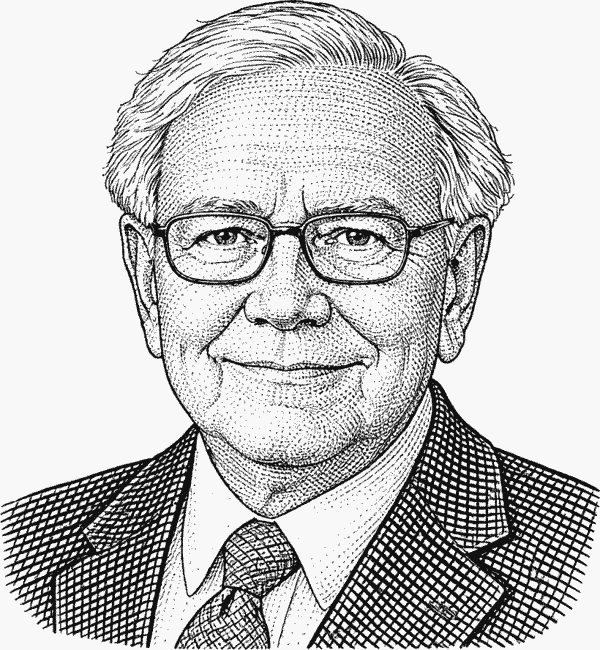
Warren Buffett quote portrait

Warren Buffett

Compounding works over decades.

Source: Berkshire Hathaway Letters · Saving

Core Idea

Small, steady gains reinvested consistently can grow into enormous wealth over long periods, making time and patience the most powerful drivers of financial success.

Practical Application

Apply this by investing regularly, reinvesting gains, avoiding frequent trading, and letting decades of disciplined, patient compounding quietly transform modest savings into substantial long-term wealth.

Why It Matters

The special insight is that exponential growth from consistent compounding is unintuitive, so true wealth comes not from brilliance or timing but from patience, discipline, and long time horizons.

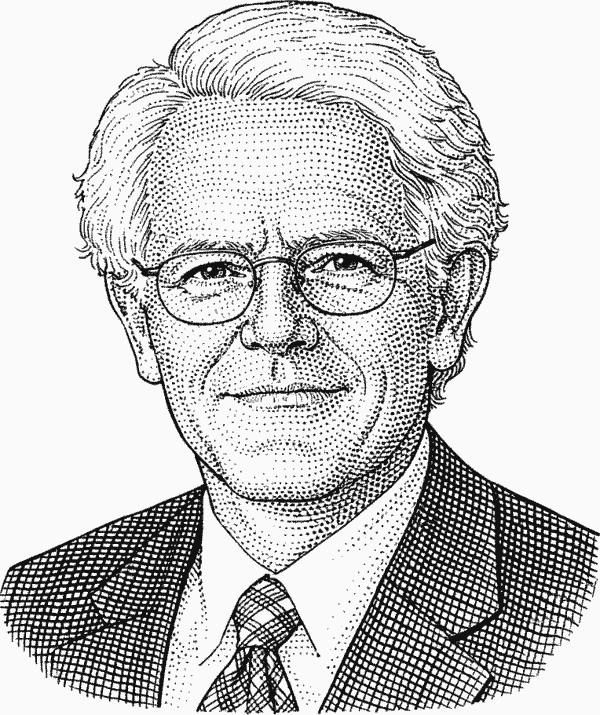
Peter Lynch quote portrait

Peter Lynch

In the long run, it's not just how much money you make that will determine your future prosperity. It's how much of that money you put to work by saving it and investing it.

Source: Speeches / Essays · Investing · Long-term

Core Idea

Long-term prosperity depends less on income level and more on consistently saving and investing a significant portion, allowing your money to grow and work for you over time.

Practical Application

Focus less on chasing higher income and more on regularly saving and investing; disciplined contributions, even if modest, harness compounding and ultimately matter more than how much you earn.

Why It Matters

True financial security springs not from high earnings alone but from deliberately saving and investing so your money compounds and increasingly works harder than you do.

Benjamin Graham quote portrait

Benjamin Graham

In the short run, the market is a voting machine but in the long run it is a weighing machine.

Source: The Intelligent Investor · Markets · Long-term

Core Idea

Graham means that short-term stock prices reflect popular opinion and emotion, but long-term returns ultimately reflect a business real economic value and fundamental performance.

Practical Application

Focus less on daily price swings and more on patiently owning financially strong, well-valued businesses, trusting that long-term fundamentals will outweigh short-term market noise.

Why It Matters

Grahams quote insightfully separates noisy short-term market sentiment from enduring business reality, teaching that disciplined investors profit by aligning decisions with intrinsic value, not crowd emotion.

Woody Allen quote portrait

Woody Allen

Money is better than poverty, if only for financial reasons.

Source: Speeches / Essays · Saving

Core Idea

The quote humorously highlights that, despite philosophical praise of poverty, money is obviously preferable because it directly solves practical, financial problems that poverty cannot.

Practical Application

As an investor, remember that solid returns are not about glamour or genius; they simply give you more choices, security, and freedom than the financial constraints of scarcity ever will.

Why It Matters

It cuts through romantic notions about poverty, reminding us that money's value is brutally simple: it solves real-world constraints that lofty ideals or clever rationalizations never can.

Robert Kiyosaki quote portrait

Robert Kiyosaki

It's not how much money you make, but how much money you keep.

Source: Speeches / Essays · Saving

Core Idea

Wealth comes from disciplined saving, wise investing, and minimizing losses, not just earning a high income; financial freedom depends on what you retain and grow over time.

Practical Application

As an investor, focus less on chasing high returns and more on consistently saving, protecting capital, and reinvesting gains so your wealth steadily compounds over time.

Why It Matters

The special insight is that lasting wealth comes from consistently preserving, compounding, and protecting your money, rather than simply increasing your income or chasing flashy, high-risk opportunities.

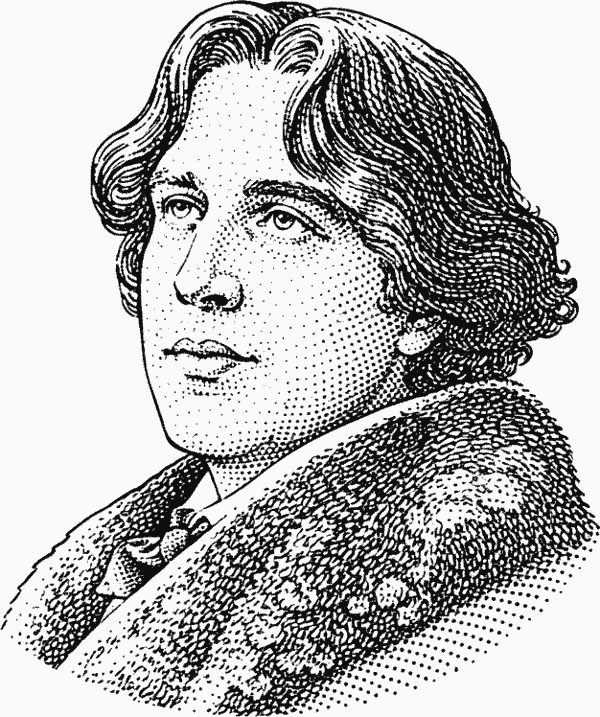
Oscar Wilde quote portrait

Oscar Wilde

When I was young I thought that money was the most important thing in life; now that I am old I know that it is.

Source: Speeches / Essays · Saving · Investing

Core Idea

Wilde wryly suggests that youthful idealism underestimates money, while age reveals its pervasive power over freedom, security, relationships, and practical happiness in real life.

Practical Application

As an investor, respect money's real-world power early: prioritize saving, compounding, and risk management now so future freedom and security are built before life forces the lesson.

Why It Matters

Wilde reveals that money, often dismissed in youth, quietly governs freedom and security, urging early financial seriousness before harsh experience proves its underestimated centrality in life.

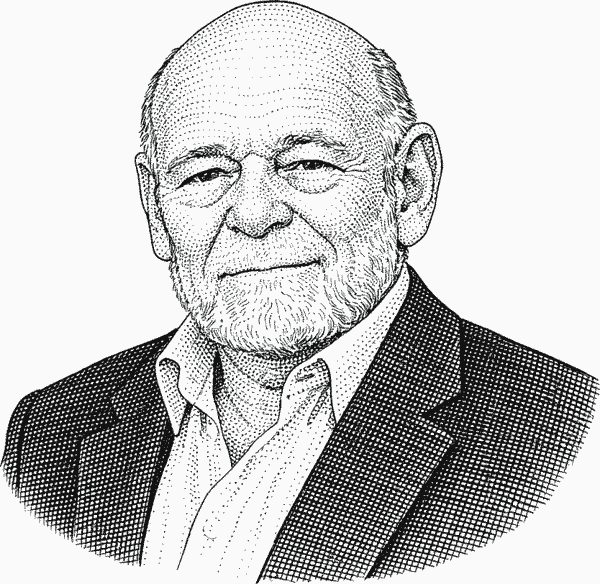
Sam Zell quote portrait

Sam Zell

Sentimentality about an investments leads to lack of discipline.

Source: Speeches / Essays · Investing · Long-term

Core Idea

The core idea is that emotional attachment to an investment undermines rational judgment, causing investors to ignore data, violate rules, and hold losing positions longer than they should.

Practical Application

To be a better investor, regularly review positions against predefined rules, and if the numbers and thesis fail, sell decisively instead of defending the investment emotionally.

Why It Matters

Zell spotlights that the real investing edge is emotional independence: the discipline to override attachment, obey rules, and let evidence, not ego, decide when to hold or exit.

John Maynard Keynes quote portrait

John Maynard Keynes

Markets can remain irrational longer than you can remain solvent.

Source: Speeches / Essays · Markets · Long-term

Core Idea

Financial markets can act unpredictably for extended periods, so betting against perceived mispricing is dangerous because you may go bankrupt before prices eventually correct.

Practical Application

Do not assume markets will quickly reflect your analysis; size positions conservatively, manage risk tightly, and stay diversified so you can survive until reality eventually matches fundamentals.

Why It Matters

It warns that timing risk can be deadlier than valuation risk: being correct too early can bankrupt you, so survival and risk control matter more than intellectual rightness.

Malon Wilkus quote portrait

Malon Wilkus

You can't restate a dividend.

Source: Speeches / Essays · Saving · Investing

Core Idea

A dividend decision permanently reallocates capital to shareholders, so managers must be disciplined and long-term focused, because unlike accounting numbers or projections, cash distributed cannot be reversed.

Practical Application

When evaluating companies, favor managements that treat dividends as irreversible capital allocations, signaling thoughtful discipline and sustainable cash generation rather than short-term appeasement based on easily adjusted accounting figures.

Why It Matters

It exposes that unlike earnings tweaks or guidance shifts, paying a dividend irreversibly locks in capital allocation, revealing managements true discipline, cash durability, and shareholder-first priorities.

Related reading

How Financial Independence Quotes Fits into Wealth Building

Use this page as one part of a broader theme-based reading path.

Back to the theme hub

Return to Wealth Building for the full set of related pages in this cluster.

Compare with categories

Also see Categories for tag-based browsing and Authors for thinker-specific reading.

Frequently asked questions

Questions About Financial Independence Quotes

Why study financial independence quotes?

Because this topic reinforces a durable part of the decision-making process and becomes more useful when you compare multiple perspectives.

How many quotes is included here?

This page includes 10 quotations selected for fit, clarity, and usefulness.

How should I use this page?

Read slowly, compare themes, and decide which ideas belong on your own checklist or process.

Are these quotes investment advice?

No. They are educational material designed to help readers think more clearly about investing and business principles.