Theme Page

Volatility Quotes

Volatility is one of the most misunderstood words in finance. Some investors treat it as synonymous with risk. Others see it as the market’s way of creating opportunity. This collection brings together quotations that help readers think more carefully about what volatility really represents and how it should be interpreted in practice. The best volatility quotes remind us that price movement is not the same thing as permanent loss. In many cases, volatility is simply the visible expression of changing emotion, shifting expectations, or short-term uncertainty. That does not make it irrelevant. But it does mean readers should be careful before treating every large move as a sign that value has changed just as dramatically. Use this page to build a calmer framework for reading market action. Volatility can be uncomfortable, but it can also be clarifying. It exposes time horizons, tests conviction, and often separates those reacting to price from those thinking about value. These quotations are most useful when they help the reader replace reflex with perspective.

Featured collection

12 Featured Volatility Quotes

A focused set of 12 quotations on volatility, each paired with context, practical application, and deeper insight.

1 of 12
Fear creates discounts - and discounts create opportunity.

Core Idea

Market panic often pushes asset prices below their true value; investors who stay rational during fear-driven selloffs can buy quality investments at discounts and profit when prices normalize.

Practical Application

When markets panic and prices plunge, calmly research strong companies, buy them at discounted valuations, and hold patiently so you profit when fear fades and prices recover.

Why It Matters

The special insight is that emotionally driven market fear misprices quality assets, rewarding patient, rational investors who buy during panic and wait for valuations to normalize.

Forecasting tells you more about the forecaster.

Core Idea

Forecasts mostly reveal the biases, assumptions, and limitations of the person making them, rather than providing reliable insight about what will actually happen in the future.

Practical Application

As an investor, treat forecasts as mirrors of analysts' biases and incentives, not crystal balls; focus instead on fundamentals, risk management, and long-term discipline.

Why It Matters

This quote reveals that predictions expose human psychology and incentive structures, teaching us to scrutinize who is speaking and why, rather than trusting the forecasted outcome itself.

Once doubt begins it spreads rapidly.

Core Idea

Keynes warns that uncertainty, once introduced, quickly multiplies through minds and markets, undermining confidence, destabilizing decisions, and intensifying economic or social crises beyond the initial doubt.

Practical Application

As an investor, guard your mindset; once you start doubting your strategy without evidence, that fear can snowball into emotional decisions, unnecessary trades, and long-term underperformance.

Why It Matters

Keynes illuminates how doubt behaves like contagion, rapidly amplifying risk perceptions and cascading through decisions, so mastering psychological resilience becomes as crucial as analytical skill.

The pendulum swings between optimism and pessimism. Markets are driven by swings in psychology, not just fundamentals.

Core Idea

Markets are shaped less by objective fundamentals than by recurring emotional extremes, as investor psychology repeatedly swings like a pendulum between excessive optimism and excessive pessimism.

Practical Application

To become a better investor, watch where the psychology pendulum is swinging, and aim to buy when fear dominates and sell or hold back when euphoria takes over.

Why It Matters

The special insight is that durable investment edge comes less from superior analysis of fundamentals and more from recognizing, resisting, and exploiting the markets recurring emotional extremes.

While some might mistakenly consider value investing a mechanical tool for identifying bargains, it is actually a comprehensive investment philosophy that emphasizes the need to perform in-depth fundamental analysis, pursue long-term investment results, limit risk, and resist crowd psychology.

Core Idea

Value investing is not just buying cheap stocks; it is a full discipline of deep analysis, patience, risk control, and independent thinking against prevailing market sentiment.

Practical Application

Apply this by studying businesses in depth, waiting patiently for clear mispricing, sizing positions conservatively, and sticking to your analysis even when the market disagrees.

Why It Matters

The special insight is that true value investing is a rigorous, discipline-driven mindset integrating analysis, patience, risk management, and independent judgment, not a simple formula for buying statistically cheap stocks.

The markets are moved by animal spirits, and not by reason.

Core Idea

Keynes suggests financial markets are driven largely by human emotions, instincts, and irrational confidence or fear, rather than by careful calculation, objective information, or purely rational expectations.

Practical Application

To be a better investor, accept that markets swing on emotion, so build rules, diversify, and stay disciplined instead of reacting impulsively to fear or excitement.

Why It Matters

Keynes insightfully reveals that financial markets mirror human psychology, showing that collective emotion often overwhelms rational analysis, so understanding sentiment can be as crucial as analyzing fundamentals.

The investor must control his emotions.

Core Idea

Successful investing requires disciplined, rational decisions based on analysis and long-term thinking, not emotional reactions to market swings, fear, greed, or short-term noise.

Practical Application

To be a better investor, create a rules-based plan, stick to it through market swings, and let research and long-term goals guide you instead of fear or excitement.

Why It Matters

The special insight is that emotional detachment enables investors to consistently exploit opportunities and manage risk rationally, while others overreact to short-term volatility, news, and crowd behavior.

Storms will happen.

Core Idea

Face inevitable setbacks and crises with preparation, resilience, and rationality, recognizing that volatility is a normal part of markets and life, not a signal to panic.

Practical Application

Use Buffets insight to expect market storms, prepare with diversification and cash reserves, and stay calm and rational, treating volatility as opportunity instead of a trigger for panic.

Why It Matters

Buffetts insight is that market turmoil is inevitable, so lasting success demands emotional resilience, preparation, and disciplined action instead of panic-driven reactions to short-term volatility.

The investor must be aware of market cycles.

Core Idea

Graham stresses that investors should recognize recurring market cycles, stay emotionally disciplined, and adjust expectations and risk levels instead of reacting blindly to temporary price movements.

Practical Application

Apply this by tracking long-term trends, setting realistic return expectations, rebalancing regularly, and resisting emotional trades during booms or crashes so temporary swings do not derail your plan.

Why It Matters

The special insight is that recognizing market cycles lets investors manage emotions, expectations, and risk proactively, turning volatility into a planning tool instead of a threat to long-term success.

I learned early that there is nothing new in Wall Street. There can't be because speculation is as old as the hills. Whatever happens in the stock market today has happened before and will happen again. I've never forgotten that.

Core Idea

Market behavior repeats because human emotions and speculative instincts never change; studying past patterns can reveal future opportunities and risks in seemingly new market events.

Practical Application

Use this insight by studying past market cycles, bubbles, and crashes, so when similar patterns reappear, you recognize emotions at play and adjust risk instead of reacting impulsively.

Why It Matters

Livermores quote reveals that recurring human psychology drives repeating market patterns, so disciplined investors can gain an edge by recognizing historical analogs instead of treating each event as unprecedented.

Every once in a while, the market does something so stupid it takes your breath away.

Core Idea

The core idea is that financial markets sometimes behave irrationally or unpredictably, defying logic and expectations so dramatically that even seasoned observers are shocked into disbelief.

Practical Application

Use this quote as a reminder to question market euphoria and panic, stay rational when prices act absurd, and anchor decisions to research, risk management, and long-term goals.

Why It Matters

This quote reveals the rare but inevitable moments when collective psychology overwhelms fundamentals, creating extreme mispricings that disciplined, prepared investors can exploit rather than fear.

I keep my options open.

Core Idea

The core idea is that maintaining flexibility, avoiding rigid commitments, and adapting to changing circumstances can increase leverage, opportunity, and negotiating power in business and life.

Practical Application

As an investor, keeping your options open means diversifying, avoiding rigid predictions, and preserving cash and flexibility so you can seize unexpected opportunities and manage risk as markets change.

Why It Matters

The special insight is that power comes from preserving flexibility and optionality, so you can exploit changing circumstances instead of being trapped by early, rigid commitments.

Full collection

Read All 12 Volatility Quotes with Context

Explore 12 volatility quotes with commentary, practical application, and deeper insight for serious readers.

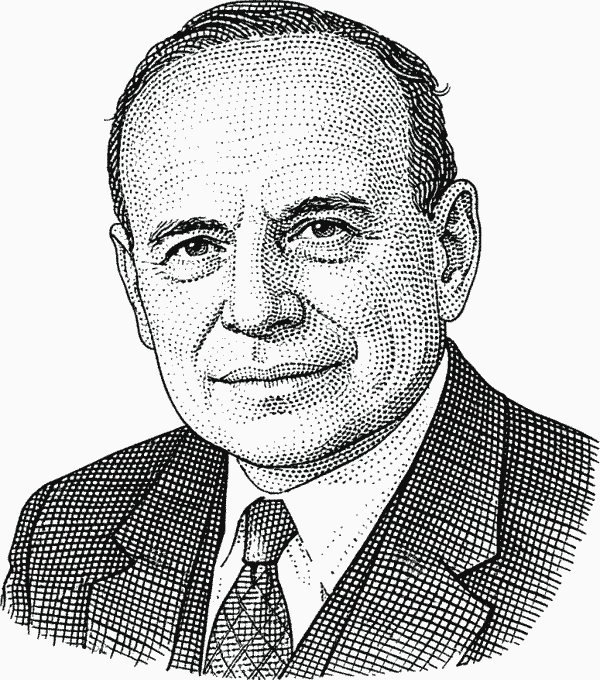
Brett Owens quote portrait

Brett Owens

Fear creates discounts - and discounts create opportunity.

Source: Contrarian Outlook · Markets · Psychology

Core Idea

Market panic often pushes asset prices below their true value; investors who stay rational during fear-driven selloffs can buy quality investments at discounts and profit when prices normalize.

Practical Application

When markets panic and prices plunge, calmly research strong companies, buy them at discounted valuations, and hold patiently so you profit when fear fades and prices recover.

Why It Matters

The special insight is that emotionally driven market fear misprices quality assets, rewarding patient, rational investors who buy during panic and wait for valuations to normalize.
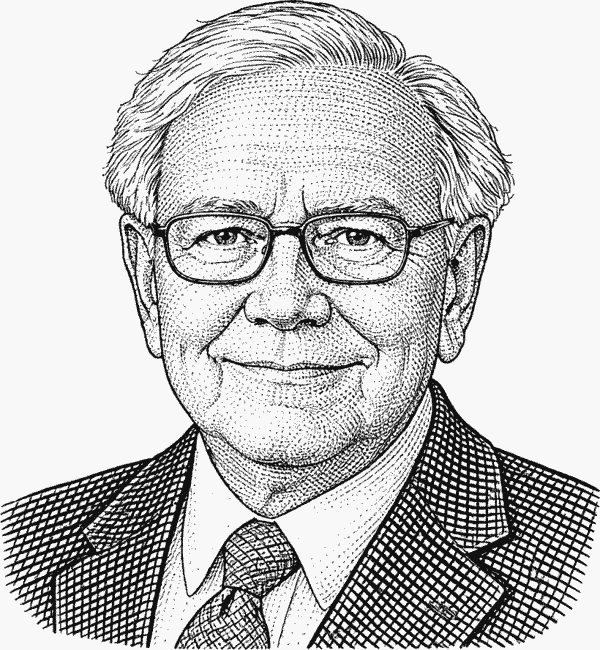
Warren Buffett quote portrait

Warren Buffett

Forecasting tells you more about the forecaster.

Source: Berkshire Hathaway Letters · Markets · Risk

Core Idea

Forecasts mostly reveal the biases, assumptions, and limitations of the person making them, rather than providing reliable insight about what will actually happen in the future.

Practical Application

As an investor, treat forecasts as mirrors of analysts' biases and incentives, not crystal balls; focus instead on fundamentals, risk management, and long-term discipline.

Why It Matters

This quote reveals that predictions expose human psychology and incentive structures, teaching us to scrutinize who is speaking and why, rather than trusting the forecasted outcome itself.

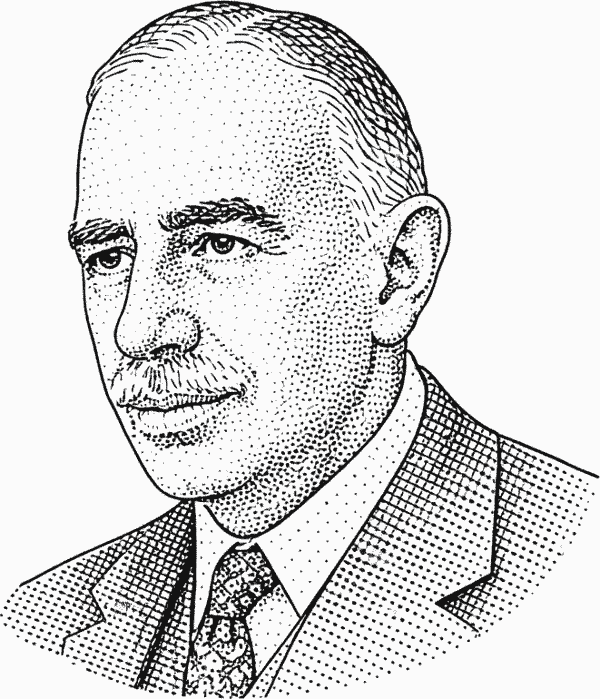
John Maynard Keynes quote portrait

John Maynard Keynes

Once doubt begins it spreads rapidly.

Source: Speeches / Essays · Markets · Psychology

Core Idea

Keynes warns that uncertainty, once introduced, quickly multiplies through minds and markets, undermining confidence, destabilizing decisions, and intensifying economic or social crises beyond the initial doubt.

Practical Application

As an investor, guard your mindset; once you start doubting your strategy without evidence, that fear can snowball into emotional decisions, unnecessary trades, and long-term underperformance.

Why It Matters

Keynes illuminates how doubt behaves like contagion, rapidly amplifying risk perceptions and cascading through decisions, so mastering psychological resilience becomes as crucial as analytical skill.

Howard Marks quote portrait

Howard Marks

The pendulum swings between optimism and pessimism. Markets are driven by swings in psychology, not just fundamentals.

Source: Memos · Investing · Psychology · Markets

Core Idea

Markets are shaped less by objective fundamentals than by recurring emotional extremes, as investor psychology repeatedly swings like a pendulum between excessive optimism and excessive pessimism.

Practical Application

To become a better investor, watch where the psychology pendulum is swinging, and aim to buy when fear dominates and sell or hold back when euphoria takes over.

Why It Matters

The special insight is that durable investment edge comes less from superior analysis of fundamentals and more from recognizing, resisting, and exploiting the markets recurring emotional extremes.

Seth Klarman quote portrait

Seth Klarman

While some might mistakenly consider value investing a mechanical tool for identifying bargains, it is actually a comprehensive investment philosophy that emphasizes the need to perform in-depth fundamental analysis, pursue long-term investment results, limit risk, and resist crowd psychology.

Source: Margin of Safety · Risk · Valuation · Investing

Core Idea

Value investing is not just buying cheap stocks; it is a full discipline of deep analysis, patience, risk control, and independent thinking against prevailing market sentiment.

Practical Application

Apply this by studying businesses in depth, waiting patiently for clear mispricing, sizing positions conservatively, and sticking to your analysis even when the market disagrees.

Why It Matters

The special insight is that true value investing is a rigorous, discipline-driven mindset integrating analysis, patience, risk management, and independent judgment, not a simple formula for buying statistically cheap stocks.

John Maynard Keynes quote portrait

John Maynard Keynes

The markets are moved by animal spirits, and not by reason.

Source: Speeches / Essays · Markets · Psychology

Core Idea

Keynes suggests financial markets are driven largely by human emotions, instincts, and irrational confidence or fear, rather than by careful calculation, objective information, or purely rational expectations.

Practical Application

To be a better investor, accept that markets swing on emotion, so build rules, diversify, and stay disciplined instead of reacting impulsively to fear or excitement.

Why It Matters

Keynes insightfully reveals that financial markets mirror human psychology, showing that collective emotion often overwhelms rational analysis, so understanding sentiment can be as crucial as analyzing fundamentals.

Benjamin Graham quote portrait

Benjamin Graham

The investor must control his emotions.

Source: The Intelligent Investor · Investing · Psychology

Core Idea

Successful investing requires disciplined, rational decisions based on analysis and long-term thinking, not emotional reactions to market swings, fear, greed, or short-term noise.

Practical Application

To be a better investor, create a rules-based plan, stick to it through market swings, and let research and long-term goals guide you instead of fear or excitement.

Why It Matters

The special insight is that emotional detachment enables investors to consistently exploit opportunities and manage risk rationally, while others overreact to short-term volatility, news, and crowd behavior.

Warren Buffett quote portrait

Warren Buffett

Storms will happen.

Source: Berkshire Hathaway Letters · Risk

Core Idea

Face inevitable setbacks and crises with preparation, resilience, and rationality, recognizing that volatility is a normal part of markets and life, not a signal to panic.

Practical Application

Use Buffets insight to expect market storms, prepare with diversification and cash reserves, and stay calm and rational, treating volatility as opportunity instead of a trigger for panic.

Why It Matters

Buffetts insight is that market turmoil is inevitable, so lasting success demands emotional resilience, preparation, and disciplined action instead of panic-driven reactions to short-term volatility.

Benjamin Graham quote portrait

Benjamin Graham

The investor must be aware of market cycles.

Source: The Intelligent Investor · Markets · Investing

Core Idea

Graham stresses that investors should recognize recurring market cycles, stay emotionally disciplined, and adjust expectations and risk levels instead of reacting blindly to temporary price movements.

Practical Application

Apply this by tracking long-term trends, setting realistic return expectations, rebalancing regularly, and resisting emotional trades during booms or crashes so temporary swings do not derail your plan.

Why It Matters

The special insight is that recognizing market cycles lets investors manage emotions, expectations, and risk proactively, turning volatility into a planning tool instead of a threat to long-term success.

Jesse Livermore quote portrait

Jesse Livermore

I learned early that there is nothing new in Wall Street. There can't be because speculation is as old as the hills. Whatever happens in the stock market today has happened before and will happen again. I've never forgotten that.

Source: Speeches / Essays · Markets

Core Idea

Market behavior repeats because human emotions and speculative instincts never change; studying past patterns can reveal future opportunities and risks in seemingly new market events.

Practical Application

Use this insight by studying past market cycles, bubbles, and crashes, so when similar patterns reappear, you recognize emotions at play and adjust risk instead of reacting impulsively.

Why It Matters

Livermores quote reveals that recurring human psychology drives repeating market patterns, so disciplined investors can gain an edge by recognizing historical analogs instead of treating each event as unprecedented.

Jim Cramer quote portrait

Jim Cramer

Every once in a while, the market does something so stupid it takes your breath away.

Source: Speeches / Essays · Markets

Core Idea

The core idea is that financial markets sometimes behave irrationally or unpredictably, defying logic and expectations so dramatically that even seasoned observers are shocked into disbelief.

Practical Application

Use this quote as a reminder to question market euphoria and panic, stay rational when prices act absurd, and anchor decisions to research, risk management, and long-term goals.

Why It Matters

This quote reveals the rare but inevitable moments when collective psychology overwhelms fundamentals, creating extreme mispricings that disciplined, prepared investors can exploit rather than fear.

Donald Trump quote portrait

Donald Trump

I keep my options open.

Source: The Art of the Deal · Psychology

Core Idea

The core idea is that maintaining flexibility, avoiding rigid commitments, and adapting to changing circumstances can increase leverage, opportunity, and negotiating power in business and life.

Practical Application

As an investor, keeping your options open means diversifying, avoiding rigid predictions, and preserving cash and flexibility so you can seize unexpected opportunities and manage risk as markets change.

Why It Matters

The special insight is that power comes from preserving flexibility and optionality, so you can exploit changing circumstances instead of being trapped by early, rigid commitments.

Related reading

How Volatility Quotes Fits into Market Behavior

Use this page as one part of a broader theme-based reading path.

Back to the theme hub

Return to Market Behavior for the full set of related pages in this cluster.

Compare with categories

Also see Categories for tag-based browsing and Authors for thinker-specific reading.

Frequently asked questions

Questions About Volatility Quotes

Why study volatility quotes?

Because this topic reinforces a durable part of the decision-making process and becomes more useful when you compare multiple perspectives.

How many quotes is included here?

This page includes 12 quotations selected for fit, clarity, and usefulness.

How should I use this page?

Read slowly, compare themes, and decide which ideas belong on your own checklist or process.

Are these quotes investment advice?

No. They are educational material designed to help readers think more clearly about investing and business principles.