Theme Page

Fear and Greed Quotes

Fear and greed are among the oldest forces in markets because they are among the oldest forces in human behavior. Prices move, narratives spread, and before long the crowd begins to feel either unstoppable confidence or paralyzing anxiety. This page gathers quotations that help readers recognize those emotional extremes and think through them more clearly. The power of these quotes is not that they name fear and greed. It is that they explain how those emotions distort judgment. Greed encourages investors to extrapolate easy gains into the future. Fear encourages them to treat temporary losses as permanent realities. Both reactions can be expensive because both weaken discipline at exactly the moments when it is needed most. Read these quotations as a guide to emotional calibration. The aim is not to become emotionless, but to become less easily pushed around by collective emotion. Over time, readers who understand fear and greed tend to make steadier decisions, especially when markets feel least steady.

Featured collection

12 Featured Fear and Greed Quotes

A focused set of 12 quotations on fear and greed, each paired with context, practical application, and deeper insight.

1 of 12
Fear creates discounts - and discounts create opportunity.

Core Idea

Market panic often pushes asset prices below their true value; investors who stay rational during fear-driven selloffs can buy quality investments at discounts and profit when prices normalize.

Practical Application

When markets panic and prices plunge, calmly research strong companies, buy them at discounted valuations, and hold patiently so you profit when fear fades and prices recover.

Why It Matters

The special insight is that emotionally driven market fear misprices quality assets, rewarding patient, rational investors who buy during panic and wait for valuations to normalize.


The pendulum swings between optimism and pessimism. Markets are driven by swings in psychology, not just fundamentals.

Core Idea

Markets are shaped less by objective fundamentals than by recurring emotional extremes, as investor psychology repeatedly swings like a pendulum between excessive optimism and excessive pessimism.

Practical Application

To become a better investor, watch where the psychology pendulum is swinging, and aim to buy when fear dominates and sell or hold back when euphoria takes over.

Why It Matters

The special insight is that durable investment edge comes less from superior analysis of fundamentals and more from recognizing, resisting, and exploiting the markets recurring emotional extremes.

Once doubt begins it spreads rapidly.

Core Idea

Keynes warns that uncertainty, once introduced, quickly multiplies through minds and markets, undermining confidence, destabilizing decisions, and intensifying economic or social crises beyond the initial doubt.

Practical Application

As an investor, guard your mindset; once you start doubting your strategy without evidence, that fear can snowball into emotional decisions, unnecessary trades, and long-term underperformance.

Why It Matters

Keynes illuminates how doubt behaves like contagion, rapidly amplifying risk perceptions and cascading through decisions, so mastering psychological resilience becomes as crucial as analytical skill.

The markets are moved by animal spirits, and not by reason.

Core Idea

Keynes suggests financial markets are driven largely by human emotions, instincts, and irrational confidence or fear, rather than by careful calculation, objective information, or purely rational expectations.

Practical Application

To be a better investor, accept that markets swing on emotion, so build rules, diversify, and stay disciplined instead of reacting impulsively to fear or excitement.

Why It Matters

Keynes insightfully reveals that financial markets mirror human psychology, showing that collective emotion often overwhelms rational analysis, so understanding sentiment can be as crucial as analyzing fundamentals.

Investor psychology is highly contagious.

Core Idea

Investor psychology spreads quickly through markets, causing individuals to adopt shared optimism or fear, often amplifying price swings and detaching asset values from underlying fundamentals.

Practical Application

Remember that crowds swing between greed and fear; by staying rational, independent, and patient when others overreact, you protect yourself from herd behavior and improve long-term returns.

Why It Matters

The insight is that market moves often stem from contagious emotions, so disciplined investors can gain an edge by resisting herd psychology and acting on fundamentals instead.

The investor should avoid emotional biases.

Core Idea

Successful investing requires disciplined, rational decisions based on facts and analysis, not reactions driven by fear, greed, excitement, or other emotional impulses that distort sound judgment.

Practical Application

When markets surge or crash, pause, review your analysis, and follow your plan instead of reacting emotionally, so your decisions stay rational, consistent, and aligned with long-term goals.

Why It Matters

The insight is that emotional discipline, not intelligence or complex strategies, most reliably separates successful long-term investors from those who let fear or greed sabotage sound decisions.

We simply attempt to be fearful when others are greedy.

Core Idea

The core idea is to be cautious and conservative when markets are euphoric, and bold and opportunistic when others are scared and fleeing investments.

Practical Application

Apply Buffetts quote by calmly saving cash during euphoric booms and then patiently buying strong, undervalued assets when fear drives prices well below their long-term business value.

Why It Matters

Buffetts quote highlights the contrarian insight that real investing edge comes from resisting crowd psychology, using discipline and patience to profit from extreme fear and irrational exuberance.

Cycles are one of the most dependable features of the investment world.

Core Idea

Markets are never static; prices, sentiment, and fundamentals repeatedly swing between extremes, so investors must anticipate and adapt to recurring cycles instead of expecting straight-line progress.

Practical Application

By recognizing that markets always move in cycles, you can avoid chasing euphoria or panicking in despair, instead patiently positioning yourself for the next inevitable swing.

Why It Matters

The special insight is that recurring market cycles make extremes of fear and greed predictable, allowing disciplined investors to profit by acting contrary to prevailing sentiment.

Be greedy when others are fearful.

Core Idea

The core idea is to act rationally and opportunistically, buying quality assets cheaply when panic depresses prices, instead of following the crowd and selling in fear.

Practical Application

When markets plunge and headlines scream panic, calmly research strong companies, ignore the crowd, and buy only when prices fall far below long-term business value and your analysis supports it.

Why It Matters

Its special insight is that the best opportunities arise when emotions distort prices, so disciplined investors can profit by buying durable value precisely when others irrationally flee.

The investor must control his emotions.

Core Idea

Successful investing requires disciplined, rational decisions based on analysis and long-term thinking, not emotional reactions to market swings, fear, greed, or short-term noise.

Practical Application

To be a better investor, create a rules-based plan, stick to it through market swings, and let research and long-term goals guide you instead of fear or excitement.

Why It Matters

The special insight is that emotional detachment enables investors to consistently exploit opportunities and manage risk rationally, while others overreact to short-term volatility, news, and crowd behavior.

Markets are inherently unstable.

Core Idea

Graham warns that markets constantly fluctuate due to changing emotions and information, so prices often diverge from underlying value, demanding disciplined, rational investing and a margin of safety.

Practical Application

Because markets swing with fear and greed, apply this quote by calmly buying only when assets are undervalued, insisting on a margin of safety, and ignoring short-term noise.

Why It Matters

True investing success comes from recognizing markets as emotional voting machines, exploiting mispricings with discipline, patience, and a margin of safety instead of reacting to constant price volatility.

Market movements are often irrational.

Core Idea

Graham warns that stock prices often disconnect from business realities, driven by emotion and speculation, so investors should rely on analysis and discipline instead of market sentiment.

Practical Application

Apply this by ignoring daily price swings, focusing on business fundamentals, and buying or holding only when analysis justifies it, regardless of crowd excitement or fear.

Why It Matters

This quote reveals that enduring investment success comes from rational appraisal of intrinsic value, not reacting to markets, which frequently misprice assets due to fear, greed, and herd behavior.

Full collection

Read All 12 Fear and Greed Quotes with Context

Explore 12 fear and greed quotes with commentary, practical application, and deeper insight for serious readers.

Brett Owens quote portrait

Brett Owens

Fear creates discounts - and discounts create opportunity.

Source: Contrarian Outlook · Markets · Psychology

Core Idea

Market panic often pushes asset prices below their true value; investors who stay rational during fear-driven selloffs can buy quality investments at discounts and profit when prices normalize.

Practical Application

When markets panic and prices plunge, calmly research strong companies, buy them at discounted valuations, and hold patiently so you profit when fear fades and prices recover.

Why It Matters

The special insight is that emotionally driven market fear misprices quality assets, rewarding patient, rational investors who buy during panic and wait for valuations to normalize.
Howard Marks quote portrait

Howard Marks

The pendulum swings between optimism and pessimism. Markets are driven by swings in psychology, not just fundamentals.

Source: Memos · Investing · Psychology · Markets

Core Idea

Markets are shaped less by objective fundamentals than by recurring emotional extremes, as investor psychology repeatedly swings like a pendulum between excessive optimism and excessive pessimism.

Practical Application

To become a better investor, watch where the psychology pendulum is swinging, and aim to buy when fear dominates and sell or hold back when euphoria takes over.

Why It Matters

The special insight is that durable investment edge comes less from superior analysis of fundamentals and more from recognizing, resisting, and exploiting the markets recurring emotional extremes.

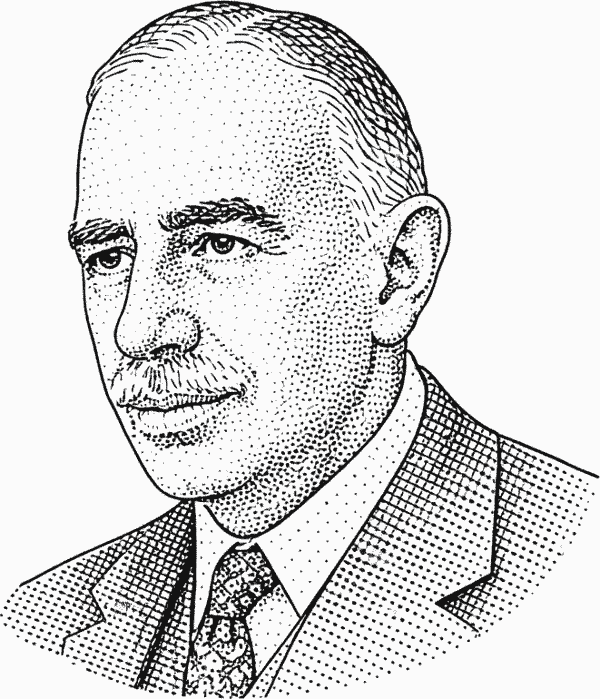
John Maynard Keynes quote portrait

John Maynard Keynes

Once doubt begins it spreads rapidly.

Source: Speeches / Essays · Markets · Psychology

Core Idea

Keynes warns that uncertainty, once introduced, quickly multiplies through minds and markets, undermining confidence, destabilizing decisions, and intensifying economic or social crises beyond the initial doubt.

Practical Application

As an investor, guard your mindset; once you start doubting your strategy without evidence, that fear can snowball into emotional decisions, unnecessary trades, and long-term underperformance.

Why It Matters

Keynes illuminates how doubt behaves like contagion, rapidly amplifying risk perceptions and cascading through decisions, so mastering psychological resilience becomes as crucial as analytical skill.

John Maynard Keynes quote portrait

John Maynard Keynes

The markets are moved by animal spirits, and not by reason.

Source: Speeches / Essays · Markets · Psychology

Core Idea

Keynes suggests financial markets are driven largely by human emotions, instincts, and irrational confidence or fear, rather than by careful calculation, objective information, or purely rational expectations.

Practical Application

To be a better investor, accept that markets swing on emotion, so build rules, diversify, and stay disciplined instead of reacting impulsively to fear or excitement.

Why It Matters

Keynes insightfully reveals that financial markets mirror human psychology, showing that collective emotion often overwhelms rational analysis, so understanding sentiment can be as crucial as analyzing fundamentals.

Howard Marks quote portrait

Howard Marks

Investor psychology is highly contagious.

Source: Memos · Investing · Psychology

Core Idea

Investor psychology spreads quickly through markets, causing individuals to adopt shared optimism or fear, often amplifying price swings and detaching asset values from underlying fundamentals.

Practical Application

Remember that crowds swing between greed and fear; by staying rational, independent, and patient when others overreact, you protect yourself from herd behavior and improve long-term returns.

Why It Matters

The insight is that market moves often stem from contagious emotions, so disciplined investors can gain an edge by resisting herd psychology and acting on fundamentals instead.

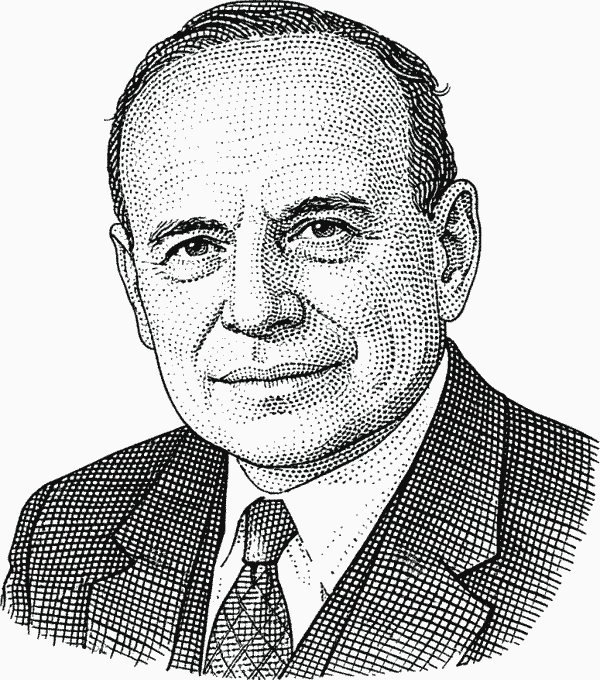
Benjamin Graham quote portrait

Benjamin Graham

The investor should avoid emotional biases.

Source: The Intelligent Investor · Investing · Psychology

Core Idea

Successful investing requires disciplined, rational decisions based on facts and analysis, not reactions driven by fear, greed, excitement, or other emotional impulses that distort sound judgment.

Practical Application

When markets surge or crash, pause, review your analysis, and follow your plan instead of reacting emotionally, so your decisions stay rational, consistent, and aligned with long-term goals.

Why It Matters

The insight is that emotional discipline, not intelligence or complex strategies, most reliably separates successful long-term investors from those who let fear or greed sabotage sound decisions.

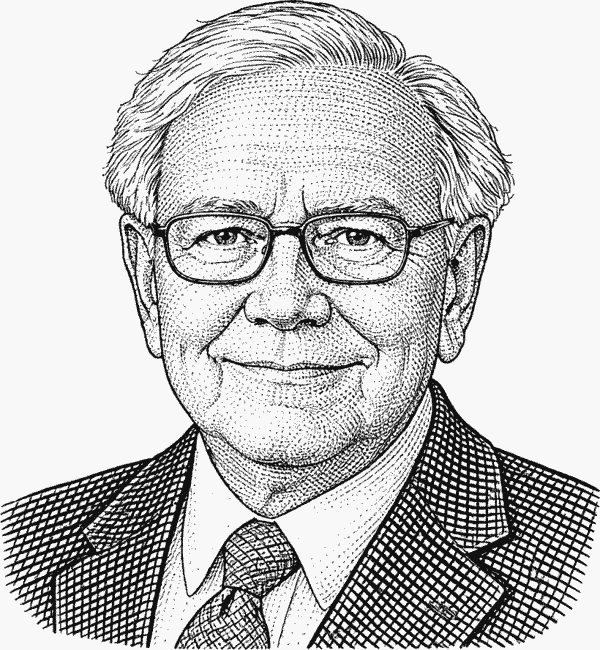
Warren Buffett quote portrait

Warren Buffett

We simply attempt to be fearful when others are greedy.

Source: Berkshire Hathaway Letters · Investing · Psychology

Core Idea

The core idea is to be cautious and conservative when markets are euphoric, and bold and opportunistic when others are scared and fleeing investments.

Practical Application

Apply Buffetts quote by calmly saving cash during euphoric booms and then patiently buying strong, undervalued assets when fear drives prices well below their long-term business value.

Why It Matters

Buffetts quote highlights the contrarian insight that real investing edge comes from resisting crowd psychology, using discipline and patience to profit from extreme fear and irrational exuberance.

Howard Marks quote portrait

Howard Marks

Cycles are one of the most dependable features of the investment world.

Source: Memos · Investing · Psychology · Contrarian

Core Idea

Markets are never static; prices, sentiment, and fundamentals repeatedly swing between extremes, so investors must anticipate and adapt to recurring cycles instead of expecting straight-line progress.

Practical Application

By recognizing that markets always move in cycles, you can avoid chasing euphoria or panicking in despair, instead patiently positioning yourself for the next inevitable swing.

Why It Matters

The special insight is that recurring market cycles make extremes of fear and greed predictable, allowing disciplined investors to profit by acting contrary to prevailing sentiment.

Warren Buffett quote portrait

Warren Buffett

Be greedy when others are fearful.

Source: Berkshire Hathaway Letters · Psychology

Core Idea

The core idea is to act rationally and opportunistically, buying quality assets cheaply when panic depresses prices, instead of following the crowd and selling in fear.

Practical Application

When markets plunge and headlines scream panic, calmly research strong companies, ignore the crowd, and buy only when prices fall far below long-term business value and your analysis supports it.

Why It Matters

Its special insight is that the best opportunities arise when emotions distort prices, so disciplined investors can profit by buying durable value precisely when others irrationally flee.

Benjamin Graham quote portrait

Benjamin Graham

The investor must control his emotions.

Source: The Intelligent Investor · Investing · Psychology

Core Idea

Successful investing requires disciplined, rational decisions based on analysis and long-term thinking, not emotional reactions to market swings, fear, greed, or short-term noise.

Practical Application

To be a better investor, create a rules-based plan, stick to it through market swings, and let research and long-term goals guide you instead of fear or excitement.

Why It Matters

The special insight is that emotional detachment enables investors to consistently exploit opportunities and manage risk rationally, while others overreact to short-term volatility, news, and crowd behavior.

Benjamin Graham quote portrait

Benjamin Graham

Markets are inherently unstable.

Source: The Intelligent Investor · Markets

Core Idea

Graham warns that markets constantly fluctuate due to changing emotions and information, so prices often diverge from underlying value, demanding disciplined, rational investing and a margin of safety.

Practical Application

Because markets swing with fear and greed, apply this quote by calmly buying only when assets are undervalued, insisting on a margin of safety, and ignoring short-term noise.

Why It Matters

True investing success comes from recognizing markets as emotional voting machines, exploiting mispricings with discipline, patience, and a margin of safety instead of reacting to constant price volatility.

Benjamin Graham quote portrait

Benjamin Graham

Market movements are often irrational.

Source: The Intelligent Investor · Markets

Core Idea

Graham warns that stock prices often disconnect from business realities, driven by emotion and speculation, so investors should rely on analysis and discipline instead of market sentiment.

Practical Application

Apply this by ignoring daily price swings, focusing on business fundamentals, and buying or holding only when analysis justifies it, regardless of crowd excitement or fear.

Why It Matters

This quote reveals that enduring investment success comes from rational appraisal of intrinsic value, not reacting to markets, which frequently misprice assets due to fear, greed, and herd behavior.

Related reading

How Fear and Greed Quotes Fits into Market Behavior

Use this page as one part of a broader theme-based reading path.

Back to the theme hub

Return to Market Behavior for the full set of related pages in this cluster.

Compare with categories

Also see Categories for tag-based browsing and Authors for thinker-specific reading.

Frequently asked questions

Questions About Fear and Greed Quotes

Why study fear and greed quotes?

Because this topic reinforces a durable part of the decision-making process and becomes more useful when you compare multiple perspectives.

How many quotes is included here?

This page includes 12 quotations selected for fit, clarity, and usefulness.

How should I use this page?

Read slowly, compare themes, and decide which ideas belong on your own checklist or process.

Are these quotes investment advice?

No. They are educational material designed to help readers think more clearly about investing and business principles.