Risk & Long-Term Thinking

15 Investing Quotes About Risk, Uncertainty, and Surviving Mistakes

The best risk & long-term thinking survive because they condense long experience into language you can remember when judgment matters most. This collection focuses on enduring ideas around risk, uncertainty, downside, capital loss, not as slogans to admire from a distance, but as working principles that can improve how readers analyze businesses, think about markets, and make decisions over time. A truly useful quote does more than sound wise. It clarifies what deserves attention when headlines become noisy, prices become emotional, or a complex decision needs to be reduced to first principles. That is why serious investors and business builders keep returning to memorable lines from disciplined thinkers. They use them to sharpen checklists, reinforce patience, and remember what usually matters more than the latest market move. Each quote on this page is paired with context, practical application, and a deeper explanation so the lesson does not remain abstract. Read these selections slowly. Ask what each one implies about process, valuation, risk, incentives, or temperament. The goal is not to collect clever sentences. The goal is to build a sturdier mental framework for acting well under pressure. Over time, the readers who benefit most from pages like this are the ones who revisit durable ideas until they become habits. Capital compounds, but so does judgment. Returning to the right ideas again and again is one way thoughtful readers improve both.

Featured collection

15 Ideas Worth Revisiting

A curated set of 15 quotes, each paired with context, practical application, and deeper insight.

1 of 15
Lower risk for higher reward sounds like voodoo, but the data show it can occur.

Core idea

Counterintuitively, carefully selected preferred stocks can simultaneously reduce portfolio volatility and increase returns, challenging the traditional belief that higher rewards always require accepting higher risk.

Practical application

As an aspiring better investor, you can apply this insight by targeting mispriced, high-quality preferred stocks that historically deliver steadier income and capital preservation while still outperforming many common-stock portfolios.

Why it matters

Le Du's insight reveals that selectively chosen preferred stocks can defy the usual risk-return tradeoff, delivering both lower volatility and superior long-term gains versus many common-stock strategies.

The purpose of the margin of safety is to render the forecast unnecessary.

Core idea

By buying far below conservative intrinsic value, investors protect themselves against errors, surprises, and uncertainty so future predictions become less critical to achieving satisfactory long-term returns.

Practical application

In real life, apply Grahams idea by only buying quality investments well below conservative value, so even if your forecasts are wrong, you still have strong downside protection.

Why it matters

Grahams insight is that safety in investing comes less from accurate forecasts and more from demanding a steep discount to cautious value, making future uncertainty far less dangerous.

The problem is that with so much attention being paid to the upside, it is easy to lose sight of the risk.

Core idea

Focusing mainly on potential gains blinds investors to possible losses, leading to poor risk assessment, overconfidence, and vulnerable portfolios when markets or assumptions inevitably change.

Practical application

In real life, apply this by always asking "What can go wrong?" before investing, stress-testing your assumptions, and prioritizing downside protection over chasing the highest possible return.

Why it matters

The insight is that disciplined investors must treat risk as primary, rigorously evaluating potential loss and uncertainty instead of being seduced by optimistic projections of upside returns.

I want people who understand risk.

Core idea

Zell values people who can realistically assess, price, and manage downside and upside, making bold decisions without recklessness or naivete, because disciplined risk-taking drives superior long-term returns.

Practical application

To become a better investor, train yourself to see risk clearly, price it rationally, and act decisively, so you can pursue big opportunities without gambling your future.

Why it matters

Zell highlights that true edge lies in clear-eyed risk mastery - sizing, pricing, and owning uncertainty - enabling bold yet survivable bets that compound superior returns over time.

The disciplined pursuit of bargains makes value investing very much a risk-averse approach.

Core idea

Careful value investors reduce risk by buying quality businesses only when prices fall well below intrinsic value, creating a margin of safety through disciplined bargain hunting.

Practical application

Apply this by patiently waiting for strong companies to trade well below your estimate of intrinsic value, then buying decisively to lock in a margin of safety and limit downside risk.

Why it matters

True value investing transforms risk management into opportunity by insisting on a wide margin of safety, turning market mispricing into protection against permanent capital loss.

Risk control is the most important element in investing.

Core idea

The core idea is that long-term investment success depends more on consistently managing downside risk and avoiding big losses than on aggressively chasing high returns.

Practical application

To be a better investor, focus daily on protecting your capital, avoiding big mistakes, and surviving bad markets rather than chasing impressive short-term returns.

Why it matters

True investing skill lies in relentless risk control, because avoiding large, permanent losses compounds far more powerfully over time than occasionally achieving spectacular gains.

There is always something to worry about.

Core idea

Uncertainty is constant.

Practical application

Do not wait for perfect conditions - they never arrive.

Why it matters

Markets always give you reasons not to invest.

Volatility is not risk; permanent loss is.

Core idea

The core idea is that temporary price swings do not matter much; the real danger is losing money permanently by overpaying or owning businesses with lasting fundamental problems.

Practical application

Focus less on short-term stock swings and more on avoiding overpaying, excessive leverage, and weak businesses that can cause lasting, irreversible losses to your invested capital.

Why it matters

It reframes risk from price movement to permanent capital loss, guiding investors to prioritize business quality, valuation, and durability over short-term volatility and market noise.

Derivatives are dangerous.

Core idea

Buffett warns that derivatives, while useful for hedging, can magnify leverage, obscure real risk, and create systemic vulnerabilities that are misunderstood until crises expose massive hidden losses.

Practical application

As an investor, remember derivatives can quietly amplify leverage and obscure true exposure, so understand underlying risks fully and avoid complexity you cannot clearly measure, explain, and withstand.

Why it matters

The special insight is that financial innovation like derivatives often hides leverage and interconnected risk, so apparent sophistication can actually increase fragility and catastrophic downside in unpredictable ways.

You have to be prepared to take risks.

Core idea

Success and meaningful progress require leaving your comfort zone, embracing uncertainty, and acting decisively despite possible failure, because great opportunities rarely come without significant risk.

Practical application

As an investor, accept calculated risks, research thoroughly, diversify intelligently, and act decisively despite uncertainty, because meaningful long-term gains rarely come from staying entirely in your comfort zone.

Why it matters

True success demands stepping beyond safety, embracing uncertainty with informed courage, and recognizing that transformative opportunities almost always require accepting real, calculated risk.

If you play games where others have the aptitude and you don't, you will lose.

Core idea

You must choose arenas that match your strengths; competing where others have superior skill or knowledge guarantees persistent disadvantage, poor decisions, and ultimately losing over time.

Practical application

To become a better investor, focus on businesses and strategies you truly understand, avoiding complex arenas where others hold clear informational, analytical, or psychological advantages over you.

Why it matters

The insight is that sustainable success comes from deliberately choosing competitive arenas aligned with your unique strengths, not battling experts on their home turf where you are structurally outmatched.

High yields aren't risky if you understand why they exist.

Core idea

High yields are not automatically dangerous; they can be reasonable opportunities when you clearly understand the underlying business, payout sources, and specific risks that create those elevated yields.

Practical application

Apply this by digging into each high-yield investment: study its business model, cash flows, and risk drivers before buying, instead of blindly chasing the biggest advertised payout.

Why it matters

The insight is that high yields signal a story, not automatic danger; informed investors can exploit mispricings by understanding the specific structural, cyclical, or temporary risks behind those payouts.

A risk-reward ratio is important, but so is an aggravation-satisfaction ratio.

Core idea

True success in decisions and careers weighs not only financial risk versus reward, but also how much stress or aggravation you endure compared with the personal satisfaction you gain.

Practical application

As you choose investments, weigh not just potential returns against risks, but also how much stress, time, and worry they cost versus the genuine satisfaction and freedom they bring.

Why it matters

True wisdom means optimizing not just money and outcomes, but also your emotional balance sheet: minimizing chronic aggravation while maximizing sustained satisfaction and peace of mind.

The policy of being too cautious is the greatest risk of all.

Core idea

Avoiding decisive action out of excessive caution can cause missed opportunities and greater long-term harm than the risks we were originally afraid to confront.

Practical application

As an investor, overanalyzing and never acting can quietly erode your wealth; measured, informed risks often protect and grow capital better than perpetual hesitation.

Why it matters

Recognizing that inaction itself carries hidden costs, this quote exposes how excessive caution can quietly sabotage long-term success more than bold, well-reasoned risks ever could.

Once doubt begins it spreads rapidly.

Core idea

Keynes warns that uncertainty, once introduced, quickly multiplies through minds and markets, undermining confidence, destabilizing decisions, and intensifying economic or social crises beyond the initial doubt.

Practical application

As an investor, guard your mindset; once you start doubting your strategy without evidence, that fear can snowball into emotional decisions, unnecessary trades, and long-term underperformance.

Why it matters

Keynes illuminates how doubt behaves like contagion, rapidly amplifying risk perceptions and cascading through decisions, so mastering psychological resilience becomes as crucial as analytical skill.

What these quotes have in common

Key Ideas Behind Risk & Long-Term Thinking

What this page emphasizes

These selections keep returning to risk, practical judgment, and the habit of separating noise from durable business reality.

How to use this page

Treat each quotation as a prompt for process. Ask what it changes about your checklist, your valuation discipline, or the way you respond to uncertainty.

Full collection

Read Every Quote with Context

For readers who prefer to study rather than skim, here is the complete set in a clean reading format.

Doug K. Le Du quote portrait about risk

Doug K. Le Du

Lower risk for higher reward sounds like voodoo, but the data show it can occur.

Source: , 5th Edition

Core idea

Counterintuitively, carefully selected preferred stocks can simultaneously reduce portfolio volatility and increase returns, challenging the traditional belief that higher rewards always require accepting higher risk.

Practical application

As an aspiring better investor, you can apply this insight by targeting mispriced, high-quality preferred stocks that historically deliver steadier income and capital preservation while still outperforming many common-stock portfolios.

Why it matters

Le Du's insight reveals that selectively chosen preferred stocks can defy the usual risk-return tradeoff, delivering both lower volatility and superior long-term gains versus many common-stock strategies.
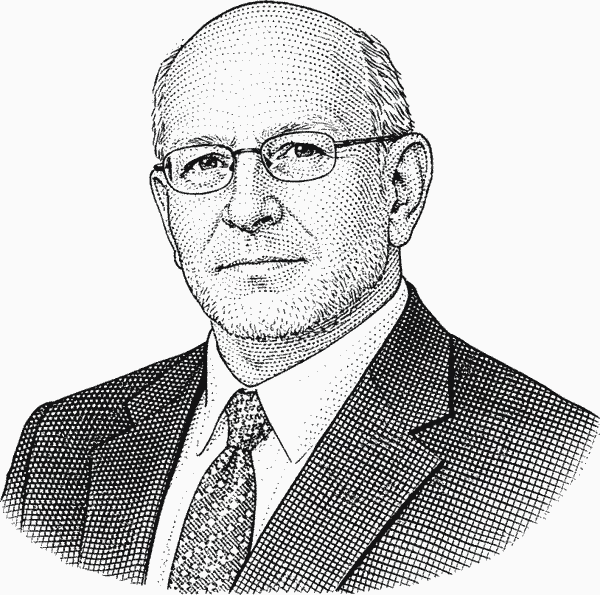
Benjamin Graham quote portrait about risk

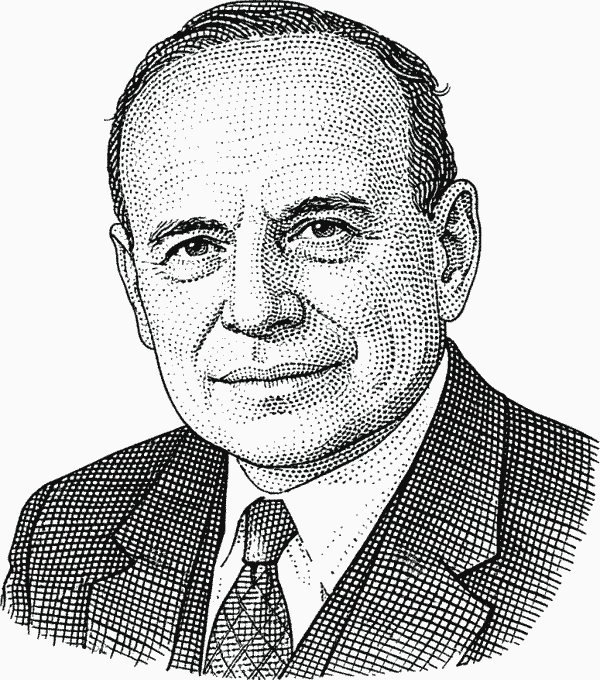
Benjamin Graham

The purpose of the margin of safety is to render the forecast unnecessary.

Source: The Intelligent Investor

Core idea

By buying far below conservative intrinsic value, investors protect themselves against errors, surprises, and uncertainty so future predictions become less critical to achieving satisfactory long-term returns.

Practical application

In real life, apply Grahams idea by only buying quality investments well below conservative value, so even if your forecasts are wrong, you still have strong downside protection.

Why it matters

Grahams insight is that safety in investing comes less from accurate forecasts and more from demanding a steep discount to cautious value, making future uncertainty far less dangerous.

Seth Klarman quote portrait about risk

Seth Klarman

The problem is that with so much attention being paid to the upside, it is easy to lose sight of the risk.

Source: Margin of Safety

Core idea

Focusing mainly on potential gains blinds investors to possible losses, leading to poor risk assessment, overconfidence, and vulnerable portfolios when markets or assumptions inevitably change.

Practical application

In real life, apply this by always asking "What can go wrong?" before investing, stress-testing your assumptions, and prioritizing downside protection over chasing the highest possible return.

Why it matters

The insight is that disciplined investors must treat risk as primary, rigorously evaluating potential loss and uncertainty instead of being seduced by optimistic projections of upside returns.

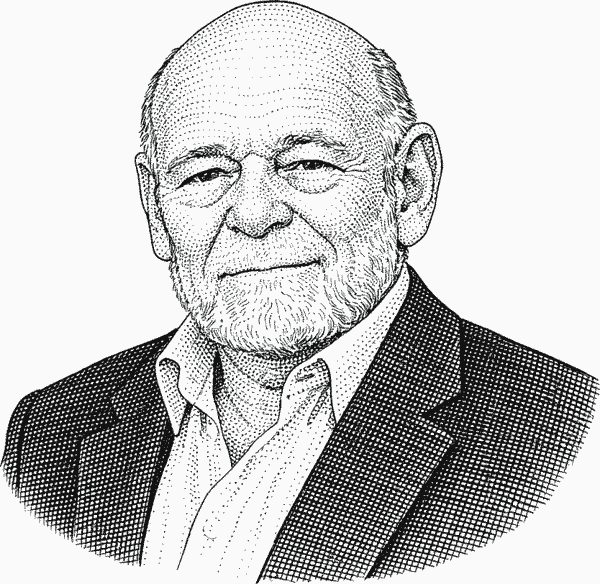
Sam Zell quote portrait about risk

Sam Zell

I want people who understand risk.

Source: Am I Being Too Subtle

Core idea

Zell values people who can realistically assess, price, and manage downside and upside, making bold decisions without recklessness or naivete, because disciplined risk-taking drives superior long-term returns.

Practical application

To become a better investor, train yourself to see risk clearly, price it rationally, and act decisively, so you can pursue big opportunities without gambling your future.

Why it matters

Zell highlights that true edge lies in clear-eyed risk mastery - sizing, pricing, and owning uncertainty - enabling bold yet survivable bets that compound superior returns over time.

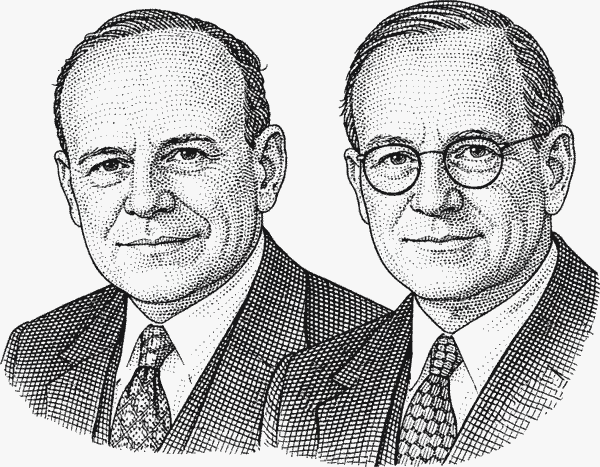
Benjamin Graham & David Dodd quote portrait about risk, valuation

Benjamin Graham & David Dodd

The disciplined pursuit of bargains makes value investing very much a risk-averse approach.

Source: Security Analysis

Core idea

Careful value investors reduce risk by buying quality businesses only when prices fall well below intrinsic value, creating a margin of safety through disciplined bargain hunting.

Practical application

Apply this by patiently waiting for strong companies to trade well below your estimate of intrinsic value, then buying decisively to lock in a margin of safety and limit downside risk.

Why it matters

True value investing transforms risk management into opportunity by insisting on a wide margin of safety, turning market mispricing into protection against permanent capital loss.

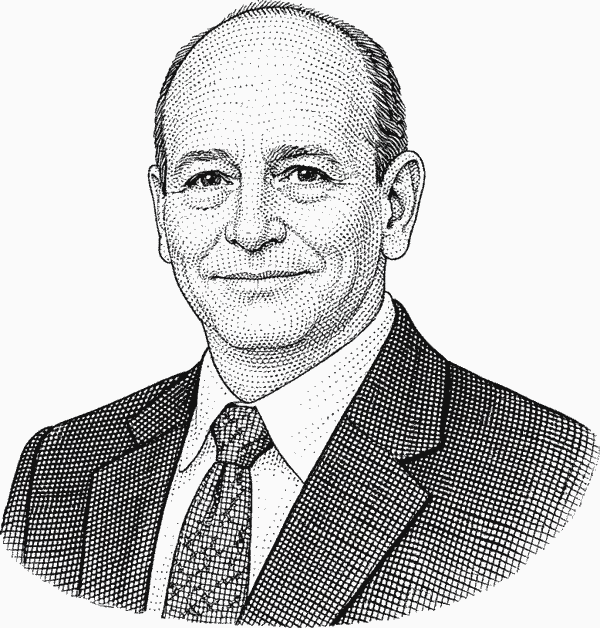
Howard Marks quote portrait about investing, risk

Howard Marks

Risk control is the most important element in investing.

Source: Memos

Core idea

The core idea is that long-term investment success depends more on consistently managing downside risk and avoiding big losses than on aggressively chasing high returns.

Practical application

To be a better investor, focus daily on protecting your capital, avoiding big mistakes, and surviving bad markets rather than chasing impressive short-term returns.

Why it matters

True investing skill lies in relentless risk control, because avoiding large, permanent losses compounds far more powerfully over time than occasionally achieving spectacular gains.

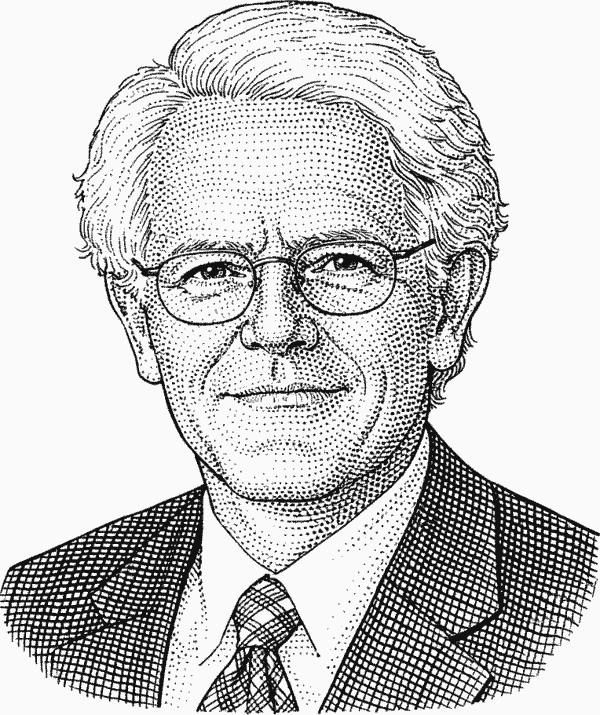
Peter Lynch quote portrait about risk

Peter Lynch

There is always something to worry about.

Source: Beating the Street

Core idea

Uncertainty is constant.

Practical application

Do not wait for perfect conditions - they never arrive.

Why it matters

Markets always give you reasons not to invest.

Joel Greenblatt quote portrait about risk

Joel Greenblatt

Volatility is not risk; permanent loss is.

Source: The Little Book That Beats the Market

Core idea

The core idea is that temporary price swings do not matter much; the real danger is losing money permanently by overpaying or owning businesses with lasting fundamental problems.

Practical application

Focus less on short-term stock swings and more on avoiding overpaying, excessive leverage, and weak businesses that can cause lasting, irreversible losses to your invested capital.

Why it matters

It reframes risk from price movement to permanent capital loss, guiding investors to prioritize business quality, valuation, and durability over short-term volatility and market noise.

Warren Buffett quote portrait about risk

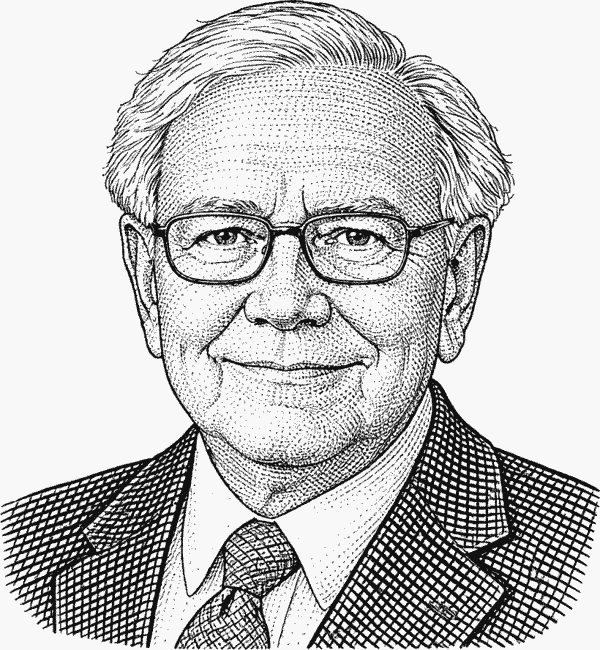
Warren Buffett

Derivatives are dangerous.

Source: Berkshire Hathaway Letters

Core idea

Buffett warns that derivatives, while useful for hedging, can magnify leverage, obscure real risk, and create systemic vulnerabilities that are misunderstood until crises expose massive hidden losses.

Practical application

As an investor, remember derivatives can quietly amplify leverage and obscure true exposure, so understand underlying risks fully and avoid complexity you cannot clearly measure, explain, and withstand.

Why it matters

The special insight is that financial innovation like derivatives often hides leverage and interconnected risk, so apparent sophistication can actually increase fragility and catastrophic downside in unpredictable ways.

Donald Trump quote portrait about risk

Donald Trump

You have to be prepared to take risks.

Source: The Art of the Deal

Core idea

Success and meaningful progress require leaving your comfort zone, embracing uncertainty, and acting decisively despite possible failure, because great opportunities rarely come without significant risk.

Practical application

As an investor, accept calculated risks, research thoroughly, diversify intelligently, and act decisively despite uncertainty, because meaningful long-term gains rarely come from staying entirely in your comfort zone.

Why it matters

True success demands stepping beyond safety, embracing uncertainty with informed courage, and recognizing that transformative opportunities almost always require accepting real, calculated risk.

Charlie Munger quote portrait about wisdom, risk

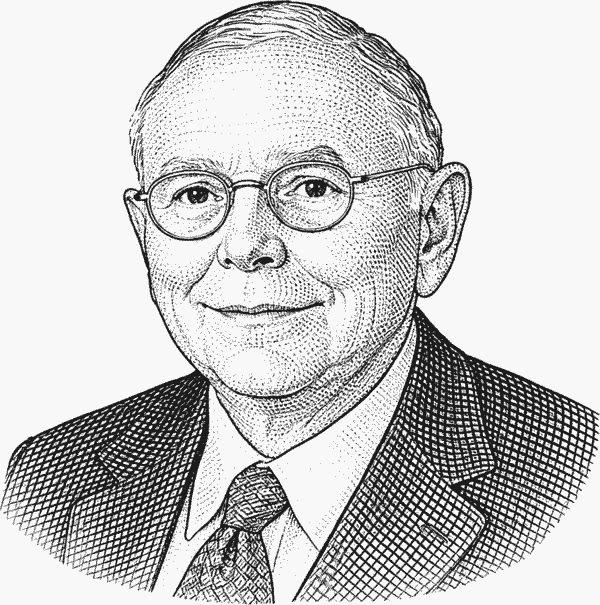
Charlie Munger

If you play games where others have the aptitude and you don't, you will lose.

Source: Art of Stock Picking

Core idea

You must choose arenas that match your strengths; competing where others have superior skill or knowledge guarantees persistent disadvantage, poor decisions, and ultimately losing over time.

Practical application

To become a better investor, focus on businesses and strategies you truly understand, avoiding complex arenas where others hold clear informational, analytical, or psychological advantages over you.

Why it matters

The insight is that sustainable success comes from deliberately choosing competitive arenas aligned with your unique strengths, not battling experts on their home turf where you are structurally outmatched.

Brett Owens quote portrait about risk, investing

Brett Owens

High yields aren't risky if you understand why they exist.

Source:

Core idea

High yields are not automatically dangerous; they can be reasonable opportunities when you clearly understand the underlying business, payout sources, and specific risks that create those elevated yields.

Practical application

Apply this by digging into each high-yield investment: study its business model, cash flows, and risk drivers before buying, instead of blindly chasing the biggest advertised payout.

Why it matters

The insight is that high yields signal a story, not automatic danger; informed investors can exploit mispricings by understanding the specific structural, cyclical, or temporary risks behind those payouts.

Muriel Siebert quote portrait about risk

Muriel Siebert

A risk-reward ratio is important, but so is an aggravation-satisfaction ratio.

Source: Speeches / Essays

Core idea

True success in decisions and careers weighs not only financial risk versus reward, but also how much stress or aggravation you endure compared with the personal satisfaction you gain.

Practical application

As you choose investments, weigh not just potential returns against risks, but also how much stress, time, and worry they cost versus the genuine satisfaction and freedom they bring.

Why it matters

True wisdom means optimizing not just money and outcomes, but also your emotional balance sheet: minimizing chronic aggravation while maximizing sustained satisfaction and peace of mind.

Jawaharlal Nehru quote portrait about risk

Jawaharlal Nehru

The policy of being too cautious is the greatest risk of all.

Source: Speeches / Essays

Core idea

Avoiding decisive action out of excessive caution can cause missed opportunities and greater long-term harm than the risks we were originally afraid to confront.

Practical application

As an investor, overanalyzing and never acting can quietly erode your wealth; measured, informed risks often protect and grow capital better than perpetual hesitation.

Why it matters

Recognizing that inaction itself carries hidden costs, this quote exposes how excessive caution can quietly sabotage long-term success more than bold, well-reasoned risks ever could.

John Maynard Keynes quote portrait about markets, psychology

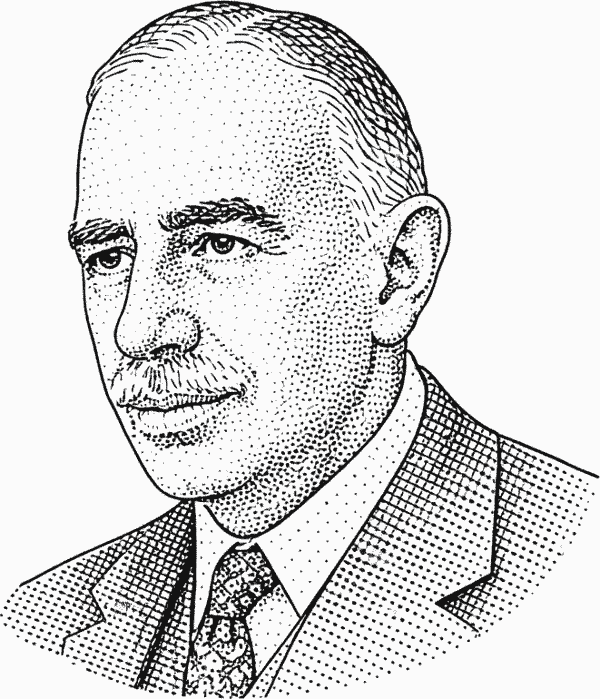
John Maynard Keynes

Once doubt begins it spreads rapidly.

Source: Speeches / Essays

Core idea

Keynes warns that uncertainty, once introduced, quickly multiplies through minds and markets, undermining confidence, destabilizing decisions, and intensifying economic or social crises beyond the initial doubt.

Practical application

As an investor, guard your mindset; once you start doubting your strategy without evidence, that fear can snowball into emotional decisions, unnecessary trades, and long-term underperformance.

Why it matters

Keynes illuminates how doubt behaves like contagion, rapidly amplifying risk perceptions and cascading through decisions, so mastering psychological resilience becomes as crucial as analytical skill.

Frequently asked questions

How Readers Can Use Risk & Long-Term Thinking Well

What makes a risk & long-term thinking worth revisiting?

The best risk & long-term thinking compress a durable principle into a sentence or two and remain useful across cycles.

How should I use quotes like these in real life?

Use them as prompts for process rather than slogans. A good quote becomes valuable when it changes how you study a business, value risk, or respond to volatility.

Why do so many of these quotes focus on temperament?

Because behavior often determines results. Knowing the right principle is not enough if fear, greed, impatience, or overconfidence push you to act badly.

What is the most useful way to study a page like this?

Read slowly, compare themes, and decide which idea belongs on your own checklist. The value is not in memorizing every line, but in applying the best ones consistently.

Which investors appear most often in collections like this?

Readers often see recurring insights from Warren Buffett, Benjamin Graham, Charlie Munger, Peter Lynch, Seth Klarman, Howard Marks, and other durable thinkers.

Are these quotes investment advice?

No. They are educational material meant to help readers think more clearly about business and investing principles.

Why pair each quote with commentary?

Context turns a memorable sentence into a usable tool. Commentary helps readers understand the principle, apply it, and avoid treating it as a bumper sticker.