Category

Contrarian Quotes for Thoughtful Readers

This collection of contrarian quotes is designed to go beyond surface-level inspiration and instead provide practical insight into how experienced investors and business leaders think. While individual quotes can be powerful on their own, their real value often comes from seeing them together—revealing patterns that repeat across different contexts and time periods. In this category, the quotations focus on key ideas that shape real-world decision-making. These might include how to assess risk, how to think about value, or how to maintain discipline when conditions are uncertain. By reading them as a group, it becomes easier to identify the underlying principles that guide consistent performance. One of the most useful ways to approach these quotes is to treat them as mental checklists. When facing a decision, revisit the themes presented here and ask how they apply. Over time, this habit helps convert abstract wisdom into practical action. This collection also connects naturally with other areas of investing and business. Ideas about contrarian rarely exist in isolation—they interact with psychology, markets, and long-term thinking. By recognizing those connections, readers can build a more complete framework for understanding complex situations. Ultimately, the goal is not just to remember the quotes, but to internalize the thinking behind them. When that happens, the lessons become durable—and far more valuable than any single line on its own.

1 of 12
When chaos hits, most investors panic - but that's exactly when contrarians go shopping.

Core idea

Market panic creates bargain prices; while typical investors flee in fear, contrarians recognize the opportunity, buy quality assets cheaply, and profit when conditions stabilize.

Practical application

When headlines scream crisis and others sell in fear, calmly buy strong, undervalued businesses instead, then hold patiently as markets normalize and prices recover.

Why it matters

The insight is that emotional overreactions in markets distort prices, letting disciplined contrarians buy quality assets at deep discounts and reap outsized gains when sentiment inevitably recovers.


We're going where first-level investors aren't, quietly snapping up value they're ignoring.

Core idea

Seek overlooked, undervalued opportunities by investing where most investors are not looking, quietly buying quality assets before mainstream attention drives prices higher.

Practical application

Apply this by researching beyond popular headlines, patiently buying strong, overlooked businesses or funds, then holding as their value is eventually recognized and prices rise with wider investor interest.

Why it matters

The quote highlights that enduring gains often come from patiently accumulating quality, underfollowed assets before the crowd notices, profiting as recognition and capital eventually converge on mispriced value.

Pessimism from Wall Street 'pros' is often the signal - not the warning.

Core idea

When experts on Wall Street turn pessimistic, it can signal an overlooked buying opportunity, suggesting future gains rather than serving as a warning to stay away.

Practical application

Use Wall Street pessimism as a cue to investigate, not panic; when pros are gloomy, quality assets are often mispriced, creating rare long term buying opportunities for patient investors.

Why it matters

The special insight is that widespread professional pessimism can paradoxically mark undervalued markets, guiding contrarian investors toward mispriced quality assets and superior long-term return potential.

Second-level thinking means buying when market overreactions push yields higher and risk lower.

Core idea

The core idea is that smart investors exploit emotional market overreactions, buying quality assets when prices drop, yields rise, and actual underlying risk is lower than perceived.

Practical application

Apply this by calmly researching strong companies, then buying their shares or funds during scary selloffs, when prices are cheap, yields are higher, and fundamentals remain solid.

Why it matters

This quote highlights the special insight that true edge comes from exploiting fear-driven mispricing, buying strong income assets precisely when rising yields wrongly signal higher risk to most investors.

The best income opportunities appear when the crowd is looking the other way.

Core idea

True income opportunities often emerge in undervalued, overlooked assets, so investors willing to go against popular opinion can capture higher yields before the crowd eventually notices.

Practical application

Apply this by researching solid but unpopular dividend payers, buying when sentiment is negative yet fundamentals are strong, then holding as prices and yields normalize when others finally notice.

Why it matters

This quote reveals that durable income edges arise from exploiting emotional crowd mispricing, where fear and neglect temporarily depress quality assets and boost prospective yields for contrarian investors.

We use second-level thinking to find dividend stocks others overlook.

Core idea

The core idea is to think deeper than the crowd, identifying undervalued dividend stocks that mainstream investors ignore, thereby uncovering superior long-term income and total return opportunities.

Practical application

Apply this by digging beyond popular headlines, researching unloved dividend payers with strong cash flows, rising payouts, and reasonable valuations that others overlook, then patiently holding for long-term income.

Why it matters

This quote's special insight is that disciplined second-level thinking about fundamentals uncovers mispriced, overlooked dividend payers that can quietly deliver superior, sustainable income and long-term total returns.

Value is not a number - it's an opinion. When optimism prevails, prices can exceed value. When pessimism dominates, prices can fall below value.

Core idea

Value is subjective and shifts with investor psychology; market prices swing above or below true worth depending on prevailing optimism or pessimism, so price and value often diverge.

Practical application

Use this quote by constantly asking what assumptions and emotions drive current prices, then buy only when your independent estimate of value comfortably exceeds the market price.

Why it matters

The quote reveals that value is a moving target shaped by crowd psychology, so disciplined investors can profit by exploiting emotional mispricings between perception and underlying worth.

Cycles are one of the most dependable features of the investment world.

Core idea

Markets are never static; prices, sentiment, and fundamentals repeatedly swing between extremes, so investors must anticipate and adapt to recurring cycles instead of expecting straight-line progress.

Practical application

By recognizing that markets always move in cycles, you can avoid chasing euphoria or panicking in despair, instead patiently positioning yourself for the next inevitable swing.

Why it matters

The special insight is that recurring market cycles make extremes of fear and greed predictable, allowing disciplined investors to profit by acting contrary to prevailing sentiment.

If farming were to be organised like the stock market, a farmer would sell his farm in the morning when it was raining, only to buy it back in the afternoon when the sun came out.

Core idea

Keynes warns that if long-term activities like farming mimicked short-term stock trading, irrational day-to-day mood swings would dominate decisions, undermining stability and productive investment.

Practical application

To be a better investor, treat your portfolio like a farm: focus on long-term harvests, not reacting to every daily weather change in prices or market sentiment.

Why it matters

Keynes insightfully exposes how short-term market psychology can hijack rational judgment, urging investors to resist daily volatility and instead prioritize patient, long-term value creation.

The best time to buy income is when it feels the least comfortable.

Core idea

Real income investing opportunities often appear when markets are fearful or pessimistic, so the most profitable time to buy income assets is when it feels emotionally hardest to act.

Practical application

Apply this by setting clear rules to buy strong income assets when prices drop and news feels scary, relying on research and discipline instead of your emotions.

Why it matters

The insight is that true income value emerges in fearful markets, rewarding disciplined investors who buy quality yield precisely when emotions and headlines scream to stay away.

The market's mistakes are our income stream - if we're willing to step in when others step out.

Core idea

Profit comes from calmly buying quality assets when fear drives other investors to sell, turning temporary market mispricing and emotional overreactions into long-term income opportunities.

Practical application

Apply this by creating a watchlist of strong, income-producing assets, then steadily buy them on scary selloffs instead of panicking, focusing on long-term cash flow, not short-term price swings.

Why it matters

The insight is that disciplined investors can systematically convert others emotional, short-sighted selling into reliable long-term income by buying fundamentally strong assets precisely when they are most undervalued.

I'm a contrarian at heart - but sometimes even contrarians follow the data.

Core idea

Even a natural contrarian must occasionally accept consensus, because genuine independence means following objective evidence and data, not resisting popular opinion merely for the sake of opposition.

Practical application

To be a better investor, question the crowd but let hard data override your bias, so you are independently minded without blindly opposing every popular market view.

Why it matters

True contrarian wisdom is not automatic opposition, but disciplined independence: relentlessly question consensus, yet ultimately submit to clear, compelling data when it challenges your preferred narrative.

Full collection

Read All 12 Contrarian Quotes with Context

Readers who search for contrarian quotes is usually trying to think independently. This page helps readers challenge consensus and recognize when opportunity lies in discomfort.

Brett Owens quote portrait about investing, psychology

Brett Owens

When chaos hits, most investors panic - but that's exactly when contrarians go shopping.

Source: Outlook

Core idea

Market panic creates bargain prices; while typical investors flee in fear, contrarians recognize the opportunity, buy quality assets cheaply, and profit when conditions stabilize.

Practical application

When headlines scream crisis and others sell in fear, calmly buy strong, undervalued businesses instead, then hold patiently as markets normalize and prices recover.

Why it matters

The insight is that emotional overreactions in markets distort prices, letting disciplined contrarians buy quality assets at deep discounts and reap outsized gains when sentiment inevitably recovers.
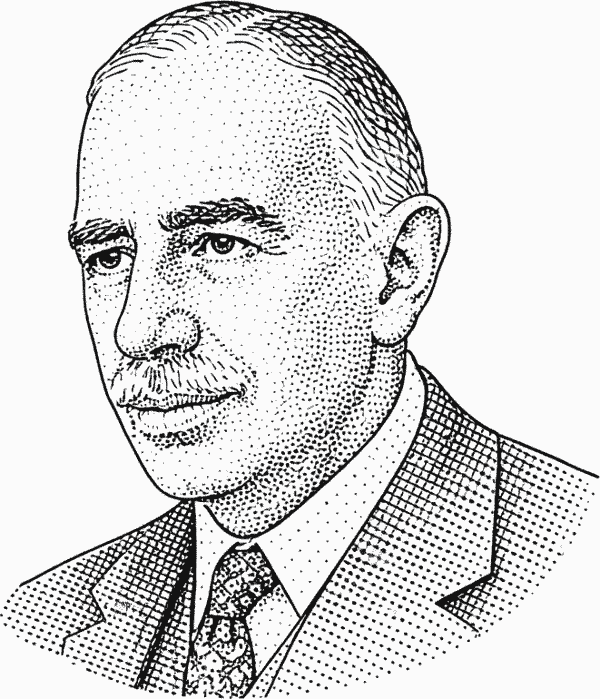
Brett Owens quote portrait about investing, contrarian

Brett Owens

We're going where first-level investors aren't, quietly snapping up value they're ignoring.

Source: Outlook

Core idea

Seek overlooked, undervalued opportunities by investing where most investors are not looking, quietly buying quality assets before mainstream attention drives prices higher.

Practical application

Apply this by researching beyond popular headlines, patiently buying strong, overlooked businesses or funds, then holding as their value is eventually recognized and prices rise with wider investor interest.

Why it matters

The quote highlights that enduring gains often come from patiently accumulating quality, underfollowed assets before the crowd notices, profiting as recognition and capital eventually converge on mispriced value.

Brett Owens quote portrait about investing, contrarian

Brett Owens

Pessimism from Wall Street 'pros' is often the signal - not the warning.

Source: Outlook

Core idea

When experts on Wall Street turn pessimistic, it can signal an overlooked buying opportunity, suggesting future gains rather than serving as a warning to stay away.

Practical application

Use Wall Street pessimism as a cue to investigate, not panic; when pros are gloomy, quality assets are often mispriced, creating rare long term buying opportunities for patient investors.

Why it matters

The special insight is that widespread professional pessimism can paradoxically mark undervalued markets, guiding contrarian investors toward mispriced quality assets and superior long-term return potential.

Brett Owens quote portrait about investing, contrarian

Brett Owens

Second-level thinking means buying when market overreactions push yields higher and risk lower.

Source: Outlook

Core idea

The core idea is that smart investors exploit emotional market overreactions, buying quality assets when prices drop, yields rise, and actual underlying risk is lower than perceived.

Practical application

Apply this by calmly researching strong companies, then buying their shares or funds during scary selloffs, when prices are cheap, yields are higher, and fundamentals remain solid.

Why it matters

This quote highlights the special insight that true edge comes from exploiting fear-driven mispricing, buying strong income assets precisely when rising yields wrongly signal higher risk to most investors.

Brett Owens quote portrait about investing, contrarian

Brett Owens

The best income opportunities appear when the crowd is looking the other way.

Source: Outlook

Core idea

True income opportunities often emerge in undervalued, overlooked assets, so investors willing to go against popular opinion can capture higher yields before the crowd eventually notices.

Practical application

Apply this by researching solid but unpopular dividend payers, buying when sentiment is negative yet fundamentals are strong, then holding as prices and yields normalize when others finally notice.

Why it matters

This quote reveals that durable income edges arise from exploiting emotional crowd mispricing, where fear and neglect temporarily depress quality assets and boost prospective yields for contrarian investors.

Brett Owens quote portrait about investing, contrarian

Brett Owens

We use second-level thinking to find dividend stocks others overlook.

Source: Outlook

Core idea

The core idea is to think deeper than the crowd, identifying undervalued dividend stocks that mainstream investors ignore, thereby uncovering superior long-term income and total return opportunities.

Practical application

Apply this by digging beyond popular headlines, researching unloved dividend payers with strong cash flows, rising payouts, and reasonable valuations that others overlook, then patiently holding for long-term income.

Why it matters

This quote's special insight is that disciplined second-level thinking about fundamentals uncovers mispriced, overlooked dividend payers that can quietly deliver superior, sustainable income and long-term total returns.

Howard Marks quote portrait about investing, psychology

Howard Marks

Value is not a number - it's an opinion. When optimism prevails, prices can exceed value. When pessimism dominates, prices can fall below value.

Source: Memos

Core idea

Value is subjective and shifts with investor psychology; market prices swing above or below true worth depending on prevailing optimism or pessimism, so price and value often diverge.

Practical application

Use this quote by constantly asking what assumptions and emotions drive current prices, then buy only when your independent estimate of value comfortably exceeds the market price.

Why it matters

The quote reveals that value is a moving target shaped by crowd psychology, so disciplined investors can profit by exploiting emotional mispricings between perception and underlying worth.

Howard Marks quote portrait about investing, psychology

Howard Marks

Cycles are one of the most dependable features of the investment world.

Source: Memos

Core idea

Markets are never static; prices, sentiment, and fundamentals repeatedly swing between extremes, so investors must anticipate and adapt to recurring cycles instead of expecting straight-line progress.

Practical application

By recognizing that markets always move in cycles, you can avoid chasing euphoria or panicking in despair, instead patiently positioning yourself for the next inevitable swing.

Why it matters

The special insight is that recurring market cycles make extremes of fear and greed predictable, allowing disciplined investors to profit by acting contrary to prevailing sentiment.

John Maynard Keynes quote portrait about markets, investing

John Maynard Keynes

If farming were to be organised like the stock market, a farmer would sell his farm in the morning when it was raining, only to buy it back in the afternoon when the sun came out.

Source: Speeches / Essays

Core idea

Keynes warns that if long-term activities like farming mimicked short-term stock trading, irrational day-to-day mood swings would dominate decisions, undermining stability and productive investment.

Practical application

To be a better investor, treat your portfolio like a farm: focus on long-term harvests, not reacting to every daily weather change in prices or market sentiment.

Why it matters

Keynes insightfully exposes how short-term market psychology can hijack rational judgment, urging investors to resist daily volatility and instead prioritize patient, long-term value creation.

Michael Foster quote portrait about investing, psychology

Michael Foster

The best time to buy income is when it feels the least comfortable.

Source: Outlook

Core idea

Real income investing opportunities often appear when markets are fearful or pessimistic, so the most profitable time to buy income assets is when it feels emotionally hardest to act.

Practical application

Apply this by setting clear rules to buy strong income assets when prices drop and news feels scary, relying on research and discipline instead of your emotions.

Why it matters

The insight is that true income value emerges in fearful markets, rewarding disciplined investors who buy quality yield precisely when emotions and headlines scream to stay away.

Michael Foster quote portrait about markets, investing

Michael Foster

The market's mistakes are our income stream - if we're willing to step in when others step out.

Source: Outlook

Core idea

Profit comes from calmly buying quality assets when fear drives other investors to sell, turning temporary market mispricing and emotional overreactions into long-term income opportunities.

Practical application

Apply this by creating a watchlist of strong, income-producing assets, then steadily buy them on scary selloffs instead of panicking, focusing on long-term cash flow, not short-term price swings.

Why it matters

The insight is that disciplined investors can systematically convert others emotional, short-sighted selling into reliable long-term income by buying fundamentally strong assets precisely when they are most undervalued.

Michael Foster quote portrait about contrarian

Michael Foster

I'm a contrarian at heart - but sometimes even contrarians follow the data.

Source: Outlook

Core idea

Even a natural contrarian must occasionally accept consensus, because genuine independence means following objective evidence and data, not resisting popular opinion merely for the sake of opposition.

Practical application

To be a better investor, question the crowd but let hard data override your bias, so you are independently minded without blindly opposing every popular market view.

Why it matters

True contrarian wisdom is not automatic opposition, but disciplined independence: relentlessly question consensus, yet ultimately submit to clear, compelling data when it challenges your preferred narrative.

What this category teaches

How to Use Contrarian Quotes Well

Read for patterns

The strongest lessons usually repeat. Compare how multiple thinkers approach contrarian and look for ideas that keep resurfacing.

Turn ideas into checklists

The best use of a page like this is practical. Let a quote refine how you value a business, frame risk, study management, or respond to market emotion.

Frequently asked questions

Questions About Contrarian Quotes

What are contrarian quotes?

Contrarian quotes is quotations that revolve around the theme of contrarian and help readers revisit durable principles on that subject.

Why study contrarian quotes?

Because durable ideas become more useful when readers see how different thinkers express the same theme from different angles.

How should I use this page?

Read slowly, compare recurring patterns, and decide which ideas belong on your own checklist.

Are these quotes investment advice?

No. They are educational material designed to help readers think more clearly about business and investing principles.

Can I browse by author too?

Yes. Usethe authors indexto study one thinker in depth, then return to category pages to compare perspectives.