Author Collection

John Maynard Keynes Quotes on Investing, Business, and Decision-Making

John Maynard Keynes remains worth reading because the best lines from durable thinkers continue to clarify what matters when markets, businesses, and emotions get noisy. This page gathers 11 quotations from John Maynard Keynes, paired with context so readers can move beyond admiration into application. The recurring themes here include investing, markets, long-term, psychology, but the deeper value is in the pattern of thought that ties them together. A strong quotation can become a compact checklist item: a reminder about valuation, patience, incentives, risk, or the difference between price movement and business reality. That is especially helpful with an author like John Maynard Keynes, whose ideas often reward rereading. Short lines become more useful when readers ask what habit, discipline, or mental model the quote is really defending. Each selection below is therefore paired with a core idea, practical application, and a short explanation of why it matters. Taken together, these notes turn the collection into more than a page of memorable lines. They make it a study guide for investors who want to strengthen judgment over time. Use this page to identify the recurring principles in John Maynard Keynes's thinking, compare them with your own process, and revisit them whenever the next difficult decision arrives.

Featured collection

11 Featured John Maynard Keynes Quotes

A curated set of 11 standout quotations from John Maynard Keynes, each paired with context, practical application, and deeper insight.

1 of 11
In the long run, we are all dead.

Core idea

Keynes warns that focusing solely on long-run outcomes ignores urgent present problems, so economic policy must address immediate human needs instead of waiting for distant theoretical equilibria.

Practical application

As an investor, remember Keynes: do not ignore present risks or cash needs while chasing distant projections; survival and flexibility today matter more than theoretical long-run returns.

Why it matters

Keynes highlights that time horizons matter: solutions that work only "eventually" can be useless or harmful if they ignore immediate realities, constraints, and the need to survive today.
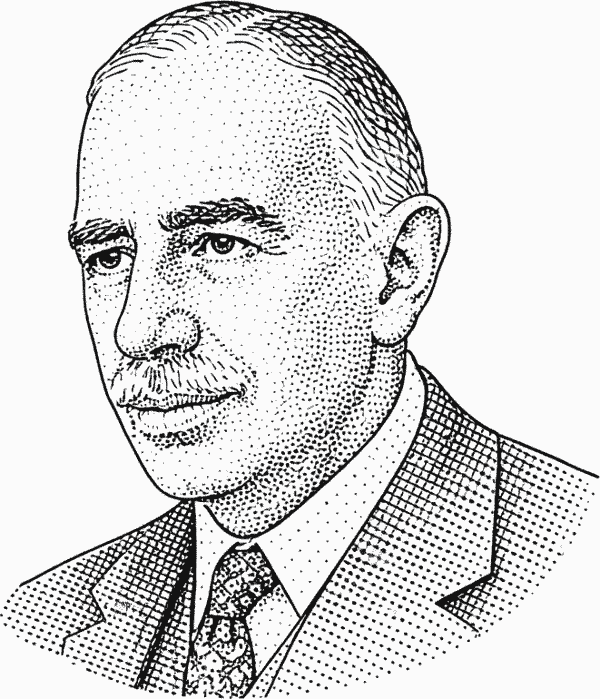
As time goes on, I get more and more convinced that the right method of investment is to put fairly large sums into enterprises which one thinks one knows something about and in the management of which one thoroughly believes.

Core idea

Invest boldly in a few businesses you deeply understand and trust, rather than diversifying widely, because conviction and knowledge are more powerful than superficial risk spreading.

Practical application

Focus on a few businesses you truly understand, study them deeply, and invest meaningfully, instead of scattering small bets across many stocks you barely know or believe in.

Why it matters

Deep, concentrated investment in a few well-understood, trusted businesses can outperform broad diversification, because genuine knowledge and conviction often reduce real risk more than superficial spreading does.

Markets can remain irrational longer than you can remain solvent.

Core idea

Financial markets can act unpredictably for extended periods, so betting against perceived mispricing is dangerous because you may go bankrupt before prices eventually correct.

Practical application

Do not assume markets will quickly reflect your analysis; size positions conservatively, manage risk tightly, and stay diversified so you can survive until reality eventually matches fundamentals.

Why it matters

It warns that timing risk can be deadlier than valuation risk: being correct too early can bankrupt you, so survival and risk control matter more than intellectual rightness.

Successful investing is anticipating the anticipations of others.

Core idea

Keynes means successful investors do not just predict economic outcomes, but predict how other investors will collectively interpret information and move prices, then act ahead of them.

Practical application

To invest better, do not just judge reality; anticipate how most investors will react to news and prices, then position yourself before their collective response.

Why it matters

The special insight is that market success comes from second-order thinking: profiting by forecasting others reactions and misjudgments, not merely understanding economic fundamentals or objective reality.

When the facts change, I change my mind. What do you do, sir?

Core idea

Keynes insists that rational people update beliefs when new evidence appears, valuing intellectual honesty, flexibility, and responsiveness to reality over stubborn consistency or ego.

Practical application

As an investor, regularly re-evaluate your positions as new data emerges, adjust without ego, and let evolving facts - not past decisions or pride - guide your actions.

Why it matters

True wisdom lies not in rigid consistency but in courageously revising beliefs as reality changes, treating new evidence as a guide rather than a threat to one's ego.

It is better to be roughly right than precisely wrong.

Core idea

Keynes emphasizes that practical, approximate understanding leading to sound decisions is more valuable than mathematically perfect analysis based on flawed assumptions, misleading data, or unrealistic economic models.

Practical application

As an investor, prioritize simple, reasonable judgments over complex, overly precise forecasts built on shaky assumptions; realistic approximations usually protect capital better than elegant but misleading models.

Why it matters

The special insight is that decision quality depends more on robust, realistic assumptions and tolerable approximation than on fragile, misleading precision that disguises fundamental uncertainty and model error.

The markets are moved by animal spirits, and not by reason.

Core idea

Keynes suggests financial markets are driven largely by human emotions, instincts, and irrational confidence or fear, rather than by careful calculation, objective information, or purely rational expectations.

Practical application

To be a better investor, accept that markets swing on emotion, so build rules, diversify, and stay disciplined instead of reacting impulsively to fear or excitement.

Why it matters

Keynes insightfully reveals that financial markets mirror human psychology, showing that collective emotion often overwhelms rational analysis, so understanding sentiment can be as crucial as analyzing fundamentals.

The expected never happens; it is the unexpected always.

Core idea

Keynes suggests that reality routinely defies predictions, warning that overconfidence in expectations blinds us to surprise events that more often shape outcomes and history.

Practical application

As an investor, remember that markets frequently move on surprises, so build resilient portfolios, manage risk carefully, and stay humble about forecasts rather than betting heavily on any single expectation.

Why it matters

Keynes insightfully exposes our illusion of foresight, showing that unforeseen events, not confident predictions, dominate real outcomes and demanding humility, diversification, and robust risk management in decisions.

Once doubt begins it spreads rapidly.

Core idea

Keynes warns that uncertainty, once introduced, quickly multiplies through minds and markets, undermining confidence, destabilizing decisions, and intensifying economic or social crises beyond the initial doubt.

Practical application

As an investor, guard your mindset; once you start doubting your strategy without evidence, that fear can snowball into emotional decisions, unnecessary trades, and long-term underperformance.

Why it matters

Keynes illuminates how doubt behaves like contagion, rapidly amplifying risk perceptions and cascading through decisions, so mastering psychological resilience becomes as crucial as analytical skill.

Investing is an activity of forecasting the yield over the life of the asset; speculation is the activity of forecasting the psychology of the market.

Core idea

Keynes contrasts true investing, which focuses on an assets long-term productive returns, with speculation, which focuses on predicting and exploiting short-term shifts in market sentiment.

Practical application

Apply this by studying businesses and their long-term cash flows, not daily price swings, so your decisions rely on real value instead of trying to outguess short-term market moods.

Why it matters

Keynes insightfully distinguishes real investing from speculation, revealing that lasting success comes from understanding intrinsic value and long-term cash flows rather than chasing crowd-driven price movements.

If farming were to be organised like the stock market, a farmer would sell his farm in the morning when it was raining, only to buy it back in the afternoon when the sun came out.

Core idea

Keynes warns that if long-term activities like farming mimicked short-term stock trading, irrational day-to-day mood swings would dominate decisions, undermining stability and productive investment.

Practical application

To be a better investor, treat your portfolio like a farm: focus on long-term harvests, not reacting to every daily weather change in prices or market sentiment.

Why it matters

Keynes insightfully exposes how short-term market psychology can hijack rational judgment, urging investors to resist daily volatility and instead prioritize patient, long-term value creation.

Recurring themes

What Readers Can Learn from John Maynard Keynes

Dominant themes

This collection repeatedly returns to investing, markets, long-term, showing how the same core ideas reappear in different situations.

How to use this page

Read across the quotations rather than in isolation. The real value comes from seeing how John Maynard Keynes's principles reinforce one another.

Full collection

Read All 11 John Maynard Keynes Quotes with Context

For readers who prefer to study rather than skim, here is the full collection in a clean reading format.

John Maynard Keynes quote portrait about long-term

John Maynard Keynes

In the long run, we are all dead.

Source: Speeches / Essays

Core idea

Keynes warns that focusing solely on long-run outcomes ignores urgent present problems, so economic policy must address immediate human needs instead of waiting for distant theoretical equilibria.

Practical application

As an investor, remember Keynes: do not ignore present risks or cash needs while chasing distant projections; survival and flexibility today matter more than theoretical long-run returns.

Why it matters

Keynes highlights that time horizons matter: solutions that work only "eventually" can be useless or harmful if they ignore immediate realities, constraints, and the need to survive today.

John Maynard Keynes quote portrait about investing, management

John Maynard Keynes

As time goes on, I get more and more convinced that the right method of investment is to put fairly large sums into enterprises which one thinks one knows something about and in the management of which one thoroughly believes.

Source: Speeches / Essays

Core idea

Invest boldly in a few businesses you deeply understand and trust, rather than diversifying widely, because conviction and knowledge are more powerful than superficial risk spreading.

Practical application

Focus on a few businesses you truly understand, study them deeply, and invest meaningfully, instead of scattering small bets across many stocks you barely know or believe in.

Why it matters

Deep, concentrated investment in a few well-understood, trusted businesses can outperform broad diversification, because genuine knowledge and conviction often reduce real risk more than superficial spreading does.

John Maynard Keynes quote portrait about markets, long-term

John Maynard Keynes

Markets can remain irrational longer than you can remain solvent.

Source: Speeches / Essays

Core idea

Financial markets can act unpredictably for extended periods, so betting against perceived mispricing is dangerous because you may go bankrupt before prices eventually correct.

Practical application

Do not assume markets will quickly reflect your analysis; size positions conservatively, manage risk tightly, and stay diversified so you can survive until reality eventually matches fundamentals.

Why it matters

It warns that timing risk can be deadlier than valuation risk: being correct too early can bankrupt you, so survival and risk control matter more than intellectual rightness.

John Maynard Keynes quote portrait about investing

John Maynard Keynes

Successful investing is anticipating the anticipations of others.

Source: Speeches / Essays

Core idea

Keynes means successful investors do not just predict economic outcomes, but predict how other investors will collectively interpret information and move prices, then act ahead of them.

Practical application

To invest better, do not just judge reality; anticipate how most investors will react to news and prices, then position yourself before their collective response.

Why it matters

The special insight is that market success comes from second-order thinking: profiting by forecasting others reactions and misjudgments, not merely understanding economic fundamentals or objective reality.

John Maynard Keynes quote portrait about wisdom, investing

John Maynard Keynes

When the facts change, I change my mind. What do you do, sir?

Source: Speeches / Essays

Core idea

Keynes insists that rational people update beliefs when new evidence appears, valuing intellectual honesty, flexibility, and responsiveness to reality over stubborn consistency or ego.

Practical application

As an investor, regularly re-evaluate your positions as new data emerges, adjust without ego, and let evolving facts - not past decisions or pride - guide your actions.

Why it matters

True wisdom lies not in rigid consistency but in courageously revising beliefs as reality changes, treating new evidence as a guide rather than a threat to one's ego.

John Maynard Keynes quote portrait about wisdom, investing

John Maynard Keynes

It is better to be roughly right than precisely wrong.

Source: Speeches / Essays

Core idea

Keynes emphasizes that practical, approximate understanding leading to sound decisions is more valuable than mathematically perfect analysis based on flawed assumptions, misleading data, or unrealistic economic models.

Practical application

As an investor, prioritize simple, reasonable judgments over complex, overly precise forecasts built on shaky assumptions; realistic approximations usually protect capital better than elegant but misleading models.

Why it matters

The special insight is that decision quality depends more on robust, realistic assumptions and tolerable approximation than on fragile, misleading precision that disguises fundamental uncertainty and model error.

John Maynard Keynes quote portrait about markets, psychology

John Maynard Keynes

The markets are moved by animal spirits, and not by reason.

Source: Speeches / Essays

Core idea

Keynes suggests financial markets are driven largely by human emotions, instincts, and irrational confidence or fear, rather than by careful calculation, objective information, or purely rational expectations.

Practical application

To be a better investor, accept that markets swing on emotion, so build rules, diversify, and stay disciplined instead of reacting impulsively to fear or excitement.

Why it matters

Keynes insightfully reveals that financial markets mirror human psychology, showing that collective emotion often overwhelms rational analysis, so understanding sentiment can be as crucial as analyzing fundamentals.

John Maynard Keynes quote portrait about markets

John Maynard Keynes

The expected never happens; it is the unexpected always.

Source: Speeches / Essays

Core idea

Keynes suggests that reality routinely defies predictions, warning that overconfidence in expectations blinds us to surprise events that more often shape outcomes and history.

Practical application

As an investor, remember that markets frequently move on surprises, so build resilient portfolios, manage risk carefully, and stay humble about forecasts rather than betting heavily on any single expectation.

Why it matters

Keynes insightfully exposes our illusion of foresight, showing that unforeseen events, not confident predictions, dominate real outcomes and demanding humility, diversification, and robust risk management in decisions.

John Maynard Keynes quote portrait about markets, psychology

John Maynard Keynes

Once doubt begins it spreads rapidly.

Source: Speeches / Essays

Core idea

Keynes warns that uncertainty, once introduced, quickly multiplies through minds and markets, undermining confidence, destabilizing decisions, and intensifying economic or social crises beyond the initial doubt.

Practical application

As an investor, guard your mindset; once you start doubting your strategy without evidence, that fear can snowball into emotional decisions, unnecessary trades, and long-term underperformance.

Why it matters

Keynes illuminates how doubt behaves like contagion, rapidly amplifying risk perceptions and cascading through decisions, so mastering psychological resilience becomes as crucial as analytical skill.

John Maynard Keynes quote portrait about investing, psychology

John Maynard Keynes

Investing is an activity of forecasting the yield over the life of the asset; speculation is the activity of forecasting the psychology of the market.

Source: Speeches / Essays

Core idea

Keynes contrasts true investing, which focuses on an assets long-term productive returns, with speculation, which focuses on predicting and exploiting short-term shifts in market sentiment.

Practical application

Apply this by studying businesses and their long-term cash flows, not daily price swings, so your decisions rely on real value instead of trying to outguess short-term market moods.

Why it matters

Keynes insightfully distinguishes real investing from speculation, revealing that lasting success comes from understanding intrinsic value and long-term cash flows rather than chasing crowd-driven price movements.

John Maynard Keynes quote portrait about markets, investing

John Maynard Keynes

If farming were to be organised like the stock market, a farmer would sell his farm in the morning when it was raining, only to buy it back in the afternoon when the sun came out.

Source: Speeches / Essays

Core idea

Keynes warns that if long-term activities like farming mimicked short-term stock trading, irrational day-to-day mood swings would dominate decisions, undermining stability and productive investment.

Practical application

To be a better investor, treat your portfolio like a farm: focus on long-term harvests, not reacting to every daily weather change in prices or market sentiment.

Why it matters

Keynes insightfully exposes how short-term market psychology can hijack rational judgment, urging investors to resist daily volatility and instead prioritize patient, long-term value creation.

Frequently asked questions

Frequently Asked Questions About John Maynard Keynes

Why do readers still study John Maynard Keynes quotes?

Because John Maynard Keynes's best lines compress durable principles into language that is easy to revisit when decisions get difficult.

What themes show up most often in John Maynard Keynes's quotes?

Readers will usually see recurring ideas around investing, markets, long-term, along with practical guidance on judgment and process.

How should I use a page like this?

Use it as a study guide. Compare the quotations, identify repeating patterns, and decide which ideas belong on your own checklist.

Are these quotations investment advice?

No. They are educational material meant to help readers think more clearly about business and investing principles.

Why pair each quote with commentary?

Commentary helps readers connect a memorable sentence to a real-world investing or business habit.

How many quotes is included on this page?

This page includes 11 quotations from John Maynard Keynes, along with context and practical application.

What makes an author page useful?

Author pages let readers study one thinker in depth, which often reveals patterns that are harder to notice in mixed-topic collections.