Author Collection

Howard Marks Quotes on Investing, Business, and Decision-Making

Howard Marks remains worth reading because the best lines from durable thinkers continue to clarify what matters when markets, businesses, and emotions get noisy. This page gathers 13 quotations from Howard Marks, paired with context so readers can move beyond admiration into application. The recurring themes here include investing, psychology, risk, markets, but the deeper value is in the pattern of thought that ties them together. A strong quotation can become a compact checklist item: a reminder about valuation, patience, incentives, risk, or the difference between price movement and business reality. That is especially helpful with an author like Howard Marks, whose ideas often reward rereading. Short lines become more useful when readers ask what habit, discipline, or mental model the quote is really defending. Each selection below is therefore paired with a core idea, practical application, and a short explanation of why it matters. Taken together, these notes turn the collection into more than a page of memorable lines. They make it a study guide for investors who want to strengthen judgment over time. Use this page to identify the recurring principles in Howard Marks's thinking, compare them with your own process, and revisit them whenever the next difficult decision arrives.

Featured collection

12 Featured Howard Marks Quotes

A curated set of 12 standout quotations from Howard Marks, each paired with context, practical application, and deeper insight.

1 of 12
Smart investing doesn't consist of buying good assets but of buying assets well. This is a very, very important distinction that very, very few people understand.

Core idea

The core idea is that investment success depends less on asset quality itself and more on the price and conditions under which you buy, emphasizing valuation and discipline.

Practical application

To be a better investor, focus less on chasing hot, high-quality assets and more on patiently buying any asset only when its price offers a clear margin of safety.

Why it matters

The special insight is that investment excellence comes from price-conscious discipline, where buying even average assets cheaply can outperform paying up for outstanding but overvalued businesses.
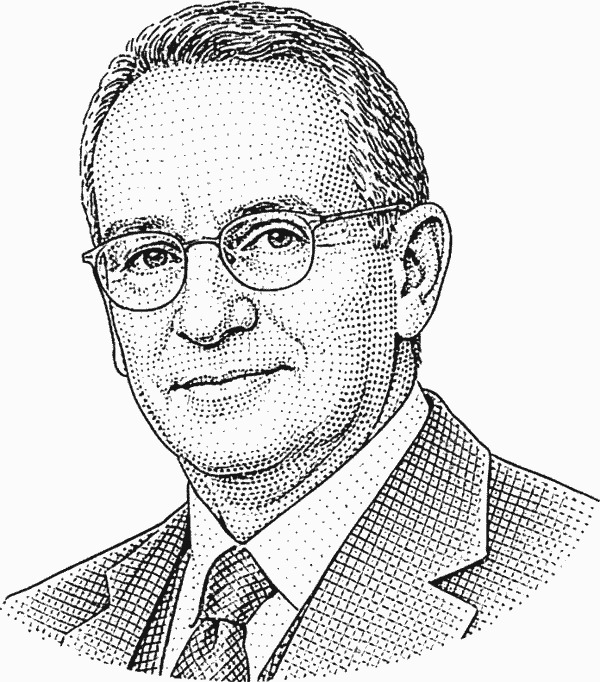
There is nothing riskier than the widespread perception that there is no risk.

Core idea

When everyone believes an investment is safe, they act carelessly and overpay, inflating bubbles and silently increasing the true risk of severe losses when reality changes.

Practical application

As an investor, treat unanimous optimism as a warning sign; when everyone believes something is safe, scrutinize valuations, risk controls, and assumptions twice as hard before committing capital.

Why it matters

It exposes the paradox that perceived safety breeds the very dangers investors hope to avoid, as complacency, overconfidence, and crowded trades quietly magnify true downside risk.

The route to performance is consistency, not brilliance.

Core idea

Sustainable investment success comes from steady, disciplined decision-making and risk control over time, rather than occasional flashes of extraordinary insight or spectacular, one-off winning bets.

Practical application

Apply this by building a repeatable investment process, managing risk carefully, avoiding emotional bets, and striving for steady, modest gains instead of chasing rare, spectacular wins.

Why it matters

The special insight is that compounding consistent, disciplined decisions and prudent risk control usually beats relying on rare bursts of brilliance or occasional extraordinary, high-risk wins.

Superior investing shouldn't be about making brilliant decisions, but about avoiding poor ones.

Core idea

Superior investing relies less on rare flashes of genius and more on consistently managing risk, exercising discipline, and carefully avoiding major, irreversible mistakes.

Practical application

To become a better investor, focus less on heroic stock picks and more on steady risk control, diversification, and avoiding big, permanent losses that derail long-term compounding.

Why it matters

The special insight is that sustainable investment success comes not from occasional brilliance, but from relentlessly minimizing avoidable errors that permanently impair capital and long-term compounding.

You can't predict, but you can prepare.

Core idea

The core idea is that the future is inherently uncertain, so instead of trying to forecast outcomes, focus on resilience, risk management, and flexible positioning to handle many possible scenarios.

Practical application

Instead of guessing market moves, build resilient portfolios, control risk, hold cash buffers, and stay flexible so you can adapt rationally to many possible futures.

Why it matters

Its special insight is that durable success comes less from accurate forecasts than from structuring your finances, behavior, and options to survive and benefit across many unpredictable futures.

Risk control is the most important element in investing.

Core idea

The core idea is that long-term investment success depends more on consistently managing downside risk and avoiding big losses than on aggressively chasing high returns.

Practical application

To be a better investor, focus daily on protecting your capital, avoiding big mistakes, and surviving bad markets rather than chasing impressive short-term returns.

Why it matters

True investing skill lies in relentless risk control, because avoiding large, permanent losses compounds far more powerfully over time than occasionally achieving spectacular gains.

The pendulum swings between optimism and pessimism. Markets are driven by swings in psychology, not just fundamentals.

Core idea

Markets are shaped less by objective fundamentals than by recurring emotional extremes, as investor psychology repeatedly swings like a pendulum between excessive optimism and excessive pessimism.

Practical application

To become a better investor, watch where the psychology pendulum is swinging, and aim to buy when fear dominates and sell or hold back when euphoria takes over.

Why it matters

The special insight is that durable investment edge comes less from superior analysis of fundamentals and more from recognizing, resisting, and exploiting the markets recurring emotional extremes.

Investor psychology is highly contagious.

Core idea

Investor psychology spreads quickly through markets, causing individuals to adopt shared optimism or fear, often amplifying price swings and detaching asset values from underlying fundamentals.

Practical application

Remember that crowds swing between greed and fear; by staying rational, independent, and patient when others overreact, you protect yourself from herd behavior and improve long-term returns.

Why it matters

The insight is that market moves often stem from contagious emotions, so disciplined investors can gain an edge by resisting herd psychology and acting on fundamentals instead.

Cycles are one of the most dependable features of the investment world.

Core idea

Markets are never static; prices, sentiment, and fundamentals repeatedly swing between extremes, so investors must anticipate and adapt to recurring cycles instead of expecting straight-line progress.

Practical application

By recognizing that markets always move in cycles, you can avoid chasing euphoria or panicking in despair, instead patiently positioning yourself for the next inevitable swing.

Why it matters

The special insight is that recurring market cycles make extremes of fear and greed predictable, allowing disciplined investors to profit by acting contrary to prevailing sentiment.

Price is what you pay; value is what you get.

Core idea

The core idea is that a securities worth depends on its underlying business reality, not its market quotation, so smart investing focuses on intrinsic value rather than current price.

Practical application

Use this by researching businesses deeply, estimating their intrinsic value, and buying only when the market price is meaningfully lower than that value, regardless of hype or fear.

Why it matters

It highlights that markets often misprice assets, so disciplined investors gain an edge by independently judging intrinsic value and acting when price deviates significantly from true worth.

Value is not a number - it's an opinion. When optimism prevails, prices can exceed value. When pessimism dominates, prices can fall below value.

Core idea

Value is subjective and shifts with investor psychology; market prices swing above or below true worth depending on prevailing optimism or pessimism, so price and value often diverge.

Practical application

Use this quote by constantly asking what assumptions and emotions drive current prices, then buy only when your independent estimate of value comfortably exceeds the market price.

Why it matters

The quote reveals that value is a moving target shaped by crowd psychology, so disciplined investors can profit by exploiting emotional mispricings between perception and underlying worth.

The phrase 'analyze the future' is an oxymoron.

Core idea

Marks argues that the future is inherently uncertain, so pretending we can scientifically "analyze" it like known data is misleading; instead, we should assess probabilities and prepare for multiple outcomes.

Practical application

Use Marks insight by abandoning precise forecasts, focusing instead on ranges of outcomes, odds, and margin of safety, so your portfolio can survive many possible futures.

Why it matters

Marks insight is that investors should replace illusory precision about one predicted future with probabilistic thinking, scenario ranges, and resilience to many plausible but unknowable outcomes.

Recurring themes

What Readers Can Learn from Howard Marks

Dominant themes

This collection repeatedly returns to investing, psychology, risk, showing how the same core ideas reappear in different situations.

How to use this page

Read across the quotations rather than in isolation. The real value comes from seeing how Howard Marks's principles reinforce one another.

Full collection

Read All 13 Howard Marks Quotes with Context

For readers who prefer to study rather than skim, here is the full collection in a clean reading format.

Howard Marks quote portrait about investing

Howard Marks

Smart investing doesn't consist of buying good assets but of buying assets well. This is a very, very important distinction that very, very few people understand.

Source: Speeches / Essays

Core idea

The core idea is that investment success depends less on asset quality itself and more on the price and conditions under which you buy, emphasizing valuation and discipline.

Practical application

To be a better investor, focus less on chasing hot, high-quality assets and more on patiently buying any asset only when its price offers a clear margin of safety.

Why it matters

The special insight is that investment excellence comes from price-conscious discipline, where buying even average assets cheaply can outperform paying up for outstanding but overvalued businesses.

Howard Marks quote portrait about risk

Howard Marks

There is nothing riskier than the widespread perception that there is no risk.

Source: Speeches / Essays

Core idea

When everyone believes an investment is safe, they act carelessly and overpay, inflating bubbles and silently increasing the true risk of severe losses when reality changes.

Practical application

As an investor, treat unanimous optimism as a warning sign; when everyone believes something is safe, scrutinize valuations, risk controls, and assumptions twice as hard before committing capital.

Why it matters

It exposes the paradox that perceived safety breeds the very dangers investors hope to avoid, as complacency, overconfidence, and crowded trades quietly magnify true downside risk.

Howard Marks quote portrait about investing

Howard Marks

The route to performance is consistency, not brilliance.

Source: Memos

Core idea

Sustainable investment success comes from steady, disciplined decision-making and risk control over time, rather than occasional flashes of extraordinary insight or spectacular, one-off winning bets.

Practical application

Apply this by building a repeatable investment process, managing risk carefully, avoiding emotional bets, and striving for steady, modest gains instead of chasing rare, spectacular wins.

Why it matters

The special insight is that compounding consistent, disciplined decisions and prudent risk control usually beats relying on rare bursts of brilliance or occasional extraordinary, high-risk wins.

Howard Marks quote portrait about investing

Howard Marks

Superior investing shouldn't be about making brilliant decisions, but about avoiding poor ones.

Source: Memos

Core idea

Superior investing relies less on rare flashes of genius and more on consistently managing risk, exercising discipline, and carefully avoiding major, irreversible mistakes.

Practical application

To become a better investor, focus less on heroic stock picks and more on steady risk control, diversification, and avoiding big, permanent losses that derail long-term compounding.

Why it matters

The special insight is that sustainable investment success comes not from occasional brilliance, but from relentlessly minimizing avoidable errors that permanently impair capital and long-term compounding.

Howard Marks quote portrait about investing, risk

Howard Marks

You can't predict, but you can prepare.

Source: Memos

Core idea

The core idea is that the future is inherently uncertain, so instead of trying to forecast outcomes, focus on resilience, risk management, and flexible positioning to handle many possible scenarios.

Practical application

Instead of guessing market moves, build resilient portfolios, control risk, hold cash buffers, and stay flexible so you can adapt rationally to many possible futures.

Why it matters

Its special insight is that durable success comes less from accurate forecasts than from structuring your finances, behavior, and options to survive and benefit across many unpredictable futures.

Howard Marks quote portrait about investing, risk

Howard Marks

Risk control is the most important element in investing.

Source: Memos

Core idea

The core idea is that long-term investment success depends more on consistently managing downside risk and avoiding big losses than on aggressively chasing high returns.

Practical application

To be a better investor, focus daily on protecting your capital, avoiding big mistakes, and surviving bad markets rather than chasing impressive short-term returns.

Why it matters

True investing skill lies in relentless risk control, because avoiding large, permanent losses compounds far more powerfully over time than occasionally achieving spectacular gains.

Howard Marks quote portrait about investing, psychology

Howard Marks

The pendulum swings between optimism and pessimism. Markets are driven by swings in psychology, not just fundamentals.

Source: Memos

Core idea

Markets are shaped less by objective fundamentals than by recurring emotional extremes, as investor psychology repeatedly swings like a pendulum between excessive optimism and excessive pessimism.

Practical application

To become a better investor, watch where the psychology pendulum is swinging, and aim to buy when fear dominates and sell or hold back when euphoria takes over.

Why it matters

The special insight is that durable investment edge comes less from superior analysis of fundamentals and more from recognizing, resisting, and exploiting the markets recurring emotional extremes.

Howard Marks quote portrait about investing, psychology

Howard Marks

Investor psychology is highly contagious.

Source: Memos

Core idea

Investor psychology spreads quickly through markets, causing individuals to adopt shared optimism or fear, often amplifying price swings and detaching asset values from underlying fundamentals.

Practical application

Remember that crowds swing between greed and fear; by staying rational, independent, and patient when others overreact, you protect yourself from herd behavior and improve long-term returns.

Why it matters

The insight is that market moves often stem from contagious emotions, so disciplined investors can gain an edge by resisting herd psychology and acting on fundamentals instead.

Howard Marks quote portrait about investing, psychology

Howard Marks

Cycles are one of the most dependable features of the investment world.

Source: Memos

Core idea

Markets are never static; prices, sentiment, and fundamentals repeatedly swing between extremes, so investors must anticipate and adapt to recurring cycles instead of expecting straight-line progress.

Practical application

By recognizing that markets always move in cycles, you can avoid chasing euphoria or panicking in despair, instead patiently positioning yourself for the next inevitable swing.

Why it matters

The special insight is that recurring market cycles make extremes of fear and greed predictable, allowing disciplined investors to profit by acting contrary to prevailing sentiment.

Core idea

The core idea is that a securities worth depends on its underlying business reality, not its market quotation, so smart investing focuses on intrinsic value rather than current price.

Practical application

Use this by researching businesses deeply, estimating their intrinsic value, and buying only when the market price is meaningfully lower than that value, regardless of hype or fear.

Why it matters

It highlights that markets often misprice assets, so disciplined investors gain an edge by independently judging intrinsic value and acting when price deviates significantly from true worth.

Howard Marks quote portrait about investing, psychology

Howard Marks

Value is not a number - it's an opinion. When optimism prevails, prices can exceed value. When pessimism dominates, prices can fall below value.

Source: Memos

Core idea

Value is subjective and shifts with investor psychology; market prices swing above or below true worth depending on prevailing optimism or pessimism, so price and value often diverge.

Practical application

Use this quote by constantly asking what assumptions and emotions drive current prices, then buy only when your independent estimate of value comfortably exceeds the market price.

Why it matters

The quote reveals that value is a moving target shaped by crowd psychology, so disciplined investors can profit by exploiting emotional mispricings between perception and underlying worth.

Howard Marks quote portrait about wisdom

Howard Marks

The phrase 'analyze the future' is an oxymoron.

Source: Memos

Core idea

Marks argues that the future is inherently uncertain, so pretending we can scientifically "analyze" it like known data is misleading; instead, we should assess probabilities and prepare for multiple outcomes.

Practical application

Use Marks insight by abandoning precise forecasts, focusing instead on ranges of outcomes, odds, and margin of safety, so your portfolio can survive many possible futures.

Why it matters

Marks insight is that investors should replace illusory precision about one predicted future with probabilistic thinking, scenario ranges, and resilience to many plausible but unknowable outcomes.

Howard Marks quote portrait about markets

Howard Marks

There are two kinds of forecasters: those who don't know, and those who don't know they don't know.

Source: Memos

Core idea

The core idea is that financial forecasting is inherently uncertain, and the real danger comes from people who mistakenly believe their predictions are reliable or precise.

Practical application

Apply this by staying humble about predictions, diversifying, focusing on process over forecasts, and always managing risk as if your favorite investment thesis might be wrong.

Why it matters

The insight is that overconfidence in financial forecasts is more dangerous than ignorance, so investors must rigorously doubt predictions, emphasize risk control, and accept irreducible uncertainty.

Frequently asked questions

Frequently Asked Questions About Howard Marks

Why do readers still study Howard Marks quotes?

Because Howard Marks's best lines compress durable principles into language that is easy to revisit when decisions get difficult.

What themes show up most often in Howard Marks's quotes?

Readers will usually see recurring ideas around investing, psychology, risk, along with practical guidance on judgment and process.

How should I use a page like this?

Use it as a study guide. Compare the quotations, identify repeating patterns, and decide which ideas belong on your own checklist.

Are these quotations investment advice?

No. They are educational material meant to help readers think more clearly about business and investing principles.

Why pair each quote with commentary?

Commentary helps readers connect a memorable sentence to a real-world investing or business habit.

How many quotes is included on this page?

This page includes 13 quotations from Howard Marks, along with context and practical application.

What makes an author page useful?

Author pages let readers study one thinker in depth, which often reveals patterns that are harder to notice in mixed-topic collections.