Author Collection

Bruce Kovner Quotes on Investing, Business, and Decision-Making

Bruce Kovner remains worth reading because the best lines from durable thinkers continue to clarify what matters when markets, businesses, and emotions get noisy. This page gathers 1 quotation from Bruce Kovner, paired with context so readers can move beyond admiration into application. The recurring themes here include psychology, but the deeper value is in the pattern of thought that ties them together. A strong quotation can become a compact checklist item: a reminder about valuation, patience, incentives, risk, or the difference between price movement and business reality. That is especially helpful with an author like Bruce Kovner, whose ideas often reward rereading. Short lines become more useful when readers ask what habit, discipline, or mental model the quote is really defending. Each selection below is therefore paired with a core idea, practical application, and a short explanation of why it matters. Taken together, these notes turn the collection into more than a page of memorable lines. They make it a study guide for investors who want to strengthen judgment over time. Use this page to identify the recurring principles in Bruce Kovner's thinking, compare them with your own process, and revisit them whenever the next difficult decision arrives.

Featured collection

1 Featured Bruce Kovner Quote

A standout quotation from Bruce Kovner, paired with context, practical application, and deeper insight.

1 of 1
The emotional burden of trading is substantial; on any given day, I could lose millions of dollars. If you personalize these losses, you can't trade.

Core idea

Successful trading demands emotional detachment; you must treat even huge losses as impersonal business risks, not reflections of your identity, or they will cripple your decision-making.

Practical application

To be a better investor, treat gains and losses as business outcomes, not personal verdicts, so emotions do not cloud your judgment or push you into impulsive decisions.

Why it matters

The insight is that durable success in markets requires emotional neutrality, viewing even massive losses as impersonal probabilities rather than personal failures, preserving clarity and discipline under extreme stress.
Recurring themes

What Readers Can Learn from Bruce Kovner

Dominant themes

This collection repeatedly returns to psychology, showing how the same core ideas reappear in different situations.

How to use this page

Read across the quotations rather than in isolation. The real value comes from seeing how Bruce Kovner's principles reinforce one another.

Full collection

Read All 1 Bruce Kovner Quote with Context

For readers who prefer to study rather than skim, here is the full collection in a clean reading format.

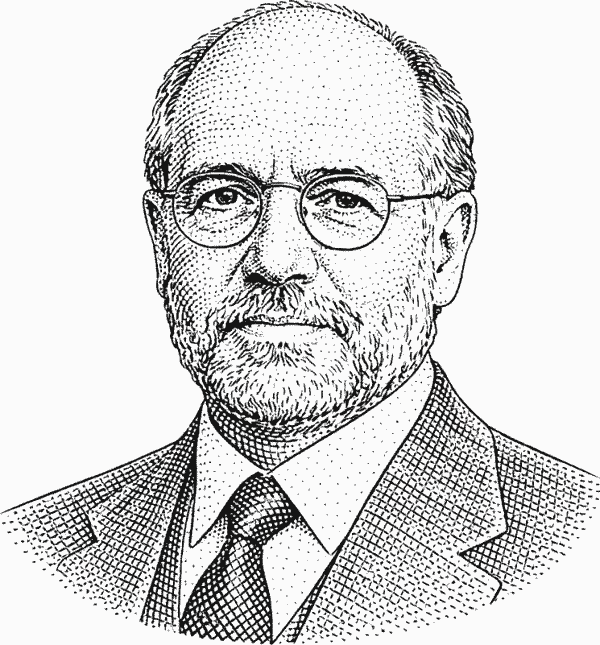
Bruce Kovner quote portrait about psychology

Bruce Kovner

The emotional burden of trading is substantial; on any given day, I could lose millions of dollars. If you personalize these losses, you can't trade.

Source: Speeches / Essays

Core idea

Successful trading demands emotional detachment; you must treat even huge losses as impersonal business risks, not reflections of your identity, or they will cripple your decision-making.

Practical application

To be a better investor, treat gains and losses as business outcomes, not personal verdicts, so emotions do not cloud your judgment or push you into impulsive decisions.

Why it matters

The insight is that durable success in markets requires emotional neutrality, viewing even massive losses as impersonal probabilities rather than personal failures, preserving clarity and discipline under extreme stress.

Frequently asked questions

Frequently Asked Questions About Bruce Kovner

Why do readers still study Bruce Kovner quotes?

Because Bruce Kovner's best lines compress durable principles into language that is easy to revisit when decisions get difficult.

What themes show up most often in Bruce Kovner's quotes?

Readers will usually see recurring ideas around psychology, along with practical guidance on judgment and process.

How should I use a page like this?

Use it as a study guide. Compare the quotations, identify repeating patterns, and decide which ideas belong on your own checklist.

Are these quotations investment advice?

No. They are educational material meant to help readers think more clearly about business and investing principles.

Why pair each quote with commentary?

Commentary helps readers connect a memorable sentence to a real-world investing or business habit.

How many quotes is included on this page?

This page includes 1 quotation from Bruce Kovner, along with context and practical application.

What makes an author page useful?

Author pages let readers study one thinker in depth, which often reveals patterns that are harder to notice in mixed-topic collections.